Parcel Trailer Unloading Robots Are Moving Automation to the Inbound Bottleneck

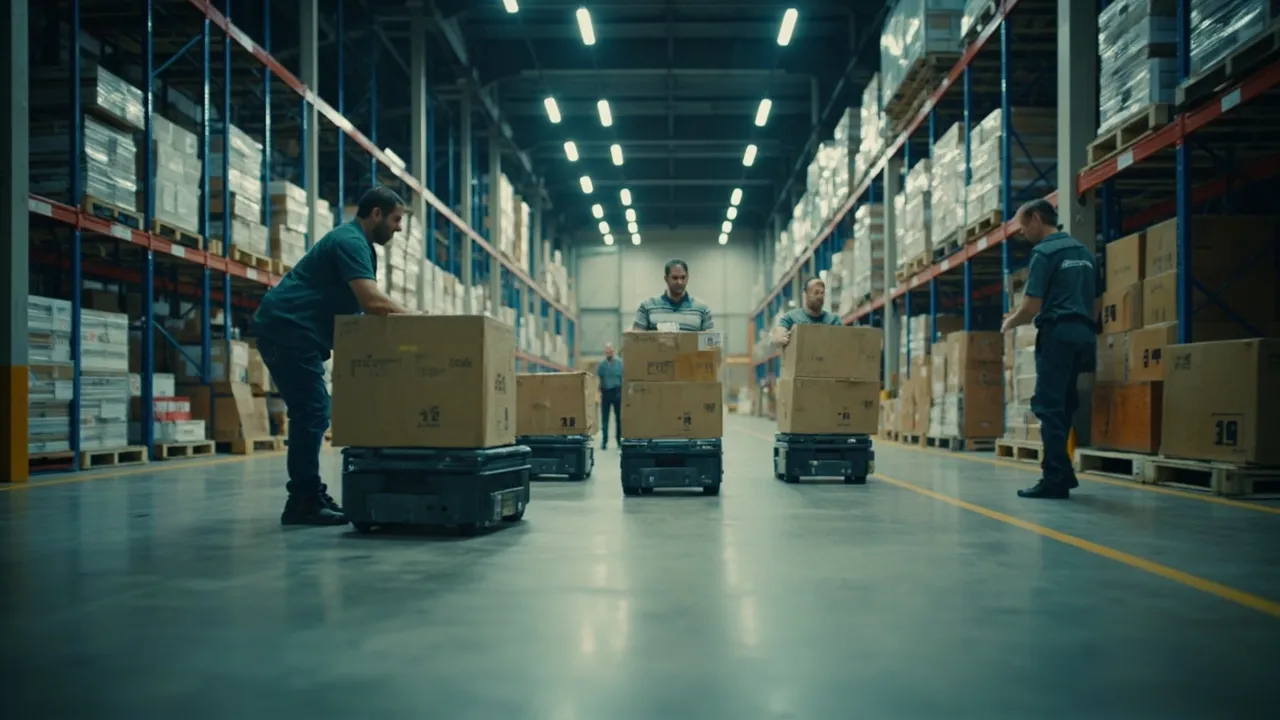
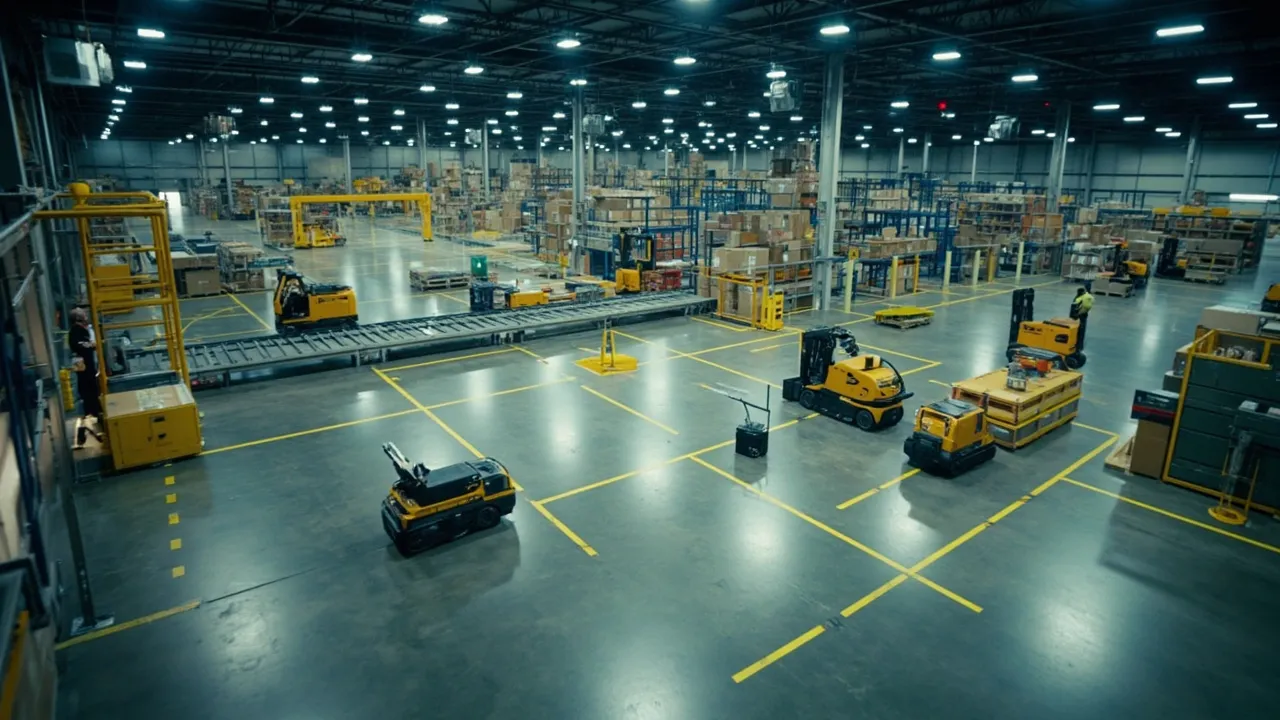
Warehouse automation often gets discussed as if the hard part begins after freight is already inside the building. Robots pick, sort, scan, replenish, and move inventory through increasingly sophisticated workflows.
Parcel operators know the truth is messier. A building cannot sort what it has not unloaded.
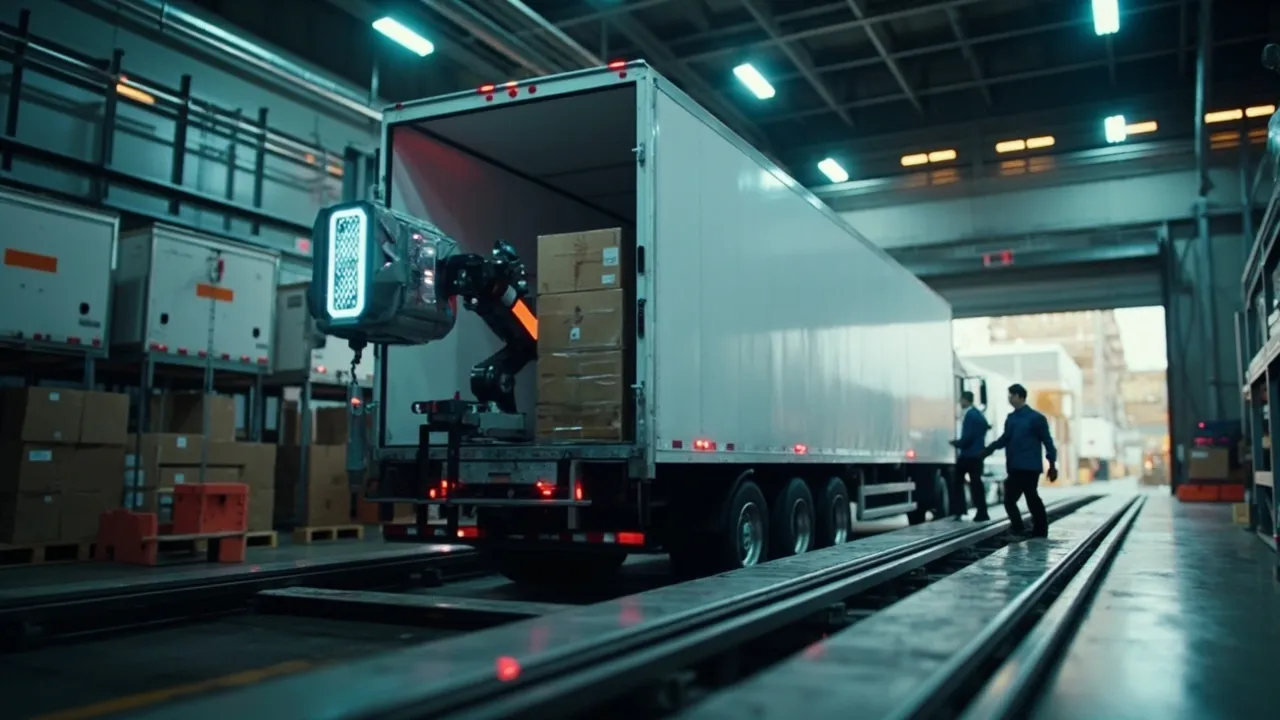
That is why FedEx's planned deployment of Berkshire Grey's Scoop autonomous trailer unloader matters. According to Supply Chain Dive, FedEx expects to put the first Scoop production units into operation in 2026 after a final-stage pilot at one facility with multiple unloaders. The robot is designed to enter a trailer, recognize and handle different package types, empty the trailer from the inside, and then exit autonomously.
This points automation at one of the least forgiving parts of a parcel network: the inbound trailer.
The Dock Door Sets the Pace
A parcel hub is a clock. Linehaul arrivals, door assignments, unload teams, induction belts, sort capacity, outbound cutoffs, and local delivery waves all depend on each other. If inbound trailers sit loaded, the whole clock starts slipping.
Trailer unloading is a physical bottleneck because it combines variability and urgency. Every trailer can look different. Cartons shift in transit. Package sizes and weights vary. The work is repetitive, time-sensitive, and physically demanding. Supply Chain Dive noted that FedEx described trailer unloading as one of the most unpredictable and demanding tasks in parcel hub operations.
That makes it a different automation problem than moving a tote down a predictable aisle. The robot has to deal with the trailer as it exists, not as a system designer wishes it existed.
The payoff is not limited to labor savings. A consistent unload pace can protect induction timing, reduce dock congestion, and create a more dependable handoff between transportation and warehouse execution.
Robotics Adoption Is Broadening
FedEx is not moving in isolation. Warehouse robotics adoption has accelerated across company sizes and use cases.
Supply Chain Dive reported that a 2025 study by MHI, Peerless Research Group, and The Robotics Group found 48% of participating organizations were using robots in plants or warehouses in 2025, up from 23% three years earlier. The same coverage cited 216 survey respondents, with more than half representing companies under $50 million in annual revenue.
Robotics is no longer only a mega-network experiment. As-a-service financing, stronger integration layers, and visible peer deployments are making automation decisions more practical for midsized operations.
The same article also noted that 64% of respondents in MHI's 2024 robotics survey said they were using robotics-as-a-service or software-as-a-service systems, up from 46% two years earlier. When companies can shift some automation spending from giant capital projects into more flexible operating models, they can test narrow bottlenecks before redesigning the whole warehouse.
Trailer unloading fits that pattern. It is specific, measurable, and painful enough to justify focus.
The ROI Starts With Flow, Not Flash
The best automation projects do not begin with the robot. They begin with the constraint.
For parcel trailer unloading, the constraint is inbound flow. A robot that empties trailers consistently can help a facility plan door turns more confidently, smooth the work feeding induction belts, and make staffing plans less fragile when arrival windows compress or volume spikes.
The safety case is just as important. Trailer unloading involves bending, lifting, reaching, and working inside confined spaces around irregular freight. FedEx's stated rationale for Scoop included enhancing safety and improving operational efficiency while maintaining service standards. That combination is exactly where automation has a credible business case: reduce strain while making the process more predictable.
But the ROI still depends on data discipline. A robotic unloader cannot fix a facility that does not know which trailers are ready, which doors are open, which unloads are blocked, or which exceptions are recurring. It can improve a step in the flow, but transportation and warehouse systems need to explain the flow around it.
The Inbound Handoff Needs Better Signals
Most TMS workflows stop caring too early. Once a linehaul trailer arrives, the shipment is often treated as "delivered" or "at facility." For parcel, retail, and high-throughput distribution networks, that status is not enough.
The useful questions are more precise:
- Is the trailer physically on site?
- Has it been assigned a dock door?
- Is the door ready for unload?
- Has unloading started?
- Is the unload blocked by labor, equipment, damage, documentation, congestion, or sequencing?
- Has the freight reached the next process step?
Those timestamps are not warehouse trivia. They are transportation performance data.
If a carrier arrives on time but waits three hours for a door, the carrier did not create the bottleneck. If a trailer arrives late but unloads immediately and still misses induction, the transportation failure is real. If unloads are consistently delayed for one customer, commodity type, lane, or package profile, the network has a planning issue.
Trailer unloading robots make those signals more valuable because they create a clearer operating standard. Once a facility knows the expected unload pace by trailer type and equipment availability, exceptions become easier to isolate.
Automation Should Feed the Operating System
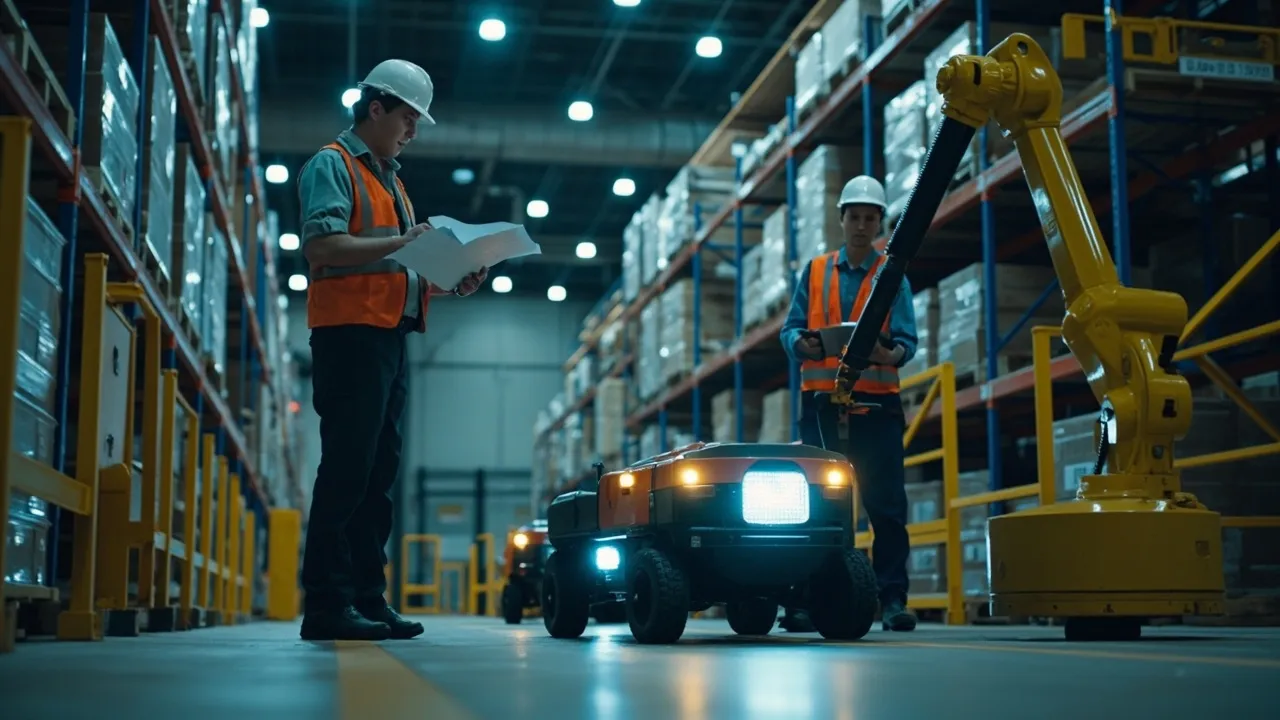
Inbound Logistics recently profiled nine AI-powered warehouse robotics systems, including tools for rack climbing, autonomous picking, AI forklifts, pallet movement records, returns handling, AMRs, and robotics integration. One useful theme across those systems is that the hardware is only part of the value. The strongest tools generate operating data as they move through the building.
That same logic belongs at the trailer door. A robotic unloader should not be treated as a standalone machine. It should feed the operating system with unload start time, completion time, package exceptions, trailer condition, equipment downtime, and door utilization.
Transportation teams need that information because inbound bottlenecks often look like carrier failures until the data proves otherwise. Warehouse teams need it because dock labor and automation capacity have to be planned against real arrival patterns, not average daily volume. Finance needs it because delayed unloads create detention, overtime, missed service commitments, and expensive recovery moves.
The New Parcel Automation Question
The next wave of parcel automation will not be won only by the fastest sorter or most advanced picking arm. It will be won by the operators that connect arrival visibility, dock readiness, unloading capacity, induction flow, and exception handling into one measurable process.
FedEx's Scoop deployment is a useful signal because it moves automation upstream, where the physical flow begins. If the inbound trailer is the bottleneck, automation has to meet the freight there.
CXTMS helps logistics teams connect linehaul arrivals, dock status, carrier performance, detention exposure, and exception causes in one transportation operating layer. If inbound trailers are creating blind spots between arrival and warehouse execution, schedule a CXTMS demo to see how better dock visibility can turn parcel automation into measurable flow.