USPS' UPS Air Contract Question Shows Postal Middle-Mile Needs Scenario Rules

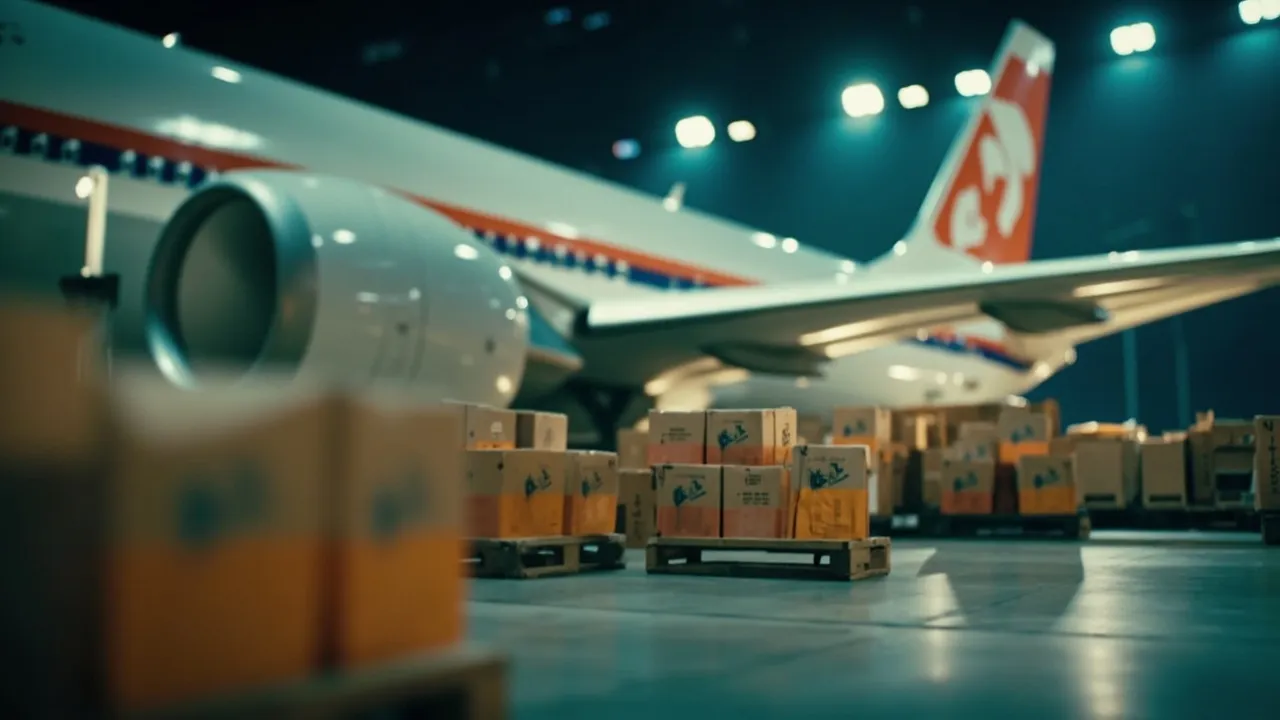
Postal air transportation can sound like an internal government contracting issue. For parcel shippers, it is a signal that delivery promises can be exposed to middle-mile decisions they do not directly control.
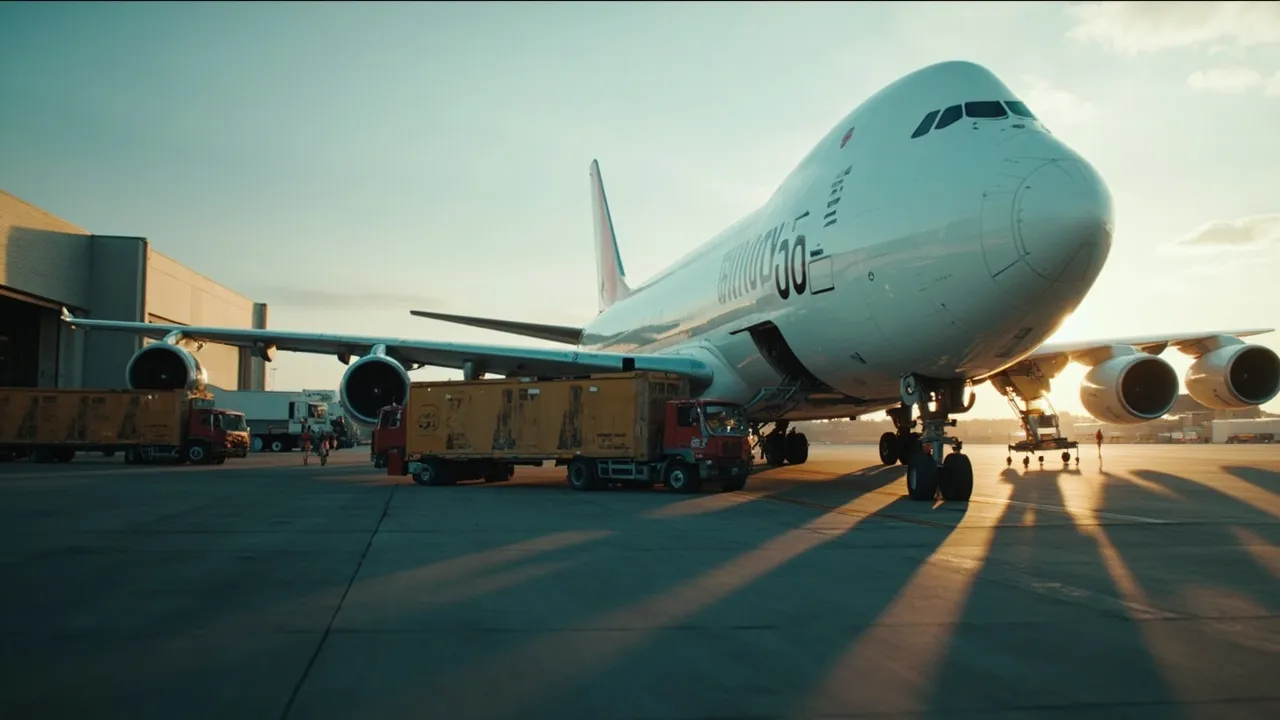
Supply Chain Dive reported that the U.S. Postal Service is under pressure to reassess whether its UPS air cargo contract still fits its changing volume profile. The issue came from a July 1 USPS Office of Inspector General report, which found that the Postal Service has been moving more First-Class Mail and Marketing Mail by air to satisfy minimum volume terms in its primary air cargo agreement.
Supply Chain Dive reported that UPS became USPS' primary air transportation provider in 2024, that the agreement began Sept. 30, 2024, and that the OIG described the deal as worth more than $10 billion through March 2030. It also includes minimum daily average volume requirements, with higher rates if volumes move too far above or below negotiated levels.
USPS Priority Mail volume fell 24.1% year over year in fiscal 2025 as shippers moved packages toward slower, lower-cost services. To avoid higher air transportation costs, USPS has had "little choice but to fly First-Class Mail," according to the OIG summary cited by Supply Chain Dive. First-Class Mail in the three-to-five-day delivery range traveling by air rose from 2% in fiscal 2025 to 50% by the middle of fiscal 2026.
For shippers, the lesson is not that USPS air is good or bad. Parcel networks now depend on commercial thresholds, mode choices, and service tradeoffs that can shift before late-delivery patterns appear.
Postal Air Decisions Spill Into Parcel Planning
Most parcel teams think about USPS through visible touchpoints: rates, dimensions, service standards, scan events, delivery units, returns flows, and final-mile handoffs. Middle-mile air decisions sit further upstream, which makes them easier to miss. But upstream does not mean irrelevant. If parcel volumes keep falling short of contract assumptions, the Postal Service may adjust which products ride by air, which products lean on ground transportation, and how it balances cost against service performance. If the agency eventually renegotiates or restructures the contract, induction timing, regional cutoffs, and transit assumptions can all move.
The OIG also noted a cost tradeoff. If USPS had transported only packages by air instead of supplementing the network with First-Class Mail and Marketing Mail, total transportation costs would have increased by more than $127 million. At the same time, the new agreement and related initiatives have produced about $1.7 billion in annual savings, according to the report cited by Supply Chain Dive.
That is the kind of operating tension shippers should model. A postal decision may be financially rational for USPS and still create service-design questions for ecommerce sellers, 3PLs, marketplaces, subscription brands, and returns programs.
The Parcel Market Is Already Less Predictable
This is happening in a parcel market that has moved beyond the old national-carrier default. Logistics Management's 2026 Parcel Express Roundtable described the market as crowded, competitive, and cloudy. Before the pandemic, UPS, FedEx, and USPS handled 85% of domestic parcel volume. By 2025, their combined share had fallen to 61% of 23.9 billion annual deliveries.
That fragmentation is not just about carrier logos. It changes how risk travels through the network. A shipment may be sold under one service name, inducted through one facility, linehauled under a different operating model, handed off to USPS for delivery, or rerouted through a regional carrier depending on geography, density, service promise, and margin.
When a postal air contract creates pressure around volume thresholds, parcel teams need to know which shipments are exposed. A simple carrier-spend report may show USPS direct volume, but it often misses postal dependency embedded in economy services, consolidator programs, marketplace labels, hybrid final-mile products, and returns networks.
The better question is lane-specific: if USPS changes the air-versus-ground balance, which customer promises become fragile?
Build The Postal Middle-Mile Scenario File
Parcel contingency planning needs to become more specific than "add another carrier."
A useful postal middle-mile scenario file should include:
- Carrier dependency: direct USPS, UPS-postal handoff, consolidator, marketplace label, fallback carrier, or returns partner
- Origin facility: fulfillment node, induction point, postal entry point, consolidator hub, sort center, or return location
- Air vs. ground path: expected mode, historical mode, service product, distance band, ZIP zone, and seasonal exception pattern
- Service promise: delivery date, internal ship-by time, marketplace SLA, refund trigger, and customer segment
- Cutoff: warehouse pick cutoff, manifest close, tender time, trailer departure, postal acceptance, and weekend rule
- Fallback node: alternate fulfillment center, carrier injection point, upgraded service, zone-skip path, or hold-and-ship rule
- Customer-impact threshold: late-delivery risk, margin exposure, order value, replacement cost, churn risk, and escalation owner
This file should live inside the parcel execution workflow. When a postal network assumption changes, the system should identify affected SKUs, customers, lanes, origins, and services. It should also show whether a fallback is executable before the warehouse misses the cutoff. A backup carrier on paper does not help if labels, pickup times, dimensions, and customer promises are not configured.
Technology Has To Model The Network
Inbound Logistics recently argued that logistics execution is being reshaped by tools such as digital twins, IoT, robotics, automation, blockchain, and AI-enabled workflows. The practical value is the ability to simulate disruption, detect exceptions earlier, and re-sequence operations when flows move off plan.
Postal middle-mile risk is a perfect use case for that kind of execution intelligence. Shippers do not need a prettier tracking page after a delivery is late. They need rules that compare cost, service, capacity, geography, and customer impact before the label is chosen.
Parcel systems should capture more than carrier and rate: postal dependency, induction rules, ZIP-level performance, air-versus-ground assumptions, facility cutoffs, dimensional data, promised dates, claims history, and customer-service triggers.
Scenario Rules Beat Static Carrier Strategy
USPS' UPS air contract question is not a reason to panic. It is a reason to get more precise. The Postal Service may keep the agreement, renegotiate over time, or keep using the contract's flexibility. Any outcome can be reasonable for USPS while still requiring shippers to revisit parcel assumptions.
The strongest parcel teams will map where postal air decisions matter, identify which promises are exposed, and decide which shipments deserve protection through alternate routing, earlier cutoffs, upgraded service, or different fulfillment nodes.
CXTMS helps freight forwarders and logistics companies turn that work into daily execution. By connecting parcel routing rules, carrier dependencies, shipment milestones, cutoffs, exceptions, commitments, and cost data, CXTMS shows where postal middle-mile changes could affect delivery.
If postal dependency, economy parcel performance, or carrier-network complexity is getting harder to manage, schedule a CXTMS demo. We will show how to model parcel scenarios before a contract change becomes a late-delivery problem.