Hidden Warehouse Costs Are a Transportation Problem Too: Why WMS Inefficiency Leaks Into Freight Spend

Warehouse waste rarely introduces itself as a transportation problem.
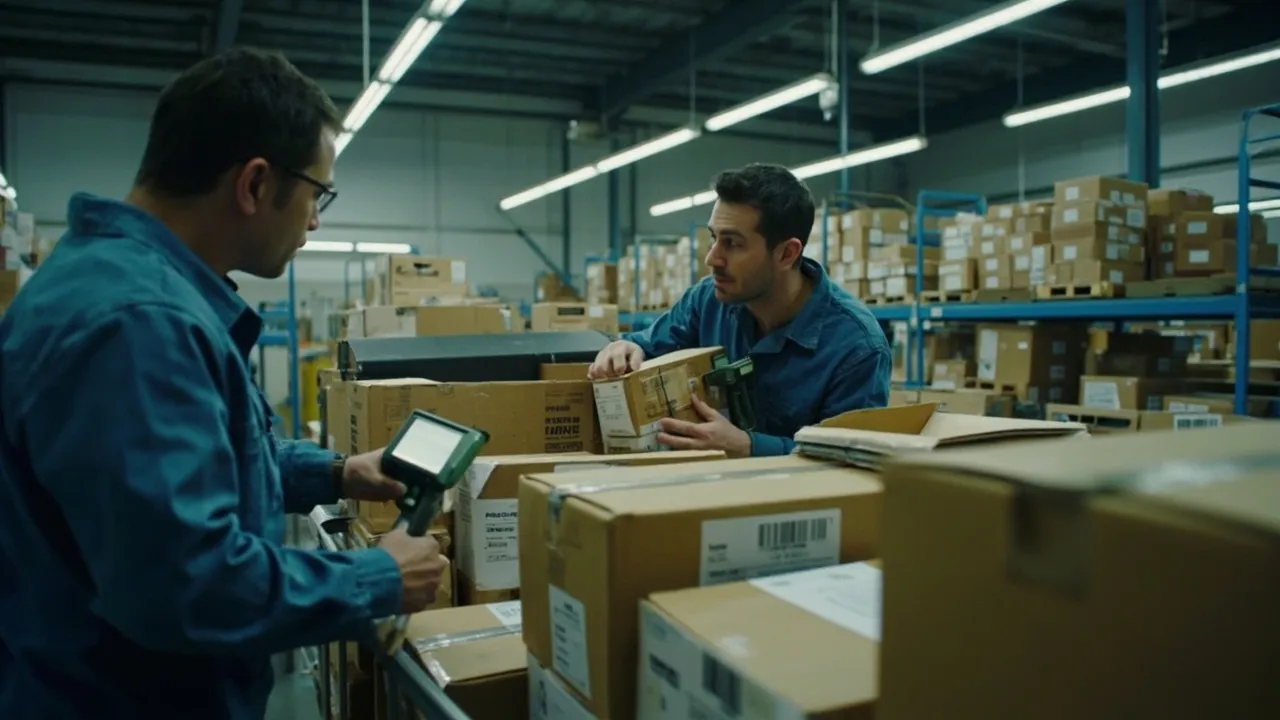
It shows up first as a picker waiting for inventory that should be available, a shipping clerk rebuilding an order after a carton mismatch, a dock supervisor hunting for a trailer appointment, or a carrier driver sitting at the door while paperwork catches up. Finance may book those problems under labor, chargebacks, overtime, detention, or expedited freight. Operations may call them “warehouse issues.”
But the freight budget feels every one of them.
A weak WMS does not merely slow warehouse work. It corrupts the timing, accuracy, and certainty that transportation planning depends on. When inventory data, pick status, packing rules, dock schedules, and shipment readiness are unreliable, the TMS has to recover with more expensive freight decisions.
The warehouse process is the start of the shipment
Inbound Logistics defines warehouse management as the coordination of receiving, put-away, storage, picking, packing, shipping, and inventory control. Its guide to warehouse management systems makes the larger point clearly: effective warehouse management supports efficiency, accuracy, cost control, customer service, and supply chain performance.
That sounds like warehouse language. It is also transportation language.
Receiving errors create phantom inventory and late replenishment. Poor put-away creates longer pick paths and missed waves. Weak slotting pushes labor into low-value travel. Bad inventory control creates substitutions, shorts, and split shipments. Packing mistakes change cube, weight, labels, and compliance status. Shipping delays miss carrier cutoffs.
Each failure changes the transportation plan after the plan has supposedly been made. A truckload tender assumes freight will be ready. A parcel pickup assumes cartons will be labeled. An LTL consolidation assumes orders will make the wave. A routing guide assumes the tender can go out early enough for the preferred carrier to accept. WMS friction breaks those assumptions, then transportation pays for the rescue.
Hidden costs leak through five freight channels
The first leak is missed cutoffs. When orders are not picked, packed, staged, and documented on time, the shipment either rolls to the next day or moves through a premium service. One missed cutoff may be noise. A pattern becomes a margin problem.
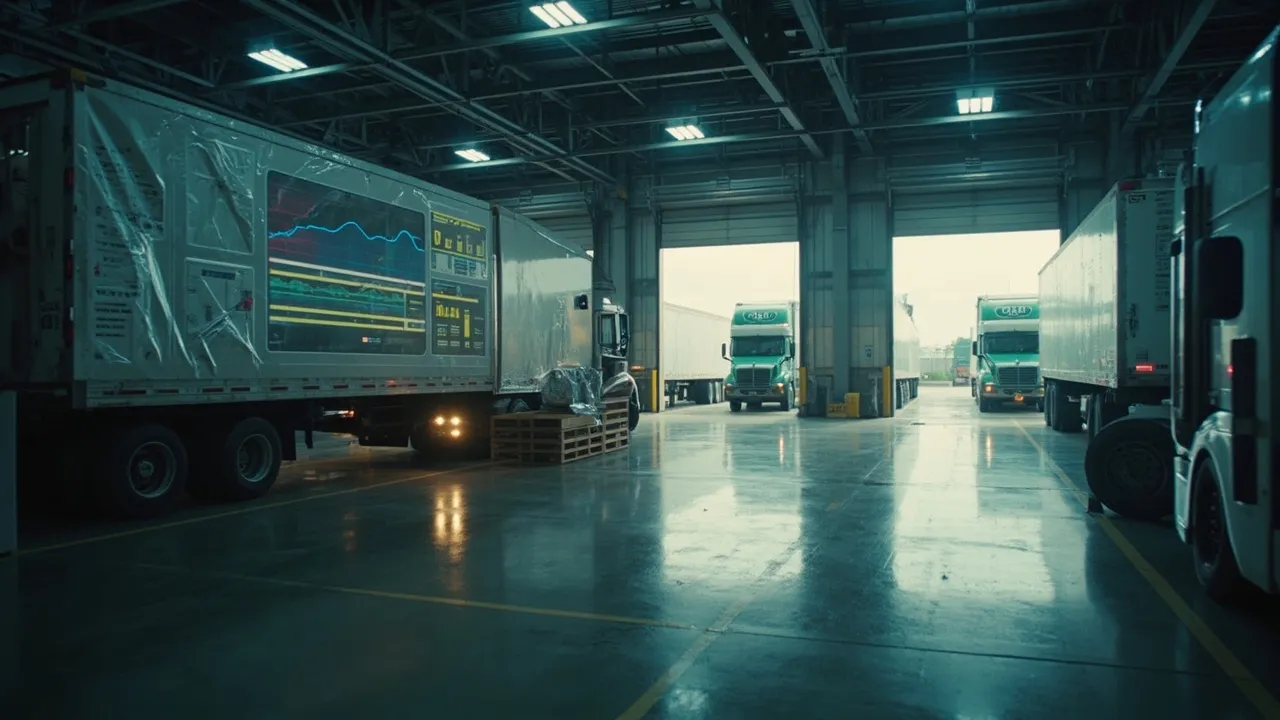
The second leak is detention and dwell. If carriers arrive for scheduled appointments and the warehouse is not ready, dwell becomes detention. Carriers remember facilities that burn driver hours, and those facilities eventually pay through pricing, lower acceptance, or fewer preferred options.
The third leak is rework. A mis-picked order, damaged label, incorrect pallet build, or missing document can force repacking, relabeling, re-weighing, or reclassification.
The fourth leak is poor consolidation. If the WMS cannot reliably show what orders are available, compatible, and ready by cutoff, the transportation plan fragments. Orders that should have consolidated into one LTL shipment move as separate parcels.
The fifth leak is exception-driven expediting. It becomes a tax on bad execution when used to recover from inventory inaccuracies, slow picking, dock congestion, or late documentation.
Data capture is where the leak starts closing
The fix is not “buy more software” in the abstract. The fix is better operational truth.
Inbound Logistics’ comparison of RFID and barcode technology is useful because it frames the tradeoff at the level where warehouse errors happen. Barcodes are low-cost, reliable, compatible with most systems, and easy to scale, but they require line-of-sight scanning and usually process items individually. RFID costs more and can require infrastructure and process changes, but it can scan multiple items at once without line of sight, support real-time tracking, and reduce manual handling.
That distinction matters because transportation planning needs trustworthy status signals, not just end-of-day inventory adjustments.
A barcode scan at pick confirmation can tell transportation that an order is truly moving. RFID at a dock door can confirm that the right pallet entered the right trailer. A WMS task update can trigger appointment readiness. A packing event can provide final dimensions before carrier selection. The goal is not perfect technology coverage everywhere. The goal is to capture the events that change freight decisions early enough for those decisions to still be cheap.
Automation makes the WMS problem more urgent
Warehouse automation spending is accelerating because the labor and service-pressure equation has changed. Mordor Intelligence estimates the warehouse automation market will grow from $29.98 billion in 2025 to $34.17 billion in 2026 and reach $65.74 billion by 2031, a 13.98% CAGR. It also reports that picking and packing represented 32.31% of automation application spending in 2025, while mobile robots captured 41.36% of technology share.
Those numbers point to a practical reality: warehouses are investing heavily in the workflows that determine whether freight leaves accurately and on time.
But automation does not forgive bad integration. Mordor also flags legacy IT and WMS integration complexity as a restraint, noting that many early-2000s WMS platforms lack modern APIs, integration projects can overrun budgets by 30%, and timelines can stretch by up to 12 months. Companies buy automation to improve throughput, then lose part of the return because execution data cannot flow cleanly into transportation planning, appointment scheduling, carrier selection, and cost control.
A robot can move a tote faster. It cannot, by itself, tell the transportation team whether the right orders are ready for the right carrier at the right dock by the right cutoff.
The transportation team needs warehouse signals, not warehouse surprises
The practical playbook starts with a simple question: which warehouse events change freight cost?
For most shippers, the answer includes inventory availability, order release, pick completion, carton dimensions, pallet build, dock appointment status, trailer loading confirmation, and shipment closeout. Those events should feed transportation planning before the exception becomes expensive.
Then measure the leaks. Track missed cutoffs by warehouse zone and order type. Track detention by facility, door, carrier, and appointment window. Track expedited shipments by root cause, not just mode. Track split shipments against inventory availability and wave timing.
Once those measures are visible, the conversation changes. The warehouse is no longer accused of “causing freight cost.” Transportation is no longer blamed for “choosing expensive carriers.” Both teams can see the execution signal that created the cost decision.
CXTMS connects the four walls to the freight bill
CXTMS gives logistics teams the bridge between warehouse execution and transportation spend. By connecting shipment planning, carrier selection, appointment visibility, exception management, and cost analytics, CXTMS helps teams see when WMS friction is about to become a freight problem. Missed cutoffs, detention exposure, consolidation failures, and expediting triggers become measurable operating signals instead of after-the-fact explanations.
Warehouse inefficiency is not contained by the dock doors. It leaks into freight spend, carrier performance, customer promises, and margin. The shippers that control it fastest will be the ones that treat WMS data as transportation data too.
If hidden warehouse costs are showing up in your freight budget, CXTMS can help expose the pattern and build better operating rules around it. Schedule a CXTMS demo to see how connected transportation execution can turn warehouse signals into cost control.