E-Commerce Networks Built for the Old World Are Breaking: How Midmarket Retailers Should Redesign Fulfillment

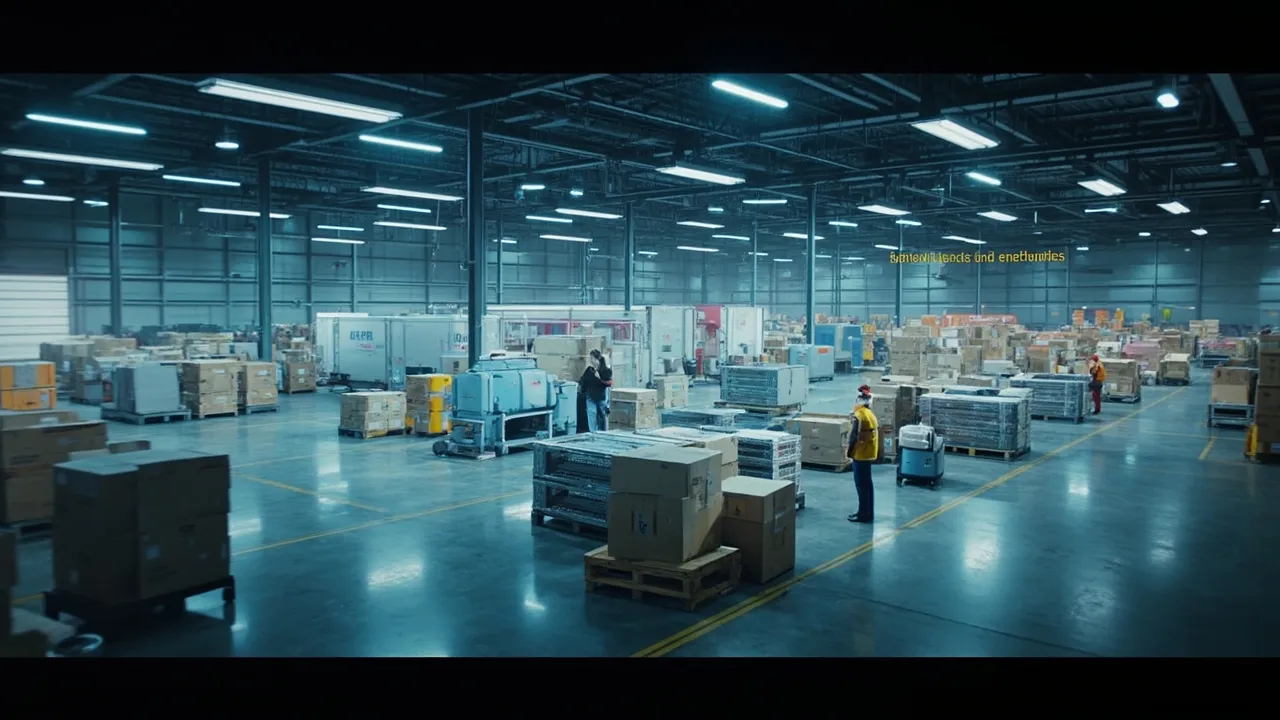
Many midmarket e-commerce networks were built for a cleaner world than the one retailers now operate in.
The old model assumed demand was reasonably predictable, inventory could sit in one or two large nodes, and a national parcel carrier could absorb most service promises. That worked when online volume was less fragmented, delivery expectations were looser, and surcharge pressure was easier to bury inside average freight cost.
That world is gone. Consumers buy through marketplaces, brand sites, social commerce, influencer drops, and subscription programs. Demand spikes by channel, geography, and SKU. Delivery promises have compressed. Carrier performance varies by region. Inventory has to be closer to demand without being scattered so widely that stock becomes unmanageable.
The result is a hard question: does the fulfillment footprint still match the business, or is it forcing every order through yesterday’s assumptions?
The symptoms show up before the strategy meeting
Inbound Logistics captured the issue well in its discussion of e-commerce network redesign: one midmarket retailer admitted it had built its network “for a world that doesn’t exist anymore.” It relied on a single national carrier, shipped mostly from one coastal hub, and assumed the future would look like a predictable extension of the past.
That story is painfully familiar. A network can be technically functional and still commercially wrong.
The warning signs usually appear in operations first: orders travel across too many zones, replenishment creates stockouts in one region and excess in another, a national carrier performs poorly in critical ZIP codes, expedited shipping becomes the recovery mechanism, and finance sees rising parcel cost without a clean cost-to-serve view.
None of that is solved by negotiating a better parcel discount alone. These are network architecture problems. The shipping label is just where the bill arrives.
Centralized fulfillment is simple until it becomes expensive
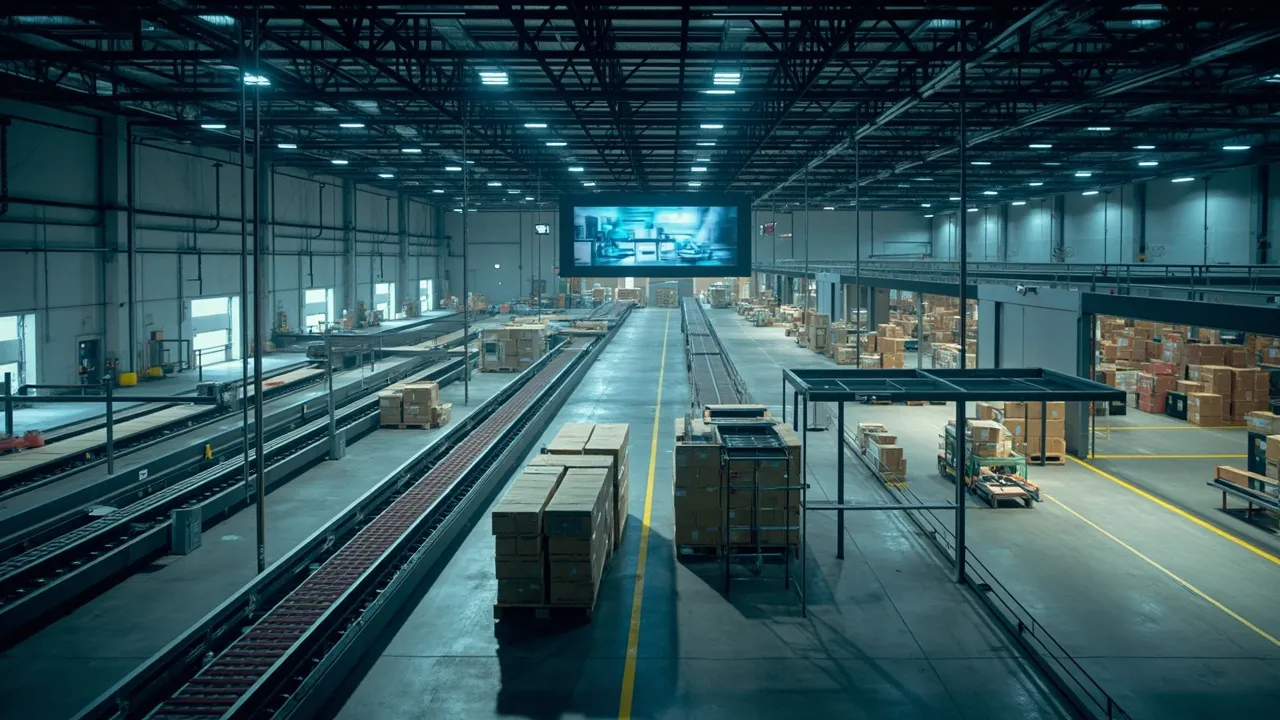
Centralized fulfillment remains attractive for good reasons. It simplifies inventory control, reduces duplicated labor, concentrates automation investment, and gives management one primary operating model to tune. For lower-velocity SKUs or broad but shallow assortments, a central node can protect working capital.
The tradeoff is distance. When an order starts far from the customer, the retailer pays in zones, transit time, and service fragility. A one-node model can also hide regional demand shifts until they become margin problems.
Centralization works when delivery commitments are modest or inventory efficiency matters more than speed. It breaks down when service promises tighten and order density can justify forward positioning.
Regional nodes create speed, but only with discipline
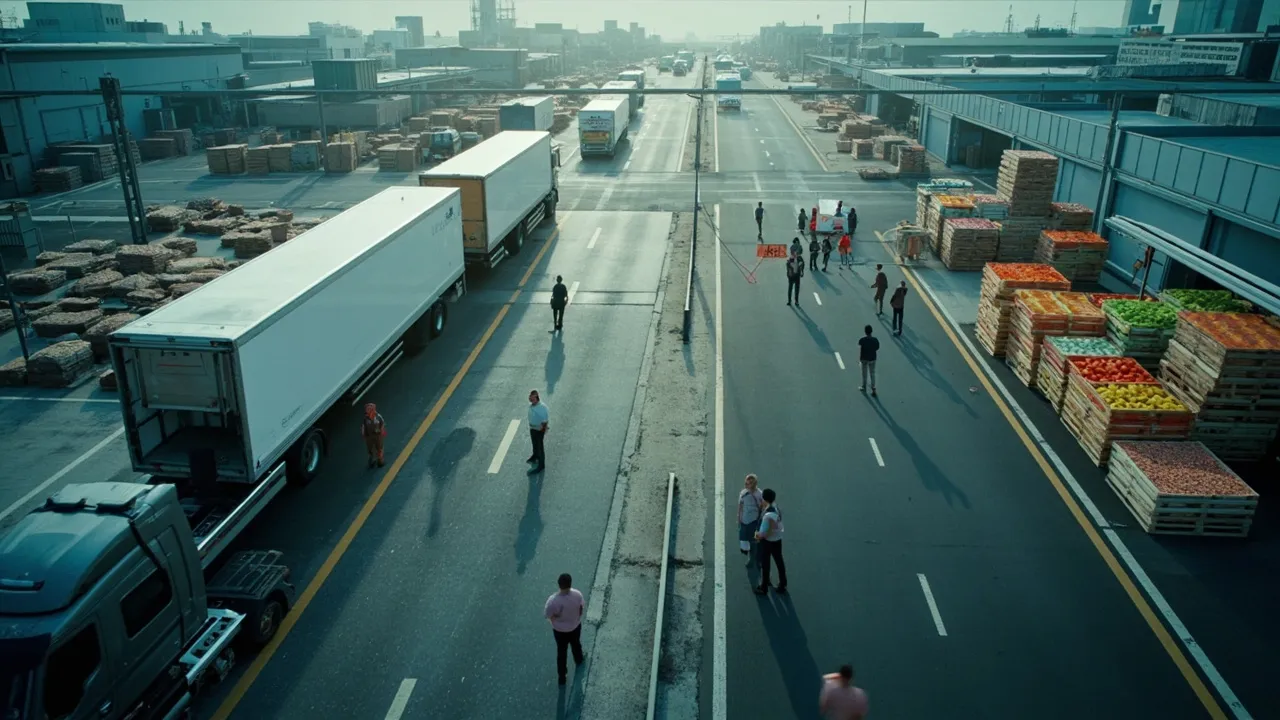
Regional fulfillment reduces distance and gives retailers more options. Inbound Logistics noted that the next frontier of speed is geography: retailers get faster not by upgrading every shipment to premium service, but by starting closer to the customer. It also reported that brands increasingly position inventory within one or two zones of primary demand clusters.
That is the right logic. A regional node can reduce parcel zones, improve delivery reliability, create better carrier choice, and support service promises without turning every order into premium transportation.
But regionalization is not free. Every added node creates inventory risk. If the wrong SKUs are forward deployed, slow movers sit in expensive positions, fast movers stock out anyway, and transfers eat the savings.
The operational discipline is SKU selection. Forward deployment should be based on velocity, margin, cube, return rate, seasonality, channel mix, and service sensitivity. A bulky item with high regional density may deserve a closer node. A long-tail accessory may not. A promotional SKU may need temporary forward positioning. A low-margin product may need a slower promise rather than a faster warehouse.
That is where many midmarket retailers struggle. They know the national averages. They do not always know the order-flow economics at the lane, ZIP, carrier, and SKU level.
Store-linked fulfillment raises the bar
The sharpest benchmark is now coming from retailers that use physical stores as fulfillment assets. Supply Chain Dive reported that Walmart’s U.S. sales using store-fulfilled delivery have more than doubled over the past two years, and that more than 36% of store-fulfilled deliveries arrived in three hours or less in Q1. Walmart also said it can now reach approximately 60% of the U.S. population in 30 minutes or less.
Most midmarket retailers are not Walmart. They do not have that density or last-mile scale. But the lesson still matters: store-linked or micro-fulfillment models only work when inventory promise, order routing, labor availability, and transportation execution are connected.
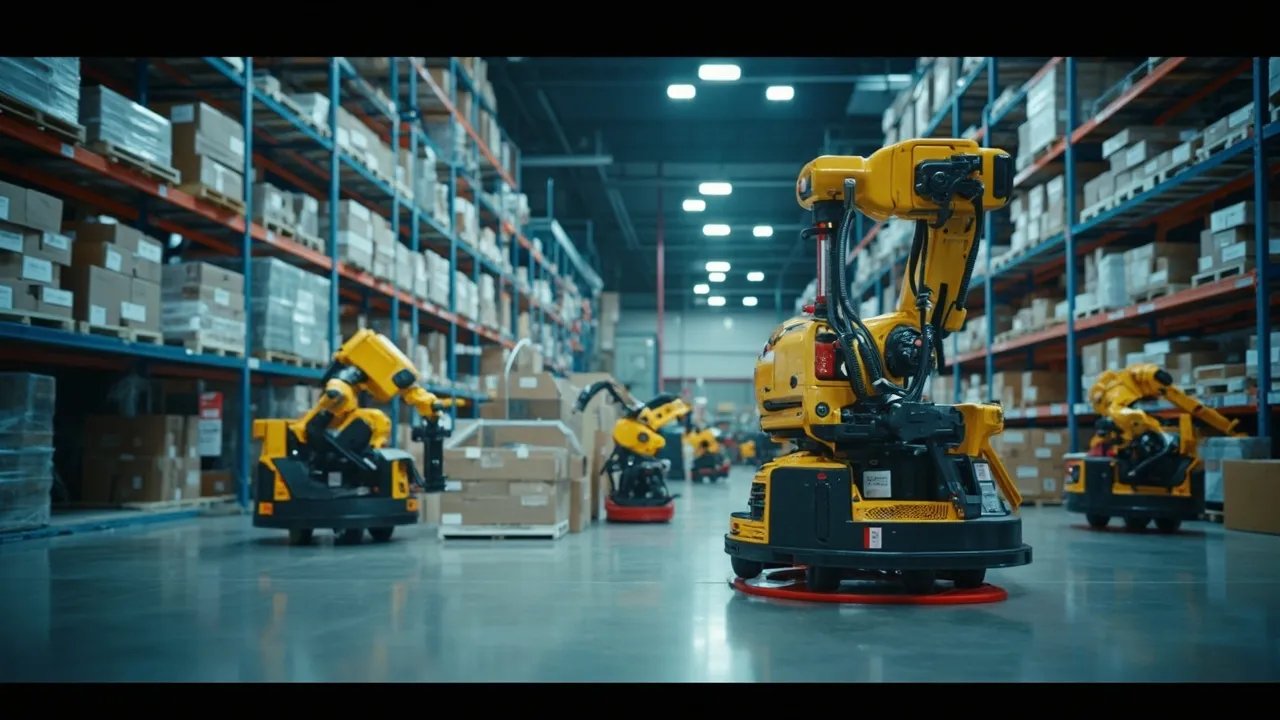
A store can be a powerful fulfillment node. It can also be a chaos machine. If inventory is inaccurate, picking labor is unavailable, packaging is inconsistent, or local carrier options are weak, the customer promise falls apart. Start with high-confidence SKUs and strong-density markets rather than turning every store into a mini-DC on day one.
Multi-carrier design is no longer optional
Carrier strategy has changed as much as node strategy. Inbound Logistics argued that carrier diversification has moved from contingency plan to core design principle, with shippers seeking optionality across transit time, cost, and capacity. It described blended networks of regionals, postal consolidators, and alternative last-mile partners as a way to match service level and cost to each order’s need.
That is exactly the right mindset. A centralized network with one national carrier creates one kind of exposure. A regional network with no orchestration creates another. The practical answer is not “use every carrier.” It is to define which carrier, service, and node combination should win for each order profile.
That decision should account for promised delivery date, margin, parcel characteristics, destination geography, carrier reliability, accessorial risk, and available inventory. Without that logic, multi-carrier becomes more dashboards, more exceptions, and more manual overrides.
Redesign starts with shipment truth
The best fulfillment redesigns start with real operating data, not org-chart preferences.
Retailers should map actual order flows by SKU, node, destination, channel, service promise, carrier, cost, transit performance, returns, and exceptions. Then they should test which SKUs justify regional positioning, which ZIP clusters have enough density, where regional nodes reduce cost versus moving inventory risk, which carriers perform by lane, and when the promise should slow down because margin cannot support speed.
CXTMS helps retailers make those decisions with transportation execution data rather than guesswork. By connecting shipment history, carrier performance, order-flow patterns, cost-to-serve, and exception visibility, CXTMS gives teams a practical way to compare centralized, regional, and store-linked options before committing capital.
The old e-commerce network was built around shipping orders out. The new one has to continuously decide where inventory should sit, which promise is profitable, which carrier should move it, and when the plan needs to change.
If your fulfillment network still assumes the old world exists, CXTMS can help you redesign it around the one your customers actually live in. Schedule a CXTMS demo to see how transportation data can guide smarter fulfillment network decisions.