Retail Logistics Is a $1.22T Market, but the Growth Is Moving Away From Basic Transport

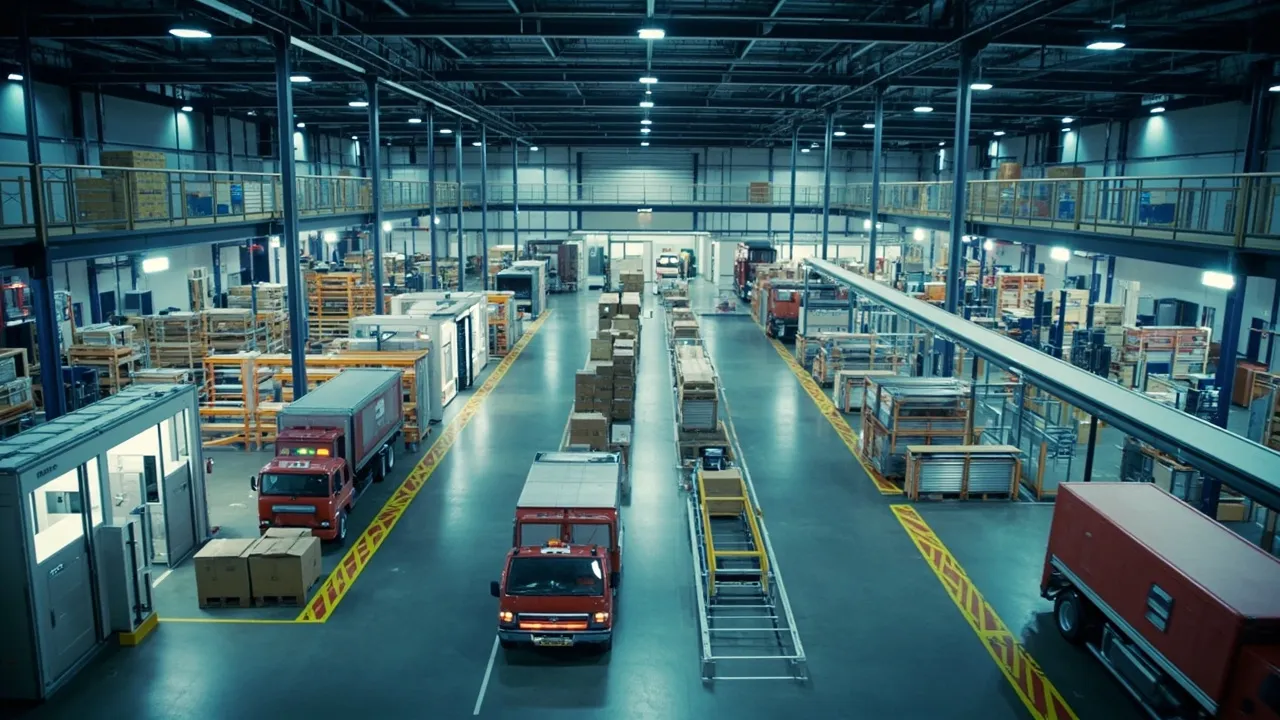
Retail logistics is no longer just the art of getting goods from distribution centers to stores. That job still matters, and it still commands the largest share of spend. But the profit pool is shifting toward the parts of the network that make retail harder: returns, subscription replenishment, packaging compliance, traceability, refurbishment, last-mile density, and carbon reporting.
Mordor Intelligence estimates the global retail logistics market will expand from $1.15 trillion in 2025 to $1.22 trillion in 2026, then reach $1.57 trillion by 2031. That implies a 5.25% CAGR from 2026 to 2031. A market that large does not need hype to matter. The more useful question is where the growth is actually moving.
The answer should make transportation leaders uncomfortable in a healthy way. Basic transport remains the foundation, but the faster-growing work is the work that requires better systems.
Transportation still dominates, but it is not the whole story
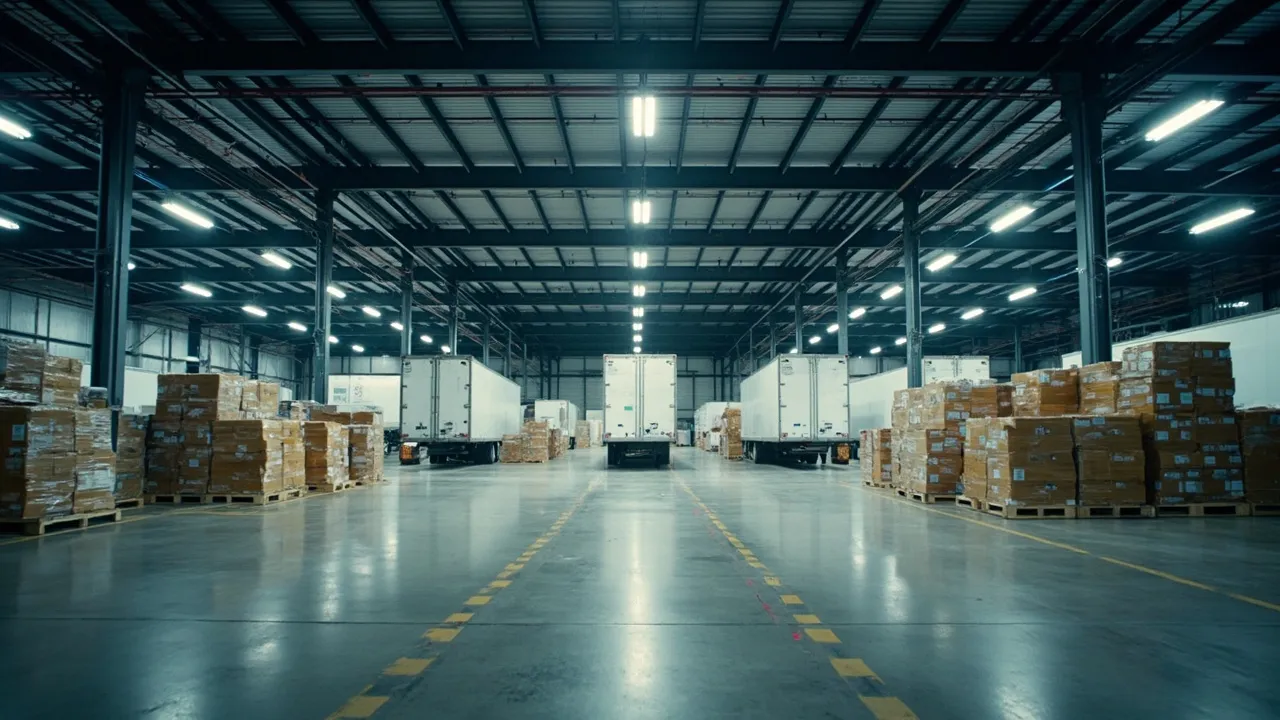
Mordor reports that transportation held 62.1% of retail logistics market share in 2025. That is exactly what most operators would expect. Store replenishment, DC-to-store moves, upstream inbound freight, middle-mile transfers, parcel delivery, and last-mile operations still consume massive capacity. Road networks, carrier contracts, dock schedules, and service commitments remain the operating spine of retail logistics.
But market share can hide strategic drift. Transportation is large because physical movement is unavoidable. It does not mean the most attractive growth will come from simply buying more capacity.
Mordor says value-added services are advancing at a 6.5% CAGR through 2031, faster than the overall market. These services include reverse logistics, inspection, customization, refurbishment, authentication, kitting, compliance documentation, and other work around the shipment rather than inside the linehaul move.
That distinction matters because margin pressure in retail is brutal. Freight rates, labor costs, warehouse rents, and service failures all flow directly into cost-to-serve. If the logistics team cannot see which flows require special handling, which returns can be resold, which orders can be consolidated, and which packaging choices trigger new compliance work, transportation planning becomes a blunt instrument.
Online channels are pulling logistics into smaller, faster loops
Store-based retail still has scale. Mordor says super, hyper, convenience, and department stores represented 50.5% of retail logistics revenue in 2025. Yet online channels are the faster-growth engine, projected at an 8.9% CAGR.
That shift changes the network math. Store replenishment rewards pallet efficiency, predictable routes, and consolidated receiving. Online fulfillment rewards speed, inventory accuracy, parcel intelligence, returns handling, and high-volume exception management.
Subscription commerce sharpens the point. Recurring orders can stabilize demand and improve planning, but only if the system can translate predictable demand into better routing, batching, warehouse labor planning, and carrier commitments. Otherwise, subscription volume simply becomes another recurring source of parcel cost.
Fresh grocery e-commerce adds another layer. Mordor notes that cold-chain grocery fulfillment requires expensive chilled infrastructure and time-sensitive handling. When perishable orders move through online channels, transportation planning has to account for temperature, dwell time, capacity, order promise, and route sequence. A cheaper route that breaks freshness is shrink with a tracking number.
Returns are becoming a core retail logistics capability
Reverse logistics used to be the cleanup crew after the sale. That era is gone. Circular retail, resale marketplaces, warranty workflows, and stricter waste expectations have turned returns into a revenue protection function.
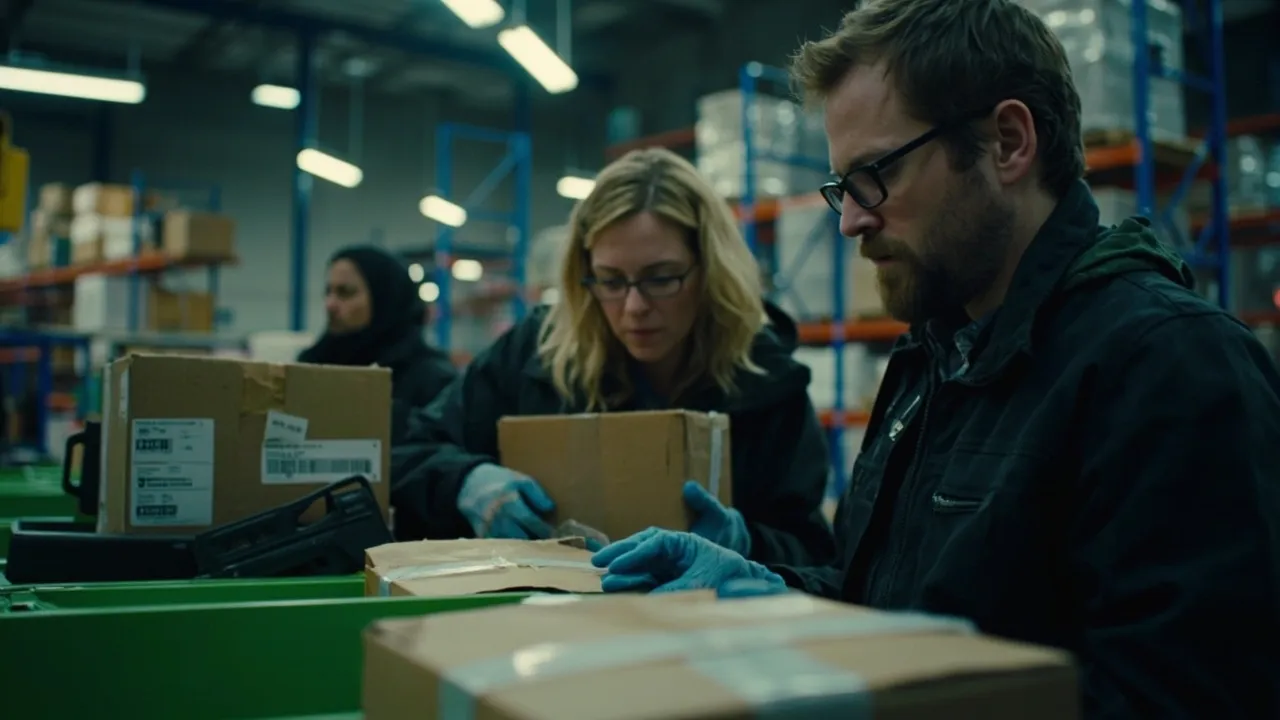
Mordor points to resale and circular retail as a growth driver, with reverse-logistics platforms supporting authentication, refurbishment, and resale. That is a different operating model from dumping returned inventory into liquidation. Retailers need to identify condition quickly, route goods correctly, capture proof, update inventory, and decide whether the next move is resale, repair, vendor return, recycling, or disposal.
The transportation challenge is that reverse flows are fragmented by nature. Forward networks are planned around demand. Reverse networks are shaped by customer behavior, product quality, fraud, seasonality, and policy. Without a transportation layer connected to returns disposition, retailers end up with slow credits, stranded inventory, excess handling, and poor visibility into the true cost of returns.
Sustainability is moving from message to operating requirement
Retail sustainability is also becoming more operational. Supply Chain Dive reported that Amazon, Walmart, Target, and CVS Health participated in a Sustainable Packaging Coalition Retailer Forum focused on aligning supplier innovation around private-label packaging challenges. The next brief targets lightweighted containers, bottles, and closures, with requirements tied to recyclability, operational fit, scalability, and regulatory claims.
That may sound like a packaging story, but it is also a logistics story. Packaging changes cube utilization, damage rates, parcel eligibility, handling requirements, labeling, documentation, and returns processing. A bottle redesign that runs on existing machinery and reduces virgin content can also change freight density and compliance records. A flexible packaging alternative that lacks operational fit can create cost somewhere else in the network.
Carbon accounting is following the same path. Mordor notes that ESG audits are increasing demand for platforms that can turn emissions measurement into margin-protective insight. That only works if transportation execution captures the right shipment, mode, carrier, lane, fuel, and service data. Sustainability cannot live in a quarterly spreadsheet if retail networks are making daily mode, node, and carrier decisions.
Technology is shifting from visibility to orchestration
The retail logistics winners will not be the teams with the prettiest dashboards. They will be the teams that can use data to take action across the network.
Inbound Logistics' 2026 technology coverage describes AI becoming a supply chain "system of action" rather than a standalone feature. The same article highlights warehouse automation, real-time visibility, distributed fulfillment, and decision intelligence as key trends. That is the right frame for retail logistics. Visibility tells the team a parcel is late. Orchestration decides whether to split, reroute, substitute, expedite, consolidate, or hold the order based on margin, promise date, inventory, carrier performance, and customer value.
Retailers also need one planning layer across store, DC, reverse, and last-mile flows. Treating each channel as a separate island creates duplicated inventory, conflicting carrier rules, inconsistent cost data, and weak exception management.
What retailers should do now
First, separate volume growth from complexity growth. More orders are not the only issue. More returns, more packaging rules, more service promises, and more carbon requirements can create a bigger planning burden than incremental shipments.
Second, connect transportation planning to value-added workflows. Returns disposition, refurbishment, kitting, authentication, and packaging compliance should influence routing and carrier selection, not appear after the load has already moved.
Third, measure cost-to-serve by channel and flow. Store replenishment, online parcel, subscription orders, reverse logistics, and fresh grocery each have different failure modes. Blending them into one freight average hides where margin is leaking.
Finally, make execution data usable. Carrier performance, delivery events, accessorials, emissions fields, proof of delivery, returns status, and warehouse constraints need to feed a common operating layer.
CXTMS helps retail logistics teams manage transportation planning, carrier workflows, shipment visibility, exception handling, documentation, and performance analytics in one place. If your retail network is outgrowing disconnected portals and spreadsheets, schedule a CXTMS demo and build a planning layer that can handle store, DC, reverse, and last-mile complexity together.