Connected Worker Platforms at $20 Billion: How the Logistics Frontline Finally Got Its AI Upgrade

The last mile of supply chain digitization wasn't in the boardroom. It was on the loading dock.
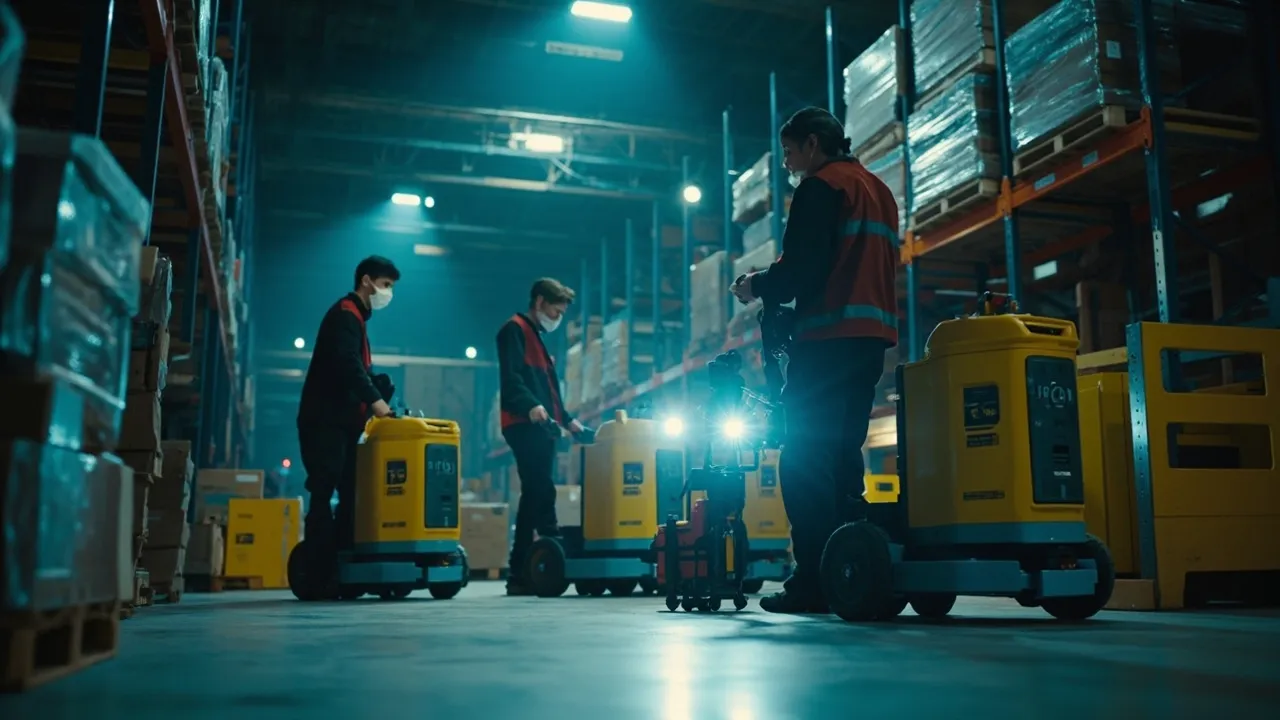
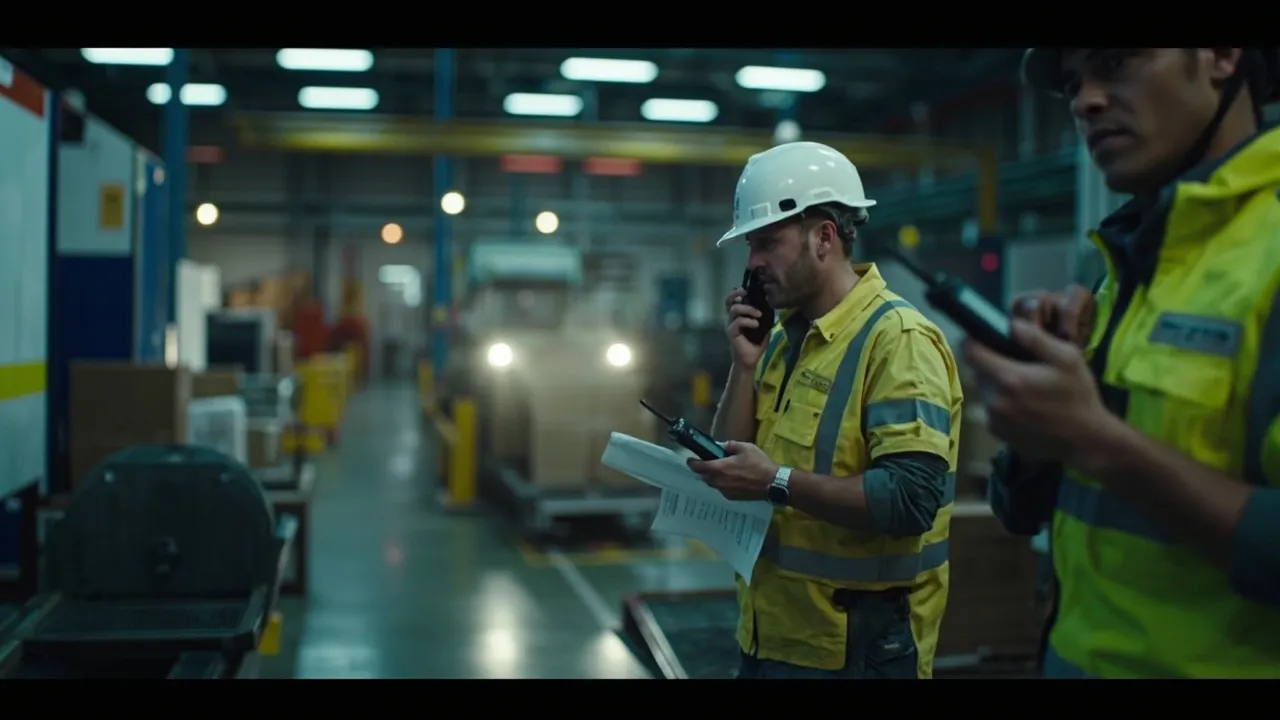
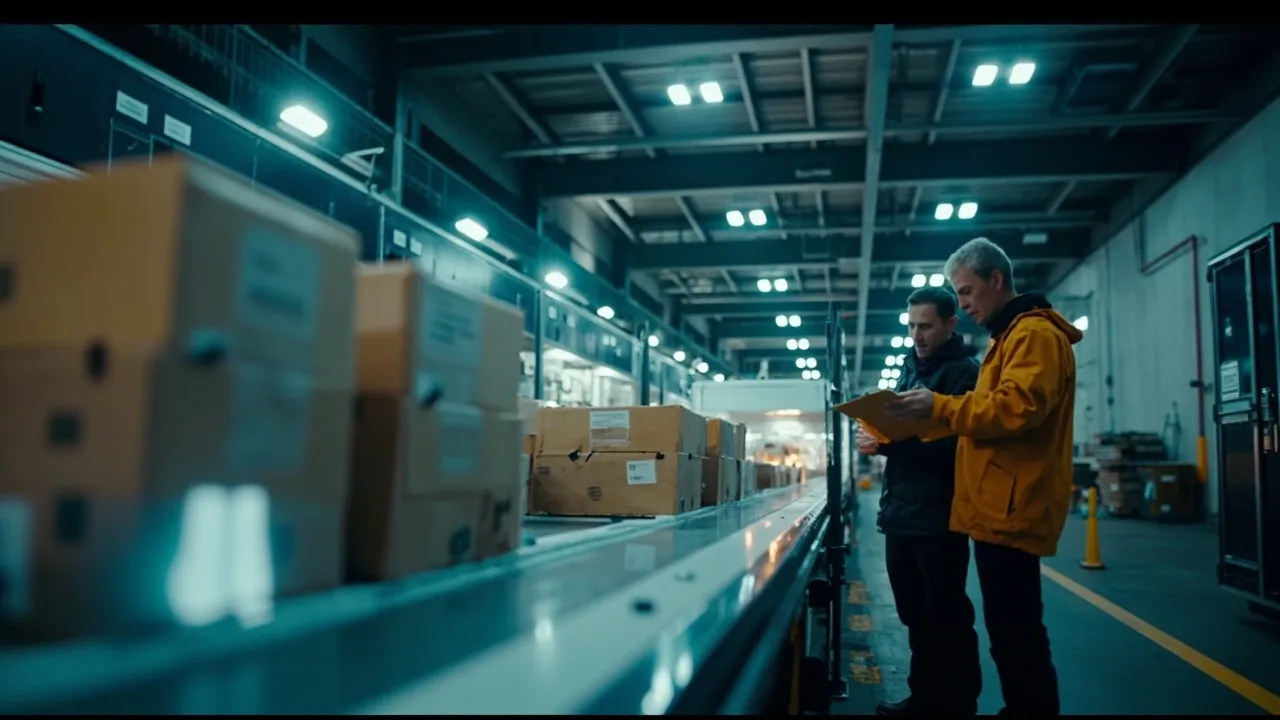
For years, enterprise software delivered dashboards, analytics, and automated planning tools to supply chain executives and operations managers. Meanwhile, the workers who actually moved freight — pickers, receivers, loaders, equipment operators — were still running on clipboards, two-way radios, and paper tickets. The gap between what leadership could see and what was actually happening on the floor persisted.
That gap is now closing fast.
A $20 Billion Market Finds Its Footing
The global connected worker platform market, valued at USD 8.62 billion in 2025, is projected to reach USD 20.18 billion by 2030, growing at a compound annual growth rate of 18.5% according to MarketsandMarkets. ResearchandMarkets puts the 2024 valuation at USD 8.6 billion with a trajectory to USD 24.81 billion by 2030 at 19.1% CAGR. However you slice it, this market is accelerating hard.
What's driving it isn't the technology — it's the economics of warehouse labor.
Why the Frontline Was the Last Frontier
Supply chain digitization followed a predictable path: first the planning layer (ERP, TMS, WMS), then the execution layer (transportation management, yard management), and finally the data capture layer (barcode scanning, RFID). But the human in the loop — the worker walking the aisle, driving the forklift, or standing at the dock — remained poorly connected to the systems orchestrating their work.
The reasons were partly technical (wireless connectivity in metal buildings is hard), partly organizational (operations and IT often didn't speak the same language), and partly economic (the ROI of connecting a single worker seemed unclear when headcount was cheap and turnover was manageable).
None of those barriers have fully dissolved, but they've weakened enough to change behavior.
Labor shortages are structural now. Instawork's 2025 State of the Warehouse Industry found that labor shortages and workforce instability remain the most significant challenges facing logistics operations. High turnover — warehouse turnover routinely runs above 60% annually in the U.S. — means every new worker needs training, and training on paper-based systems doesn't scale.
Connectivity got cheaper. Private wireless networks, 5G small cells, and improved Wi-Fi infrastructure have made reliable connectivity inside distribution centers viable in ways it wasn't five years ago. A connected device that drops signal mid-pick is worse than no device at all.
The devices got good. Smart wearables — wrist-mounted scanners, voice-directed headsets, augmented reality glasses, ring scanners — have moved from novelty to耐用 (durable) industrial grade. Honeywell, Zebra, and Samsung now sell devices rated for freezer environments, dust, and drop cycles that would destroy consumer hardware.
What Connected Worker Platforms Actually Do
The term "connected worker" covers a range of technologies, but in logistics the practical applications cluster around a few core capabilities:
Voice-directed picking and putaway. Workers receive audible instructions through a headset and confirm actions by voice. No paper ticket, no handheld scanner to fumble with. Raymond West research indicates voice picking can improve accuracy rates to 99.9% while increasing productivity by up to 35%. That's not marginal improvement — that's a step-change in labor efficiency.
Real-time task orchestration. Rather than receiving a pick list at the start of a shift, workers get dynamically assigned tasks as conditions change: a rush order comes in, a forklift goes down, inboundreceiving needs rebalancing. The platform coordinates who does what and when.
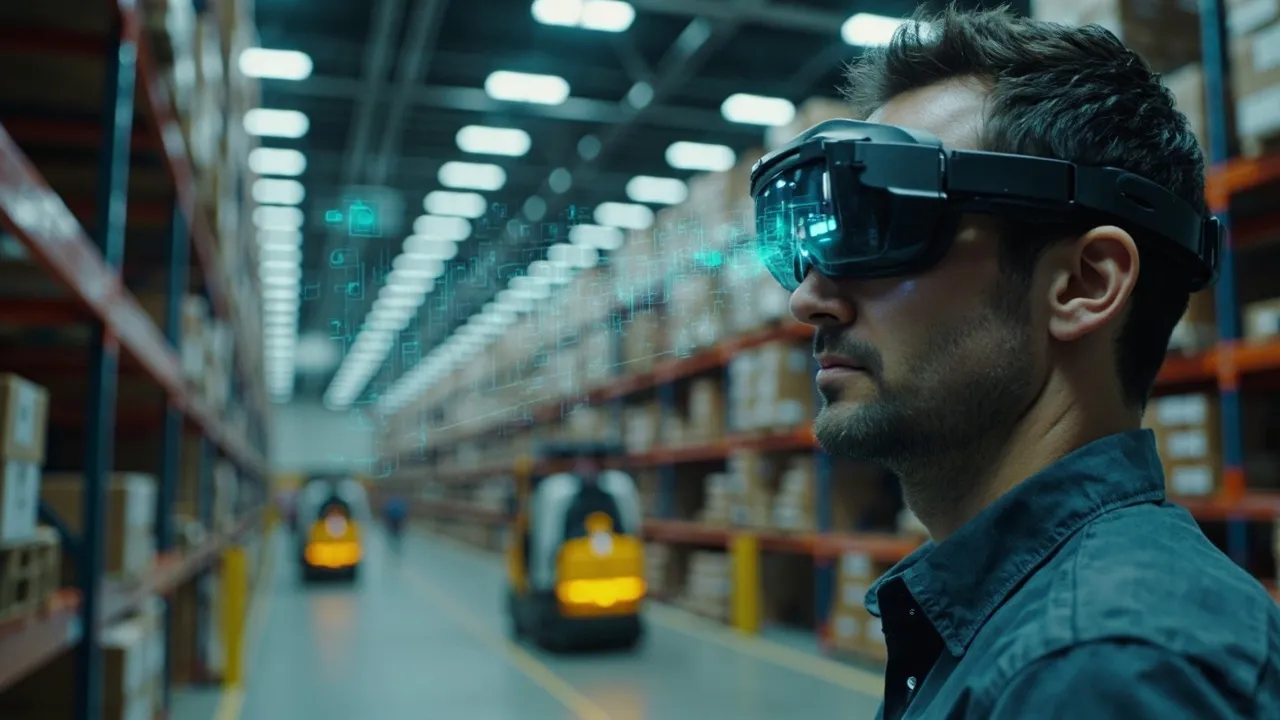
Guided workflows with AR overlays. Augmented reality glasses can highlight the exact bin location for a pick, overlay routing instructions on the physical aisle, or show a new employee how to operate equipment without a supervisor standing next to them.
Safety monitoring and compliance. Wearables can detect falls, monitor proximity to moving equipment, alert workers to hazardous conditions, and log exposure data for OSHA compliance. COVID-era attention to worker health has broadened into continuous safety monitoring.
Equipment diagnostics. Connected devices on forklifts and conveyor systems stream telemetry — battery state, usage hours, maintenance intervals — to maintenance teams before a breakdown halts operations.
The Numbers Behind the Adoption
The productivity data is becoming hard to argue with. Facilities deploying full-stack connected worker platforms report:
- 25-40% reduction in task execution time — workers spend less time navigating and more time picking
- 35% reduction in error rates — wrong item, wrong location, wrong quantity all drop when the system guides each step
- Voice picking accuracy rates reaching 99.9% — eliminating mispicks eliminates the downstream cost of returns, re-shipments, and customer complaints
On the deployment side, over 450,000 logistics robots were sold globally in 2025 alone, and roughly 4.69 million commercial warehouse robots are expected to be installed worldwide by the end of 2026. But robots handle the automation layer. Connected worker platforms handle everything that still requires human judgment — which is most of it.
Why TMS Integration Is the Hidden Lever
Here's the piece that often gets missed in connected worker conversations: the real value isn't the device. It's the data flowing between the device and the systems that actually plan the work.
A voice-directed picking system is impressive on its own. A voice-directed picking system that's dynamically updated by a TMS that just received a revised delivery schedule from a customer — that's an operational capability. The connected worker platform becomes an execution layer sitting under a TMS that provides the intelligence.
CXTMS is built to serve as that intelligence layer — translating plan changes into real-time task assignments that flow to the frontline through whatever device or platform the operation uses. The worker doesn't need to know the plan changed; they just get the next right task.
The Integration Problem Remains
PwC's 2025 Digital Trends in Operations Survey found that integration with existing systems — ranked among the top three challenges by 42% of respondents — is the primary friction point for digital adoption in supply chain operations. Data availability and quality issues affected 37% of respondents.
Put another way: the devices work. Getting them to talk to your WMS, TMS, and ERP without custom development is still hard. Most connected worker platform vendors lead with the device and the use case; the integration layer is treated as a later problem.
For logistics operators evaluating platforms, the right question isn't "does this device work?" It's "does this platform integrate cleanly with our existing stack and can we get data out of it in a form our TMS can use?"
What This Means for Freight Operators
Connected worker platforms are no longer experimental. They're moving from pilot to production across large logistics operations. The market data confirms the trajectory, and the productivity results at early-adopting facilities are consistent enough to remove most of the "does this actually work?" skepticism.
For freight operators and 3PLs, the competitive implication is straightforward: facilities running connected worker platforms can execute more picks per labor hour at higher accuracy than facilities running paper-based systems. That translates directly to cost per order and on-time fulfillment rates — the two metrics that drive customer retention in contract logistics.
The question isn't whether to connect the frontline. It's which platform to choose and how to integrate it with the systems that already plan the work.
Ready to see how CXTMS connects your planning layer to the floor? Request a demo and see how modern TMS platforms are built to orchestrate the entire operation — from customer order to task assignment to carrier execution.