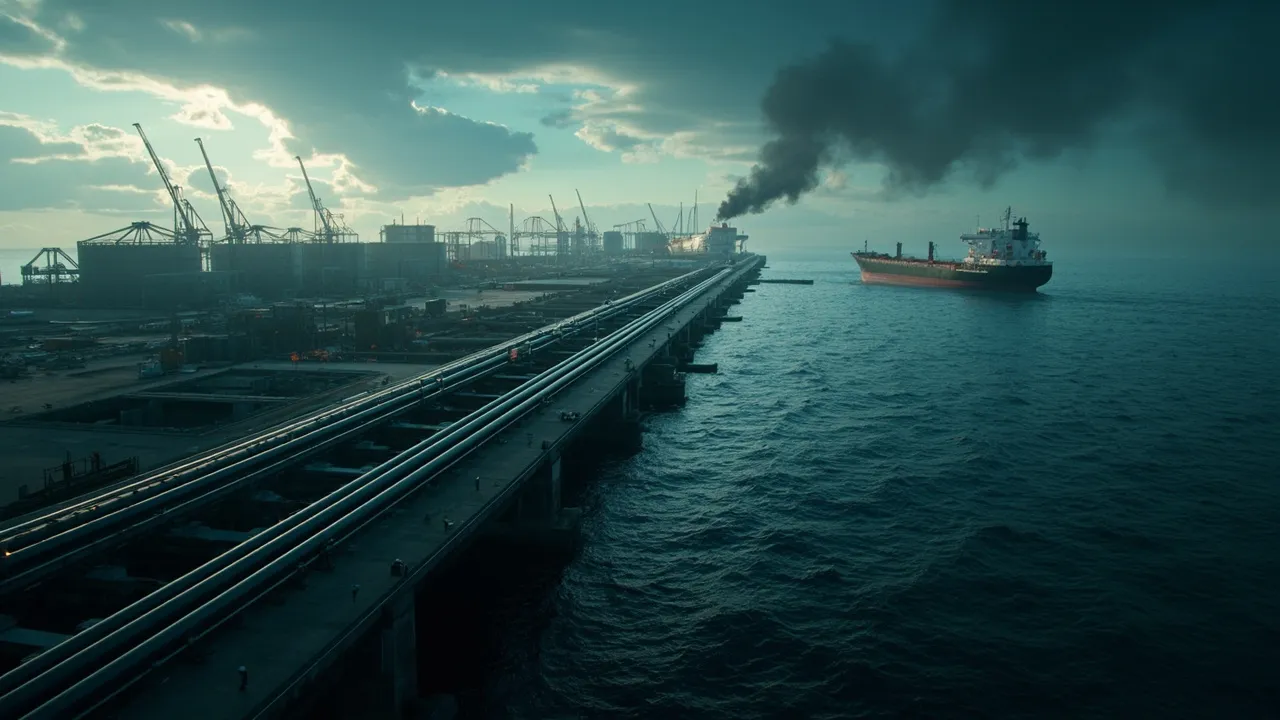
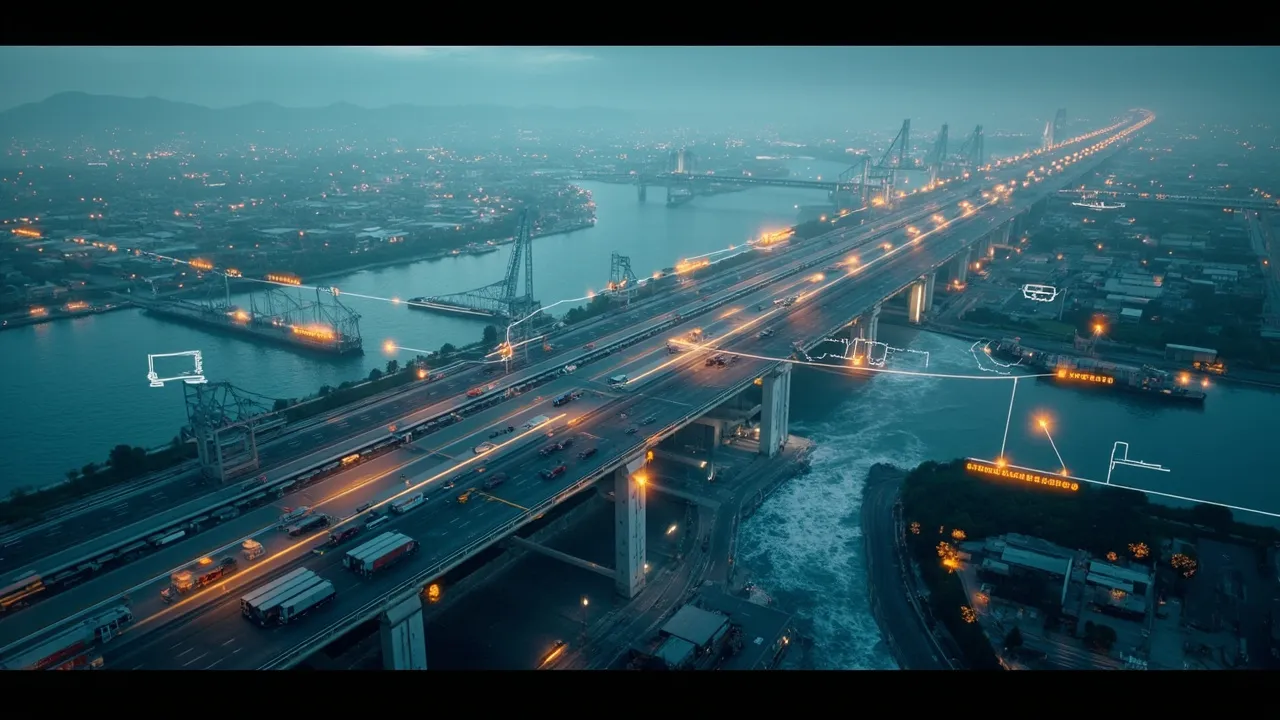
A $200M Supply Chain Efficiency Fund Shows Maritime Modernization Is Becoming Investable Again

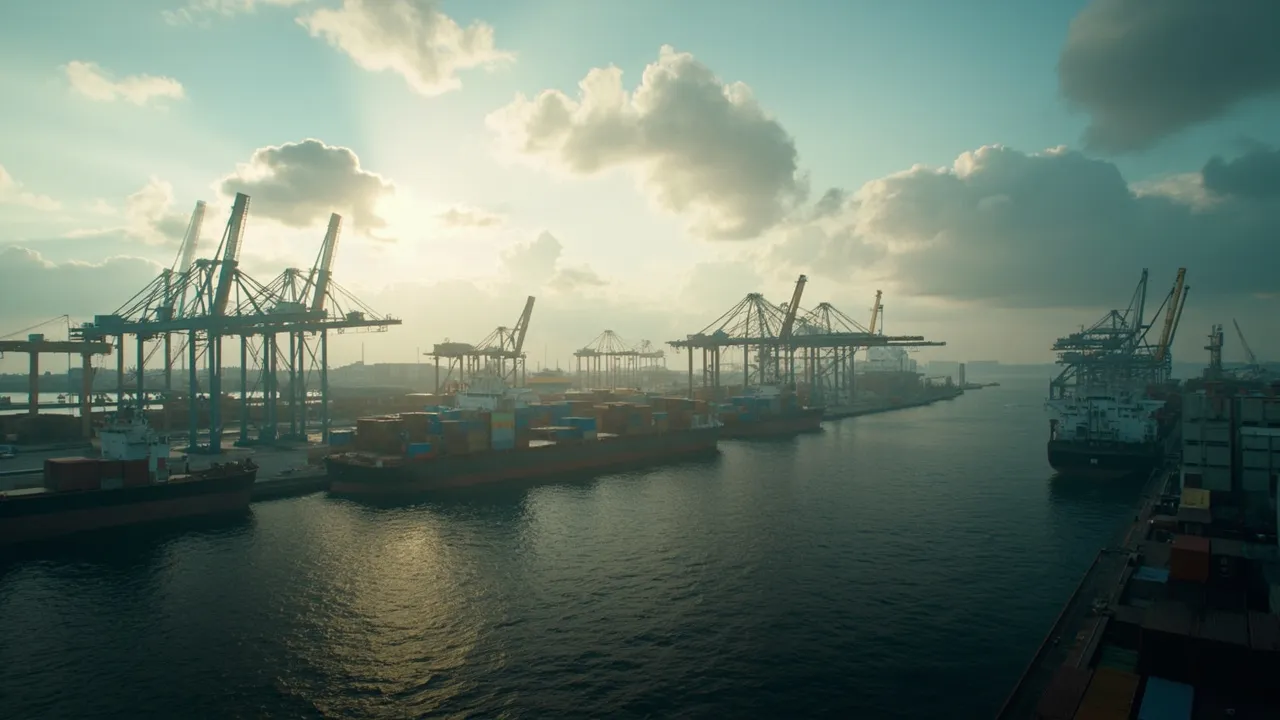
A new $200 million venture fund aimed at U.S. supply chain efficiency is not just another logistics-tech headline. It is a signal that maritime modernization is becoming investable again.
According to SupplyChainBrain, warehouse real estate giant Prologis and the American Bureau of Shipping are anchoring a $200 million venture-capital fund focused on growth and efficiency in U.S. maritime and logistics. The fund is expected to target commercial and dual-use technologies in automation, robotics, artificial intelligence, transportation, and the maritime industrial base. It may also pursue energy and clean-fuels investments, including battery-electric, ammonia-powered, and nuclear-powered vessel concepts.
That mix matters. For years, supply chain investment leaned heavily toward software that sat above the physical network: visibility dashboards, procurement tools, forecasting models, and optimization layers. Those tools still matter, but the next bottleneck is increasingly physical. Ports need higher throughput. Shipyards need more capacity. Domestic freight corridors need resilience. Ocean carriers, forwarders, and shippers need better execution data from assets that were not designed for real-time coordination.
Investors are noticing because the constraint has moved from screens to steel.
Why private capital is circling maritime infrastructure
Maritime logistics has always been capital-intensive, slow-moving, and operationally messy. That is exactly why it was easy for venture investors to prefer asset-light software. But the strategic picture has changed.
The fund described by SupplyChainBrain sits in the same policy climate as broader U.S. efforts to improve competitiveness against China in logistics-related industries, including shipbuilding and warehouse robotics. It also aligns with a growing public-sector focus on cargo security, U.S.-flag vessel capacity, and chokepoint exposure. In a separate SupplyChainBrain report, Federal Maritime Commission Chair Laura DiBella pointed to a U.S. Maritime Action Plan intended to expand shipbuilding infrastructure, strengthen the U.S.-flagged commercial fleet, and reduce reliance on foreign-controlled shipping networks.
That is a very different investment thesis from “build a better dashboard.” It says the country needs more capable logistics infrastructure, and technology will be valuable when it improves the performance of ports, vessels, yards, terminals, corridors, and industrial supply chains.
For shippers, the implication is straightforward: maritime modernization is no longer only a carrier or government issue. It will affect freight options, transit reliability, compliance exposure, and procurement strategy.
The infrastructure bill context is freight-heavy
Public investment is moving in the same direction. Logistics Management reported that the House Transportation and Infrastructure Committee approved the BUILD America 250 Act, a five-year surface transportation reauthorization bill that emphasizes moving people, goods, and freight safely and efficiently. The legislation includes freight-focused initiatives such as nationally significant multimodal freight and highway projects, bridge programs, railway-highway grade crossings, the National Highway Freight and High Priority Corridor Program, TIFIA reauthorization, and a study on a federal infrastructure bank.
The economic drag is not theoretical. In the same report, the National Association of Manufacturers said highway congestion and bottlenecked ports cost manufacturers nearly $40 billion annually, while freight delays drain 65 million hours of efficiency each year. The American Trucking Associations cited record-high congestion costing the broader economy more than $109 billion.
Those numbers explain why private capital is willing to look past the slow sales cycles and heavy assets. If congestion, port friction, and corridor unreliability are costing manufacturers and consumers tens of billions of dollars, there is a serious business case for technologies that remove dwell time, automate handoffs, improve berth and yard planning, or make capacity easier to deploy.
What shippers should watch first
A $200 million fund will not transform the maritime network by itself. But it can point to where modernization money is likely to flow. Shippers and freight forwarders should pay attention to four areas.
Port productivity. Automation, robotics, AI-assisted planning, appointment systems, gate flow tools, and yard visibility all have value if they reduce container dwell and truck turn time. The useful question is not whether a port has “AI.” It is whether cargo moves through the terminal with fewer blind spots and fewer manual reconciliations.
Domestic maritime capacity. Policy attention around U.S.-flag vessels and shipbuilding could gradually reshape coastal shipping, project cargo, defense-adjacent freight, and industrial supply chains. Any increase in domestic maritime options would affect network design, especially for heavy, oversized, or port-adjacent freight.
Procurement data. Infrastructure modernization is only useful to shippers if it turns into better commercial decisions. Forwarders need clean lane data, accessorial visibility, equipment availability, carrier performance history, and exception records. Otherwise, new capacity still gets bought with old spreadsheets.
Corridor resilience. Maritime risk is no longer limited to ocean schedules. The FMC’s recent focus on cargo protection, flags of convenience, foreign port restrictions, and chokepoints such as the Strait of Hormuz shows how geopolitical pressure can quickly become a transportation planning issue. Shippers should model ports, inland ramps, carriers, and modes as connected corridors rather than isolated procurement categories.
Modernization will expose weak execution layers
Here is the uncomfortable part: better infrastructure will not automatically produce better logistics performance for companies that cannot operationalize it.
If a shipper has fragmented carrier data, manual tendering, disconnected customs milestones, and email-based exception handling, a more modern port only solves part of the problem. The freight may leave the terminal faster, but the business still needs to decide which loads move first, which carrier gets the freight, which customer is affected, which documents are missing, and which cost changes should be approved.
That is where transportation management becomes the connective tissue. Maritime modernization creates more signals: vessel milestones, terminal events, equipment status, appointment windows, security flags, emissions data, and corridor disruption alerts. A TMS has to turn those signals into actions.
For freight forwarders, that means building operating workflows around visibility, not just watching dots move on a map. Teams need to capture exceptions, compare route options, manage carrier communication, preserve document trails, and measure whether service improved after a new corridor or provider entered the network.
Investment is not resilience unless operations change
The $200 million fund is important because it shows that maritime and physical logistics infrastructure are attracting serious capital again. But shippers should avoid treating investment headlines as automatic resilience.
A new fund can finance better tools. A transportation bill can prioritize freight corridors. A maritime action plan can encourage shipbuilding and fleet capacity. None automatically fixes poor procurement discipline, weak milestone capture, or fragmented exception management.
The companies that benefit most will know which lanes are strategically exposed, which ports create delay, which carriers perform under pressure, and which customers require protected service when a corridor gets tight.
CXTMS helps freight forwarders and logistics teams turn maritime modernization into executable transportation control: shipment visibility, carrier workflows, document management, exception handling, procurement data, and corridor performance tracking in one platform. If your ocean and inland freight decisions are still split across inboxes, spreadsheets, and disconnected portals, schedule a CXTMS demo and see how a stronger execution layer turns infrastructure investment into better freight outcomes.