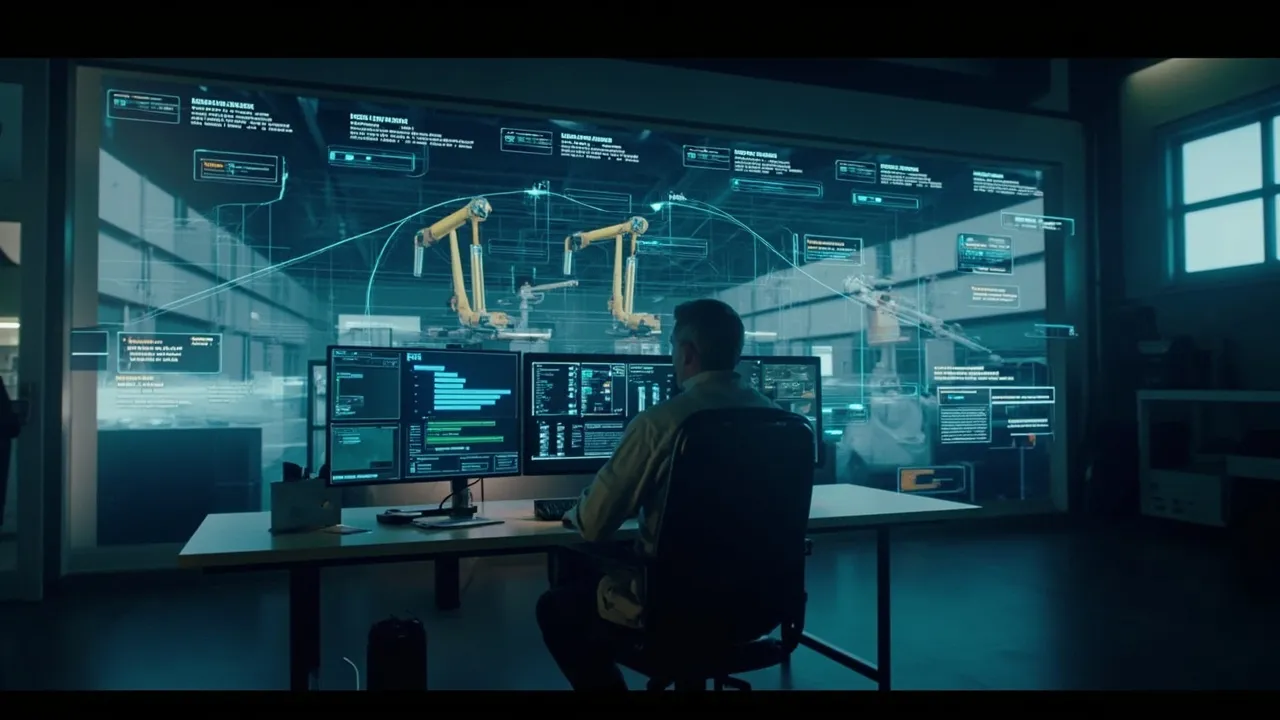
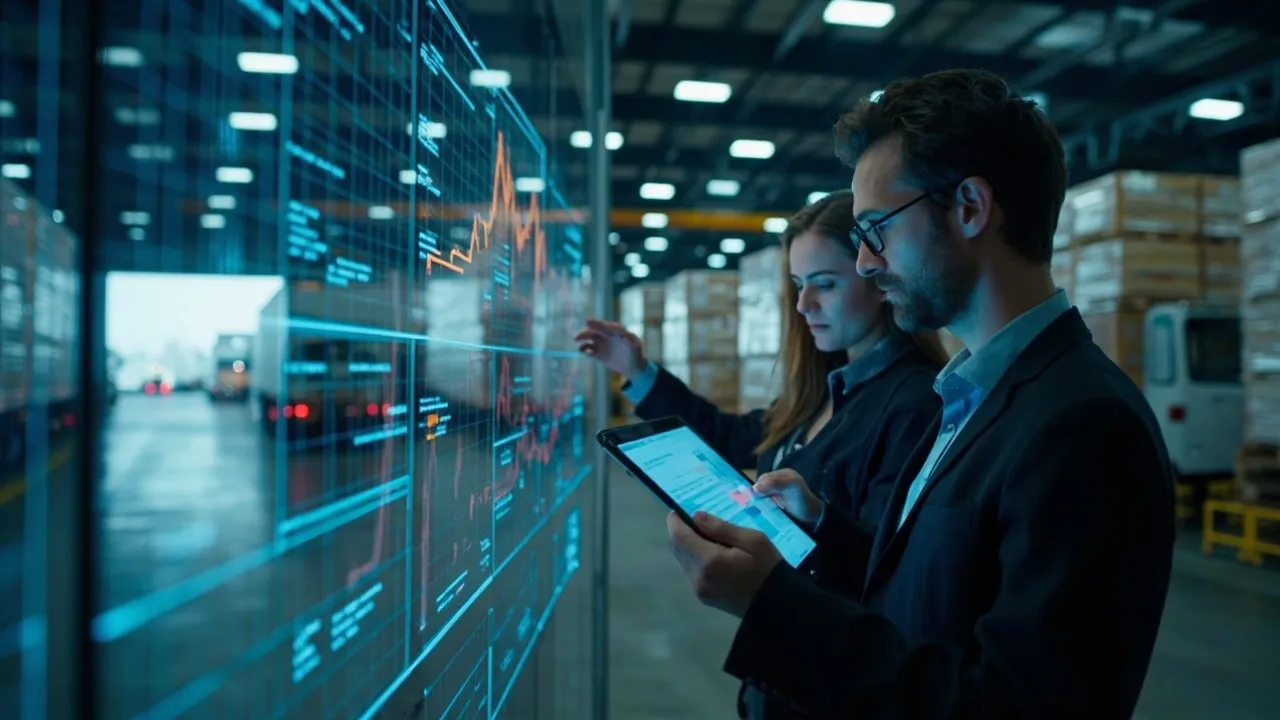
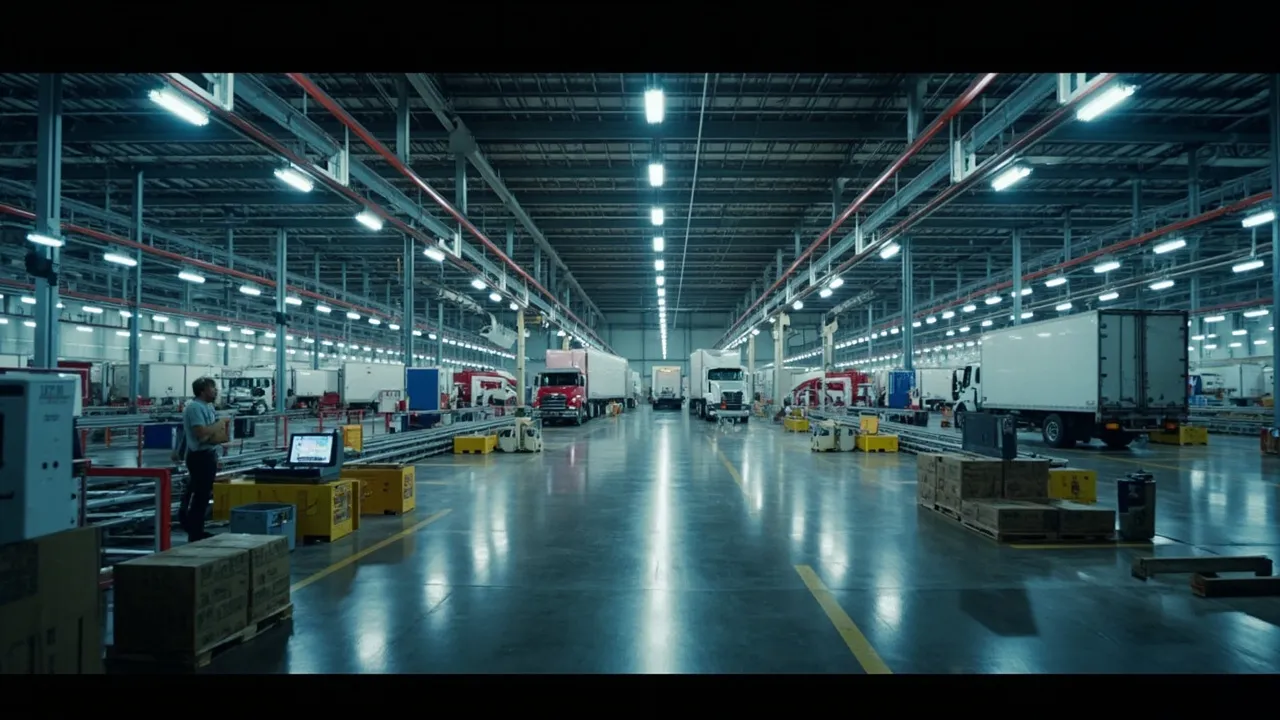
XPO's Real-Time AI Feedback for Loaded Trailers: How Computer Vision Is Solving the $2.3 Billion Freight Damage Problem

Freight damage costs U.S. shippers billions of dollars every year. Crushed pallets, shifted loads, and improperly braced cargo create a cascade of claims, re-deliveries, and destroyed customer relationships. But what if a camera and an AI model could catch the problem before the trailer door closes?
That's exactly what XPO is now doing across its LTL network — and it signals a turning point for how the entire industry thinks about load quality.
XPO Deploys AI-Powered Trailer Diagnostics Across All Service Centers
At the SMC³ Jump Start conference in Atlanta earlier this year, XPO VP of Technology Erin Goheen revealed that the carrier is piloting an AI model that provides real-time feedback on loaded trailers across all of its service centers.
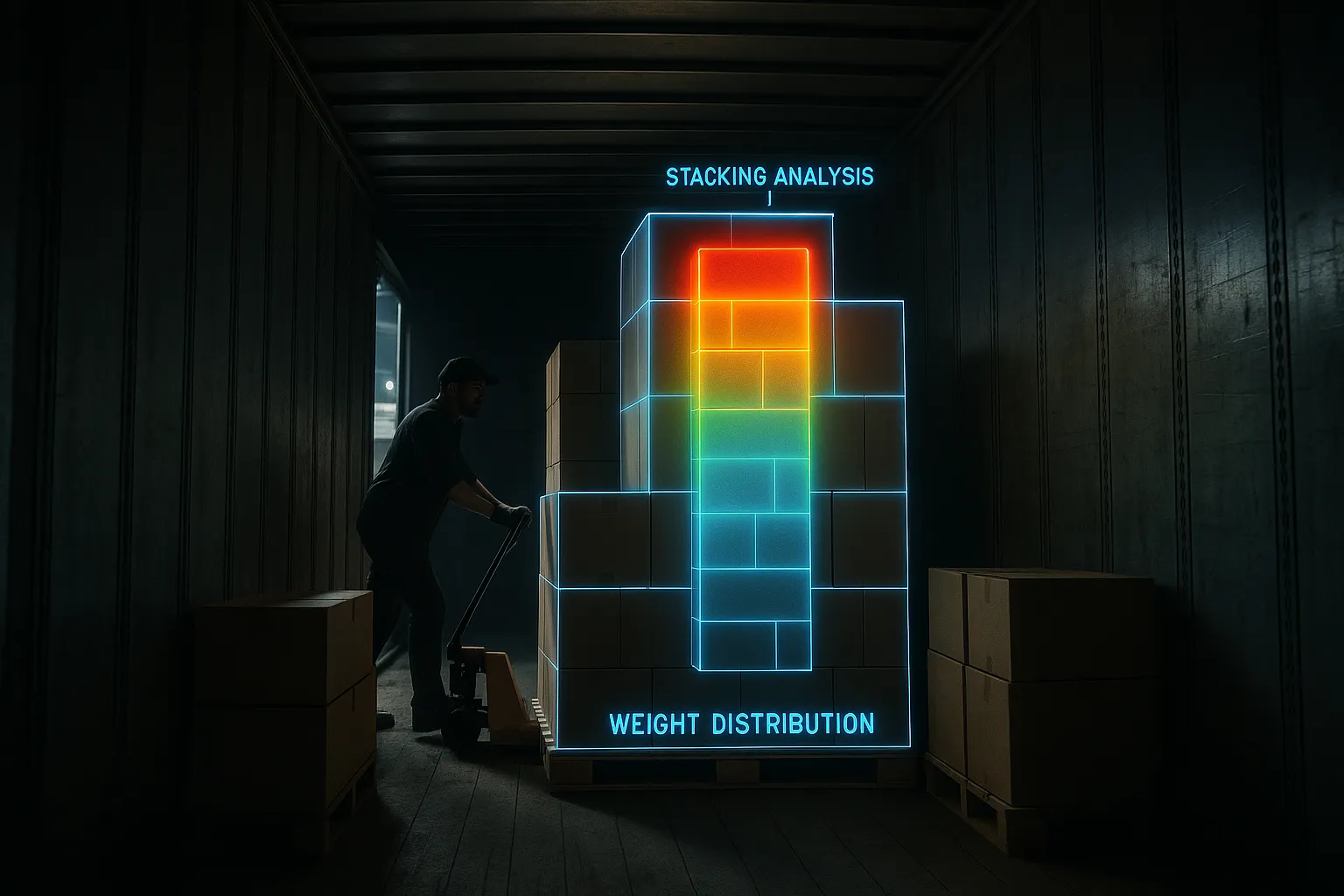
The concept builds on an existing practice: for several years, XPO dockworkers have used company-issued handheld devices to photograph every loaded trailer before closing the door. Now, an AI model trained on XPO's massive photo archive analyzes those images instantly, flagging whether freight is properly secured, whether stacking patterns meet safety standards, and whether the trailer can be safely closed.
"The AI model builds on that process and is currently being piloted across all our service centers," XPO confirmed. What previously would have taken six months to develop was completed in weeks thanks to modern AI tooling.
As Goheen noted, even a 1% to 2% efficiency gain "can translate to tens of millions if not hundreds of millions of dollars of cost savings" across XPO's scale of operations.
The Freight Damage Problem: A Multi-Billion Dollar Industry Drain
Freight damage is one of the most persistent and costly problems in LTL shipping. Industry estimates consistently place annual freight damage and loss claims in the range of $2 billion to $3 billion across the U.S. logistics sector. The typical LTL carrier operates with a claims ratio between 0.4% and 1.2% of revenue — numbers that sound small until you realize that XPO alone generates over $8 billion in annual revenue.
But the direct claims cost is just the tip of the iceberg. For every dollar paid in freight claims, shippers absorb additional costs in:
- Re-delivery and replacement shipping — often 2x to 3x the original shipment cost
- Production delays when damaged components can't be used
- Customer churn — a single damaged shipment can end a business relationship
- Administrative overhead from claims processing, documentation, and disputes
When you factor in these hidden costs, the true economic impact of freight damage easily exceeds the headline claims figures.
How Computer Vision Changes the Loading Dock
XPO's approach represents a fundamental shift from reactive to proactive damage prevention. Traditional quality control relies on post-delivery inspections and after-the-fact claims — by then, the damage is done. Computer vision at the loading dock intervenes at the point of origin.
Here's what AI-powered load analysis can detect in real time:
- Improper stacking — heavy items placed on top of lighter, crushable freight
- Inadequate bracing — gaps between pallets that allow lateral shifting during transit
- Weight distribution issues — uneven loading that creates safety risks and accelerates wear
- Door clearance problems — freight positioned too close to trailer doors, risking damage on opening
- Missing securement — load bars, straps, or dunnage not properly deployed
DHL has similarly invested in computer vision across its logistics operations, using camera-based heatmaps to identify bottlenecks and inefficiencies in warehouses and yards. The broader trend is clear: cameras paired with AI are becoming the quality control layer that human inspection alone cannot consistently deliver across thousands of daily loading operations.
Who Else Is Deploying Loading AI?
XPO isn't alone. The LTL sector is in an arms race to deploy technology that reduces damage while improving dock productivity:
- Old Dominion Freight Line has invested heavily in dock technology and consistently maintains one of the lowest claims ratios in the industry — often below 0.3% of revenue.
- ABF Freight and Schneider are leveraging AI and technology at their terminal operations to optimize routing around congestion and improve operational efficiency.
- Saia has expanded its terminal network aggressively and is investing in technology to maintain quality as volume grows.
The competitive advantage is straightforward: carriers that can demonstrate lower damage rates win more shipper business. In a soft freight market where volume is hard to come by, service quality becomes the differentiator.
The ROI Case for AI-Powered Load Quality
The economics of computer vision for freight damage prevention are compelling:
| Metric | Before AI | With AI Load Analysis |
|---|---|---|
| Claims ratio (% of revenue) | 0.6% – 1.2% | Target: 0.3% – 0.5% |
| Average claim processing time | 30 – 45 days | Reduced with photo evidence |
| Re-delivery rate | 2% – 4% of shipments | Potential 50%+ reduction |
| Customer retention impact | Reactive recovery | Proactive prevention |
For a carrier processing millions of shipments annually, cutting the claims ratio by even half a percentage point translates to tens of millions in savings — not counting the customer retention benefits and reduced administrative burden.
What This Means for Shippers
If you're a shipper selecting LTL carriers, AI-powered load quality should be on your evaluation checklist. Here's what to ask:
- Does the carrier use computer vision or AI at the dock? Not all technology investments are equal — real-time intervention beats post-hoc analysis.
- What is their claims ratio trend? Look for carriers actively reducing damage rates year over year.
- Can they provide photo documentation? Carriers like XPO that photograph every load create an evidence trail that simplifies claims when they do occur.
- How fast do they resolve claims? AI-generated photo evidence should accelerate the process.
How CXTMS Helps You Choose Carriers That Protect Your Freight
At CXTMS, we believe that carrier selection should be driven by data — not just rates. Our platform integrates carrier performance metrics including damage rates, claims history, and service quality scores into every routing decision.
When you're evaluating LTL options through CXTMS, you can:
- Filter carriers by damage performance to prioritize those investing in load quality technology
- Automate damage risk scoring based on commodity type, lane history, and carrier track record
- Track claims in real time with integrated documentation and photo evidence workflows
- Compare total cost of shipping — including the hidden costs of damage — not just the line-haul rate
The carriers investing in AI-powered quality control today are the ones that will deliver the best total value tomorrow. CXTMS helps you find them.
Ready to ship smarter and reduce freight damage? Request a CXTMS demo today and see how data-driven carrier selection protects your bottom line.