UNFI Consolidates Midwest Distribution: Sequence the Warehouse Cutover Before Automation

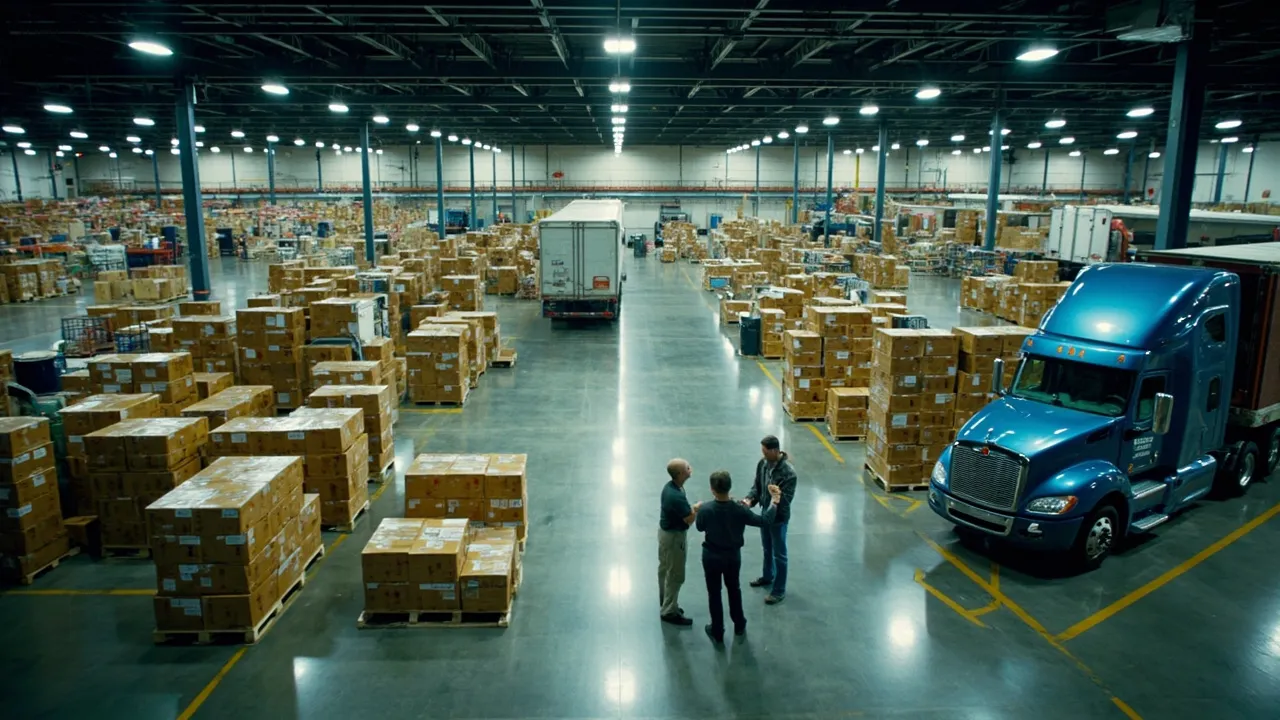
Warehouse consolidation and automation can produce the same dangerous illusion: because the destination facility has more capability, the transition will naturally improve service. In practice, moving volume and commissioning technology at the same time compounds risk.
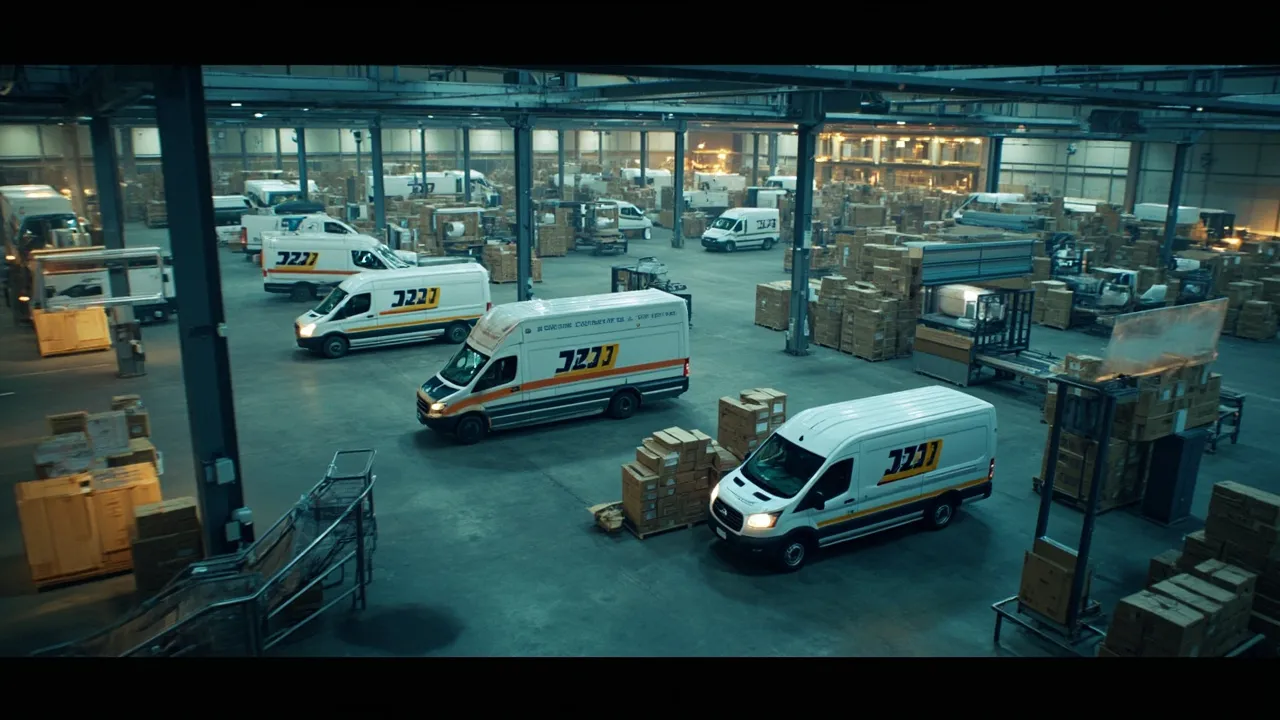
United Natural Foods, Inc. offers a timely example. The grocery wholesaler moved operations from its Racine, Wisconsin, distribution center to nearby Joliet, Illinois, in June. The Joliet site is in the early stages of implementing full-case automation. As Supply Chain Dive reported, UNFI President and COO Giorgio Tarditi expects operating efficiencies but also warned of “a little bit of growing pains.”
The transition sits inside a much broader operating change. UNFI finished the initial rollout of lean daily management at 44 distribution centers by August 1 and completed deployment of its AI-powered supply chain and procurement planning platform across the network. It also plans $300 million in fiscal 2027 capital spending, including automation, ERP, and other technology initiatives.
Those are meaningful investments. Their value, however, depends on a disciplined cutover that protects customers while the new operating model stabilizes.
Treat consolidation as four linked migrations
A warehouse cutover is not one move. It is four migrations with different risks and acceptance tests.
Inventory migration determines which stock moves, in what sequence, and with what remaining shelf life. Grocery distribution makes this especially unforgiving: lot control, temperature requirements, expiration dates, and product substitution rules must survive every transfer.
Customer reassignment changes the facility responsible for each order. Customers need validated order cutoffs, item availability, delivery calendars, and exception contacts before their first shipment leaves the new site.
Carrier routing changes origins, appointment patterns, stem miles, backhaul opportunities, and driver hours. A nearby destination is not operationally identical if congestion, dock schedules, or route geometry change.
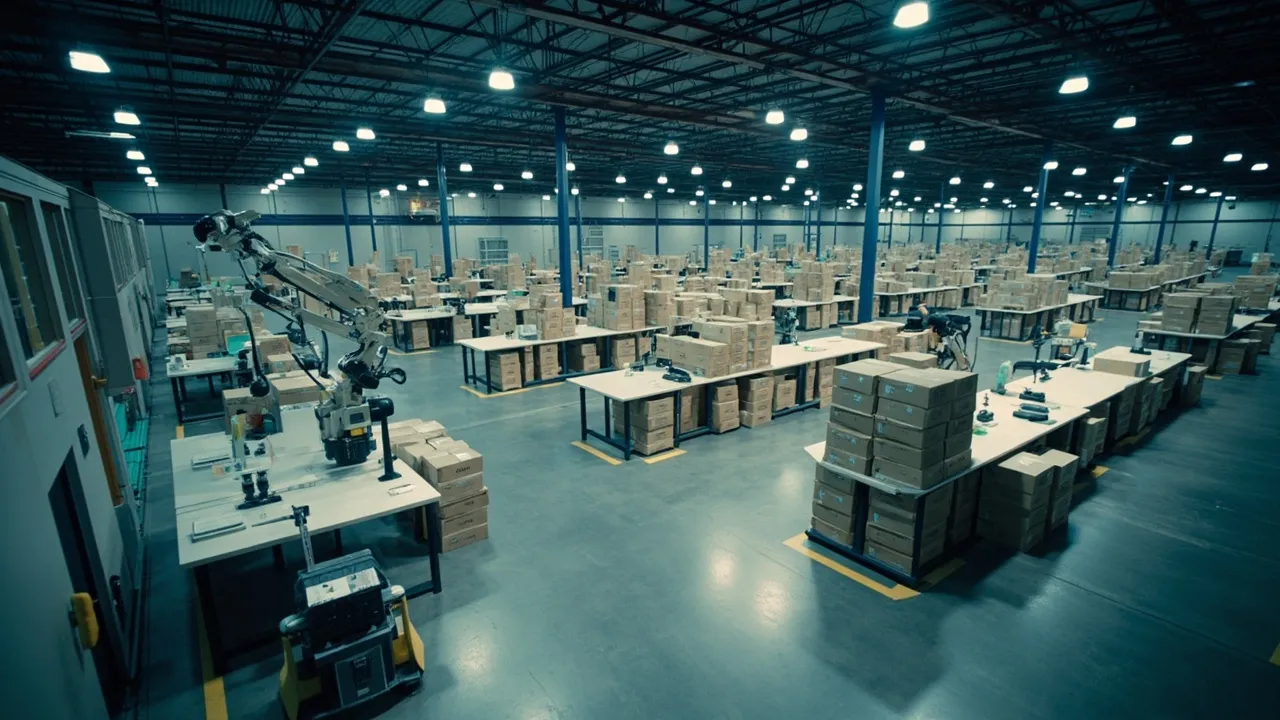
Automation commissioning changes storage logic, replenishment, picking, sequencing, and recovery procedures. It should be treated as a controlled production launch—not assumed to be ready because equipment has been installed.
Give each migration its own owner and readiness gate. Then link them through one cutover control board. No customer or product family should advance merely because another workstream is on schedule.
Move through gated waves
Start with master data and low-risk volume. Validate item dimensions, case packs, lot attributes, storage constraints, customer calendars, routes, and carrier appointments before physical inventory moves. Bad master data becomes faster bad execution inside an automated system.
The first production wave should contain stable, high-velocity items and customers whose routes have recovery options. Avoid combining the hardest products, most demanding accounts, and newest automation processes in the same wave. Keep legacy capacity available until the destination proves it can receive, store, pick, load, and ship the transferred volume through multiple complete cycles.
UNFI’s planning deployment illustrates the scale of coordination involved. Earlier in 2026, the company expected to introduce its Relex inventory platform at roughly 12 distribution centers in one month and complete the network rollout by August 1. Supply Chain Dive noted that the system was intended to improve service, fill rates, inventory management, and free cash flow while complementing decentralized procurement.
During a cutover, planning outputs should be constrained by operational readiness. A forecast may recommend inventory at Joliet, but the release decision must also consider receiving capacity, automation availability, labor, transport schedules, and customer-wave status.
Define rollback before the first shipment
Teams rarely make good rollback decisions in the middle of a service crisis. Set thresholds and responses in advance.
- Service failure: Pause the next wave if fill rate, on-time dispatch, or customer delivery falls below the agreed floor for two consecutive cycles.
- Stock imbalance: Stop transfers when destination shortages coexist with stranded stock at the legacy site or when inventory accuracy breaches tolerance.
- Labor shortfall: Reduce the release rate when trained staffing cannot cover receiving, picking, loading, quality control, and recovery positions.
- Throughput miss: Hold volume if actual cases per hour, dock turns, or order completion consistently trails the ramp plan.
- Automation instability: Shift eligible work to a manual or conventional path when downtime, recirculation, or exception rates exceed limits.
A rollback does not always mean reversing the entire move. It can mean freezing the next customer wave, retaining a product family at the old facility, diverting replenishment, adding a temporary cross-dock, or restoring a manual process. The point is to preserve options until performance evidence justifies removing them.
Every trigger needs a named decision-maker, a response deadline, and a customer communication rule. Without those assignments, dashboards report deterioration while nobody has authority to slow the launch.
Test whether the savings survive the network
Facility savings are only one line in the consolidation business case. Track the full operating effect by wave and customer.
Start with warehouse labor, occupancy, utilities, maintenance, and automation productivity. Then subtract added transfer handling, inventory write-offs, temporary labor, launch-period expedites, detention, and premium transportation. Recalculate route miles, stop density, equipment utilization, driver hours, and backhaul value from the new origin.
Also measure the cost of service misses. Credits, substitutions, short shipments, rejected loads, and emergency replenishment can erase apparent warehouse efficiencies. A useful scorecard combines cost per case with fill rate, on-time delivery, inventory accuracy, order-cycle time, automation uptime, and expedite spend.
UNFI has reported four consecutive quarters of year-over-year improvement in order fill rates, on-time deliveries, and warehouse throughput alongside its lean rollout. Those measures are the right kind of guardrails for consolidation: they test whether efficiency is reaching the customer rather than remaining inside a facility budget.
Build one cutover record from forecast to delivery
The safest consolidation program connects planning, warehouse, transportation, and customer events. Each migrated customer and product family should have a readiness status, wave date, source and destination inventory, carrier plan, delivery outcome, and exception history.
CXTMS can provide the transportation layer for that shared record: new origin assignments, routing rules, appointments, tender responses, shipment milestones, delivery performance, and accessorial costs. When those events are tied to each cutover wave, operators can distinguish a warehouse constraint from a carrier problem and act before the next release compounds it.
Request a CXTMS demo to see how shipment execution, exception ownership, and lane-level cost can support a controlled distribution network cutover.