Toyota Automated Logistics Unifies Three Brands: Test the Warehouse Support Model Before Buying

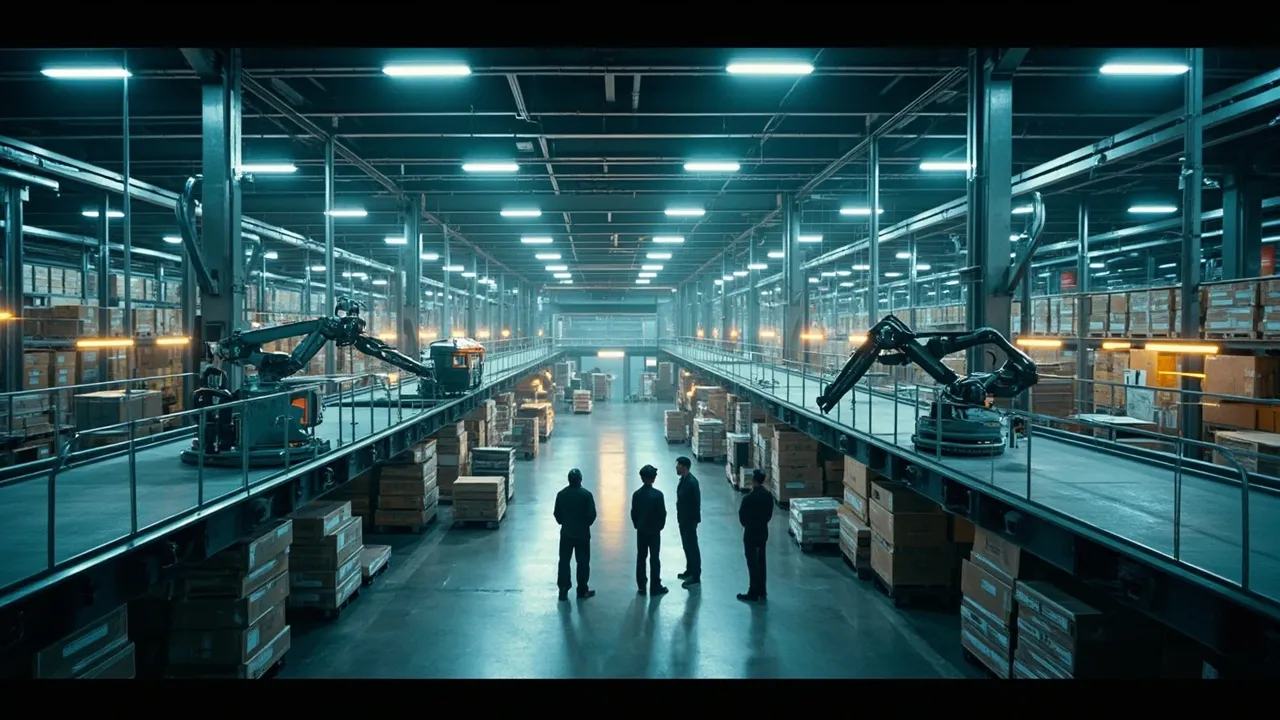
Toyota Automated Logistics (TAL) promises one connected warehouse automation offering built from three established businesses. For buyers, however, a unified logo is not yet proof of a unified support experience.
The important procurement question is operational: when a sorter stops, an interface fails, or a control release breaks compatibility, who owns the incident from first call through permanent correction? Before approving a multi-year automation investment, warehouse leaders should test that answer in contracts, acceptance scenarios, and service data.
One brand combines substantial capabilities
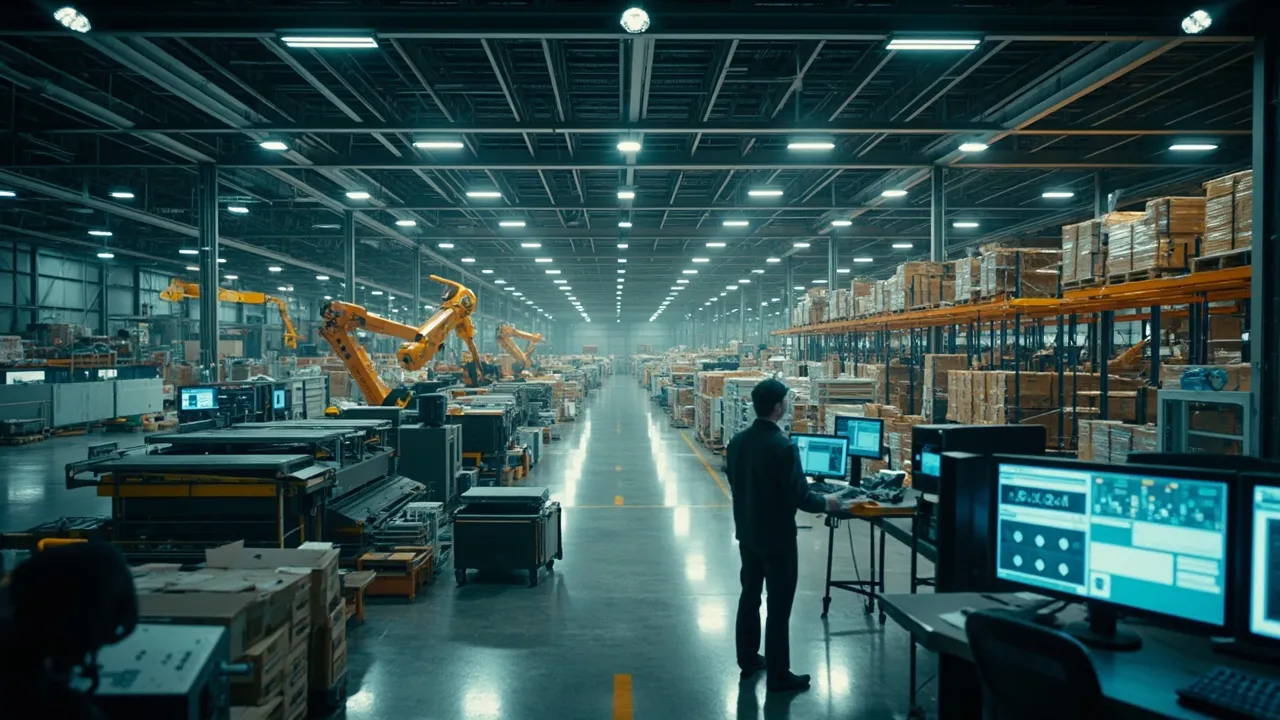
Modern Materials Handling reported that TAL formally launched April 1, 2026, uniting Bastian Solutions, Vanderlande's Warehousing business, and viastore. The structure has three chief executives: a central CEO, one for EMEA and APAC, and one for the Americas.
The combined organization brings genuine scale. TAL says the three companies represent 285 years of logistics experience, while viastore alone supports a network of more than 3,000 facilities across Europe. Its stated offer spans scalable systems, software, and lifecycle services.
That breadth is attractive because automated facilities rarely fail along neat product boundaries. A stalled order might originate in the WMS message, warehouse control logic, programmable controller, sensor, conveyor, or host network. A supplier capable of integrating the full stack can reduce handoffs—provided its commercial and service organization is integrated as thoroughly as its portfolio.
Demand makes service design a buying criterion
Automation is becoming too important for buyers to treat support as boilerplate. Modern Materials Handling's 2026 Automation Study, based on more than 120 purchasing participants, says organizations plan to spend an average of $1.6 million on materials handling equipment and solutions in 2026, up from $1.5 million in 2025.
The survey also found that 95% consider fast support response essential, compared with 83% a year earlier. Durability, reliability, and uptime were very important to 92%; parts availability and obsolescence risk mattered greatly to 74%. Integration compatibility rose to 68%, from 56% the previous year.
Those priorities fit the technology footprint. The same study found 57% of respondents use a WMS, 49% use a WCS, 43% use a TMS, and 38% use a WES. Each additional connection creates another ownership boundary. Brand consolidation may simplify those boundaries, but buyers must verify that it does so in practice.
Map ownership before evaluating the technology
Require TAL—or any consolidated automation provider—to produce a responsibility matrix for the proposed system. It should name one accountable party for five layers:
- Design: Who validates throughput assumptions, peak profiles, redundancy, safety, and future capacity?
- Controls and software: Who owns PLC code, WCS or WES logic, interfaces, cybersecurity patches, source-code access, and release management?
- Commissioning: Who leads site acceptance, resolves defects spanning subsystems, and authorizes production cutover?
- Spares: Who sets critical-spares levels, stocks regional inventory, identifies substitutes, and manages obsolescence?
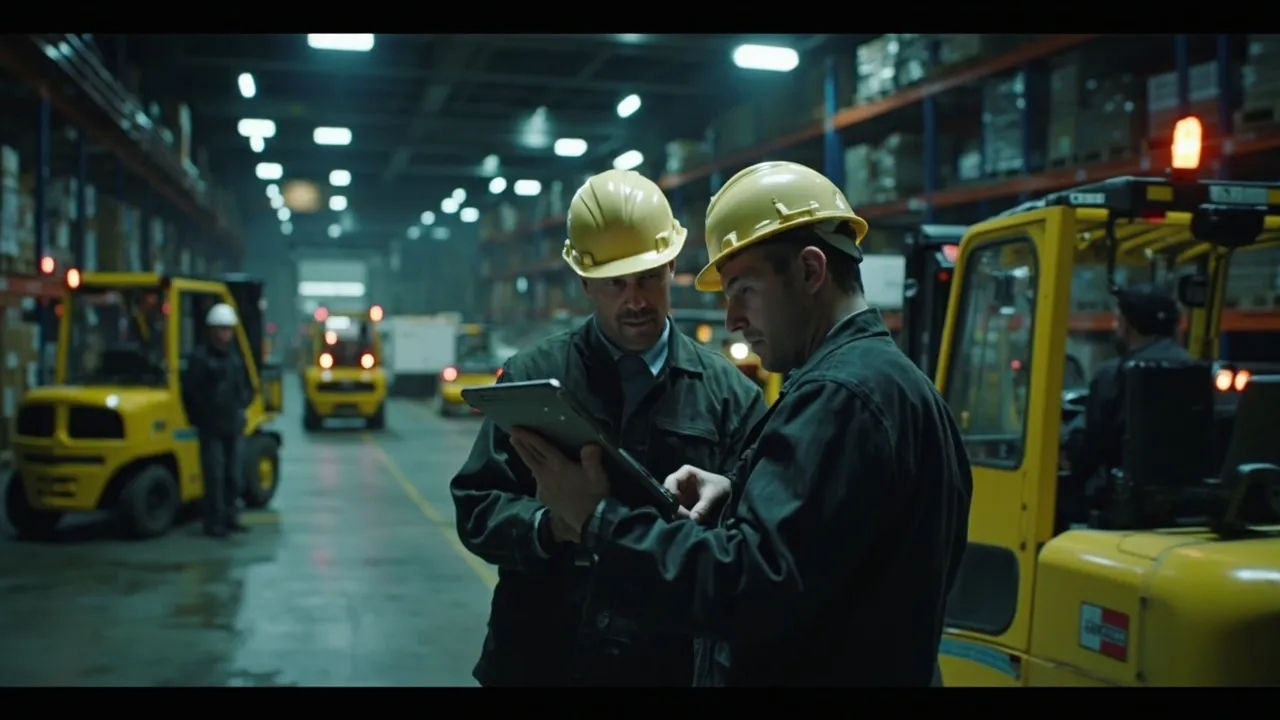
- Field support: Which legal entity receives the call, dispatches technicians, communicates status, and owns root-cause closure?
Ask for names, locations, escalation paths, and contractual obligations—not a general assurance that the organization will collaborate. Where legacy products remain involved, identify which former brand team retains specialist knowledge and how customers reach it after hours.
Test the support model during acceptance
Factory and site acceptance tests usually prove that equipment meets rate and accuracy targets. Extend them to prove the service operating model.
First, inject interface failures between the host WMS, execution software, and controls. Verify that alarms identify the failing layer, diagnostic logs share consistent timestamps, and the support desk assigns a single incident owner. Measure time to acknowledgment, technical engagement, workaround, and restoration.
Second, simulate a severity-one event outside local business hours. Route it through the published number rather than calling the project manager. Confirm that regional teams can access drawings, software versions, maintenance history, and remote diagnostics without asking the customer to reconstruct the project.
Third, test recovery rather than only failure detection. Restore queued work without duplicate shipments, lost inventory moves, or sequence corruption. Make the vendor demonstrate rollback after an unsuccessful software release and reconcile transactions with both WMS and TMS records.
Finally, stage a scarce-part scenario. The provider should identify inventory location, shipping cutoff, expected arrival, approved substitute, and installation resource. A response-time promise is hollow if the required component is unavailable.
Score lifecycle support with evidence
Use a weighted scorecard so a polished demonstration cannot overshadow operating risk. A practical model assigns 30% to response and restoration performance, 25% to parts availability, 20% to software and upgrade compatibility, 15% to regional field coverage, and 10% to governance and reporting.
For response performance, request severity-specific service levels plus the supplier's actual median and 95th-percentile results. For parts, score fill rate, stocking distance, obsolescence notice, and guaranteed support life. For upgrades, require a compatibility matrix covering every controller, interface, operating system, and warehouse application.
Regional coverage should distinguish employees from subcontractors and remote help from qualified on-site technicians. Governance should include one service manager, monthly performance reviews, shared incident records, root-cause deadlines, and service credits for repeated misses.
Make finalists substantiate claims with anonymized tickets, parts-fill reports, reference sites, and an escalation drill. Then place the scorecard, responsibility matrix, and tested procedures in the contract. The strongest outcome of consolidation is fewer seams for the customer; the contract must prevent organizational seams from reappearing during an outage.
Connect warehouse reliability to transportation execution
Warehouse automation performance affects appointment readiness, dock flow, carrier detention, and promised delivery. CXTMS connects transportation planning and execution with the shipment milestones that automated facilities produce, helping teams see downstream risk early and coordinate exceptions from one operating record.
Request a CXTMS demo to see how connected transportation workflows can complement a measurable warehouse-support model.