Software Supply Chain Risk Is Now a Logistics Platform Selection Issue

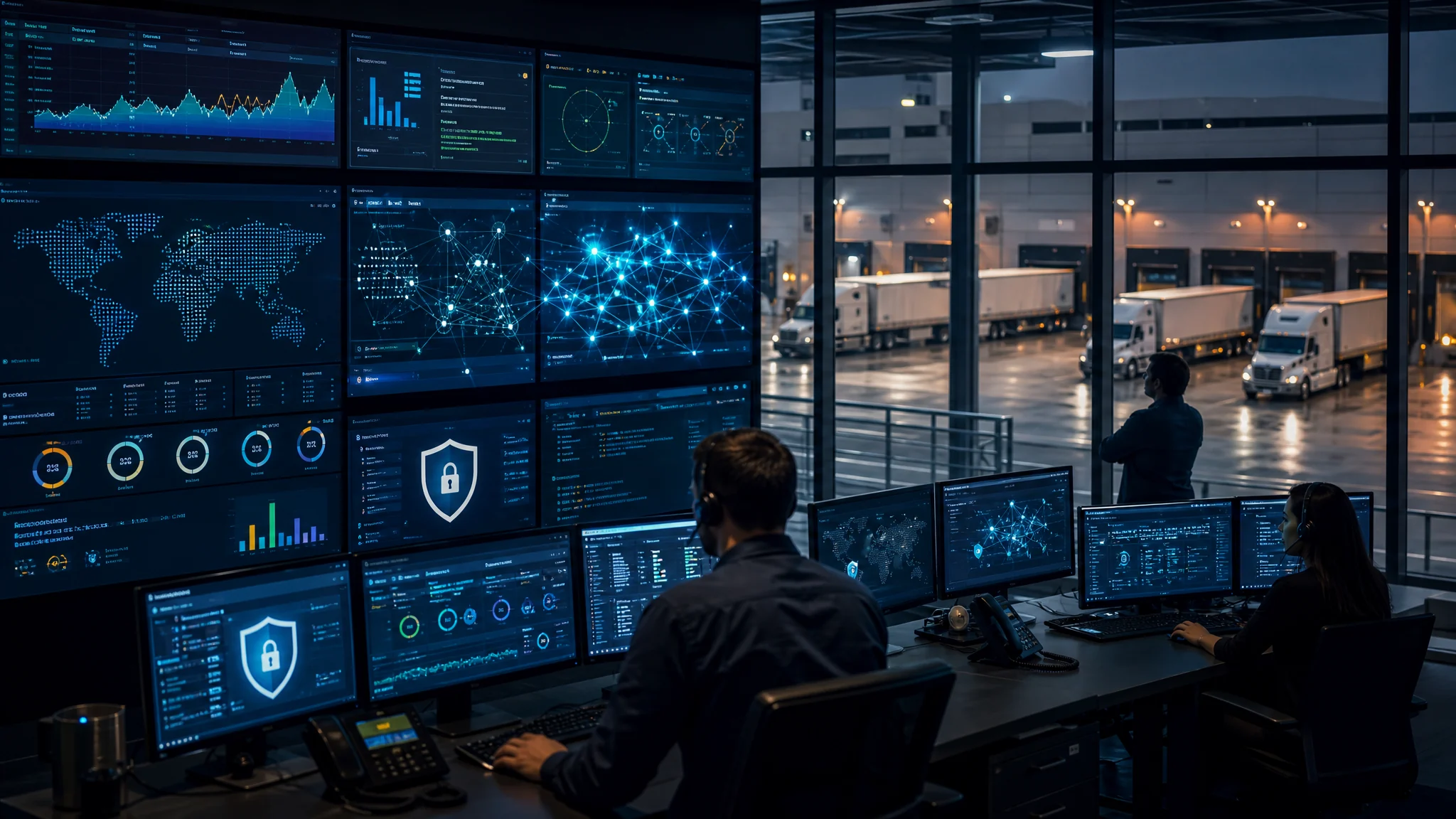
Software supply chain risk used to sound like an IT department problem. In logistics, that assumption is now dangerously outdated. Transportation management systems, warehouse platforms, carrier portals, customs tools, visibility feeds, rating engines, payment workflows, and AI assistants all sit inside the operating rhythm of freight. If one trusted software component, integration, or automated workflow is compromised, the impact is not theoretical. Loads stop moving, invoices stop matching, appointment data gets stale, and customer promises become guesswork.
That is why logistics technology selection in 2026 needs a sharper security lens. Gartner recently identified four urgent cybersecurity threat areas for leaders to address: deepfakes, AI application compromise, prompt injection, and software supply chains. Those categories map uncomfortably well to freight operations. Logistics teams increasingly rely on third-party SaaS systems, automated document exchange, AI-generated recommendations, carrier self-service portals, and API marketplaces that connect dozens of parties across one shipment lifecycle.
The lesson is simple: a logistics platform is no longer just an execution tool. It is part of the company’s software supply chain.
The freight network now runs through software dependencies
Modern freight execution is built on connectivity. Inbound Logistics describes today’s TMS as foundational infrastructure, not merely a transportation tool, because shippers need visibility, control, financial governance, and real-time decision support. The same article notes that current TMS platforms have shifted toward SaaS and API-driven integrations, connecting dispatch, accounting, safety, driver management, carrier data, and back-office workflows.
That connectivity is the value. It is also the exposure.
A single logistics operation may depend on ERP master data, customer order files, EDI feeds, API calls to carriers, customs documentation, warehouse status events, fuel surcharge tables, insurance checks, proof-of-delivery images, and payment approvals. Each connection widens the operational blast radius if a vendor’s code, credentials, model behavior, or integration logic is compromised.
Supply Chain Dive has warned that supply chain cyberattacks occur when attackers infiltrate a system through an outside vendor. It cited Identity Theft Resource Center data showing that 2022 compromises resulting from supply chain attacks far exceeded those linked to malware, and that supply chain attacks in the first two months of 2023 had already reached 40% of the previous year’s total. The article also quoted a blunt operational reality: if one software system goes down, “you can’t ship.”
That line should be pinned above every TMS buying process.
AI changes the diligence checklist
The newest risk is not only whether a vendor stores passwords correctly or patches servers quickly. AI introduces a different class of questions. Gartner’s threat list includes prompt injection and AI application compromise because attackers are learning to manipulate model behavior, not just exploit traditional software flaws.
In logistics, that matters because AI is moving from reporting into workflow. A platform might summarize exceptions, recommend routing changes, classify documents, flag invoice discrepancies, draft customer updates, or suggest whether a shipment should move by truckload, LTL, intermodal, ocean, or air. Those recommendations can influence real freight decisions.
If an AI workflow can read shipment notes, customer instructions, carrier messages, customs documents, or uploaded PDFs, buyers need to know exactly what the model is allowed to see and do. Can it trigger an update? Can it change a carrier selection? Can it write back to the order record? Can it expose sensitive customer data in a generated response? Can a malicious document or carrier message manipulate the assistant’s behavior?
For logistics buyers, “AI-enabled” should never be enough. The better question is: AI-enabled under what permissions, audit controls, and rollback process?
Vendor risk is freight continuity risk
Traditional vendor evaluation often focuses on features, implementation speed, references, and price. Those still matter. But logistics teams should treat cybersecurity governance as part of business continuity, especially when the platform becomes the daily operating layer for freight.
A practical diligence checklist should include five areas.
First, map the integration inventory. Buyers should ask for a clear list of standard integrations, data flows, authentication methods, and third-party components. A TMS that connects to ten systems may be manageable. A platform that quietly depends on dozens of external services without transparent documentation is harder to govern.
Second, inspect audit logs. The platform should show who changed a rate, updated a route, overrode a carrier, edited a customer address, approved a spot quote, or altered an invoice match. Logs are not glamorous, but they are how operations teams reconstruct what happened when something goes sideways.
Third, define AI permissions. Any AI feature should have role-based access, constrained actions, source traceability, and a clear distinction between recommendations and automated execution. The safest logistics AI is useful without being ungovernable.
Fourth, understand patch cadence and incident escalation. Buyers should ask how quickly the vendor communicates vulnerabilities, how patches are tested, who owns customer notifications, and what happens if a critical integration must be disabled during an incident.
Fifth, require operational fallback plans. If the platform, a carrier API, or an AI workflow fails, can dispatchers still tender freight, retrieve shipment data, generate documents, and communicate with customers? Resilience is not just uptime on a status page. It is the ability to keep freight moving under degraded conditions.
What this means for CXTMS customers
CXTMS customers should evaluate platform governance the same way they evaluate lane performance: by asking what breaks first, who sees it, and how fast the team can recover. A secure logistics platform should make integrations visible, permissions explicit, exceptions auditable, and workflows resilient.
That approach does not slow freight teams down. It gives them confidence to automate more of the work that should be automated: carrier communication, rate validation, document collection, milestone tracking, exception escalation, and customer visibility. The difference is that automation runs inside guardrails instead of becoming another hidden dependency.
Software supply chain risk is now a logistics platform selection issue because logistics itself has become software-mediated. The companies that understand that will buy better systems, negotiate better vendor obligations, and recover faster when something fails.
Want a transportation platform built for connected operations, visibility, and freight continuity? Schedule a CXTMS demo and see how modern TMS governance supports smarter logistics execution.