Shipping Is the New COGS: Why 2026 Carrier Rate Hikes Are Forcing E-Commerce Brands to Rethink Logistics Strategy

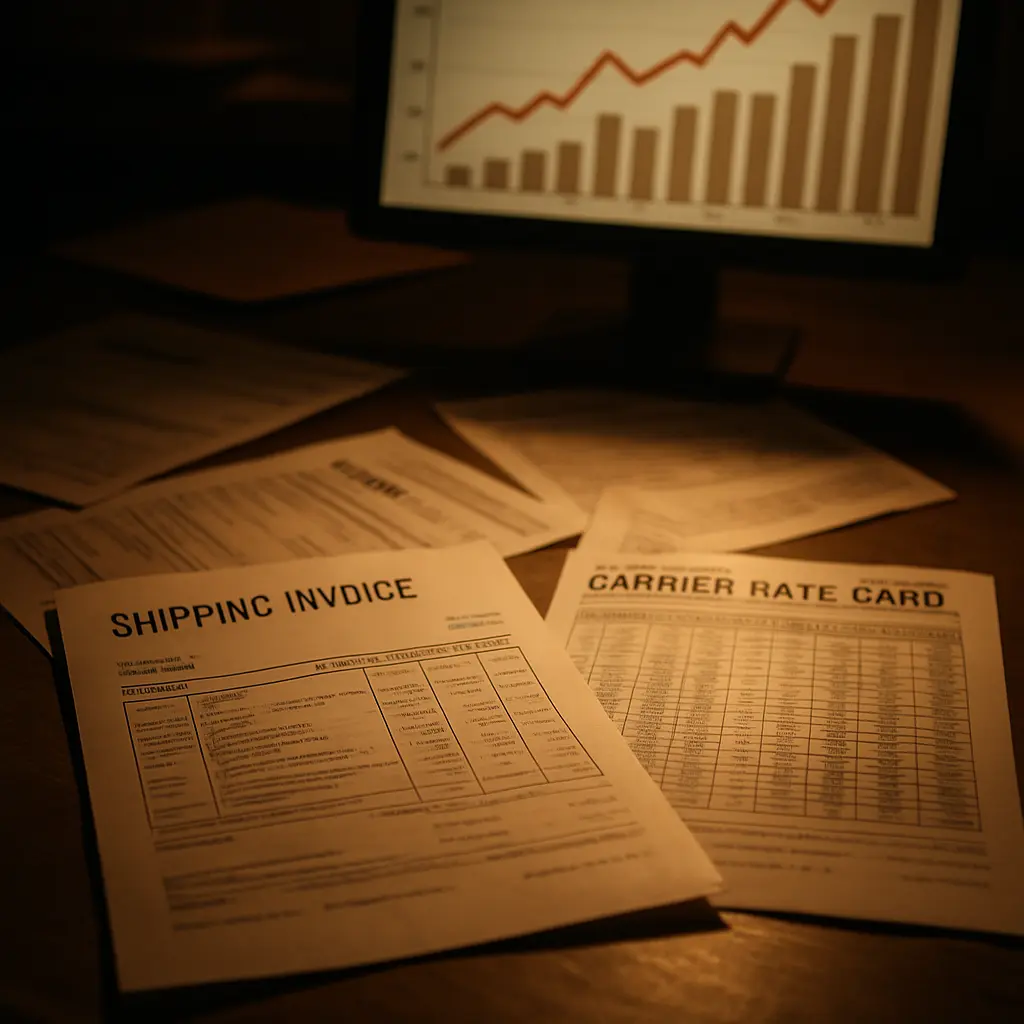
For years, e-commerce brands treated shipping as an operational afterthought — a line item buried somewhere between warehouse rent and office supplies. In 2026, that illusion is over. With UPS, FedEx, and USPS all rolling out General Rate Increases (GRIs) averaging 5.9%, and effective costs climbing 10–20% once surcharges stack up, shipping has become what finance teams always feared: a core component of Cost of Goods Sold.
The 5.9% Headline Is a Dangerous Myth
The announced 5.9% GRI sounds manageable. It isn't. The real cost explosion lives in the surcharges that carriers have quietly expanded year after year. According to Supply Chain Dive, cost optimization is the top priority for supply chain leaders in 2026 — and shipping is where the biggest leaks hide.
Here's what the headline number obscures:
- Residential surcharges of $4–6 per package punish direct-to-consumer brands specifically, with over 90% of e-commerce orders going to homes.
- Surcharges now account for roughly 33% of the average package cost, making them a bigger margin threat than the base rate itself.
- Dimensional weight traps mean carriers charge for box size, not weight. Brands shipping in standard packaging are literally paying to move air.
- Large Package Surcharges can reach $331 per package before base transportation costs are even calculated.
The compounding effect is brutal. A brand shipping 10,000 packages per month at an average $2 surcharge increase loses $240,000 annually — pure margin erosion that never shows up in the GRI headline.
The COGS Reclassification
The shift isn't just semantic. When shipping crosses from "operational expense" to COGS, it fundamentally changes how brands must manage it. COGS gets scrutinized quarterly, forecasted annually, and optimized relentlessly. Shipping historically got none of that attention.
Consider the math for a mid-market DTC brand doing $10M in annual revenue:
| Cost Component | 2024 | 2026 (Projected) |
|---|---|---|
| Average shipping cost per order | $8.50 | $10.20 |
| Shipping as % of revenue | 12% | 15.3% |
| Annual shipping spend | $1.2M | $1.53M |
| Returns shipping (added) | $180K | $270K |
| Total logistics cost | $1.38M | $1.8M |
That's a $420,000 annual increase — enough to fund two full-time employees, a marketing campaign, or a product line extension. Instead, it vanishes into carrier invoices.
The Returns Multiplier
The cost problem doubles when you factor in reverse logistics. E-commerce return rates hover around 20–30%, and each return costs approximately $30 to process versus $12 for the original delivery. That 2.5x cost multiplier means every $1 million in refunds actually costs $1.3 million in total logistics spend.
In 2026, returns have shifted from a seasonal headache to a year-round strategic priority. Brands that don't account for return shipping in their COGS calculations are flying blind on true profitability.
Five Strategic Responses That Actually Work
Treating shipping as COGS isn't just about awareness — it demands action. Here are the strategies that leading brands are deploying:
1. Multi-Carrier Rate Optimization
Relying on a single carrier is the equivalent of buying all your raw materials from one supplier with no negotiation leverage. Brands running multi-carrier strategies see 12–18% savings by dynamically routing shipments based on real-time rate comparisons across carriers, zones, and service levels.
2. Packaging Right-Sizing
Dimensional weight pricing punishes oversized packaging. Brands that invest in right-sized packaging — matching box dimensions to product dimensions — eliminate the "shipping air" problem and typically reduce per-package costs by 15–25%.
3. Zone Optimization Through Inventory Placement
Every additional shipping zone adds cost. Strategically placing inventory in regional fulfillment centers closer to customer clusters can reduce average zone distance by 1–2 zones, translating to meaningful per-package savings at scale.
4. Surcharge Auditing and Negotiation
Most brands accept surcharges as immutable. They aren't. Systematic auditing of carrier invoices against contracted rates frequently uncovers billing errors and opportunities for surcharge caps or waivers — especially for high-volume shippers.
5. Automated Shipping Intelligence
Manual carrier selection and rate shopping don't scale. Automated systems that evaluate carrier performance, cost, and delivery speed in real time turn shipping from a reactive cost center into a proactive margin lever.
Visibility Is the Foundation
None of these strategies work without data. The fundamental challenge for most e-commerce brands is that they lack unified visibility into their total shipping spend across carriers, service levels, surcharges, and returns. Costs are fragmented across carrier portals, 3PL invoices, and accounting systems that don't talk to each other.
This is where a transportation management system becomes essential — not as a nice-to-have, but as the financial control layer that makes shipping-as-COGS manageable.
Turning Shipping Into a Strategic Advantage
The brands that will win in 2026 aren't the ones with the lowest shipping costs. They're the ones with the clearest visibility into their logistics spend and the automation to act on it. When you can see every surcharge, compare every carrier in real time, and optimize every shipment automatically, shipping stops being a tax and starts being a competitive advantage.
The 5.9% GRI is just the beginning. The real question is whether your logistics infrastructure is built to absorb it — or whether you're subsidizing your carrier's margin at the expense of your own.
Tired of watching carrier rate hikes eat into your margins? Contact CXTMS to see how unified shipping visibility and multi-carrier optimization can turn your logistics costs into a strategic advantage.