Sapporo’s Brewery Closures: A Logistics Cutover Plan for Consolidating Production

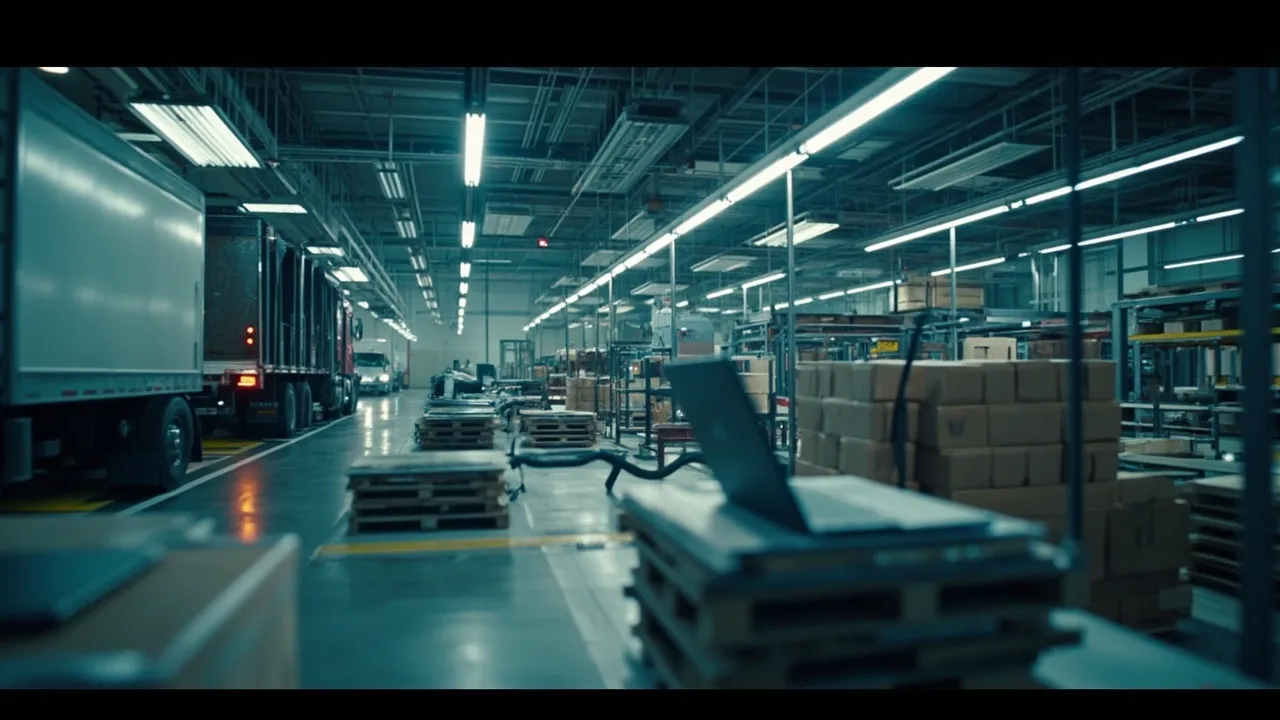
Closing a production site is not a single shutdown event. It is a controlled migration of ingredients, packaging, finished goods, suppliers, customer orders, and transportation capacity. If those streams move on different calendars, a consolidation meant to simplify the network can strand inventory, create duplicate freight, and damage service.
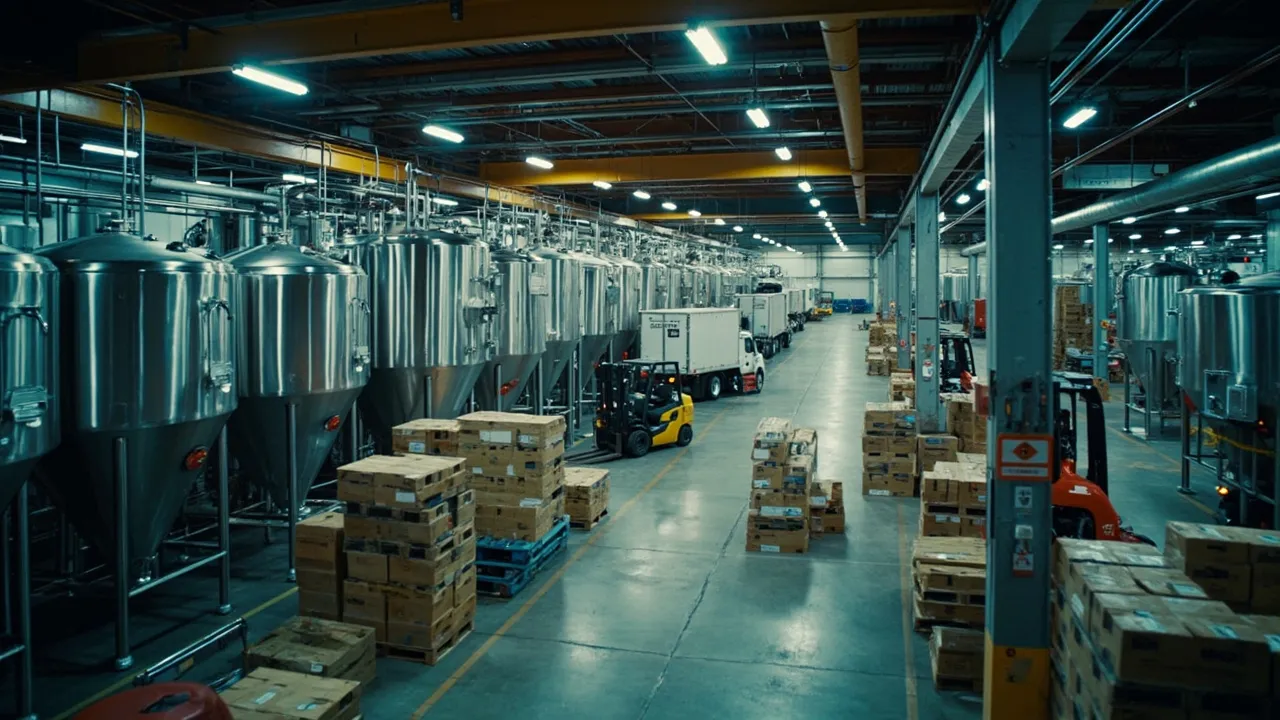
Sapporo USA now faces that operational test. The company is closing three Stone Brewing facilities in Escondido, California, following the sale of the Stone brand to Firestone Walker, while consolidating its U.S. brewing operations in Richmond, Virginia. The transition offers a useful model for any food or beverage producer planning a plant closure: the cutover must be governed lane by lane and SKU by SKU, not merely announced by date.
What is changing in Sapporo’s production network
Supply Chain Dive reports that the three Escondido facilities were not included in Firestone Walker’s purchase. About 220 employees are expected to be laid off, with the first reductions beginning in October and affecting brewers, technicians, warehouse staff, and logistics workers.
The same report says Sapporo is moving all U.S. brewing operations to one Richmond facility. That shift removes California production nodes from one network while the transferred Stone business continues under a different owner. Operationally, it creates several boundaries that must be explicit: who owns each batch and package, where existing orders will be fulfilled, which supplier commitments transfer, and when customers begin receiving product from a replacement origin.
The consolidation also comes in a softer craft-beer market. Supply Chain Dive cites a 4% industry production decline in the prior year and says 60% of breweries experienced a decrease. Lower volume may strengthen the economic case for consolidation, but it also makes write-offs and inefficient transfers harder to absorb.
Build one cutover inventory, not four separate lists
The transition team should create a single control record joining four inventory categories.
Finished goods must be identified by SKU, lot, packaging format, quantity, shelf-life window, ownership, storage location, and committed customer order. Planners can then decide whether each lot should be depleted locally, transferred, sold through a defined channel, or written off.
Work in process and ingredients require a different test. Malt, hops, yeast, flavoring, and processing materials may be transferable, but open containers, temperature requirements, batch traceability, and quality specifications can limit their destination. The transfer decision should include transport cost and remaining useful life, not just book value.
Packaging often creates the most stubborn stranded stock. Brand-specific cans, bottles, cartons, labels, tap handles, and promotional packs may have little use outside a particular SKU or owner. Every packaging item should map to the finished product it supports, the number of remaining production runs, and the party authorized to use the branding after the transaction.
Maintenance and operating supplies include spare parts, chemicals, pallets, kegs, and returnable assets. These are easy to overlook because they may sit outside saleable inventory, yet unmanaged kegs or pooled pallets can trigger deposits, rental charges, and recovery freight long after the site closes.
Set depletion and transfer rules before tendering freight
A clear decision hierarchy prevents every department from optimizing its own piece of the shutdown.
First, deplete finished goods from the closing site when customer demand, remaining shelf life, and service commitments support it. Local depletion usually avoids an extra handling cycle and a plant-to-plant transfer.
Second, transfer only inventory with a confirmed receiving location, usable life beyond the expected consumption date, compatible quality controls, and a lower delivered cost than replacement. Transfer orders should reference the same lot and ownership data used by warehouse and quality teams.
Third, prevent duplicate movement. Once a lot is assigned to a transfer, the order-management system should stop allocating it to ordinary outbound demand. Conversely, a lot committed to a customer order should not appear as available transfer stock. A shared shipment record is essential when ownership, production, and transportation teams are changing simultaneously.
Finally, create an exception path for obsolete, damaged, or disputed stock. Holding such material in the general inventory pool creates false availability and last-minute loading failures.
Remap suppliers and outbound lanes
Production consolidation changes both inbound and outbound transportation. Suppliers serving Southern California may face a longer route to Virginia, a different delivery frequency, or replacement by regional sources. Procurement should classify every purchase order as complete at origin, canceled, redirected, or reissued. Carriers need new appointments, receiving hours, temperature or food-safety requirements, and purchase-order references before the first diverted load departs.
Outbound changes are equally important. Moving production from California to Virginia can shorten some eastern lanes and lengthen western ones. The cutover team should compare old and new origin-to-customer distance, transit time, mode, minimum order quantity, consolidation opportunity, and delivered cost. Capacity should be reserved for the first weeks after migration because forecast error and replenishment spikes are common when customers change origin.
For each customer lane, preserve the relationship among sales order, production lot, tender, carrier, appointment, tracking events, proof of delivery, and freight invoice. That evidence allows the team to distinguish a production miss from a warehouse delay or carrier exception.
Use service gates to authorize the switch
A calendar date alone should not release customers to the new production node. Each lane should pass measurable gates:
- The replacement facility has completed the required product and packaging qualification.
- Opening inventory or scheduled production covers demand plus an agreed safety buffer.
- Customer, distributor, and regulatory master data show the new ship-from location.
- Carriers have accepted rates, capacity, pickup windows, and delivery appointments.
- A test shipment has produced clean tracking, receiving, and invoicing events.
- The closing site retains enough stock and labor to cover orders until the new lane is stable.
Track first-tender acceptance, pickup compliance, order fill rate, on-time-in-full delivery, damage, detention, expedited freight, and cost per case during the transition. Compare results by old and new origin rather than blending them into a network average. A temporary rise in premium freight is not automatically a failure, but it should have an owner, reason code, limit, and expiration date.
The final shutdown gate should require zero unassigned customer orders, zero unexplained lot balances, disposition for all packaging and returnable assets, and reconciliation of open freight invoices and claims. That turns “plant closed” from a physical observation into an auditable operating state.
Make the consolidation visible in execution
Sapporo’s shift illustrates the central challenge of network consolidation: strategic simplicity is achieved through hundreds of controlled operational handoffs. Teams need one view of inventory decisions, replacement origins, carrier tenders, shipment milestones, exceptions, and actual freight cost.
CXTMS connects transportation plans with execution evidence across facilities, customers, and carriers. Request a CXTMS demo to see how a shared logistics workflow can support production cutovers without losing control of service or cost.