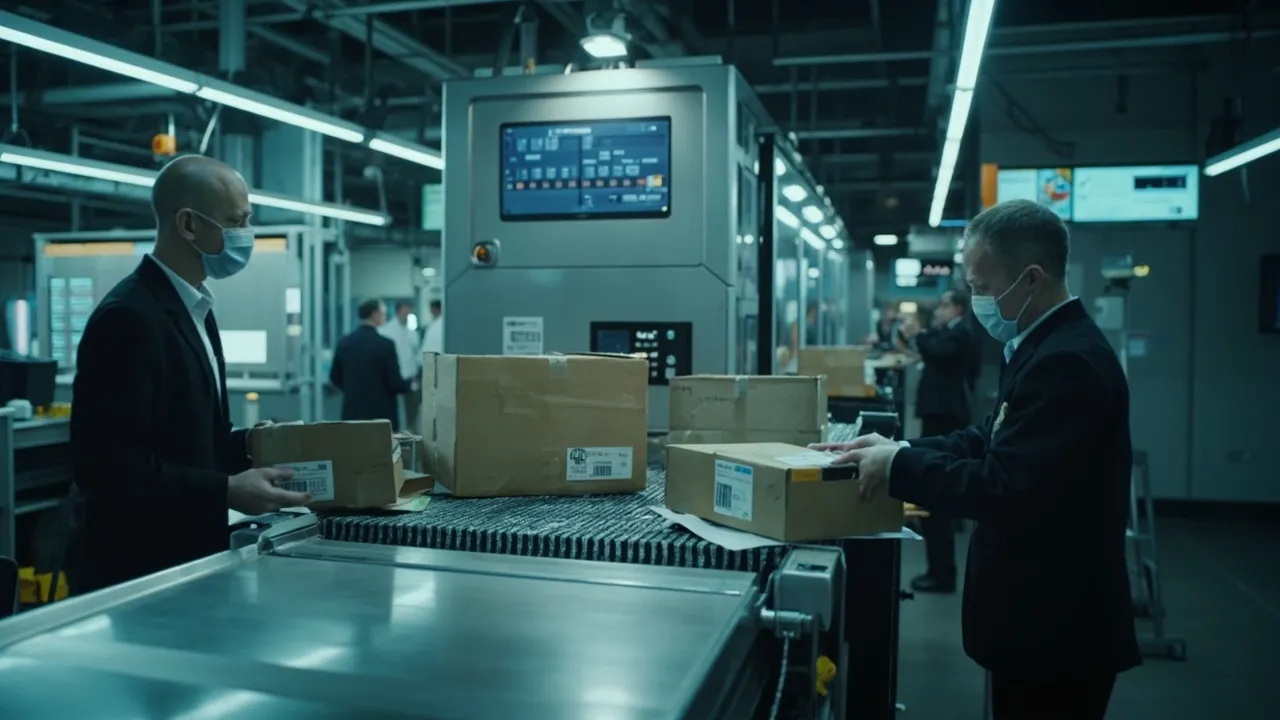
ShipStation Adds LTL to Parcel Shipping: The Data Model Behind a Unified Freight Desk


For years, a shipment crossing the line from parcel to less-than-truckload freight often crossed an organizational line too. Parcel orders moved through one application and carrier account; palletized freight went to a transportation management system, broker portal, spreadsheet, or separate team. ShipStation's addition of LTL tendering to its parcel platform challenges that split.
The important story is not that another screen can quote freight. It is that mid-market shippers can increasingly manage parcel boxes and pallets through one operating workflow. That only works, however, when the underlying data model recognizes that parcel and LTL are different modes with different rating inputs, documents, accessorial risks, tracking events, and claims evidence.
One workspace does not mean one rulebook
FreightWaves reported that ShipStation customers can access real-time LTL rates through ShipStation Global's carrier network, create and manage LTL orders alongside parcel, track shipments, and manage invoicing across both modes. The publication described it as the first bundling of LTL into a parcel shipping platform.
The addressable workflow is substantial. U.S. package volume totaled 22.4 billion shipments in 2024—about 61 million per day—and was expected to reach 24 billion, or roughly 65 million per day, in 2025. Even a small share of sellers graduating from cartons to pallets creates a meaningful need for mode selection without a second desk.
But putting both modes in one interface should not flatten their operating differences. A parcel label can often be rated from origin, destination, weight, dimensions, service, and account. An LTL tender additionally depends on pallet count, handling units, freight class or density, stackability, commodity, declared value, pickup requirements, delivery constraints, and sometimes linear feet. Missing one field can turn an attractive quote into a rebill.
Build a shipment record that supports both modes
A unified freight desk needs a common shipment object surrounded by mode-specific details. The common layer should hold the order, shipper, consignee, locations, promised delivery date, line items, value, references, and source-system identifiers. Those fields allow the business to compare service and total cost consistently.
The physical layer should describe every handling unit. For parcel, that means package-level weight and dimensions. For LTL, it means pallet or crate dimensions, total weight, packaging type, commodity description, NMFC information where applicable, freight class, density, hazardous-material status, and whether units can be stacked. Capturing the measurements at packing—not after a carrier invoice arrives—makes mode selection defensible.
The location layer matters just as much. Commercial or residential delivery, liftgate need, limited-access status, appointment requirement, inside delivery, dock availability, and pickup window can materially affect an LTL charge. These attributes should be structured fields with validation, not notes that a rating engine cannot read.
Compare total expected cost, not the opening quote
Parcel and LTL rates are not directly comparable until the system normalizes what each price includes. The rating response should preserve base transportation, fuel, expected accessorials, transit time, service commitments, carrier identifiers, quote expiration, and the exact shipment attributes submitted.
Accessorial control is especially important. Logistics Management noted in its coverage of an LTL shipper-scoring platform that operational blind spots affect freight rates and accessorial charges. A unified workflow can reduce those blind spots by checking consignee and facility data before tendering. If a destination repeatedly requires appointments or a liftgate, the system should learn that rule rather than rediscover it through invoice exceptions.
The selection logic should also account for risk. Multiple parcel packages may look cheaper than one pallet until dimensional charges, oversize fees, loss exposure, split deliveries, and handling damage are considered. Conversely, an LTL move may add appointment time and minimum charges that make parcel the better choice. A useful decision record stores the alternatives evaluated and the reason for selection, giving finance and operations an audit trail.
Keep tracking events mode-aware
A single status such as “in transit” is too vague for effective exception management. Parcel commonly produces frequent scans at hubs, while LTL may generate pickup, terminal arrival, linehaul departure, destination-terminal arrival, out-for-delivery, and delivery events. The platform can map both into a common customer-facing journey while retaining the raw carrier event and timestamp underneath.
That separation enables sensible alerts. A parcel shipment may be at risk after a missed sort or a long scan gap. An LTL shipment may need attention when pickup is not confirmed, freight misses a linehaul connection, an appointment remains unset, or the proof of delivery is absent. Applying parcel scan expectations to LTL would create noise; applying sparse LTL expectations to parcel would hide problems.
The same principle applies to documents. Parcel needs labels and manifests. LTL needs a bill of lading and often pallet labels, delivery receipts, inspection notes, and proofs of delivery. The shipment record should link every document to the same order while enforcing the correct document set for the selected mode.
Reconcile invoices and claims against the original facts
Unified execution delivers its biggest financial benefit after pickup. Invoice matching should compare billed weight, dimensions, freight class, accessorials, fuel, and discounts with the original quote and tender. Exceptions should route to an owner with the carrier's reason code and supporting shipment data.
Claims also require mode-specific evidence. A good workflow preserves packaging photos, item value, serial or order numbers, pickup condition, delivery exceptions, inspection records, and signed delivery documents. It should record claim deadlines and status without forcing teams to reconstruct the shipment from email.
This is where software orchestration matters. Logistics Management described supply chain software as evolving into an intelligent orchestration layer connecting planning and execution. For a unified freight desk, orchestration means sharing the order and customer promise while allowing parcel and LTL controls to remain explicit.
What shippers should require
Before consolidating parcel and LTL workflows, shippers should test whether the platform can:
- validate handling-unit and destination attributes before rating;
- preserve quote assumptions through tender and invoice audit;
- compare service, expected accessorials, and risk across modes;
- normalize milestone visibility without discarding carrier events;
- generate the right labels, bills of lading, and delivery evidence; and
- report cost and service by order, mode, carrier, facility, and customer.
The goal is not to make LTL behave like parcel. It is to give operators one place to make a well-governed mode decision, execute it, and learn from the result.
Unify freight decisions with CXTMS
CXTMS connects rating, tendering, shipment visibility, documentation, and exception management so teams can manage multiple freight modes without losing operational control. Request a CXTMS demo to see how a unified transportation workflow can support your parcel and LTL strategy.