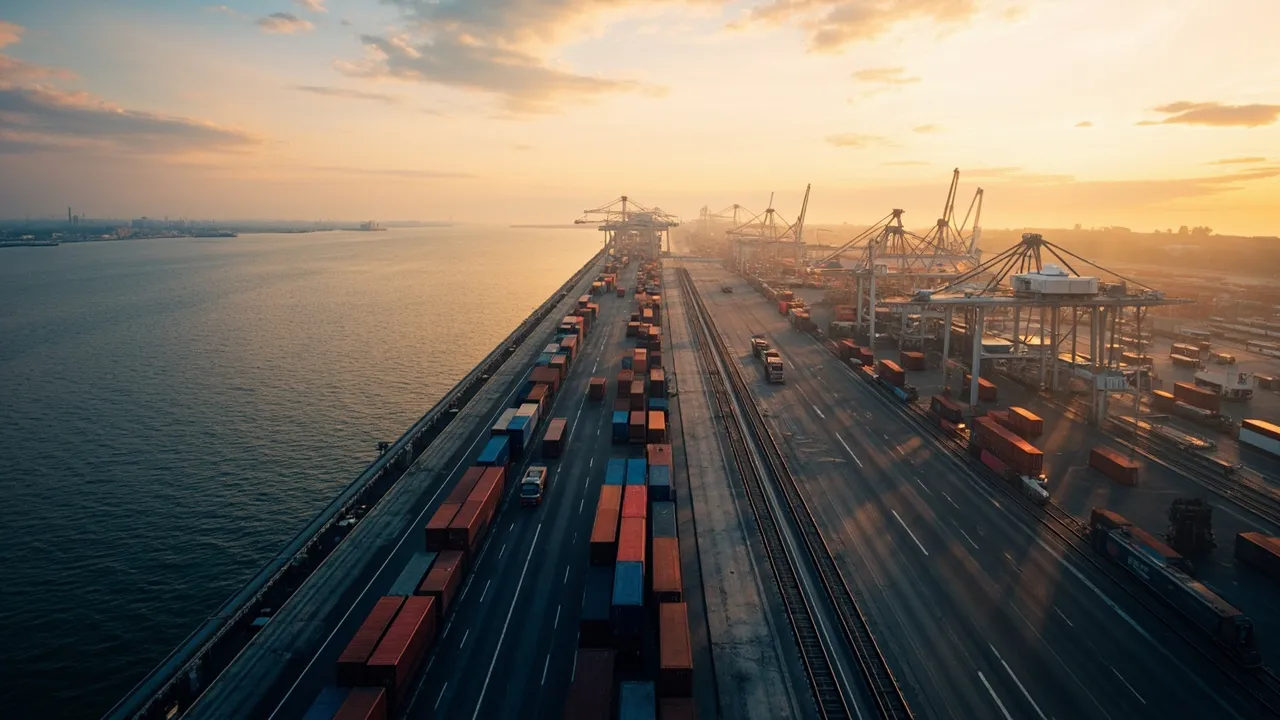
Port of Los Angeles Imports Jump 26% While Exports Fall: The New Imbalance Behind Peak Season Planning

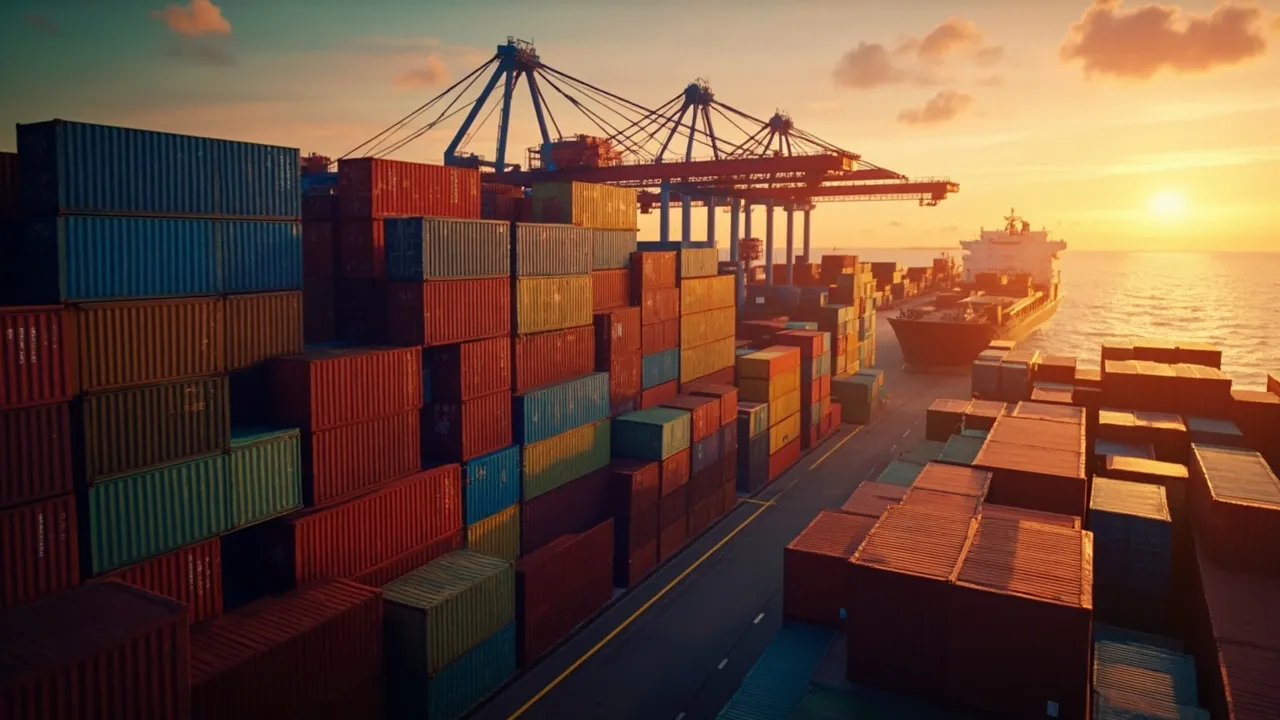
The Port of Los Angeles just gave forwarders and shippers a clean read on the 2026 peak-season problem: import demand can surge even when the rest of the network looks calm.
According to SupplyChainBrain, the port handled 840,165 TEUs in May, up 17% year over year. Loaded imports rose 26%, while loaded exports fell 10%. Empty containers reached 283,138 TEUs, up 18% from May 2025. Through the first five months of 2026, the nation's busiest container port handled 4,119,869 TEUs, running 1.4% ahead of last year's pace.
That is not a classic congestion story. Port Executive Director Gene Seroka said cargo was still moving efficiently, with no vessel backlogs or cargo delays. The stress is more subtle: importers are pulling freight forward under shorter planning horizons, while exports are losing ground and empties are rising. That mix changes how transportation teams should think about appointments, drayage, container availability, export protection, and escalation timing.
Why imports jumped while exports slipped
The May import increase was not driven by one simple demand boom. Seroka pointed to several overlapping factors: inventory replenishment, concern about fuel costs, trade-policy uncertainty, and early preparation for upcoming retail seasons. In plain English, cargo owners are trying to buy optionality.
When tariff rules, fuel exposure, and retail timing all feel uncertain, importers often prefer to move goods while they can. That does not mean every SKU is selling faster. It means planners are reacting to risk by shifting freight earlier, compressing decision windows, and keeping more inventory in motion before conditions change.
There is also a base-effect issue. SupplyChainBrain noted that May 2025 imports were softer after cargo owners paused shipments following reciprocal tariffs that took effect in April 2025. So the 26% import gain reflects both current front-loading behavior and an easier comparison. Still, the operational result is real: more inbound containers are arriving now, and transportation teams have to process them without assuming normal seasonality.
Exports tell the other side of the imbalance. Loaded exports came in at 107,657 TEUs, down 10% year over year. When imports rise and exports decline, the container system leans harder toward repositioning equipment rather than naturally matching inbound boxes with outbound loads. That is why the 18% jump in empty containers matters. Empty flows are not just an ocean-carrier problem; they affect yard space, drayage turns, appointment availability, chassis planning, and the economics of export bookings.
The risk is shorter planning horizons, not just port congestion
The tempting response is to ask whether the Port of Los Angeles is congested. Right now, the answer from the port is no. That is good news, but it is not enough.
A fluid terminal can still feed stress downstream if shippers change plans quickly. When importers move purchase orders forward, split bookings, shift origins, or accelerate retail replenishment, the execution burden lands on forwarders, brokers, truckers, warehouses, and customer-service teams. The network may have no vessel queue and still suffer from appointment churn, late document handoffs, poor exception visibility, and unnecessary demurrage risk.
The broader policy environment reinforces that point. Supply Chain Dive reported that the U.S. Department of Transportation's American Supply Chain Sovereignty Initiative is designed to connect ocean carriers, trucking companies, railroads, retailers, and major hubs such as the Port of Los Angeles through a high-visibility dashboard. The initiative builds on the FLOW program, which had 86 members as of April and includes data such as cargo movement, purchase information, and inland freight hub visibility.
That federal visibility push exists because bottlenecks are no longer limited to the vessel-at-anchor headline. A shipment can clear the terminal and still miss the customer promise date if inland capacity, appointment discipline, warehouse receiving, or document readiness fails. Peak-season planning has become an exception-management exercise.
What the import-export imbalance means for forwarders
For freight forwarders, the Port of Los Angeles data is a warning to protect both sides of the book. Import customers may need faster updates, tighter drayage coordination, and more proactive ETA management. Export customers may need stronger booking advocacy because they can get squeezed when equipment and carrier attention tilt toward import-driven repositioning.
The first priority is empty repositioning visibility. If empties are rising, forwarders should track where boxes are accumulating, which terminals are changing return rules, and whether export customers can access equipment when they need it. A box that exists in the region is not useful if it is in the wrong yard, unavailable for the right booking, or tied to a return window that breaks the plan.
The second priority is drayage appointment discipline. Import surges expose weak handoffs. Teams should monitor appointment availability, last free day exposure, chassis constraints, missed pickup reasons, and warehouse receiving windows together. Treating those as separate work queues is how preventable accessorial charges sneak into the month-end freight bill.
The third priority is export booking protection. Exporters already operate with less leverage in many imbalanced trade lanes. When imports accelerate and loaded exports fall, forwarders should watch rolled bookings, equipment shortages, schedule changes, and documentation cutoffs more closely. Export exceptions need escalation earlier, not after the cargo is already at risk.
The fourth priority is customer communication cadence. Shorter planning horizons punish silence. If a retailer is front-loading inventory because of trade-policy or fuel-cost uncertainty, they need to know which containers are safe, which are at risk, and which decisions require immediate action. A generic milestone update is not enough.
The CXTMS checklist for peak-season control
The cleanest operational response is not panic; it is tighter execution control.
Start with lane-level segmentation. Separate planned replenishment from accelerated orders, and separate strategic front-loading from true emergency freight. The transportation plan should show which shipments are flexible and which ones protect revenue-critical inventory.
Then connect port milestones to inland execution. Vessel arrival, discharge, availability, appointment booking, pickup, outgate, delivery, empty return, and document closeout should live in one operating view. If the team has to jump between terminal sites, spreadsheets, email threads, and broker updates, exceptions will surface too late.
Next, measure container-cycle friction. Track dwell time, missed appointments, demurrage exposure, detention exposure, empty-return failures, and export roll frequency. Those metrics reveal whether the import surge is simply higher volume or a deeper network imbalance.
Finally, escalate earlier. In a calm-looking port environment, teams often wait too long because there is no obvious crisis. That is the trap. The Port of Los Angeles can run efficiently while individual shippers still lose days to weak handoffs.
CXTMS helps freight teams turn volatile port signals into controlled transportation workflows: container milestones, drayage coordination, exception alerts, document visibility, and customer updates in one execution layer. If your peak-season process still depends on fragmented emails and after-the-fact status checks, now is the time to tighten it.
Schedule a CXTMS demo to see how connected transportation execution can help your team manage import surges, export risk, and peak-season exceptions before they turn into avoidable cost.