Philippines Nationwide Transport Strike Hits ASEAN Supply Chains: How Fuel-Driven Labor Disruptions Are Exposing Regional Logistics Fragility

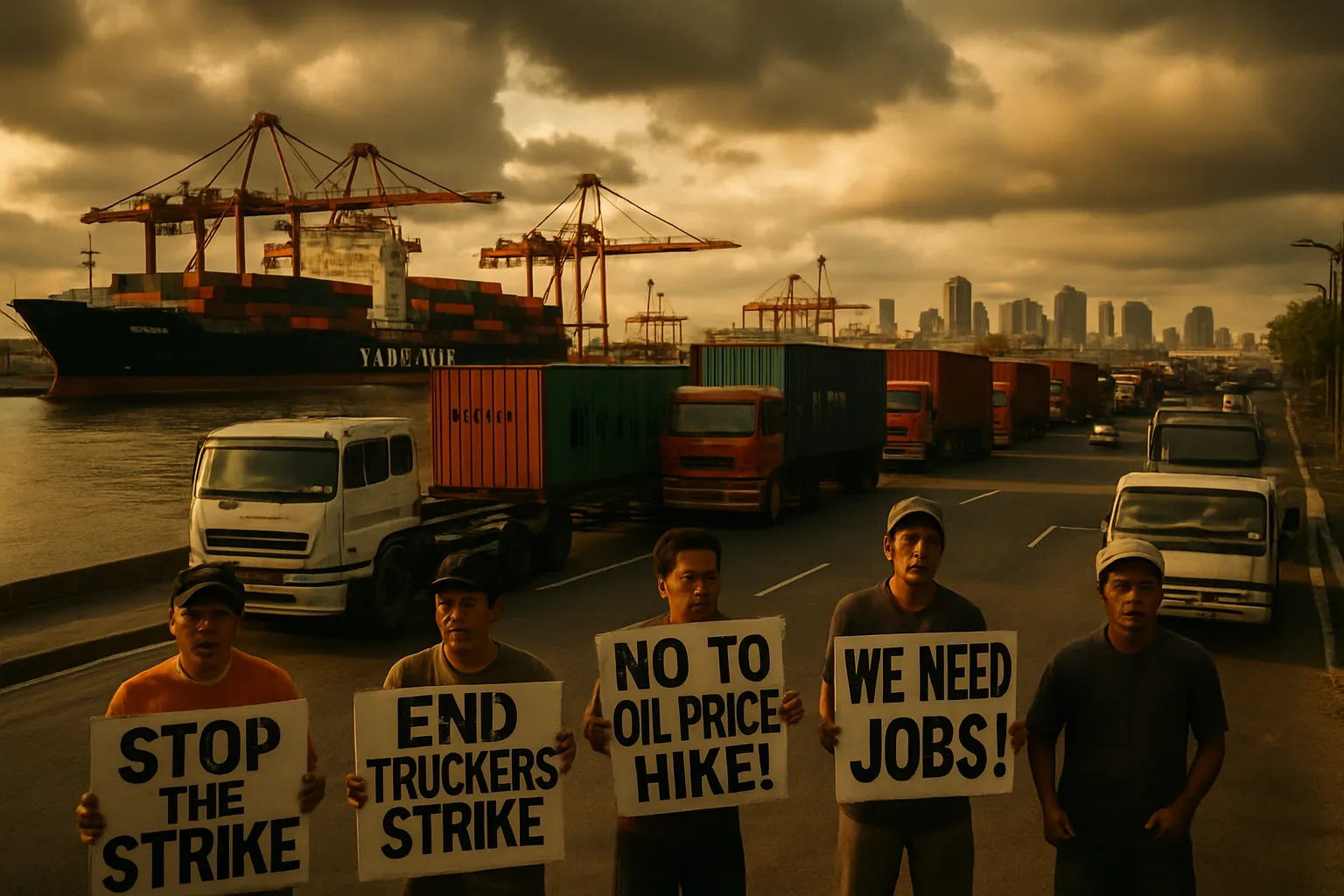
On March 26, 2026, a broad coalition of Philippine transport groups launched a two-day nationwide strike that paralyzed public transportation and freight movement across the archipelago. Jeepney drivers, bus operators, UV Express services, motorcycle taxis, and transport network vehicle service (TNVS) drivers all walked off the job to protest fuel prices that have surged past ₱100 per liter — roughly $1.80 USD — driven by escalating Middle East tensions and the partial disruption of Strait of Hormuz shipping lanes.
The U.S. Embassy in Manila issued a formal demonstration alert for March 26–27, warning citizens of significant transportation disruptions across Metro Manila and beyond. For logistics professionals managing ASEAN trade lanes, this strike is far more than a local labor dispute — it's a stress test exposing the structural fragility of Southeast Asian supply chains.
The Fuel Crisis Behind the Strike
The Philippines imports between 60% and 95% of its crude oil, with the overwhelming majority transiting the Strait of Hormuz from Middle East suppliers. When geopolitical tensions disrupted that critical chokepoint in early March 2026, the downstream effects hit Filipino consumers and transport operators within days.
Fuel companies implemented multiple rounds of double-digit price increases throughout March, pushing gasoline and diesel past the psychologically critical ₱100-per-liter threshold. For transport operators already working on razor-thin margins, the price spike was existential. Striking groups demanded the removal of value-added tax (VAT) and excise taxes on petroleum products, a rollback of fuel prices to ₱55 per liter, and the repeal of the Oil Deregulation Law.
As FreightWaves reported in its 2026 logistics outlook, tariff instability and geopolitical disruption are pushing companies deeper into supplier diversification and regional realignment — and fuel-driven labor actions like this Philippine strike demonstrate exactly why that realignment is urgent.
Immediate Supply Chain Impact
The strike's effects radiated far beyond commuter inconvenience. Key logistics impacts included:
- Port-to-warehouse disruption: Trucking operations serving Manila's port complex — the Philippines' primary container gateway handling over 5 million TEUs annually — faced severe driver shortages during the strike window.
- Last-mile delivery paralysis: E-commerce fulfillment and retail restocking ground to a halt in Metro Manila and secondary cities across Luzon and the Visayas.
- Cold chain vulnerability: Perishable goods, including seafood and agricultural products destined for export processing, faced spoilage risk as refrigerated transport availability plummeted.
- Manufacturing input delays: Factories in special economic zones relying on just-in-time component delivery experienced production line disruptions.
The Philippine government deployed military and police buses to provide emergency commuter transport, but commercial freight received no such backstop. Shippers with cargo in-transit had little recourse but to wait.
Why ASEAN Supply Chains Are Structurally Vulnerable
This strike illuminates a broader pattern of vulnerability across Southeast Asian logistics networks. According to a Supply Chain Dive analysis of 2026 logistics trends, operational volatility from fluctuating trade policies, geopolitics, and export controls is one of the defining challenges facing air and ocean cargo shippers this year.
ASEAN's logistics fragility stems from several interconnected factors:
Energy import dependence. Most ASEAN nations are net energy importers. The Philippines, Vietnam, Thailand, and Indonesia all face significant exposure to global oil price shocks that directly inflate domestic transport costs. When fuel prices spike, the operators who move goods — often independent truckers and small fleet owners — absorb the pain first and strike when the economics become untenable.
Fragmented transport markets. Unlike consolidated freight markets in North America or Europe, ASEAN transport sectors feature millions of independent operators. The Philippines alone has hundreds of thousands of jeepney and truck owner-operators. This fragmentation means labor actions can emerge rapidly, without the collective bargaining structures that might produce negotiated resolutions before disruptions occur.
Island geography and modal constraints. The Philippines comprises over 7,600 islands, making inter-island logistics inherently complex and dependent on coastal shipping and air freight. When land transport fails on major islands like Luzon, there are no rail alternatives or interstate highway bypasses. Freight simply stops.
Limited digital visibility. While major global carriers offer real-time tracking, much of ASEAN's domestic logistics infrastructure still relies on manual coordination. When disruptions hit, shippers often lack real-time visibility into which routes are affected and what alternatives exist.
The Broader Pattern: Fuel Shocks and Cascading Disruptions
The Philippine transport strike isn't an isolated incident — it's part of a cascading pattern playing out across energy-dependent economies. The USABC and ASEAN-BAC Philippines held a high-level roundtable in March 2026 specifically addressing mounting pressures on ASEAN supply chains arising from geopolitical tensions, climate disruptions, and structural inefficiencies in trade and logistics systems.
For shippers with ASEAN exposure, the lesson is clear: fuel price volatility doesn't just change your transport costs — it changes whether transport is available at all. Labor actions triggered by energy shocks represent a category of supply chain risk that traditional planning models often overlook. Unlike natural disasters with defined geographic footprints, fuel-driven strikes can emerge simultaneously across an entire country with minimal warning.
The risk extends beyond the Philippines. Indonesia, Vietnam, and Thailand have all experienced fuel-related transport disruptions in recent years. As Middle East tensions continue to pressure global energy markets, ASEAN shippers should expect more — not fewer — of these events.
Building Resilience: What Shippers Can Do Now
Proactive supply chain leaders are taking several steps to mitigate fuel-driven disruption risk in ASEAN:
-
Multi-modal contingency planning: Pre-negotiate backup capacity across coastal shipping, air freight, and rail where available. Don't rely exclusively on road transport for critical lanes.
-
Buffer stock positioning: For high-value or time-sensitive goods, maintain strategic inventory buffers at key ASEAN distribution points rather than relying on just-in-time replenishment across disruption-prone corridors.
-
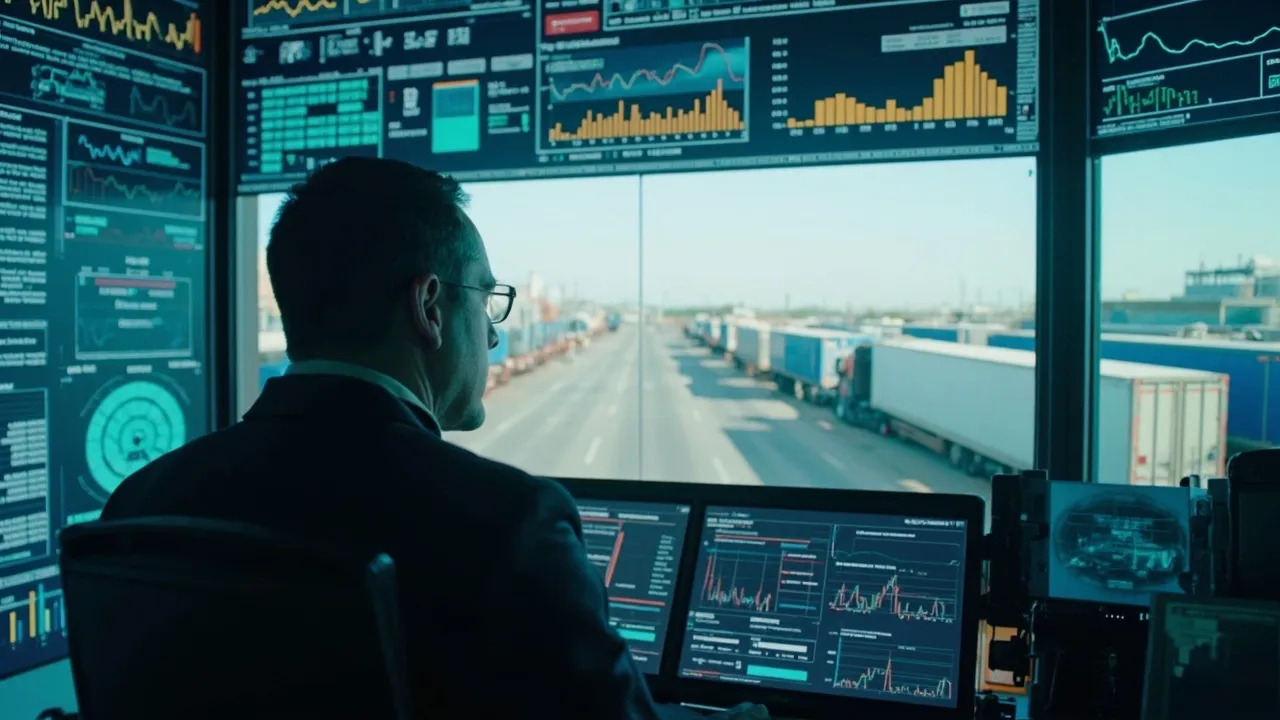
Real-time disruption monitoring: Deploy logistics platforms that aggregate labor action alerts, fuel price movements, and government advisories into unified dashboards. The difference between a manageable delay and a catastrophic stockout is often measured in hours of advance warning.
-
Fuel surcharge transparency: Establish clear, index-linked fuel surcharge mechanisms with carriers to prevent the economic pressure that triggers strikes from building silently until it erupts.
-
Supplier diversification: Distribute sourcing across multiple ASEAN nations to avoid concentration risk in any single country's transport network.
How CXTMS Supports ASEAN Supply Chain Resilience
CXTMS's multi-modal routing engine and real-time disruption alerting capabilities are purpose-built for the kind of volatility ASEAN logistics demands. When a nationwide transport strike hits, CXTMS helps shippers:
- Instantly identify affected shipments across Philippine trade lanes with automated disruption mapping
- Evaluate alternative routing through coastal shipping, air freight, or re-routing through alternative ports
- Communicate proactively with consignees and stakeholders through automated delay notifications
- Track recovery as transport services resume, ensuring priority cargo moves first
In a region where logistics fragility is structural, not exceptional, having a technology platform that treats disruption as a constant — not an anomaly — is the difference between reactive scrambling and strategic resilience.
Ready to build ASEAN supply chain resilience into your logistics operations? Request a CXTMS demo today and see how real-time multi-modal optimization keeps your freight moving when regional disruptions hit.