Micro-Fulfillment Centers Are Reshaping Last-Mile Delivery in 2026

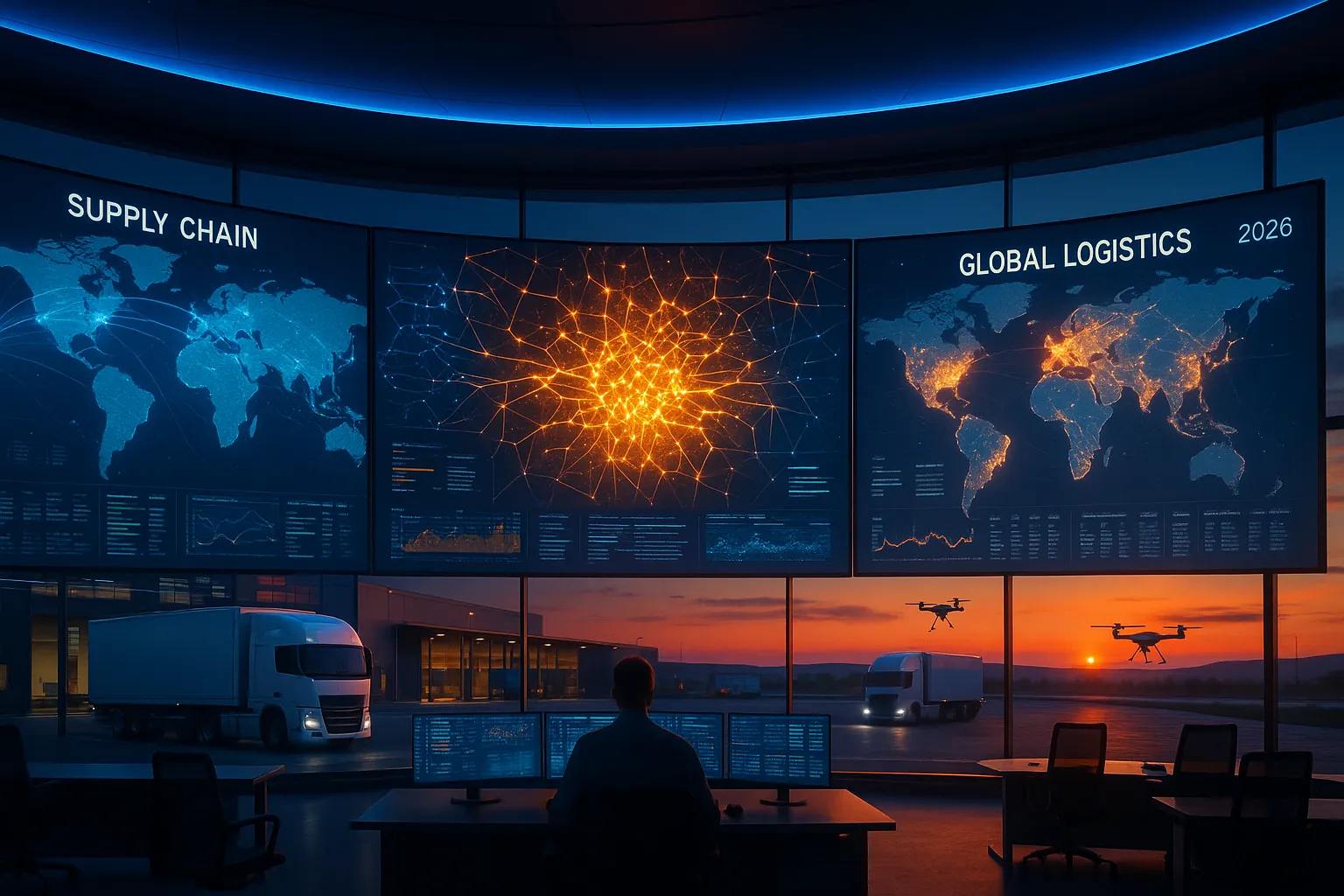
The logistics industry is witnessing a fundamental shift from the mega-warehouse model to a new paradigm: micro-fulfillment centers (MFCs). These compact, automated facilities positioned within urban zones are enabling delivery speeds that were impossible just a few years ago. With 67% of U.S. customers now expecting same-day delivery options, retailers and third-party logistics providers are racing to deploy MFCs closer to end consumers.
The Death of Distance: Why Location Now Trumps Size
For decades, logistics networks prioritized scale over proximity. Massive distribution centers on the urban periphery processed high volumes at low cost, accepting that last-mile delivery would take days. That equation no longer works.
The micro-fulfillment market is experiencing explosive growth, with analysts projecting a 41.20% compound annual growth rate (CAGR) through 2032 as AI automation and hyperlocal e-commerce gain momentum. The market, valued at $6.49 billion in 2024, is being driven by a simple reality: consumers are willing to pay for speed. Research shows that 55% of consumers are now willing to pay for same-day delivery, fundamentally changing the economics of urban fulfillment.
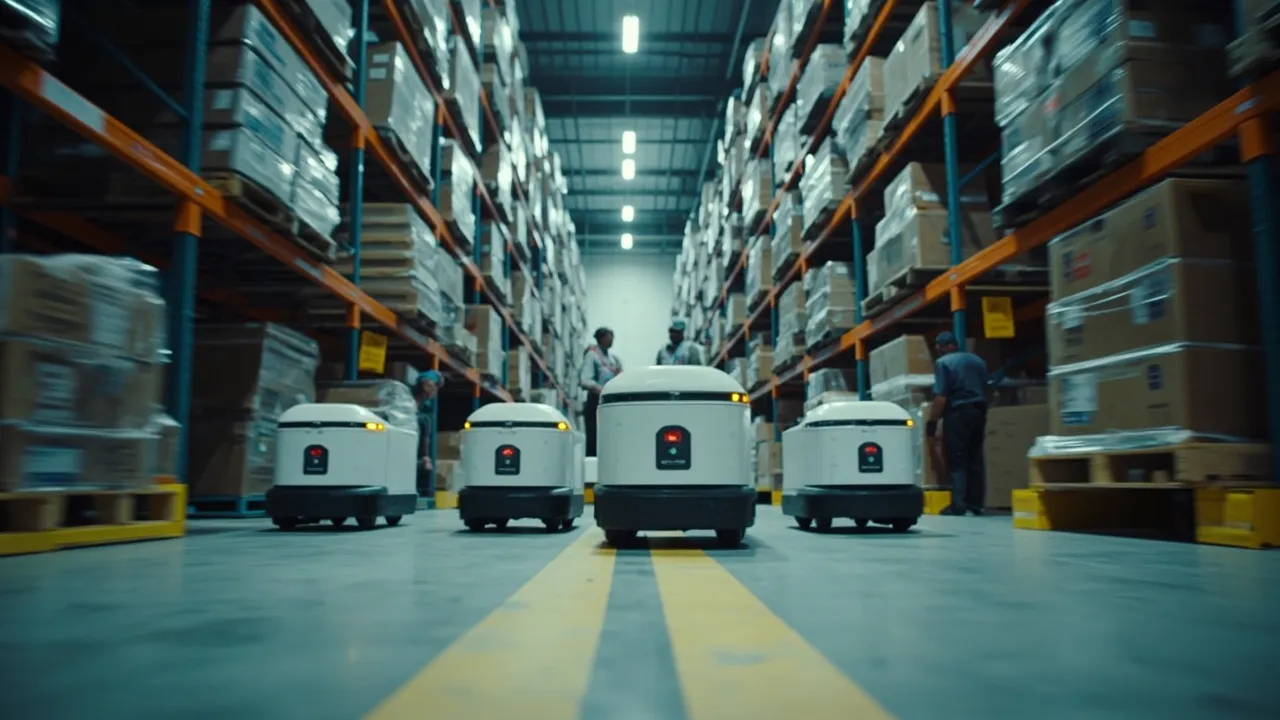
Traditional warehouses excel at bulk storage and outbound freight consolidation. Micro-fulfillment centers do the opposite: they position small inventories of high-velocity SKUs within 5-10 miles of dense customer populations. The result is delivery windows measured in minutes, not days.
Amazon's 30-Minute Gambit: A Case Study in Speed
In December 2025, Amazon launched Amazon Now pilots in Seattle and Philadelphia, promising delivery in 30 minutes or less for groceries and household essentials. According to Supply Chain Dive, the company has deployed "small fulfillment facilities designed for efficiency close to where Seattle- and Philadelphia-area customers live and work."
The service, available to Prime members for $3.99 per order, relies on strategically located micro-fulfillment centers paired with gig economy drivers and electric delivery vehicles. Amazon is using AI-powered demand forecasting to pre-position inventory in specific neighborhoods based on purchasing patterns, weather, local events, and even time of day.
FreightWaves reports that analysts expect Amazon Now to have "low or even negative overall margins" initially, with the $3.99 fee plus product gross margins likely not covering delivery costs for small baskets. But Amazon isn't optimizing for immediate profitability—it's building a competitive moat. As consumer expectations shift from "two-day" to "30-minute," retailers without hyperlocal infrastructure will struggle to compete.
The pilot also includes an automated micro-fulfillment center installed at a Whole Foods Market in Plymouth Meeting, Pennsylvania, allowing customers to simultaneously purchase natural, organic, and national name-brand products for rapid online delivery or in-store pickup.
The Technology Stack: More Than Just a Small Warehouse
Micro-fulfillment centers aren't simply downsized distribution centers. They represent a fundamentally different approach to inventory management, space utilization, and order fulfillment.
Key technological components include:
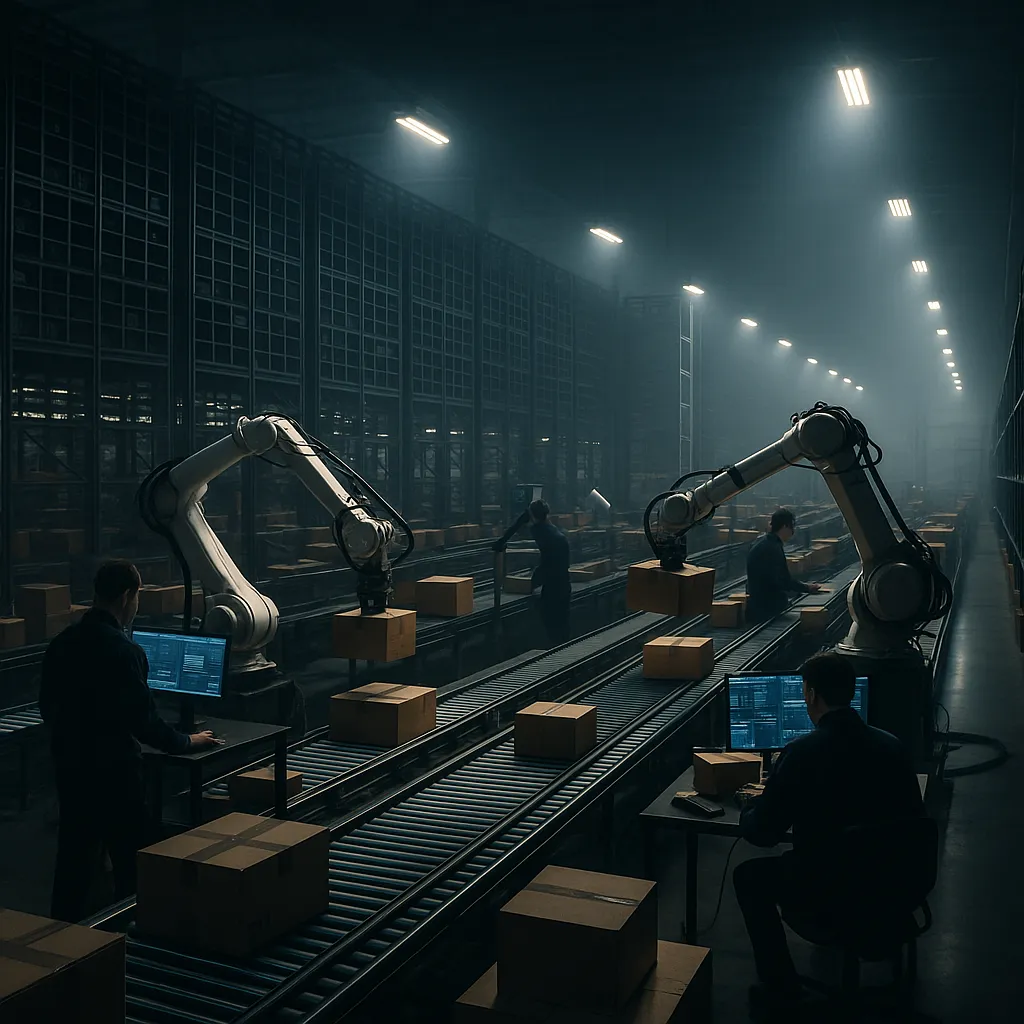
- Dense vertical storage systems: Automated storage and retrieval systems (AS/RS) that maximize cubic space utilization, often reaching 20-30 feet high in facilities with footprints under 10,000 square feet
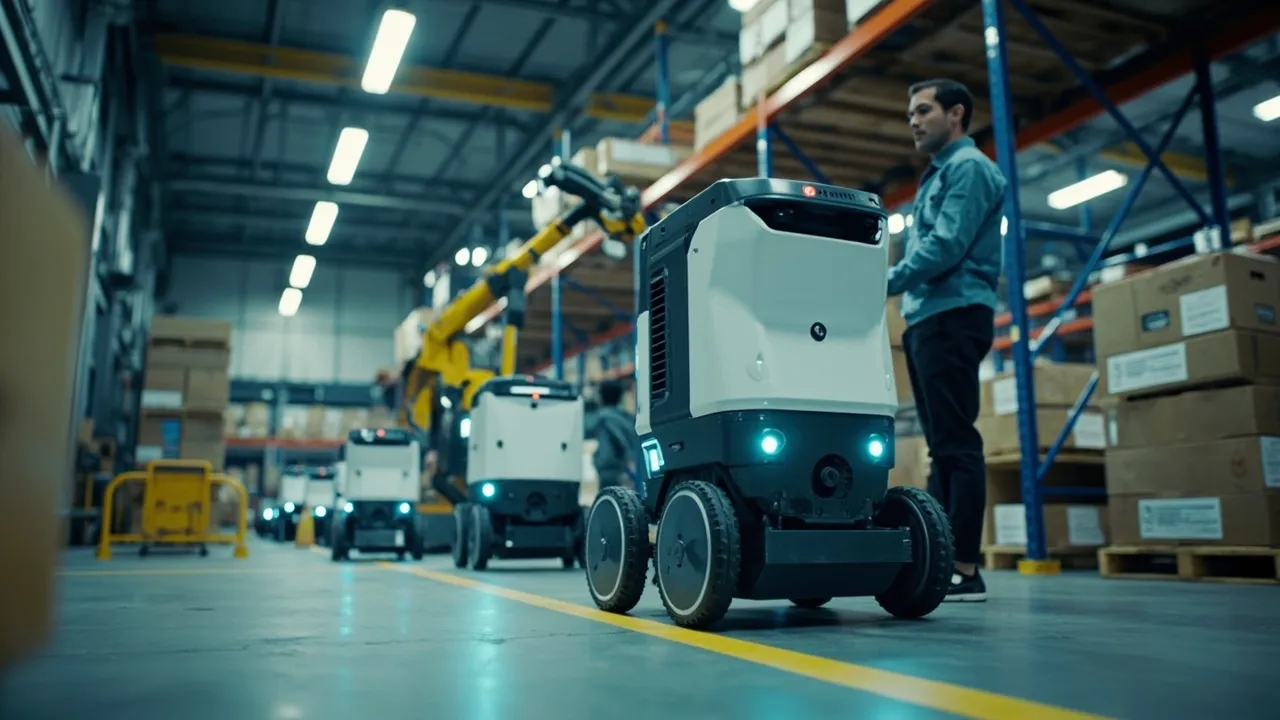
- Robotic picking and sorting: Autonomous mobile robots (AMRs) and goods-to-person systems that eliminate manual travel time and reduce labor costs by up to 50%
- AI-driven inventory positioning: Machine learning algorithms that predict demand at the neighborhood level and dynamically restock high-velocity items
- Real-time order batching: Software that combines multiple orders heading to the same delivery zone to optimize picker routes and vehicle capacity
According to Food Logistics, the micro-fulfillment market is expected to reach $10 billion by 2026 with an installed base of approximately 2,000 MFCs globally if the technology and concept prove permanent. The grocery and e-commerce sectors are leading adoption, but retailers across verticals—from beauty and personal care to pharmacy and home improvement—are piloting MFC strategies.
Integration Challenges: The TMS Blindspot
While the technology inside micro-fulfillment centers is advancing rapidly, integration with existing transportation management systems (TMS) remains a significant challenge. Most legacy TMS platforms were designed for long-haul freight and regional distribution, not hyperlocal fulfillment with 30-minute delivery windows.
The integration gap creates several pain points:
- Order visibility: Traditional TMS platforms lack real-time visibility into MFC inventory levels and picking status, making it difficult to provide accurate delivery ETAs
- Dynamic routing: Hyperlocal delivery requires constant route recalculation based on order volume, traffic conditions, and vehicle availability—capabilities most TMS solutions don't provide out of the box
- Multi-node orchestration: Retailers often operate both traditional distribution centers and multiple MFCs simultaneously, requiring sophisticated logic to determine optimal fulfillment locations for each order
- Return flows: Micro-fulfillment centers must handle reverse logistics for returns and exchanges, but most MFC software lacks robust returns management capabilities
The most successful implementations treat MFCs as nodes within a larger logistics network, not isolated fulfillment islands. This requires a TMS platform that can orchestrate inventory allocation, order routing, and carrier assignment across traditional warehouses, micro-fulfillment centers, and retail stores simultaneously.
The CXTMS Approach: Orchestrating Hyperlocal Networks
At CXTMS, we've designed our transportation management platform to support hybrid fulfillment networks that blend traditional distribution with hyperlocal micro-fulfillment. Our system provides:
- Unified inventory visibility across all fulfillment nodes, allowing intelligent order routing based on inventory availability, delivery speed, and cost
- Dynamic carrier assignment that matches orders with the optimal delivery method—whether that's a dedicated fleet, gig economy driver, or traditional carrier
- Predictive demand modeling that helps retailers pre-position inventory in MFCs based on neighborhood-level purchasing patterns
- Real-time route optimization designed for urban environments with frequent delivery stops and tight time windows
As the logistics industry shifts from "ship from anywhere" to "fulfill from nearby," transportation management systems must evolve from long-haul optimization tools to hyperlocal orchestration platforms.
What's Next: The 15-Minute Horizon
If 30-minute delivery seems fast, the next frontier is already emerging. Retailers in select urban markets are testing 15-minute delivery using even smaller "dark stores"—retail-sized spaces converted entirely to rapid fulfillment with zero customer foot traffic. These ultra-compact facilities stock just 1,500-3,000 SKUs of the highest-velocity items, enabling pickers to assemble orders in under 90 seconds.
The economic viability of 15-minute delivery remains unproven at scale, but the directional trend is clear: fulfillment is moving closer to the customer, delivery windows are shrinking, and logistics networks are becoming increasingly distributed.
For shippers and 3PLs, the imperative is obvious: invest in micro-fulfillment infrastructure, modernize your TMS to support hyperlocal orchestration, or risk losing customers to competitors who can deliver in the time it takes to watch a sitcom.
Ready to optimize your multi-node fulfillment network for the hyperlocal era? Contact CXTMS for a demo of our advanced transportation management platform.