LogiMAT 2026 Preview: 5 Intralogistics Innovations That Will Shape Warehouse Operations This Year

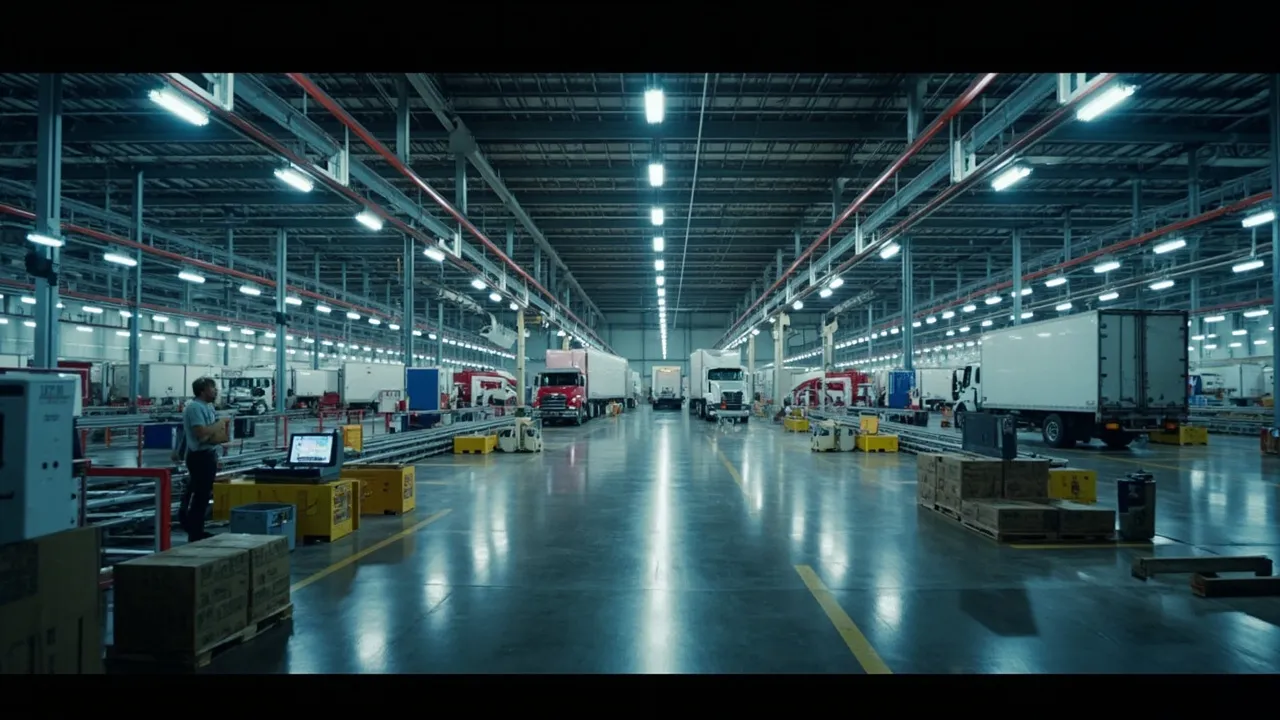
Europe's largest intralogistics trade fair returns to Stuttgart on March 24–26, and this year's LogiMAT is shaping up to be the most consequential yet. With over 1,600 exhibitors from more than 40 countries filling all ten halls and 120,000 square meters of exhibition space, the show arrives at a pivotal moment: the global intralogistics market is valued at $63 billion in 2026 and projected to reach $116 billion by 2035, growing at nearly 15% annually.
For logistics professionals evaluating their next warehouse investment, LogiMAT 2026's theme — "PASSION FOR DETAILS – Discover the Difference" — signals a shift from broad automation narratives to the specific, often overlooked engineering details that separate productive systems from expensive experiments. Here are five innovations worth watching.
1. Humanoid Robots Enter the Warehouse Floor
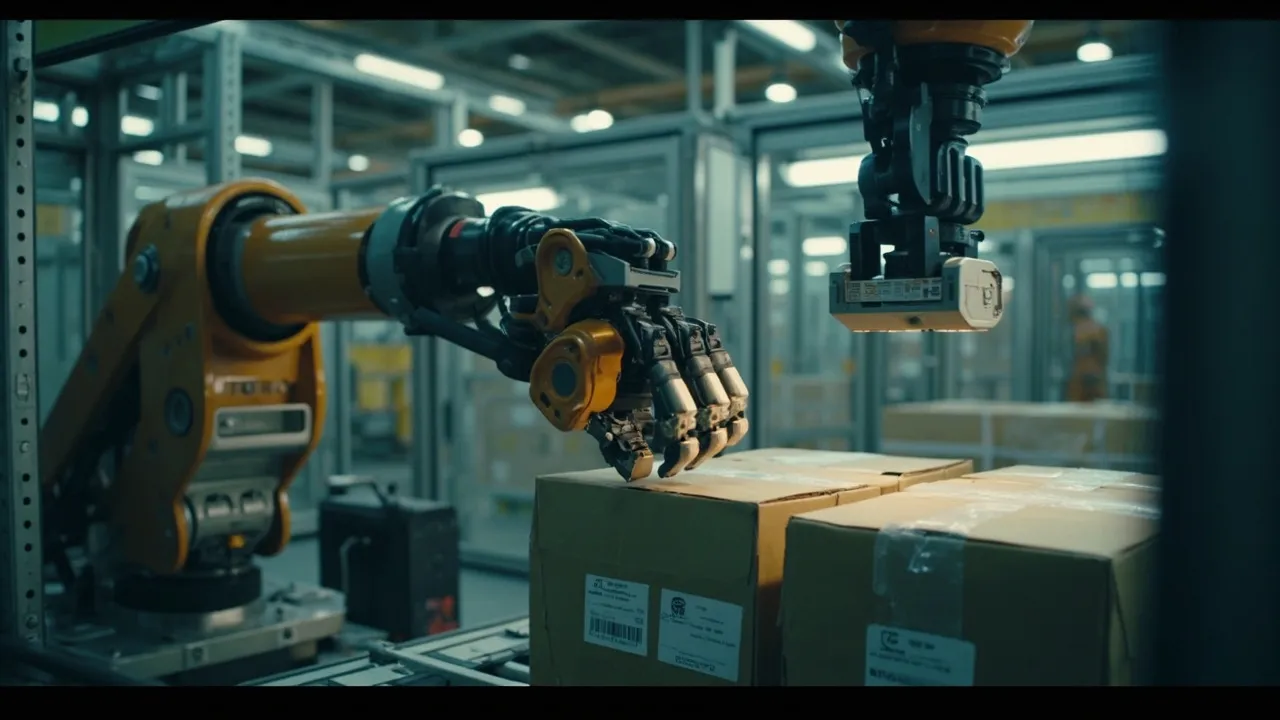
The most eye-catching debut at LogiMAT 2026 comes from Artisteril Robotics, which will demonstrate a humanoid robot working collaboratively with an autonomous mobile robot (AMR) in an actual production use case. This isn't a concept video — it's a live industrial application running in Hall 8.
While humanoid robots remain early-stage for most logistics operators, the demonstration signals where the industry is heading. SSI Schäfer will also showcase its FastBots solution in closed warehouse environments where fewer safety regulations apply, offering a realistic near-term deployment path. According to the MHI and Deloitte 2025 Annual Industry Report, robotics and automation adoption continues to accelerate, with companies increasingly moving from pilot programs to scaled deployment.
2. Modular AMR Platforms Replace One-Size-Fits-All Fleets
The AMR segment at LogiMAT 2026 reveals a clear trend: modularity and customization are replacing the one-robot-fits-all approach. Several exhibitors illustrate this shift:
- Innok Robotics unveils the Induros AMR family (models 350s through 1300) alongside a fleet manager for centralized planning and optimization of entire robot fleets.
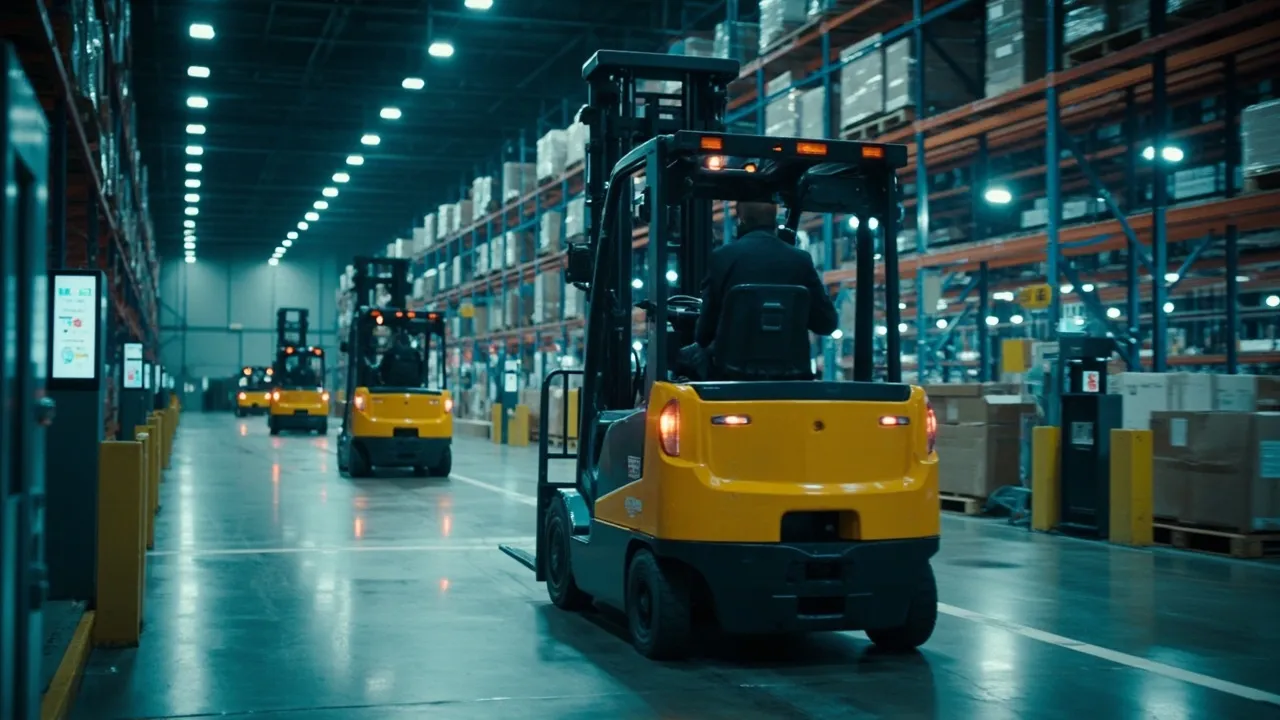
- W. Gessmann introduces the GESSbot, a customizable AMR with interchangeable top attachments that can handle trolleys, pallets, and containers — even integrating RFID readers for automated inventory tracking.
- ek robotics presents its X MOVE transport platform working in tandem with the cognitive robot MAiRA from Neura Robotics, combining autonomous transport and tote handling in a single system.
- NEOintralogistics demonstrates an AMR-based goods-to-worker system that retrofits into existing shelving without structural modifications or production downtime.
This modularity matters because 75% of industry leaders expect to adopt intralogistics solutions by 2026, but most existing warehouses cannot accommodate the rigid infrastructure that traditional automation requires.
3. Machine Vision Becomes the Eyes of the Warehouse
IDS Imaging Development Systems is bringing two significant camera technologies to LogiMAT that push machine vision beyond simple barcode scanning. The Nion 3D camera delivers stable depth images for precise object detection and dimensional measurement, while the uEye Live cameras enable real-time visual monitoring across logistics workflows.
Combined with the identCHAIN data exchange standard, these systems enable six-sided scanning tunnels that can inspect parcels at conveyor speed — detecting damage, verifying labels, measuring dimensions, and reading codes simultaneously. For high-throughput distribution centers processing thousands of parcels per hour, machine vision replaces manual quality control while generating data that feeds back into warehouse management systems.
The broader trend is unmistakable: as the automated intralogistics market grows toward $186 billion by 2032 (a 14.4% CAGR from 2025), visual intelligence is becoming the connective tissue between robotic handling and software-driven decision-making.
4. Automation-as-a-Service Lowers the Entry Barrier
One of LogiMAT 2026's most practical innovations isn't a specific product — it's a business model. Multiple exhibitors now offer rental and lease options for process automation hardware, mirroring the subscription models already common in logistics software.
This shift directly addresses the capital expenditure barrier that has kept small and mid-sized warehouses from automating. Instead of a multi-million-dollar upfront investment in conveyor systems or AMR fleets, operators can now scale automation incrementally — adding capacity during peak seasons and adjusting during slower periods.
For logistics managers building the business case for automation, the rental model transforms the conversation from "Can we afford a $2M system?" to "Can we afford $15K per month to eliminate three manual processes?" That reframing, combined with labor shortages that show no signs of easing, is accelerating adoption among the mid-market operators who make up the bulk of LogiMAT's audience.
5. Fraunhofer IML's AULIS: An Operating System for Mixed Robot Fleets
The Fraunhofer Institute for Material Flow and Logistics (IML) will demonstrate AULIS, an agent-based, modular operating system for intralogistics that orchestrates mixed fleets of AGVs and AMRs. Showcased at the prismat GmbH booth, AULIS integrates seamlessly with SAP to coordinate the internal transport of goods across heterogeneous robot systems.
This matters because most warehouses don't operate a single robot brand. They accumulate AGVs from one vendor, AMRs from another, and shuttles from a third — each running proprietary fleet management software. AULIS provides a unified coordination layer that treats the warehouse as a single logistics network rather than isolated automation islands. As reported by Supply Chain Dive, the trend toward AI-driven orchestration across logistics operations is reshaping how companies approach technology integration.
What Shippers Should Do Before March 24
LogiMAT 2026 offers more than a technology showcase — it's a strategic planning opportunity. Before attending, logistics professionals should:
-
Audit current bottlenecks. Identify the specific manual processes that consume the most labor hours. The most valuable LogiMAT conversations happen when you arrive with a defined problem, not a vague interest in "automation."
-
Evaluate retrofit potential. Solutions like NEOintralogistics' shelving AMRs and GESSbot's modular platform are designed for existing facilities. Know your warehouse layout and constraints before comparing options.
-
Model the rental math. With automation-as-a-service options expanding, bring your operational cost data. The payback period for leased automation is often under 18 months when factoring in labor savings and error reduction.
-
Plan for fleet interoperability. If you're already running automated systems, prioritize exhibitors offering open integration standards like identCHAIN and fleet orchestration platforms like AULIS.
The intralogistics market is growing at 15% annually for a reason: warehouses that don't automate are falling behind on throughput, accuracy, and labor cost competitiveness. LogiMAT 2026 is where the next generation of solutions becomes tangible.
Looking to integrate warehouse automation with your transportation management workflows? Contact CXTMS to see how our platform connects intralogistics operations with end-to-end supply chain visibility.