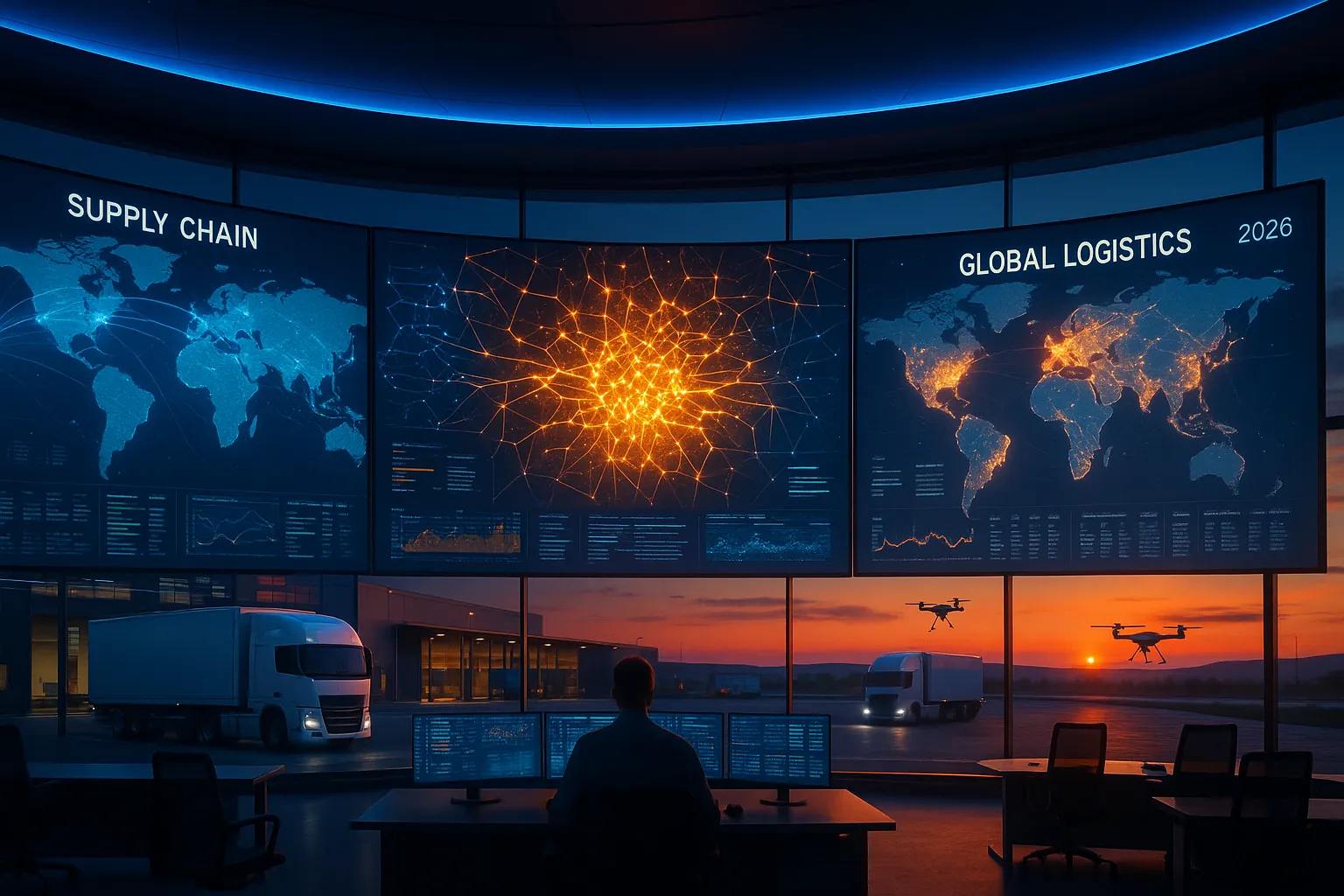
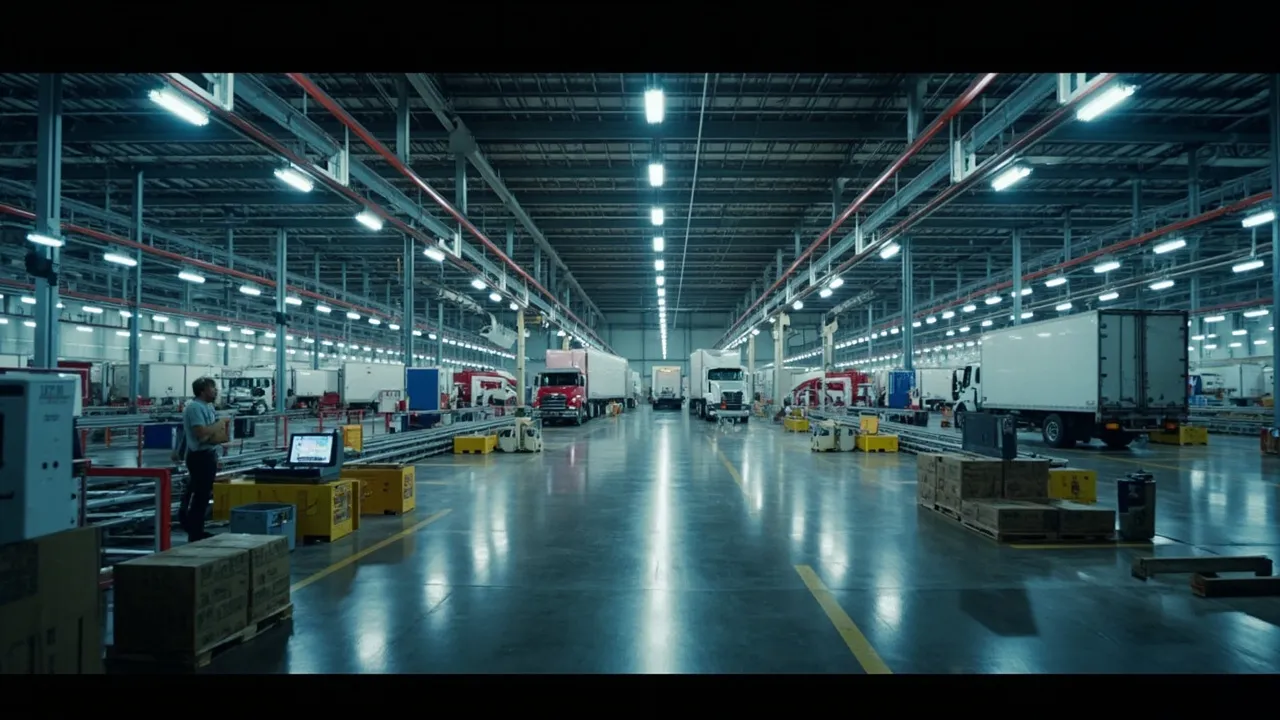
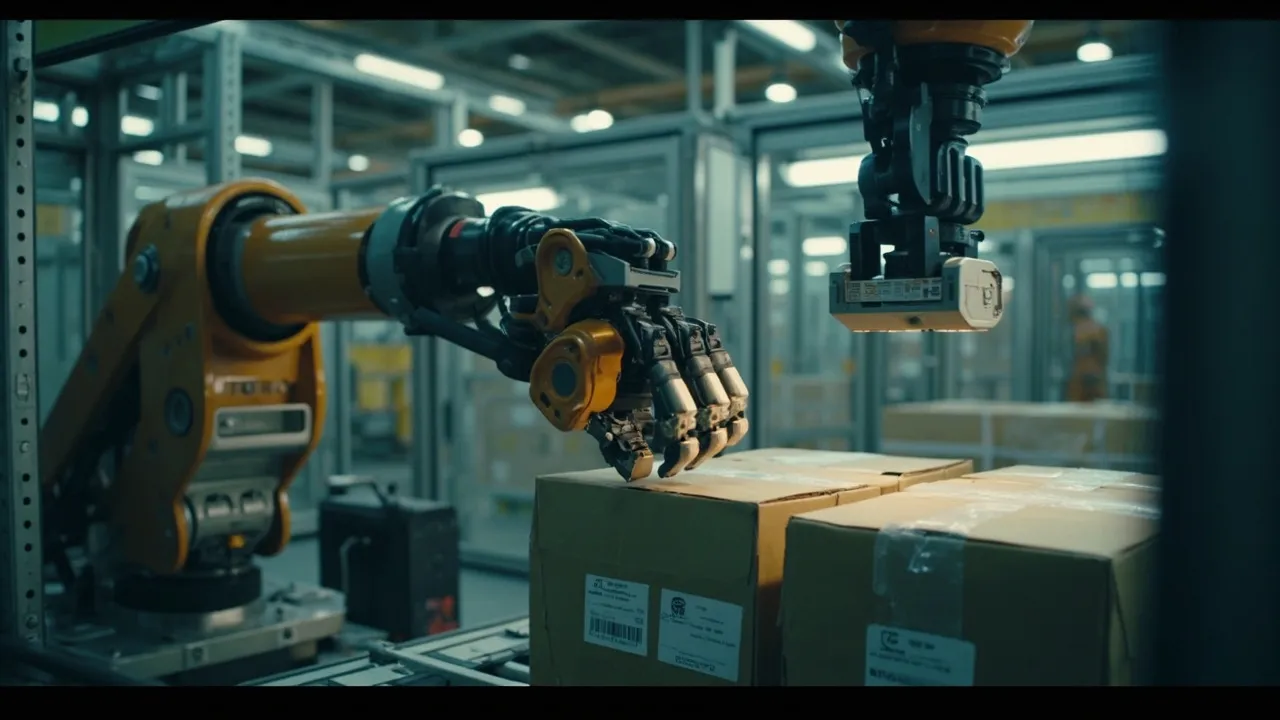
Machine Vision Is Becoming the Eyes of the Automated Warehouse: How Computer Vision Is Transforming Intralogistics in 2026

Machine vision is no longer a niche technology reserved for semiconductor fabs and automotive assembly lines. In 2026, industrial cameras and AI-powered visual intelligence systems are becoming the eyes of the modern warehouse — scanning, sorting, inspecting, and verifying millions of parcels per day with a precision that human workers simply cannot match.
The Machine Vision Market Is Surging
The global machine vision systems market is expected to reach $13.95 billion in 2025 and grow at a CAGR of 7.27% to hit $19.81 billion by 2030, according to Mordor Intelligence. While manufacturing and electronics have historically dominated adoption, logistics and warehousing represent the fastest-growing application segment, driven by e-commerce volumes that show no signs of slowing.
The broader warehouse automation market tells an even more compelling story: valued at $29.98 billion in 2026, it's projected to reach $59.52 billion by 2030 at an 18.7% CAGR. Machine vision sits at the intersection of this growth, providing the visual intelligence layer that makes autonomous operations possible.
Five Use Cases Transforming Warehouse Operations
1. Six-Sided Scanning Tunnels
Modern parcel sorting facilities deploy scanning tunnels that capture all six sides of a package simultaneously as it moves along a conveyor at speeds exceeding 2 meters per second. These systems read barcodes, QR codes, and shipping labels regardless of orientation, eliminating the need for manual package alignment. Throughput rates of 4,000–6,000 parcels per hour per tunnel are now standard in high-volume distribution centers.
2. Automated Damage Detection
AI-powered cameras can identify dented corners, torn packaging, wet stains, and crushed boxes in real time. By catching damage at the point of induction rather than at the customer's doorstep, warehouses reduce return rates and claims costs. Early adopters report 30–40% reductions in damage-related customer complaints after deploying visual inspection systems at inbound receiving docks.
3. Inventory Verification and Cycle Counting
Drone-mounted and fixed-position cameras equipped with optical character recognition (OCR) now perform cycle counts autonomously. A single camera-equipped drone can scan an entire warehouse aisle in minutes, verifying inventory positions against WMS records. This approach reduces cycle counting labor by up to 70% while improving accuracy to above 99%.
4. Label Reading and Compliance Verification
Machine vision systems verify that shipping labels are correctly applied, readable, and compliant with carrier requirements before packages enter the sortation system. Misrouted packages — a persistent cost center in parcel logistics — drop significantly when every label is verified at line speed.
5. Quality Control for Returns Processing
Reverse logistics operations use machine vision to assess returned items automatically, categorizing them by condition and routing them to the appropriate disposition path — restocking, refurbishment, or liquidation — without manual inspection bottlenecks.
LogiMAT 2026: The Showcase for Visual Intelligence
The upcoming LogiMAT 2026 trade fair in Stuttgart (March 24–26) is set to be a landmark event for machine vision in intralogistics. IDS Imaging Development Systems, a leading industrial camera manufacturer, is showcasing several innovations at Hall 2, Booth 2C14 that illustrate where the technology is heading:
- Nion 3D Time-of-Flight (ToF) Camera: Delivers stable depth images ideal for volume measurement and depalletizing tasks — critical for automated dimensioning in parcel and freight operations.
- uEye Live Cameras: Provide real-time monitoring of logistics processes through efficient live streaming, enabling remote quality oversight across multiple facilities.
- AI-Powered Vision Systems: Edge-inference cameras that run neural networks directly on the device, eliminating the latency of cloud processing for time-critical sorting decisions.
The identCHAIN initiative, also featured at LogiMAT, is working to standardize data exchange between vision systems and warehouse management platforms — solving the integration challenge that has historically slowed adoption.
The ROI Case: Vision vs. Manual Inspection
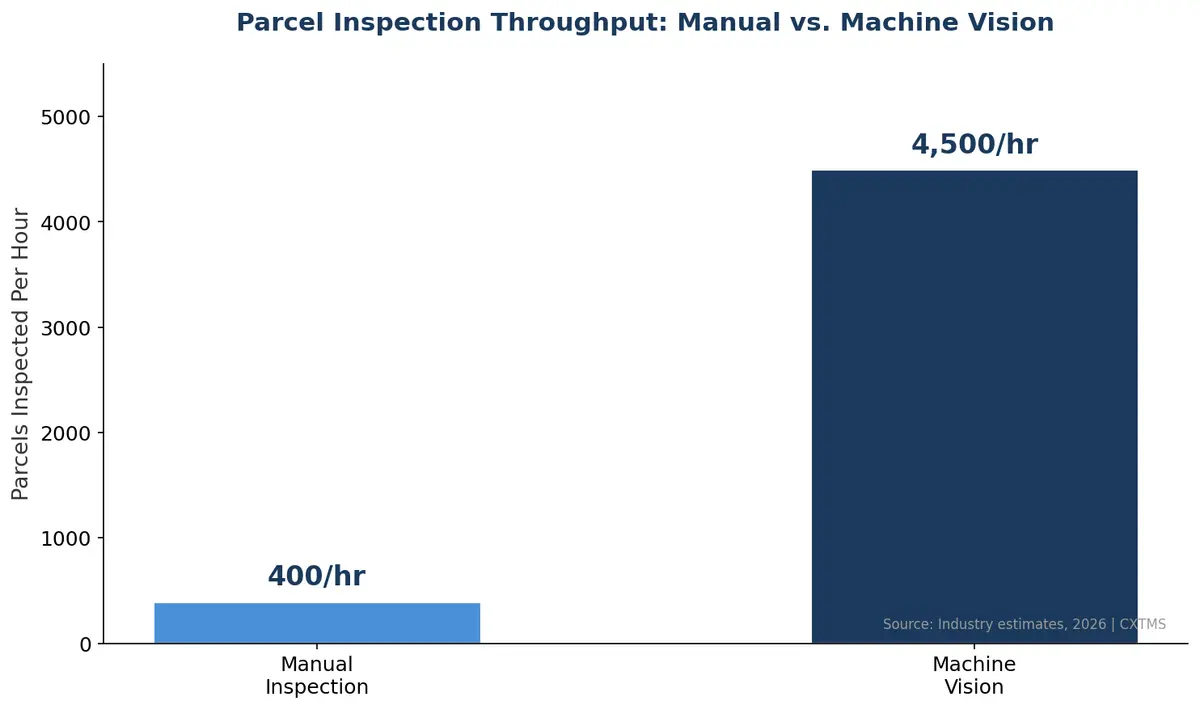
The business case for machine vision in warehousing is straightforward. A typical manual inspection station processes 300–500 parcels per hour with error rates of 2–5%. A machine vision system inspects 3,000–6,000 parcels per hour with error rates below 0.1%.
For a mid-size distribution center processing 50,000 parcels daily, the math is compelling:
- Labor savings: Replacing 8–10 manual inspection positions saves $400,000–$600,000 annually
- Error reduction: Cutting misroutes and missed damage from 3% to under 0.1% saves an additional $200,000–$350,000 in claims and reshipment costs
- Throughput gains: Faster inspection eliminates bottlenecks, enabling 15–20% higher facility throughput without expansion
Most deployments achieve full ROI within 12–18 months, with ongoing cost savings compounding as AI models improve through continuous learning on operational data.
Integration With WMS and AMR Systems
The real power of machine vision emerges when it's integrated into a broader automation ecosystem. Modern vision systems feed data directly into warehouse management systems (WMS), triggering automated put-away decisions, routing changes, and exception handling without human intervention.
When paired with autonomous mobile robots (AMRs), machine vision provides the spatial awareness needed for dynamic navigation — identifying obstacles, reading location markers, and verifying pick accuracy. This convergence of vision, robotics, and software is creating warehouses that operate with minimal human touchpoints from receiving dock to shipping lane.
What Shippers Should Evaluate Now
For logistics leaders considering machine vision investments in 2026, five factors should guide the evaluation:
- Start with the highest-volume pain point — parcel sorting, damage detection, or inventory accuracy — rather than attempting a facility-wide deployment.
- Prioritize systems with open APIs that integrate with your existing WMS and TMS platforms.
- Demand edge-inference capability — cloud-dependent vision systems introduce latency and single points of failure.
- Evaluate total cost of ownership, including lighting upgrades, conveyor modifications, and ongoing AI model training.
- Plan for identCHAIN and similar standards that will simplify multi-vendor vision system interoperability.
The warehouses that invest in visual intelligence today will operate at fundamentally different economics than those that don't. In a market where labor costs continue to rise and customer expectations for speed and accuracy only intensify, machine vision isn't a futuristic aspiration — it's a 2026 operational imperative.
Ready to integrate machine vision data into your logistics workflows? Contact CXTMS for a demo of how our platform connects warehouse automation with end-to-end supply chain visibility.