HM-266 Explained: How PHMSA's Hazmat Transport Modernization Opens the Door for Autonomous Freight

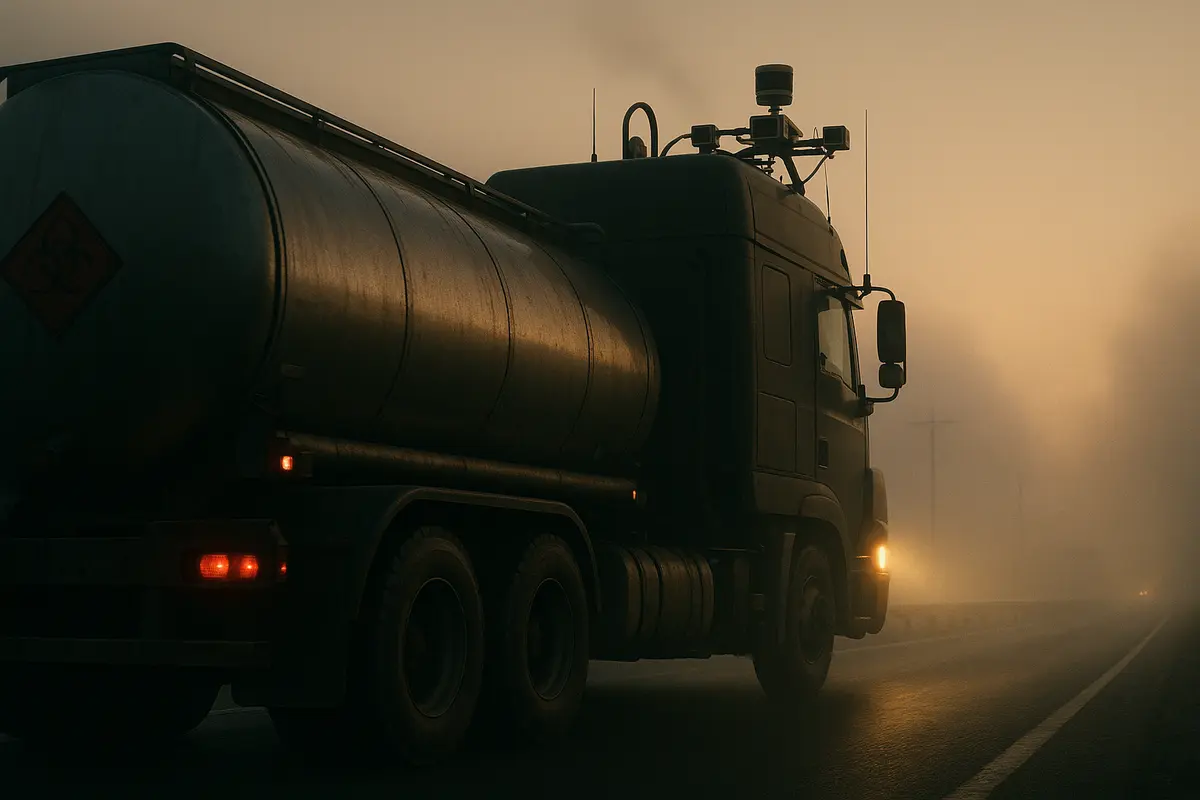
The Hazardous Materials Regulations haven't had a fundamental rethink since the era of paper manifests and CB radios. Now, with autonomous trucks logging highway miles and delivery drones carrying lithium batteries to doorsteps, the Pipeline and Hazardous Materials Safety Administration (PHMSA) is asking a question that could reshape freight compliance for a generation: what happens when there's no driver in the cab?
What Is HM-266 and Why Does It Matter?
HM-266 is an Advance Notice of Proposed Rulemaking (ANPRM) published by PHMSA on December 4, 2025. It formally opens the door to modernizing 49 CFR Parts 171–180 — the backbone of U.S. hazardous materials transportation law — to accommodate what PHMSA calls Highly Automated Transportation Systems (HATS).
This isn't an approval or a ban on autonomous hazmat transport. It's the federal government acknowledging that the current rulebook was written for human operators, and asking industry stakeholders how it should change. The public comment deadline is March 4, 2026 (Docket PHMSA-2024-0064).
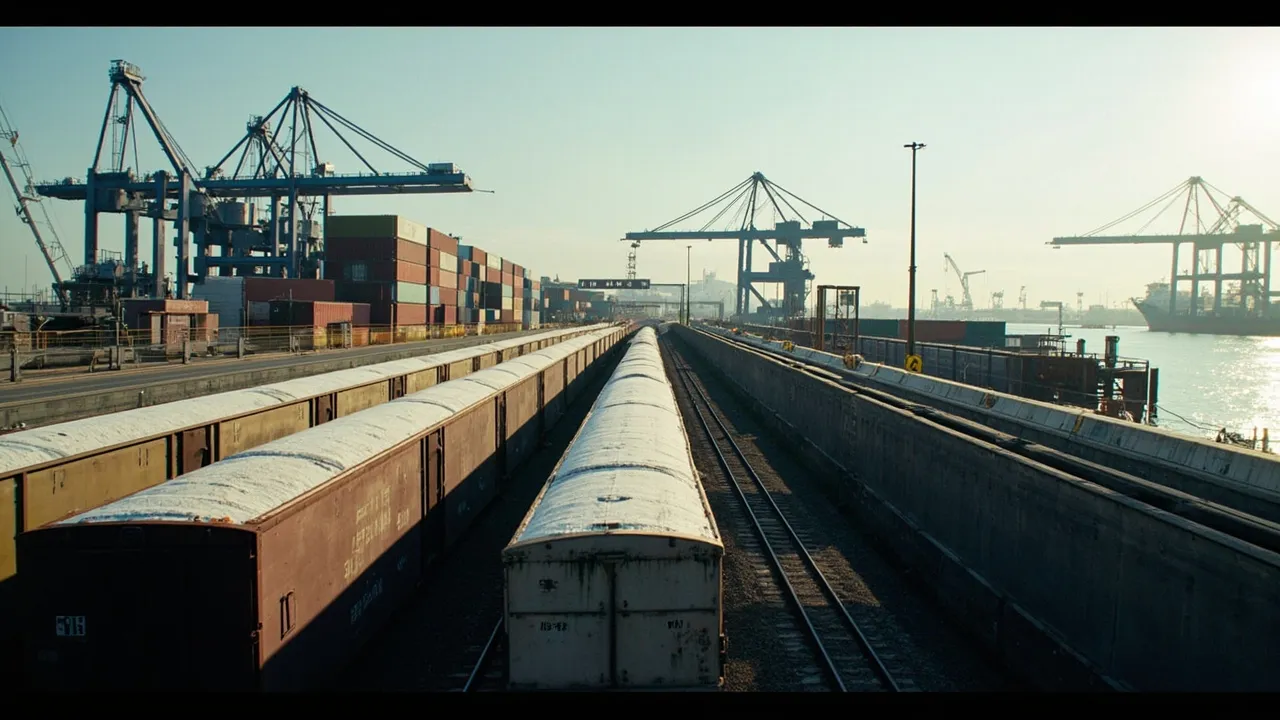
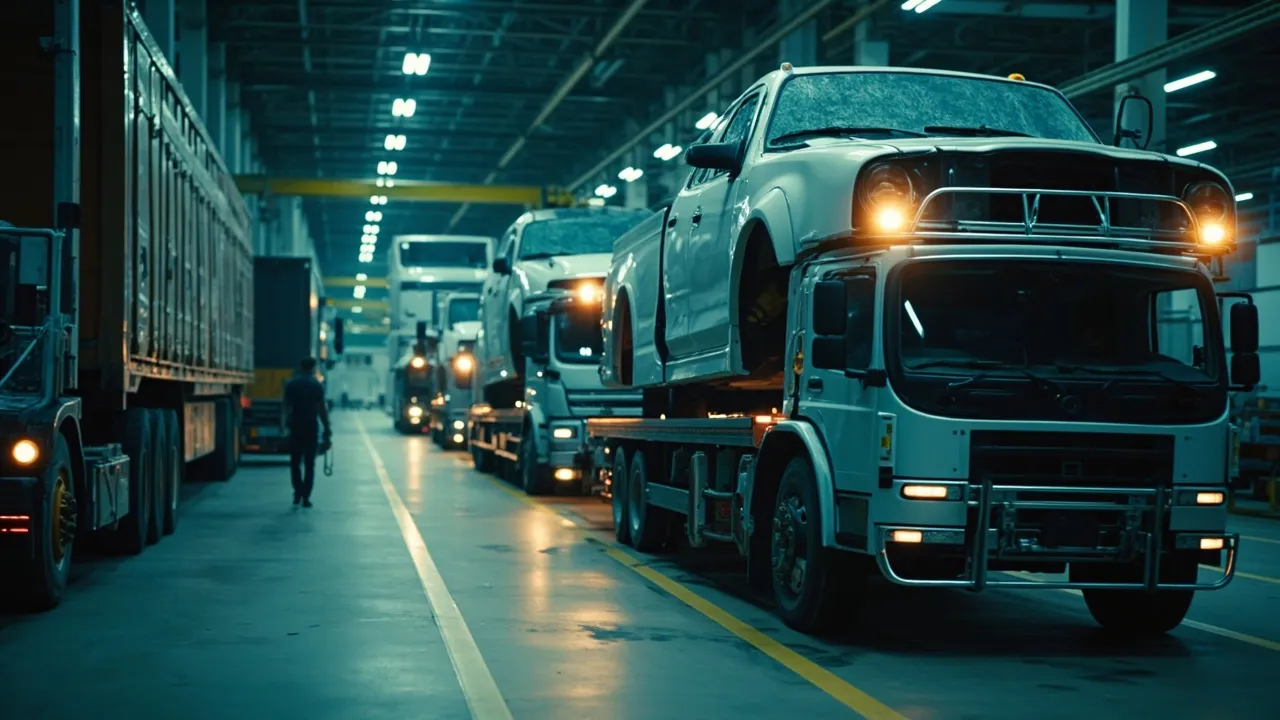
The stakes are significant. The autonomous truck market is projected to grow from $39.5 billion in 2025 to $65.7 billion by 2030, according to Mordor Intelligence — a 10.7% compound annual growth rate. Meanwhile, approximately 3.1 billion tons of hazardous materials move across U.S. highways, railways, and waterways each year. Where those two trends intersect, the regulatory framework must evolve.
The Core Problem: Regulations That Assume a Human Is Present
Nearly every compliance requirement in the current HMR implicitly assumes a trained human operator is physically present at the vehicle. Consider the chain of responsibilities that a hazmat driver handles today:
- Shipping papers and emergency response information must be carried in the cab and presented to inspectors or first responders on demand
- Pre-trip inspections require a qualified person to verify placards, labels, packaging integrity, and securement
- Incident response assumes someone at the scene can identify leaks, communicate hazard details, and take protective action
- Loading and unloading operations depend on trained personnel verifying compatibility, securing cargo, and monitoring for releases
When the cab is empty — or when a 50-pound drone is delivering Class 9 hazmat to a residential address — each of these requirements needs a technological or procedural equivalent.
Six Areas PHMSA Is Targeting for Modernization
The HM-266 ANPRM identifies several critical regulatory domains that need rethinking:
1. Electronic Shipping Papers
This is widely seen as the most likely area for early regulatory movement. Digital shipping papers could replace physical documents, giving first responders authenticated, real-time access to hazmat details through mobile devices or centralized databases — even when no driver is present. The benefit extends beyond autonomous vehicles: electronic documentation would improve safety and efficiency for all hazmat shipments.
2. Hazard Communication and Placarding
Autonomous vehicles still need to communicate their cargo hazards to the public and emergency responders. PHMSA is exploring whether digital placarding, telematics-based hazard broadcasting, or connected-vehicle communication protocols could supplement or replace traditional diamond-shaped placards.
3. Training and Qualification Requirements
The current HMR requires "hazmat employees" to complete function-specific training. But when a remote operations center monitors an autonomous tanker truck 200 miles away, who qualifies as the hazmat employee? HM-266 asks how training requirements should extend to remote operators, software engineers, and operations center staff.
4. Security Plans and Cybersecurity
Autonomous hazmat vehicles introduce an entirely new threat surface. A human driver provides a physical security presence — detecting tampering, verifying identity at pickup and delivery, and making judgment calls about suspicious circumstances. PHMSA recognizes that cybersecurity protections, authenticated access controls, and remote monitoring capabilities must be addressed in any modernized framework.
5. Loading and Unloading Procedures
Traditional hazmat loading requires trained personnel to verify compatibility, supervise transfers, and respond to spills. For automated systems — particularly smaller delivery robots and drones — PHMSA is examining how these safety functions can be performed without on-site human oversight.
6. Inspection and Enforcement
Roadside inspections by DOT enforcement officers currently involve interacting with a driver who can present documents, answer questions, and demonstrate compliance. PHMSA must define how inspectors will verify compliance for driverless vehicles, including data access protocols and remote verification systems.
What This Means for Shippers and Carriers
The HM-266 rulemaking won't produce enforceable regulations overnight — the ANPRM is just the first step in a multi-year process. But the direction is clear, and logistics operators should be preparing now:
Invest in digital documentation. Electronic shipping papers are coming regardless of the autonomous vehicle timeline. Shippers who digitize hazmat documentation today will have a compliance head start and immediate operational benefits — faster processing, fewer errors, and better audit trails.
Audit your "human assumption" workflows. Map every hazmat process that depends on a physical human presence. Understanding where your operations rely on human judgment versus where technology could serve creates a readiness roadmap for whatever rules emerge.
Engage with the rulemaking. The quality of industry comments directly shapes what PHMSA proposes. Carriers and shippers with operational expertise in hazmat transport have practical insights that regulators need — particularly around edge cases, failure modes, and real-world enforcement challenges.
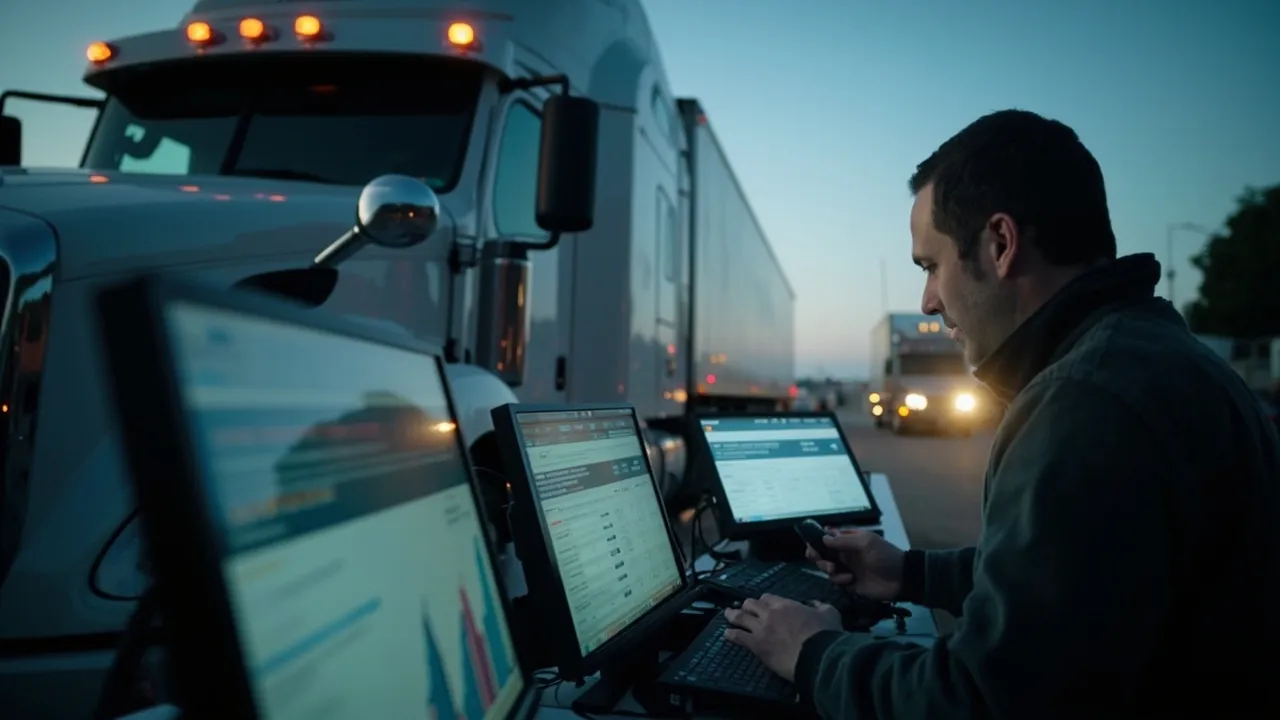
Evaluate your TMS capabilities. As hazmat compliance moves from paper to digital, your transportation management system must handle electronic hazmat documentation, automated compliance checks, and integration with regulatory databases. Systems built for manual, paper-based workflows will become liabilities.
The Bigger Picture: Safety Through Modernization
PHMSA's approach with HM-266 reflects a pragmatic philosophy: automation is coming to hazmat transport whether regulations are ready or not. By modernizing the regulatory framework proactively, PHMSA aims to ensure that autonomous hazmat operations meet or exceed the safety standards of human-operated transport — not simply replicate them.
The data supports the potential. Human error contributes to a significant share of hazmat incidents — from improper loading and securement to missed inspections and delayed response. Automated systems that never fatigue, never skip a checklist, and never lose a shipping document could meaningfully reduce incident rates. But only if the regulatory framework ensures accountability, enforceability, and fail-safe design.
How CXTMS Prepares You for the Shift
CXTMS is built for the compliance landscape that HM-266 envisions. Our platform already supports electronic hazmat documentation workflows, automated dangerous goods classification, and digital compliance audit trails that eliminate paper-based bottlenecks. As regulations evolve to accommodate autonomous freight operations, CXTMS provides the digital infrastructure that shippers and carriers need to stay ahead of enforcement requirements — not scramble to catch up.
Navigating hazmat compliance in the age of autonomous freight? Contact CXTMS for a demo and see how our platform keeps you ahead of regulatory change.