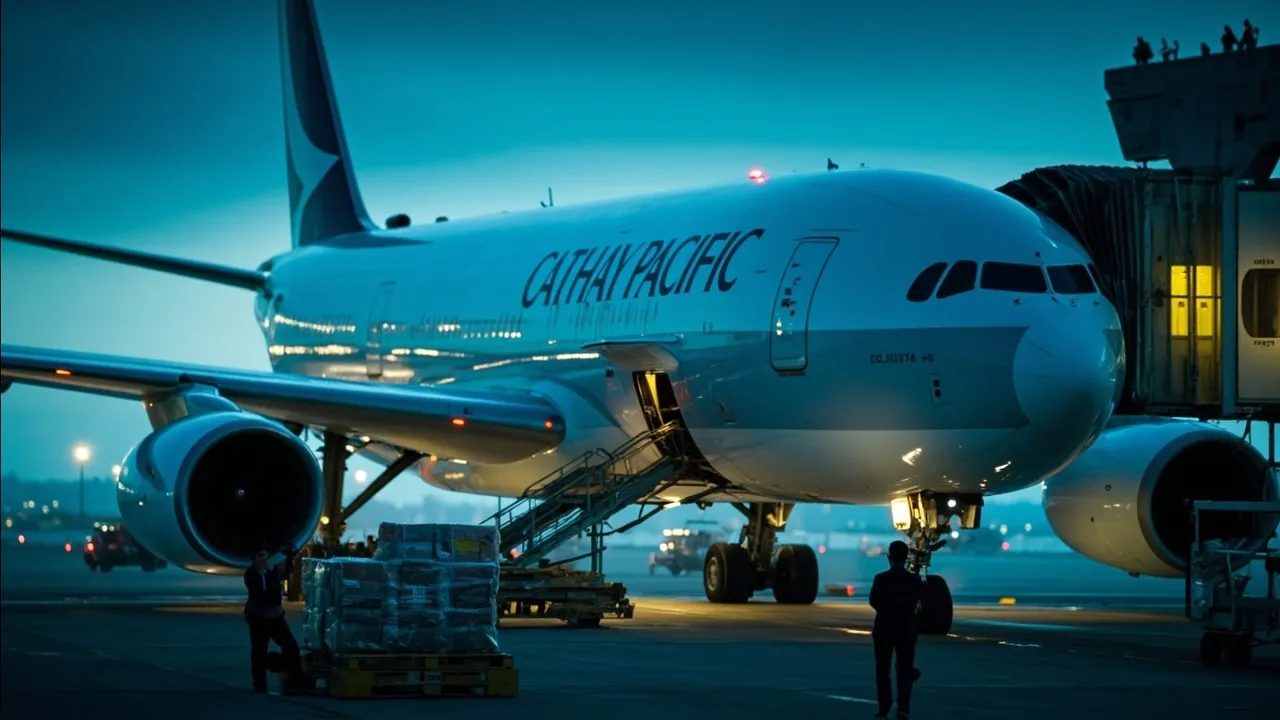
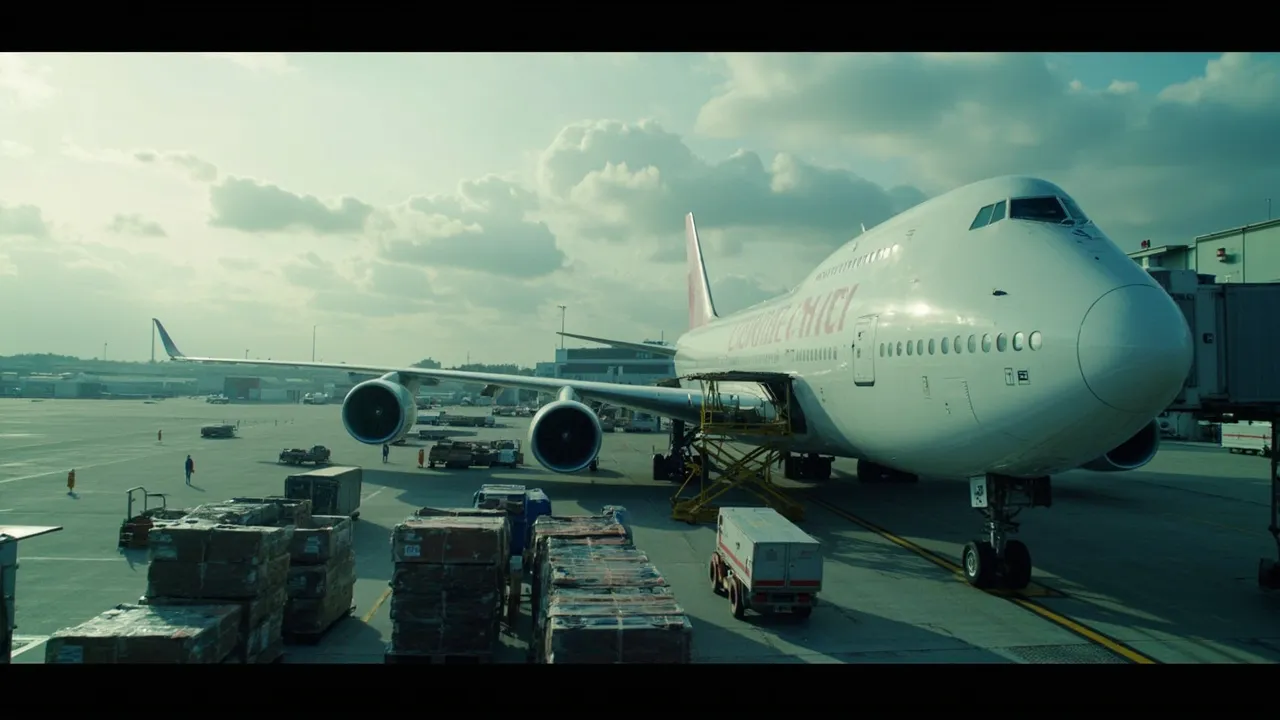
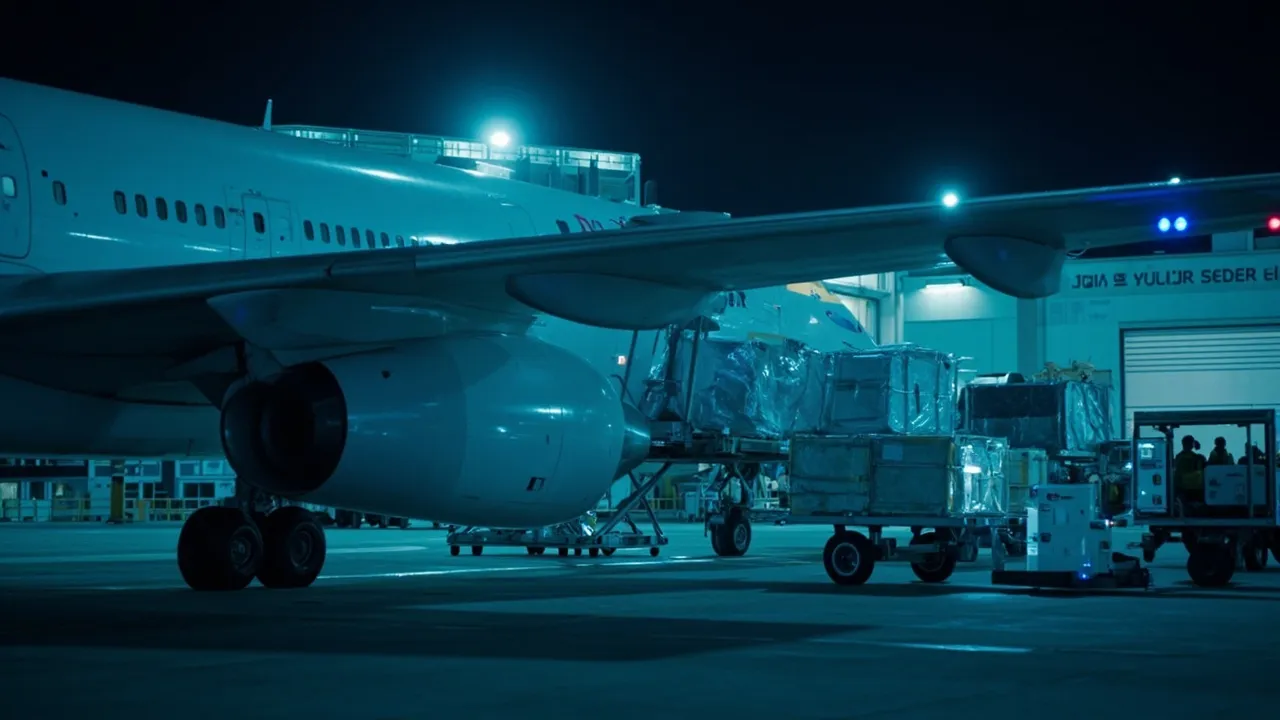
Heavy Air Cargo Is Becoming a Pressure Valve for Asia-to-US Industrial Supply Chains

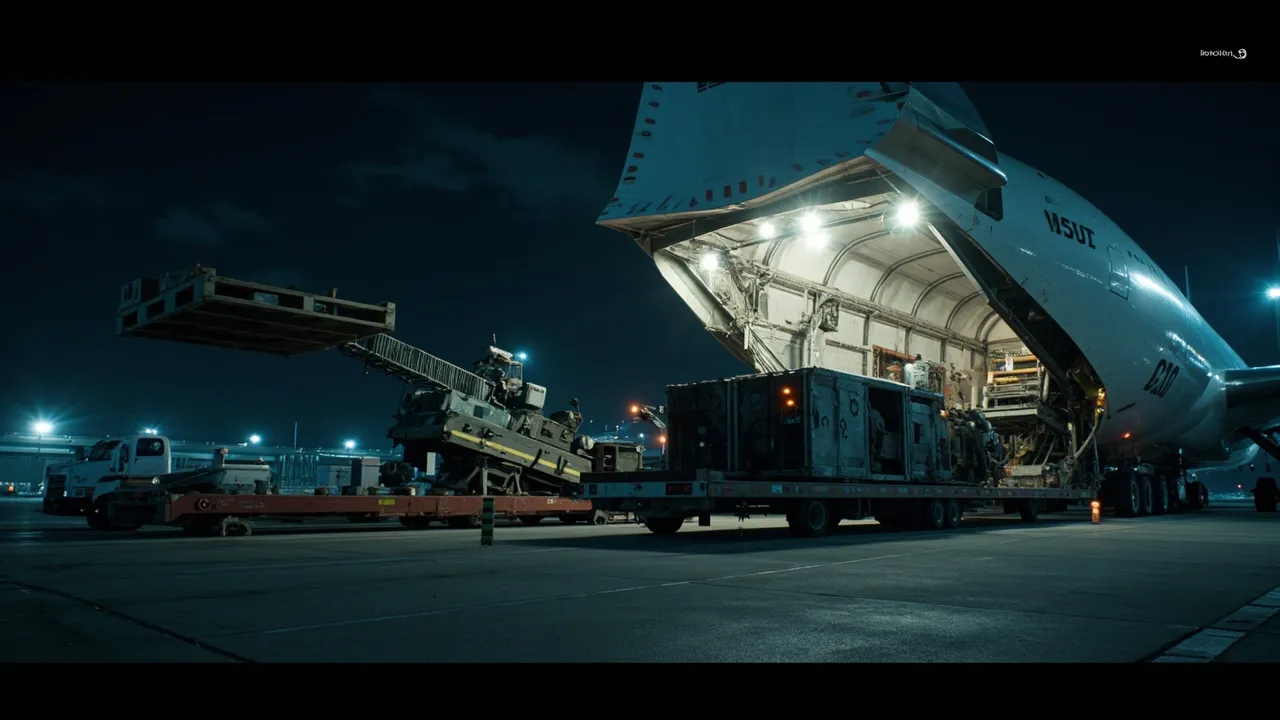
Heavy air cargo has always been expensive. That is not the interesting part. The interesting part is that more industrial shippers are treating it as a designed pressure valve instead of a last-minute panic button.
For Asia-to-U.S. and North American supply chains, the freight decision is no longer a clean ocean-versus-air calculation. Tariffs, production uptime, launch windows, border reliability, semiconductor demand, automotive parts velocity, and customer promise dates now collide inside the same shipment plan. When one of those variables moves, the cheapest mode can become the most expensive business decision in the room.
That does not mean every delayed container deserves air conversion. It means forwarders and manufacturers need a sharper decision system: when to fly, how much to fly, which gateway to use, who approves the spend, and how the move changes downstream inventory and delivery commitments.
Air cargo is stabilizing, but the use case is changing
Logistics Management recently described air cargo as a continuing “shock absorber” in turbulent trade, citing IATA projections that global air cargo volumes will rise 2.4% year over year to about 71.6 million tonnes in 2026, with cargo revenue projected to increase 2.1% to $158 billion. Those are not boom-cycle numbers. They point to a market that is growing modestly while becoming strategically more important.
The same report noted that yields are expected to decline slightly from 2025 but remain roughly 30% above pre-pandemic levels. That matters for shippers: air freight may be more available than it was during the worst disruption periods, but it is not cheap enough to use casually.
The better read is that air cargo is becoming more targeted. Logistics Management cited air cargo demand tied to high-value, time-sensitive goods, AI hardware investment, e-commerce, and trade-flow shifts. For industrial supply chains, that translates into a narrower but higher-value use case: move the parts that protect uptime, revenue, or tariff timing, not the freight that merely arrived late because planning was sloppy.
The North American signal matters for Asia-to-U.S. planning
The pressure-valve logic is visible in North America too. Logistics Management reported that UPS is investing nearly $50 million in automotive and industrial logistics operations and launching time-definite air freight service between Mexico and the rest of North America beginning in August. It is the first time UPS will offer North American Air Freight service to and from Mexico, with one-, two-, and three-day delivery options for high-value and time-sensitive shipments.
That is not an Asia-to-U.S. service, but it is highly relevant to Asia-to-U.S. industrial planning. Many manufacturers are no longer operating a single long ocean lane into one domestic distribution pattern. They are juggling Asian suppliers, Mexico production, U.S. final assembly, cross-border parts flows, and regional inventory buffers. A shipment that starts as an Asia-origin component problem can become a Mexico line-down issue or a U.S. customer-delay issue within days.
UPS told Logistics Management that more than 67% of its facilities now use automation technology to improve handling and visibility. The company also emphasized tracking, border-delay reduction, next-day business coverage, and same-day options through Roadie. The message is simple: speed only works when visibility and handoffs are tight enough to make speed usable.
Tariffs have turned mode selection into a finance decision
Air cargo also matters because tariffs have made timing a landed-cost variable. In a FreightWaves analysis of tariff-optimized supply chains, importers were described as treating tariff exposure as a live planning input alongside freight cost, lead time, and service level. The report cited duty brackets of 35% to 50% growing more than tenfold, while the 50%-plus bracket moved from effectively zero to tens of thousands of entries.
That kind of exposure changes the math. FreightWaves reported that air freight gained approximately 12 percentage points and truck gained eight points during tariff-driven adaptation, while ocean freight declined 10 to 12 percentage points and did not rebound. Bonded warehouse usage also climbed from around 10% of entries to 16% to 18%.
The lesson is not “fly everything before tariffs hit.” That is expensive and usually dumb. The lesson is that mode selection now belongs in the same conversation as classification, entry timing, bonded storage, customer margin, and working capital. A shipment may justify air if it avoids a line shutdown, protects a contractual launch, or prevents a duty exposure that overwhelms the freight premium. It may not justify air if the receiving site already has two weeks of usable inventory.
A practical CXTMS decision tree
Forwarders should start with SKU criticality. If the shipment supports a production line, regulated customer commitment, medical or semiconductor program, vehicle launch, warranty obligation, or contractual penalty, it deserves an expedited review. If it replenishes ordinary stock with no near-term service risk, ocean or deferred routing should usually stay in play.
Next, calculate the failure cost. Include downtime, missed revenue, customer penalties, premium labor, detention, storage, rework, lost allocation, and customer churn. If those costs exceed the air premium, speed is not a luxury; it is risk containment.
Third, separate full conversion from bridge inventory. Many industrial shippers do not need the whole order in the air. They need five days of parts to hold production until ocean freight arrives, or only the high-value SKUs tied to a launch. Partial air conversion is often the highest-ROI move because it buys time without destroying margin.
Fourth, compare gateway options. Asia-to-U.S. routing can involve direct U.S. entry, Canada or Mexico staging, bonded warehousing, deferred duty strategies, domestic truck recovery, and regional cross-docks. A TMS should make those options visible before planners are stuck forwarding email quotes.
Fifth, automate approvals. Air conversion should capture the reason code, service promise, cost delta, tariff implication, inventory impact, customer exposure, and approver. If the approval trail lives in inboxes, finance will hate the outcome even when operations made the right call.
The takeaway for industrial shippers
SupplyChainBrain recently framed 2026 freight as a trilemma of cost, service, and sustainability, citing a Flatbed Outbound Tender Reject Index spike to 48.74% in March 2026 and a Logistics Managers’ Index capacity reading of 41.0 versus 55.1 in 2025. That pressure is exactly why mode choice needs discipline. Capacity gets tight, service promises stay firm, and every premium decision has to defend itself.
Heavy air cargo is valuable because it gives industrial supply chains optionality. But optionality without rules is just a faster way to burn money.
CXTMS helps logistics teams turn those tradeoffs into repeatable execution: SKU criticality, lane visibility, cost comparison, milestone exceptions, customer commitments, approval workflows, and post-shipment measurement in one transportation control layer. Request a CXTMS demo to see how your team can make air, ocean, truck, and inventory decisions before disruption becomes an emergency.