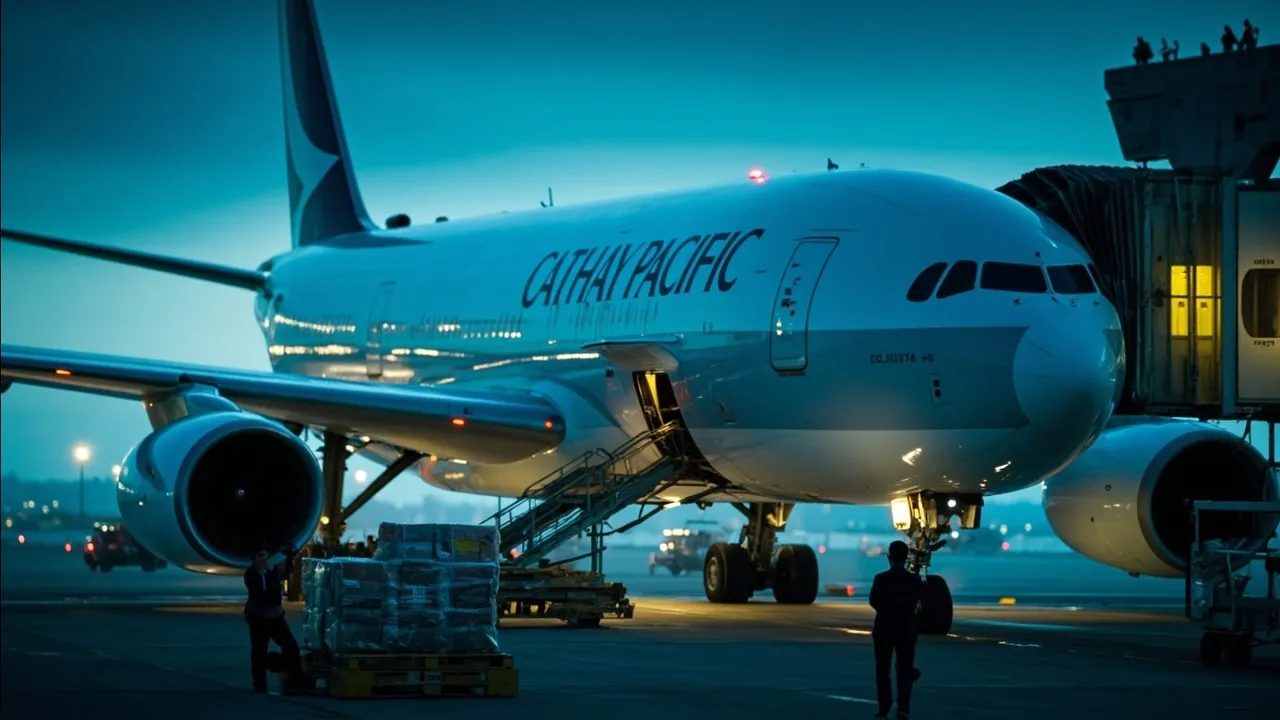
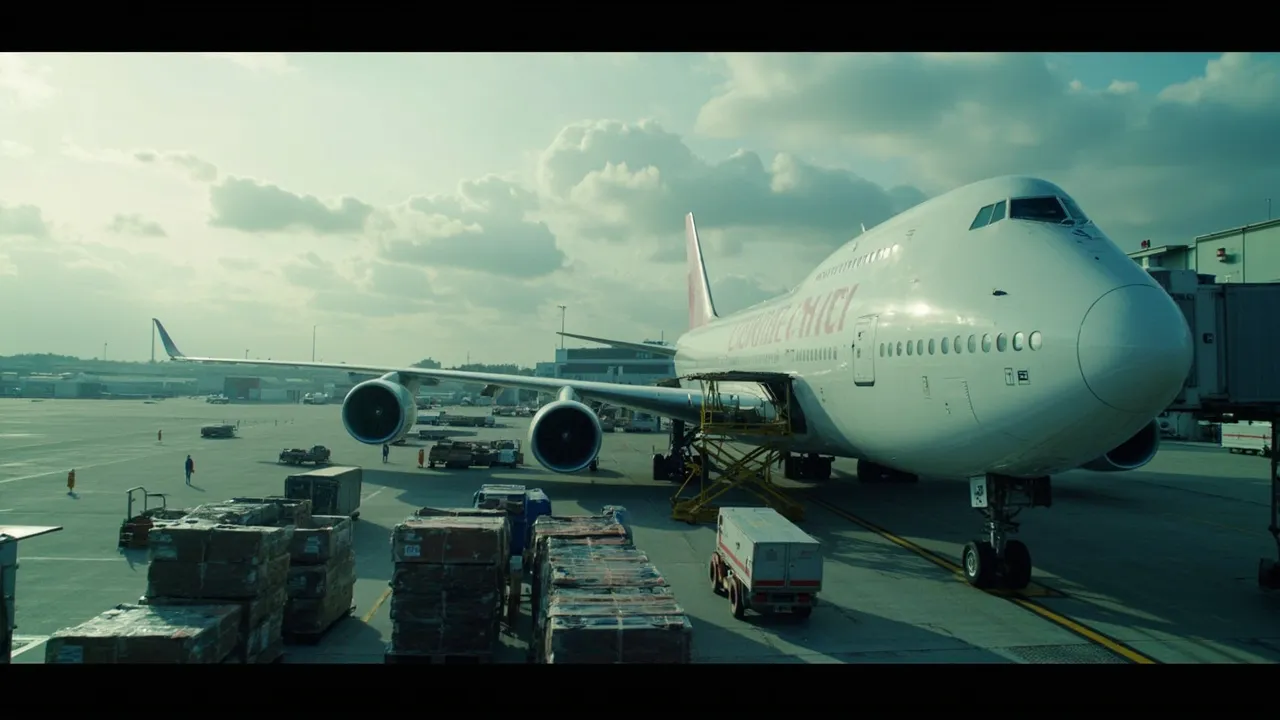
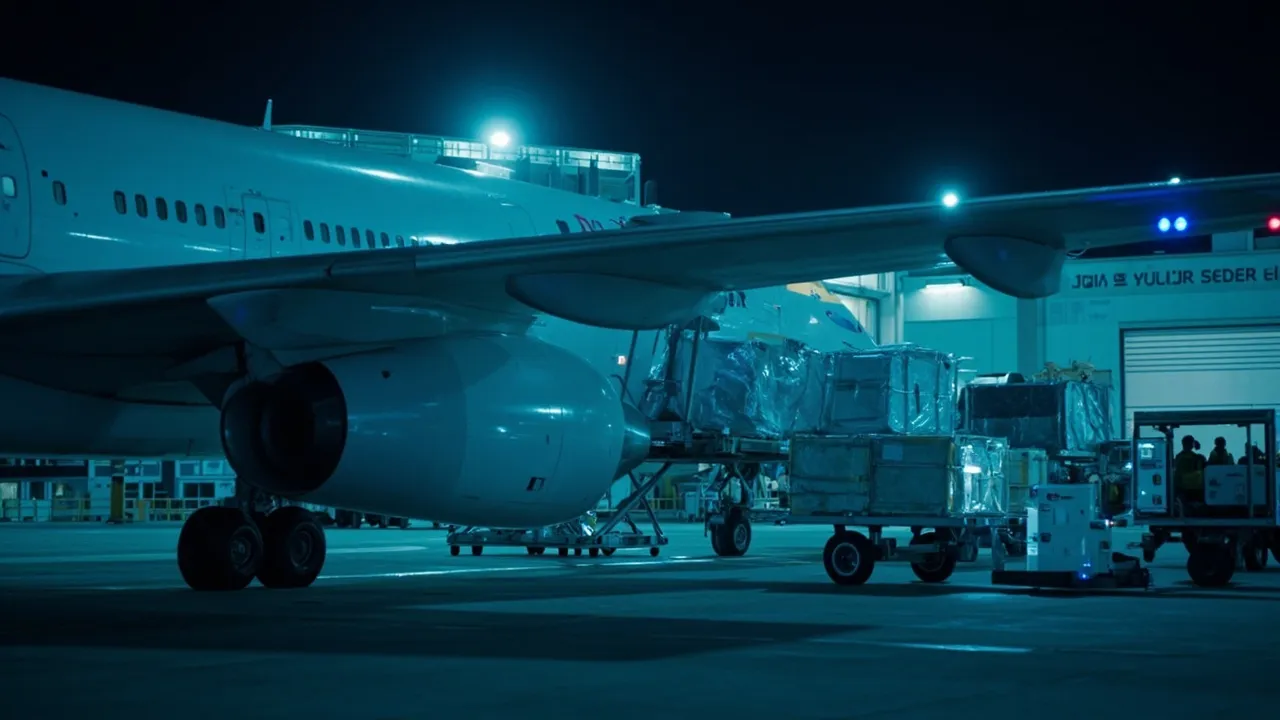
FedEx’s Netherlands Hub Investment Shows Europe’s Truck-Air Networks Are Converging

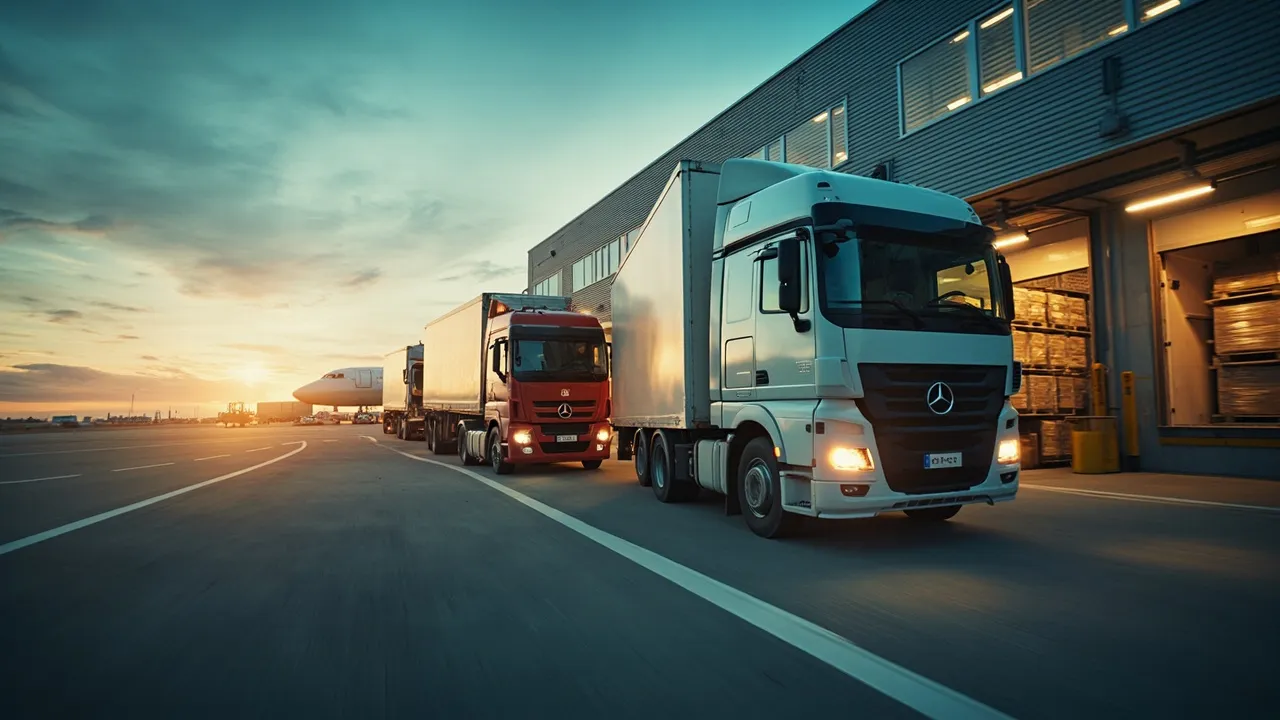
FedEx’s latest Netherlands investment is not just another facility expansion. It is a useful signal about where European freight networks are heading: less separation between road freight and air cargo, and more pressure on the handoff points that connect them.
FreightWaves reported that FedEx is investing $54 million to expand its road hub in Duiven, Netherlands, by buying and developing a facility adjacent to its existing terminal. The expansion is expected to increase palletized freight handling capacity by more than 50% and add 65 dock doors, bringing the site to 265 docking spaces.
Those are big numbers for a truck terminal. But the strategic point is bigger than dock count. FedEx is using road capacity to support a premium international air freight strategy, including a truck-fly-truck model for shipments that need speed and reliability but do not always require the most expensive all-air routing.
That is the real story for forwarders and shippers. Europe’s time-sensitive freight networks are converging around the places where trucks, aircraft, customs processes, and local delivery commitments meet.
Why road capacity matters to air cargo
Air cargo is often discussed as if the aircraft is the whole product. It is not. The aircraft is only one leg in a much longer operating chain.
A shipment still has to be collected, consolidated, linehauled to the right gateway, screened, documented, uplifted, recovered, cleared, re-sorted, and delivered. A delay at any one of those points can erase the advantage of paying for air service.
That is why a road hub in the Netherlands can matter to an air freight strategy. FreightWaves noted that FedEx’s European trucking network has become more important after the company reorganized its air network into express parcel and deferred freight segments. A portion of the airline now operates an international daytime schedule for heavy freight that does not require maximum speed, allowing more efficient integration between air and road operations.
For shippers, the practical lesson is simple: the best air option is not always the most airborne option. If road linehaul can move freight into and out of the gateway reliably, an integrated truck-air plan can protect service while avoiding unnecessary air miles.
The premium freight market is worth fighting for
FedEx has a clear reason to invest in this handoff. FreightWaves reported that the company has prioritized capturing more of the $90 billion deferred air cargo market, especially the $22 billion premium air freight segment, where FedEx says it currently holds a 12% market share.
That market is attractive because it sits between standard economy forwarding and pure emergency air. Pharmaceuticals, perishables, electronics, and automotive components often have enough value or urgency to justify premium handling, but not always enough urgency to justify the highest-speed product.
The operational problem is that this middle category is unforgiving. It needs better planning than general cargo and better cost discipline than emergency expedite. Those shipments need mode decisions made early, visibility preserved across handoffs, and fewer forced choices between cheap-but-late and fast-but-wasteful.
Europe’s freight geography rewards integration
Europe is especially suited to truck-air convergence because the region combines dense industrial corridors, cross-border movement, high-value manufacturing, major airport gateways, and strict delivery expectations.
A shipment may be collected in Germany, consolidated through the Netherlands, uplifted through a regional gateway, cleared under tight documentation rules, and delivered into another EU or non-EU market on a narrow appointment window.
Inbound Logistics’ March 2026 global supply chain roundup, citing DHL and NYU’s Global Connectedness Report, noted that globalization remains at a historically high level even amid tariff uncertainty and geopolitical tension. The report ranked 180 economies and found global connectedness had reached a record high in 2022 and had not changed appreciably through 2025. It also noted that goods trade grew faster in 2025 than in any year since 2017, excluding the pandemic period.
That matters because regionalization does not eliminate international logistics. It usually makes networks more complex.
In that environment, a truck-air handoff is not a minor operational detail. It is where the promise made to the customer either survives or starts to fail.
The real constraints are not always obvious
When freight teams discuss air cargo capacity, they tend to focus on aircraft space and rates. Those matter, but they are not the only constraints.
Hub capacity is the first bottleneck. FedEx’s plan to add 65 dock doors and lift palletized handling capacity by more than 50% is a reminder that physical throughput still decides service quality.
Linehaul reliability is the second. A deferred air model depends on trucks arriving at the gateway predictably. If road legs are treated as loose feeder moves instead of part of the premium product, the network becomes brittle.
Customs timing is the third. Documentation, screening, broker coordination, and release timing can decide whether the shipment makes the planned flight or waits for the next cycle.
Mode visibility is the fourth. “In transit” is not enough when a customer needs to know whether freight has cleared the road hub, made the gateway cutoff, been uplifted, or reached the destination recovery point.
What forwarders should take from this
FedEx is upgrading its own network, but the lesson is not limited to carrier infrastructure. Forwarders need the same operating logic inside their transportation workflows.
They should know which lanes are candidates for truck-air service, which customers qualify for premium deferred air, where road reliability threatens gateway cutoffs, and which customs milestones must be monitored before the exception becomes unrecoverable.
They also need cost visibility by service design. Truck-fly-truck may be cheaper than a faster all-air option, but only if the shipment still meets the promise. A low-cost plan that misses the delivery window is not efficient; it is just a delayed failure with better-looking line items.
The strongest forwarders will use integrated mode visibility as a commercial advantage. They will not simply tell customers that freight is moving. They will explain why a mixed-mode plan protects the delivery promise, where the critical handoffs are, and what alternatives exist if a milestone slips.
The CXTMS view
FedEx’s Duiven expansion shows where premium logistics is heading: road and air are becoming parts of the same service design, not separate departments fighting over exceptions.
That shift puts more pressure on transportation management systems. Teams need shipment-level visibility across modes, rule-based service selection, milestone alerts, customs-aware workflows, and cost reporting that can compare planned premium service against emergency recovery spend.
CXTMS helps freight forwarders manage those moving pieces in one connected workflow: customer commitments, carrier options, multimodal milestones, exception alerts, and cost visibility from pickup through delivery.
Truck-air convergence is not a carrier-only story. It is a planning discipline. Forwarders that can coordinate the handoffs will win the shipments where speed, reliability, and cost all matter.
Ready to make multimodal freight execution less fragile? Request a CXTMS demo and see how connected transportation workflows help teams control complex shipments before they become expensive exceptions.