Foreign Investment Is Exposing the Missing Links in U.S. Industrial Logistics

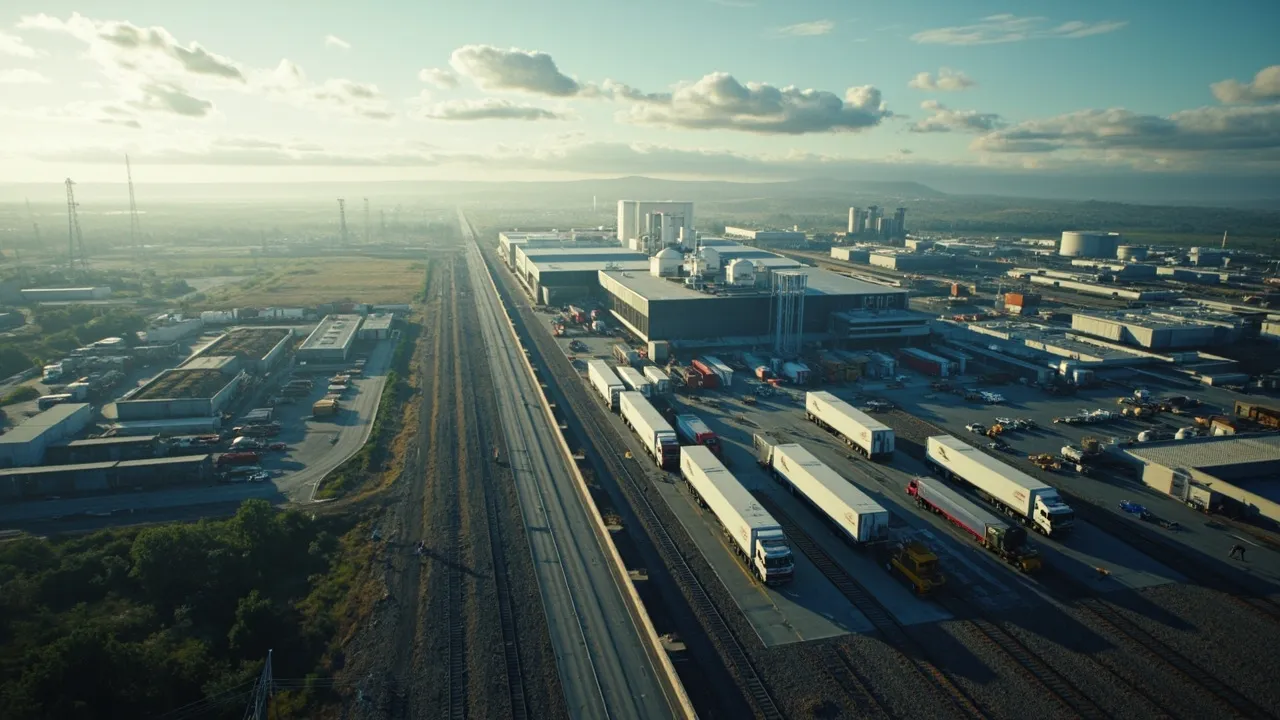
A factory announcement is not a functioning production network. The distinction matters as foreign manufacturers commit capital to U.S. plants, shipyards, battery facilities, and other strategic industries. A site may have incentives, land, and a construction schedule while still lacking qualified suppliers, dependable utilities, inbound freight capacity, nearby warehousing, or resilient outbound routes.
Reuters reports that U.S. officials are working with foreign investors to identify manufacturing supply-chain gaps and help small and midsize businesses scale to meet demand. That focus is telling. The constraint is no longer merely attracting the anchor investment; it is making the surrounding industrial ecosystem capable of supporting launch, ramp-up, and steady-state production.
Investment value is only the opening metric
Capital expenditure measures what a company plans to build. It does not measure whether the plant can receive every required component on time, operate through a utility interruption, or move finished goods when a preferred mode becomes constrained.
The gap is especially visible in strategic materials. Supply Chain Dive reported that the Department of Defense signed agreements valued at $2.03 billion to secure battery cells and critical minerals. Large commitments can stimulate capacity, but upstream mining and processing, specialized packaging, hazmat handling, storage, and compliant transport must all mature with it.
The same principle applies beyond batteries. A semiconductor plant depends on chemicals, gases, precision equipment, water, power, and time-sensitive service parts. A shipyard needs steel, fabricated components, skilled subcontractors, heavy-haul access, and project cargo coordination. An automotive plant may require hundreds of suppliers feeding sequenced production. One missing link can undermine billions of dollars of installed assets.
Map the complete production network
Industrial site selection should therefore extend beyond acreage, taxes, and highway distance. The planning team needs a network map with five layers.
Supplier readiness. Identify tier-one suppliers and the less visible tier-two and tier-three sources behind them. For each critical input, record qualification status, production capacity, lead time, geographic concentration, and an alternate source. Pay particular attention to small suppliers expected to expand quickly; their equipment, labor, financing, and quality systems may determine the anchor plant's ramp rate.
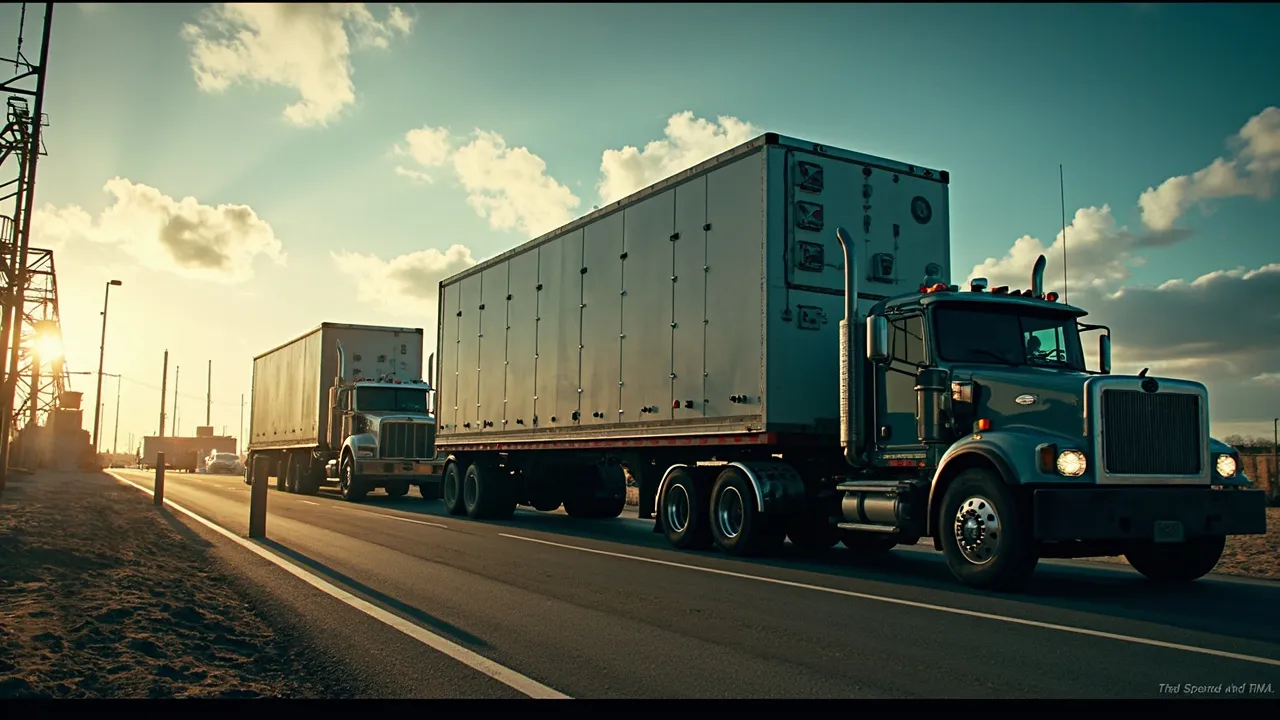
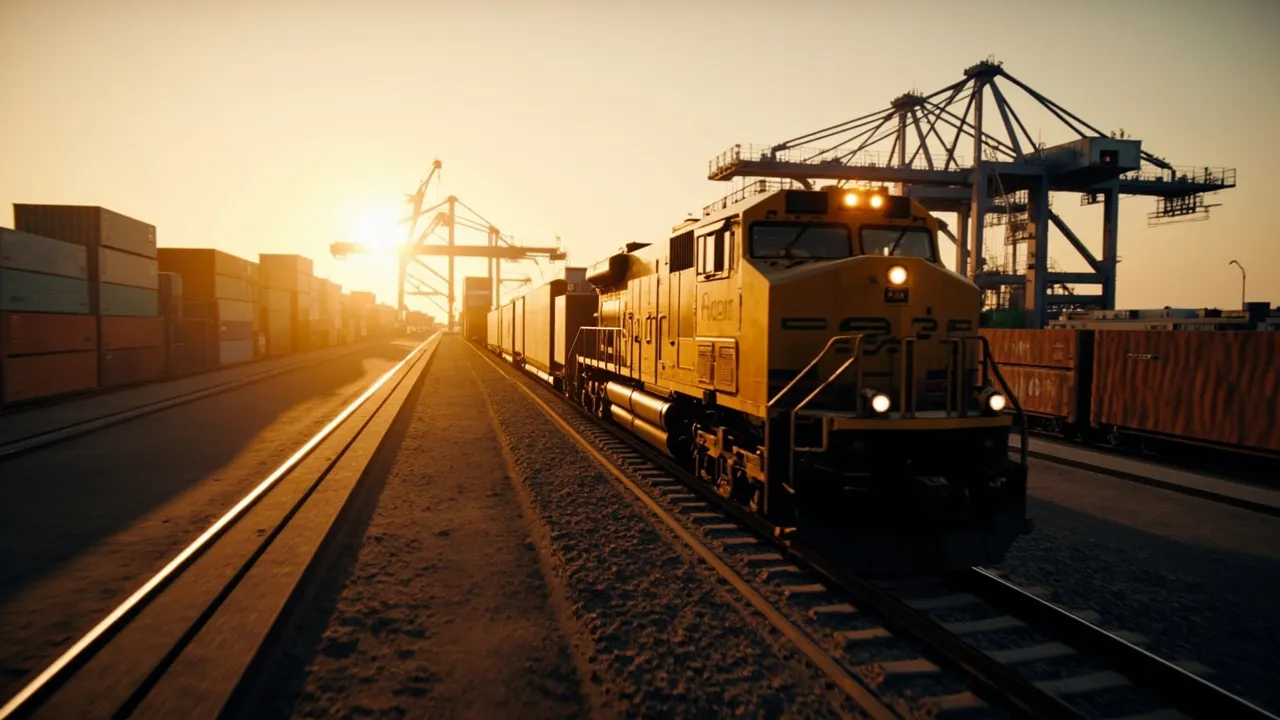
Inbound capacity. Model volumes by lane and mode for launch, expected production, and peak demand. Confirm carrier availability, rail-served options, port or airport access, drayage capacity, oversized-load restrictions, and border exposure. A highway interchange nearby is useful, but it is not evidence that carriers, drivers, chassis, or appointment capacity will be available when required.
Utilities and services. Power, water, wastewater, gas, broadband, and emergency services belong in the supply-chain plan. Capacity should be documented at the required date—not merely promised for a later expansion. Teams also need restoration priorities, backup arrangements, maintenance dependencies, and visibility into utility-project milestones.
Warehousing and buffers. Determine where raw materials, work-in-process, spare parts, and finished goods will wait. Local vacancy alone is an incomplete measure. Facilities must fit ceiling height, floor loading, temperature, security, hazardous-material, labor, and handling requirements. Buffer policies should reflect replenishment variability and the consequence of a production stop.
Outbound options. Test the realistic route to each customer, distribution center, port, or final assembly site. Compare truck, rail, intermodal, ocean, and air alternatives where feasible. Capacity reservations and escalation contacts should be established before launch rather than during the first disruption.
A logistics-readiness scorecard
Executives need a common way to compare sites and expose assumptions. Score each category from zero to five, then apply the suggested weight:
| Category | Weight | Evidence required for a high score |
|---|---|---|
| Critical suppliers | 25% | Qualified sources, demonstrated capacity, alternates, and recovery plans |
| Inbound transportation | 20% | Validated lanes, carrier commitments, mode options, and peak-capacity tests |
| Utilities and infrastructure | 20% | Firm capacity dates, redundancy, restoration plans, and permitting milestones |
| Warehousing and material handling | 15% | Suitable facilities, labor, systems, equipment, and compliant storage |
| Outbound network | 15% | Customer-lane validation, modal alternatives, and surge capacity |
| Data and control | 5% | Shipment visibility, exception workflows, master data, and accountable owners |
A weighted score below 3.0 should trigger executive review. More importantly, any zero or one in a production-critical category should be treated as a launch blocker even if the average looks acceptable. Averaging can hide a single-point failure.
The score must also be time-phased. A network ready for pilot volumes may fail at 50% utilization. Teams should score the site at construction, equipment installation, start of production, planned ramp milestones, and steady state. Each assumption needs an owner, evidence, a due date, and a contingency.
Turn site development into operational readiness
Manufacturing expansion requires more than funding. McKinsey's analysis of ramping up manufacturing in America highlights the need for specialized skills, infrastructure supporting material flows, sufficient energy, and faster project approvals. Those dependencies should sit in one integrated plan rather than separate real-estate, procurement, construction, and transportation workstreams.
A control-tower cadence can connect them. Review supplier qualification, construction milestones, utility dates, inventory positioning, carrier awards, and lane tests together. Run tabletop scenarios for a late supplier, delayed substation, rail interruption, port congestion, or warehouse permitting issue. Then quantify the production days and revenue at risk.
Foreign investment is valuable, but its real return appears only when materials flow and finished goods ship reliably. The strongest regions will not simply win announcements. They will build the supplier depth, infrastructure, logistics capacity, and operating discipline that turn announcements into durable production.
Ready to coordinate inbound freight, inventory milestones, and outbound execution for a new industrial network? Request a CXTMS demo and see how one transportation platform can connect the plan to daily operations.