Distribution Center Solar Needs an Operations SLA, Not Just a Sustainability Target

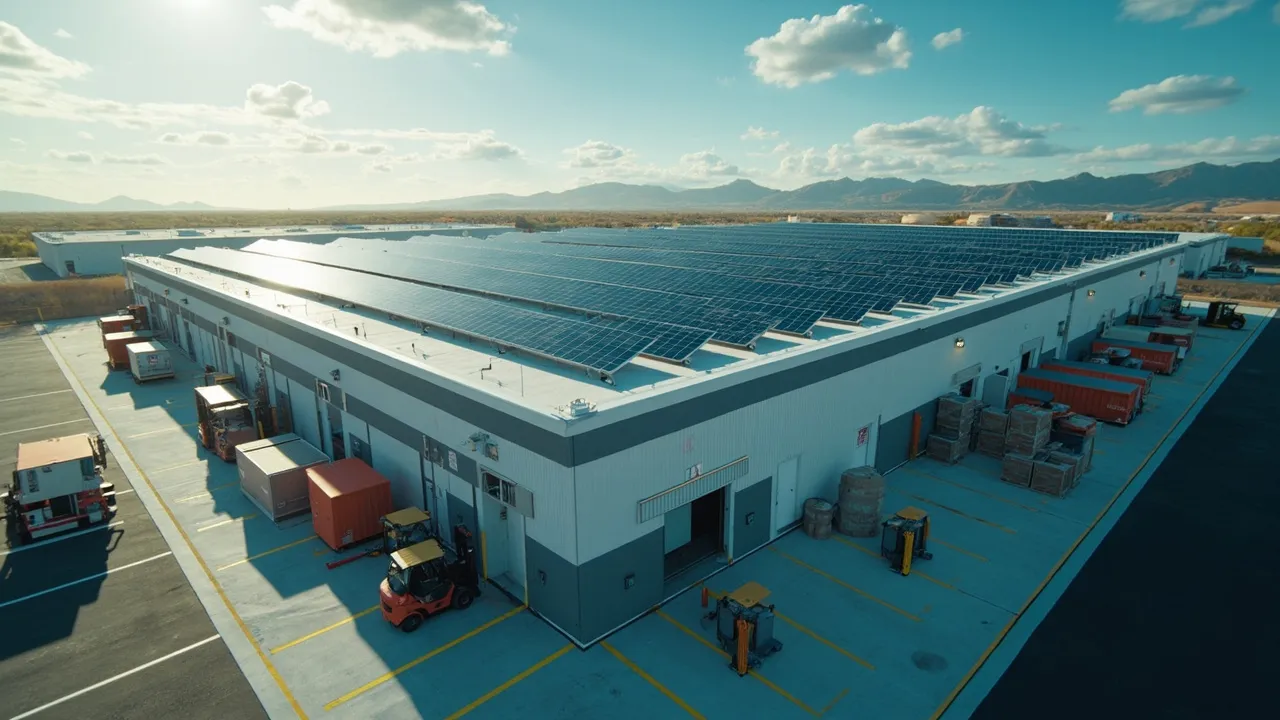
Solar power at a distribution center is usually announced as a sustainability milestone. Operations leaders should treat it as something more demanding: a production resource with measurable service expectations.
Burlington is expanding on-site solar across its distribution network, with plans covering an existing Georgia warehouse and upcoming facilities in Arizona and California. According to Supply Chain Dive, 25% of the retailer's electricity consumption came from renewable resources in fiscal 2025, already above its 20% goal for 2030. The same report shows how quickly this is becoming a network issue rather than a one-site experiment: Walmart had 125 megawatts of on-site solar capacity across 303 U.S. facilities, while TJX had deployed solar at distribution centers in five states.
Those figures are meaningful, but renewable-energy share does not tell a warehouse manager whether conveyors will run through the afternoon peak, whether refrigeration can ride through a grid event, or whether lift-truck charging should be deferred. For that, a distribution center needs an energy service-level agreement.
Start with the loads, not the panels
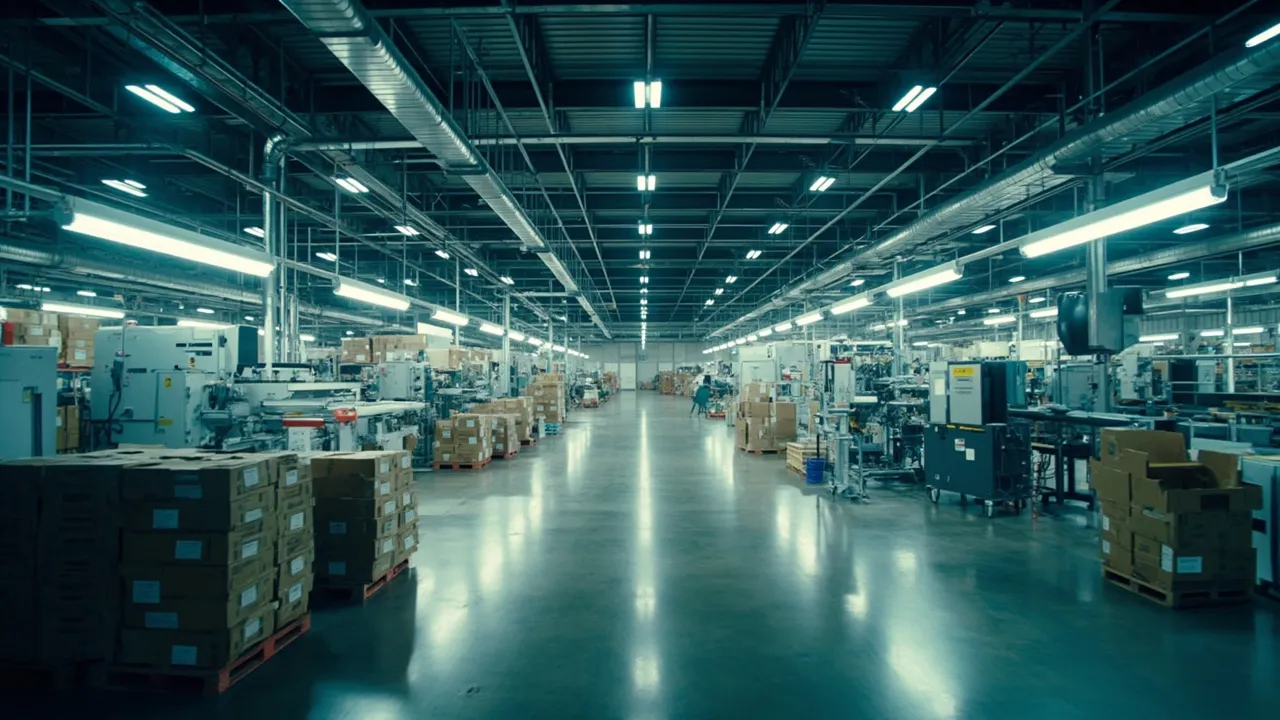
A solar array produces variable power. A warehouse consumes power through loads with very different operating consequences. Lighting and office HVAC may tolerate short curtailments. Sortation, automated storage and retrieval systems, dock equipment, network infrastructure, cold rooms, fire protection, and safety systems may not.
The first design task is therefore a load hierarchy. Classify every major circuit as critical, time-shiftable, or discretionary, then measure its kilowatt demand and acceptable interruption. The result should distinguish four practical questions:
- Which baseline loads can solar routinely offset during generating hours?
- Which flexible loads, such as battery charging, can move into solar-rich periods?
- Which critical loads require storage, generators, or uninterrupted grid supply?
- How long can each operating zone continue during a voltage sag or outage?
Annual generation can look impressive while hiding a bad hourly match. Best Buy's first distribution-center solar field, in Dinuba, California, can generate approximately 5.87 million kilowatt-hours per year—enough electricity for 559 homes, Supply Chain Dive reported. Yet even a large annual total does not guarantee power at 6 p.m., during cloud cover, or when a facility starts several motors simultaneously. Operations planning has to work at 15-minute intervals, not annual averages.
Put measurable terms in the energy SLA
An operations SLA translates the asset into commitments that facilities, automation, IT, and warehouse teams can use. It should cover at least four dimensions.
Availability: Define expected inverter and array availability during scheduled operating hours, along with response and restoration targets. Separate loss of solar generation from loss of facility power; the two events have different consequences and escalation paths.
Peak shaving: Establish the maximum grid-demand threshold by season and shift. Specify when batteries discharge, when vehicle charging pauses, and which noncritical loads can be curtailed. MHI notes that grid peak periods commonly fall between 6 a.m. and 9 p.m. and identifies storage and demand-response programs as the two common peak-shaving techniques. The SLA should convert that general opportunity into site-specific rules.
Maintenance: Publish approved windows for panel, inverter, battery, and switchgear work. Planned maintenance should appear in the same labor and volume calendar used for conveyor work or WMS releases. If a maintenance window overlaps a promotion, heat wave, or high-volume receiving day, the risk belongs in the operating plan.
Power quality: Track voltage sags, frequency deviations, transfer time, harmonic distortion where relevant, and equipment resets—not just complete outages. A five-second disturbance can be invisible in an annual uptime metric while forcing a lengthy automation restart and inventory reconciliation.
Useful monthly measures include solar forecast accuracy, generation availability, peak-demand avoidance, battery state of charge at critical windows, minutes of curtailed operations, automated-equipment resets, and orders delayed by energy events. The owner should be jointly accountable across facilities and operations; energy performance is too operationally important to sit in a sustainability report alone.
Connect energy telemetry to warehouse decisions
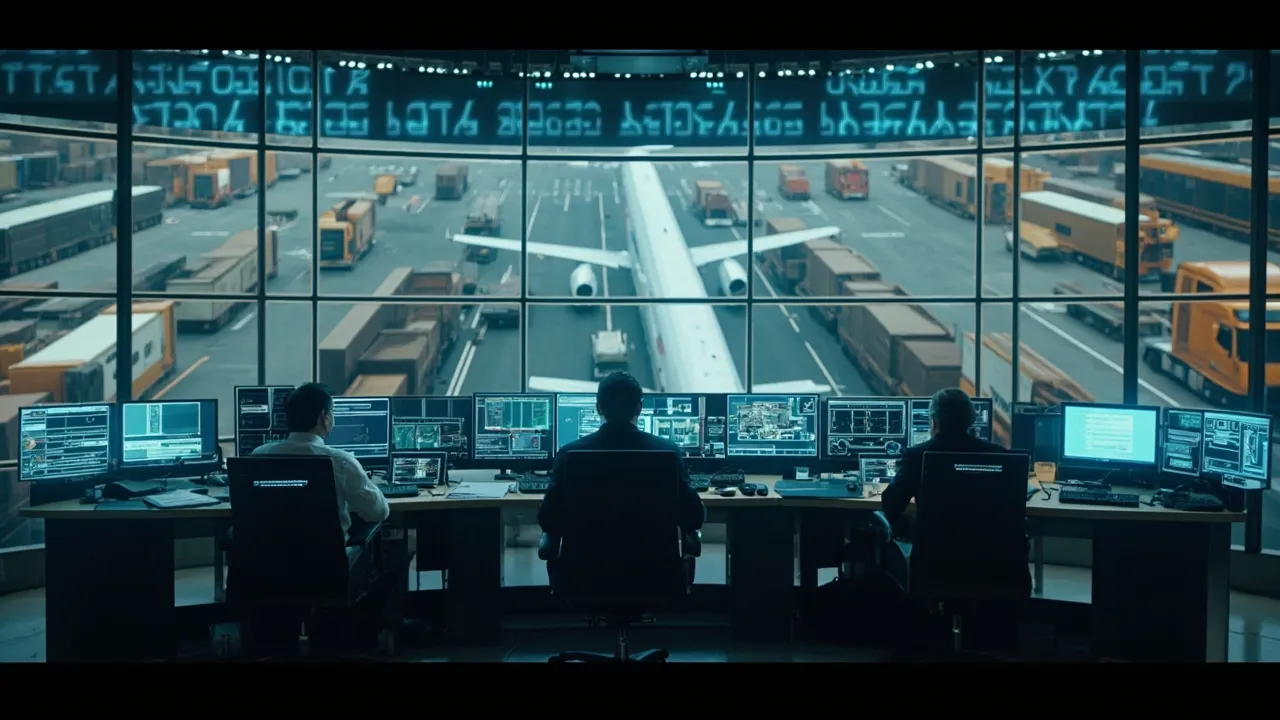
The control loop becomes valuable when the building energy management system shares usable signals with warehouse systems. MHI explains that battery management and telematics data need integration with a building energy management system to coordinate charging schedules and avoid peak periods. Distribution centers should extend that connection to the WMS, automation controls, refrigeration monitoring, and labor plan.
If the next two hours of solar production fall below forecast, the site should not improvise. A predefined response might pause opportunity charging, preserve battery capacity for controls and communications, lower conveyor release rates, move labor to manual receiving tasks, and protect cold-chain zones. If solar output exceeds forecast and batteries are healthy, the site can advance charging or other flexible work.
These rules need guardrails. Operations should never curtail a safety system, compromise temperature compliance, or create uncontrolled congestion merely to avoid a demand charge. Every automated action needs an operator-visible reason, a safe override, and a record of its effect on throughput and service.
Test the SLA before the grid does
Commissioning should include operating drills, not only electrical acceptance tests. Simulate loss of solar production, a battery unavailable at peak, reduced grid voltage, and a full transfer to backup power. Measure how long automation takes to recover, whether WMS transactions remain synchronized, which alarms reach supervisors, and how customer commitments are reprioritized.
Then revisit the SLA as the building changes. More robots, electric yard tractors, refrigeration, or fast chargers can invalidate the original load model. So can a new shift pattern. Review capacity against the 12-month automation and volume roadmap, and require an energy-impact check for every material equipment project.
Solar earns its place in logistics when it lowers cost and emissions without becoming an unmanaged operating dependency. The panels are only the generation layer. The real resilience comes from load priorities, storage rules, telemetry, rehearsed responses, and clear accountability.
CXTMS helps logistics teams coordinate facility exceptions with shipment priorities, dock schedules, carrier capacity, and customer commitments. Request a CXTMS demo to see how a shared execution layer can turn energy disruptions into controlled transportation decisions.