Direct Franchising Turns Restaurant Supply Chains Into a Replenishment-Control Problem

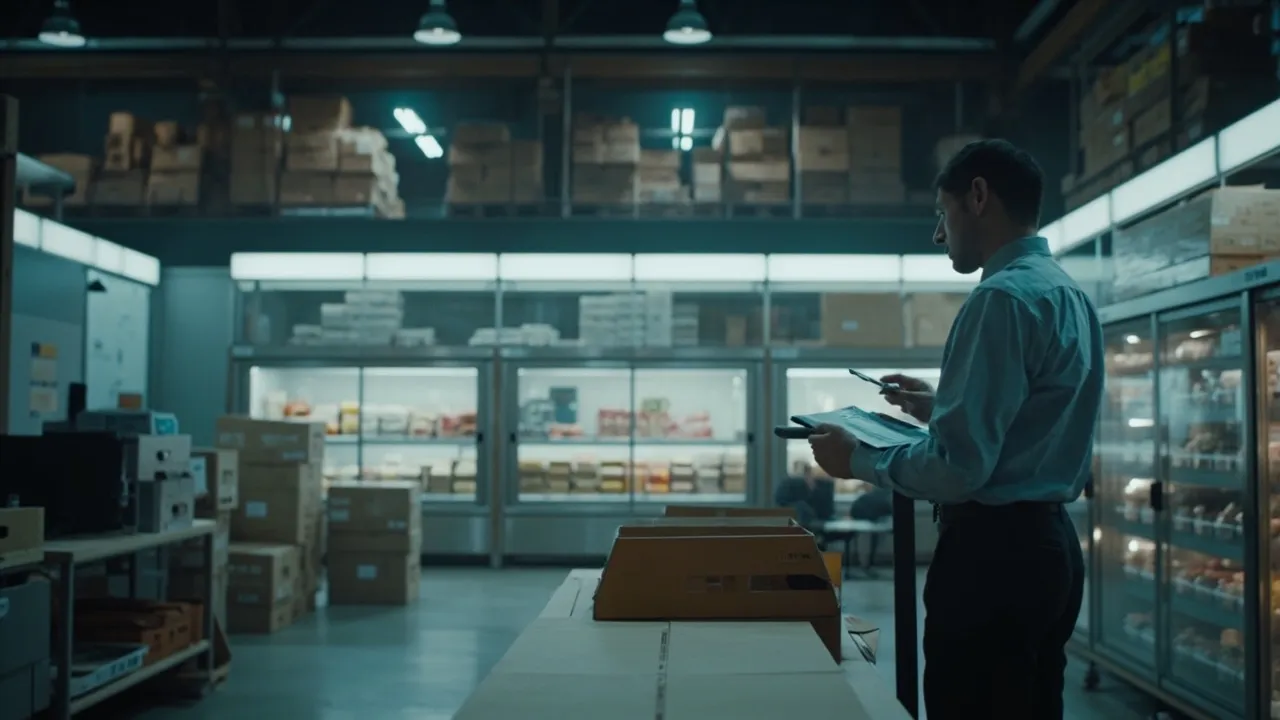
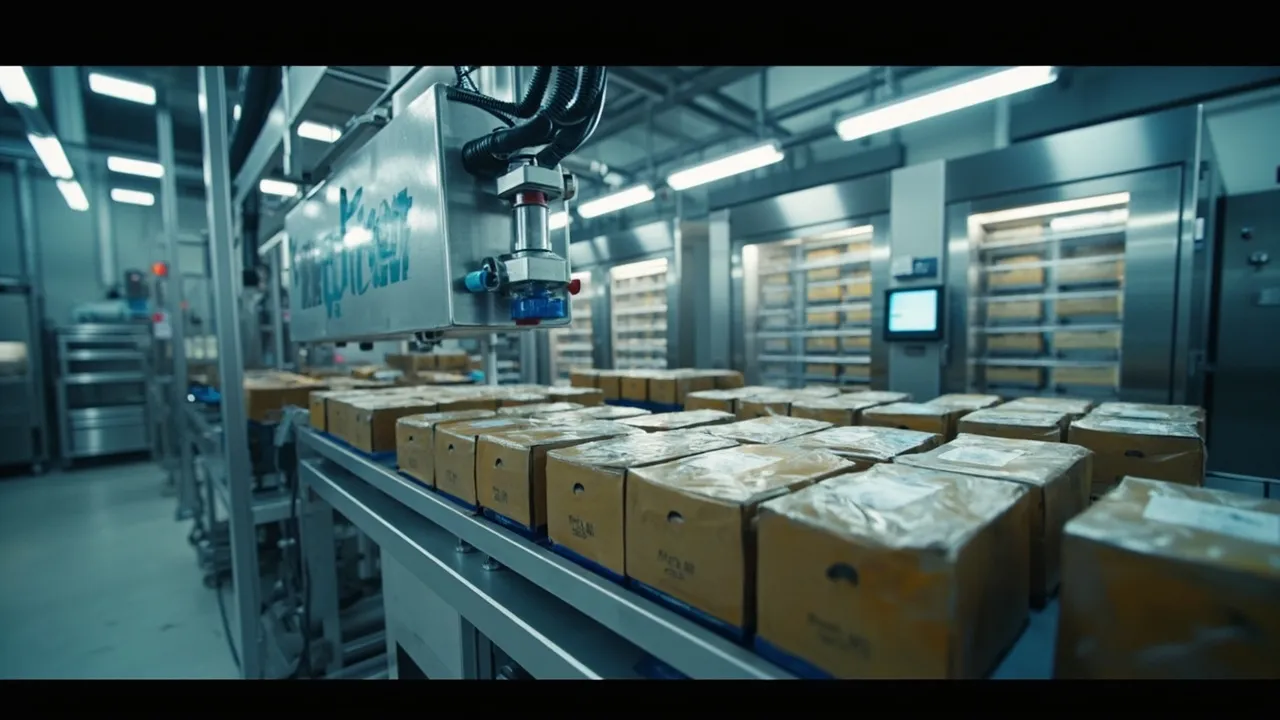
Direct franchising can simplify a restaurant brand's relationship with its operators, but it makes the supply chain more demanding. When a brand replaces master franchisees or regional intermediaries with direct agreements, responsibility for assortment, approved sourcing, service levels, and promotion execution moves closer to the corporate center. The organization gains control, yet it also inherits thousands of item-location decisions that intermediaries may previously have absorbed.
That shift turns growth into a replenishment-control problem. The goal is not to dictate every order. It is to create a common operating system that lets franchisees respond to local demand while the brand protects availability, quality, and working capital across the network.
Direct control changes who owns the forecast
Under an indirect structure, a regional partner may translate corporate plans into purchase orders, manage local suppliers, and carry buffer inventory. Direct franchising removes or reduces that layer. Corporate supply chain teams must now decide which assumptions belong in the central forecast and which inputs remain local.
This is already visible in the restaurant market. In a 2026 review of food-brand technology, Supply Chain Dive reported that a bubble tea brand standardized its supply chain playbook while moving to direct franchising. The same report highlighted food companies using forecasting tools to model demand drivers and reduce manual overrides.
The lesson is broader than any one chain: ownership must be explicit. Corporate teams should own the baseline forecast, approved-item rules, supplier allocation, national promotions, and service targets. Franchisees should contribute local events, store closures, neighborhood demand shifts, and operational constraints. Suppliers and distributors should provide confirmed lead times, fill rates, capacity constraints, and shelf-life information.
Without that division, every participant creates a different version of demand. The result is predictable: excess safety stock in some locations, emergency transfers in others, and no reliable explanation for either outcome.
Build one item-location data model
Direct networks need a shared language before they need a more sophisticated algorithm. Every replenishment record should connect four basic dimensions:
- Item: common SKU, pack size, unit of measure, shelf life, storage class, and approved substitutes.
- Location: store format, storage capacity, delivery windows, order calendar, and minimum receiving constraints.
- Demand event: base sales, promotion, menu launch, seasonality, weather sensitivity, and known local events.
- Supply condition: supplier, lane, current lead time, minimum order, case quantity, fill-rate history, and cold-chain requirements.
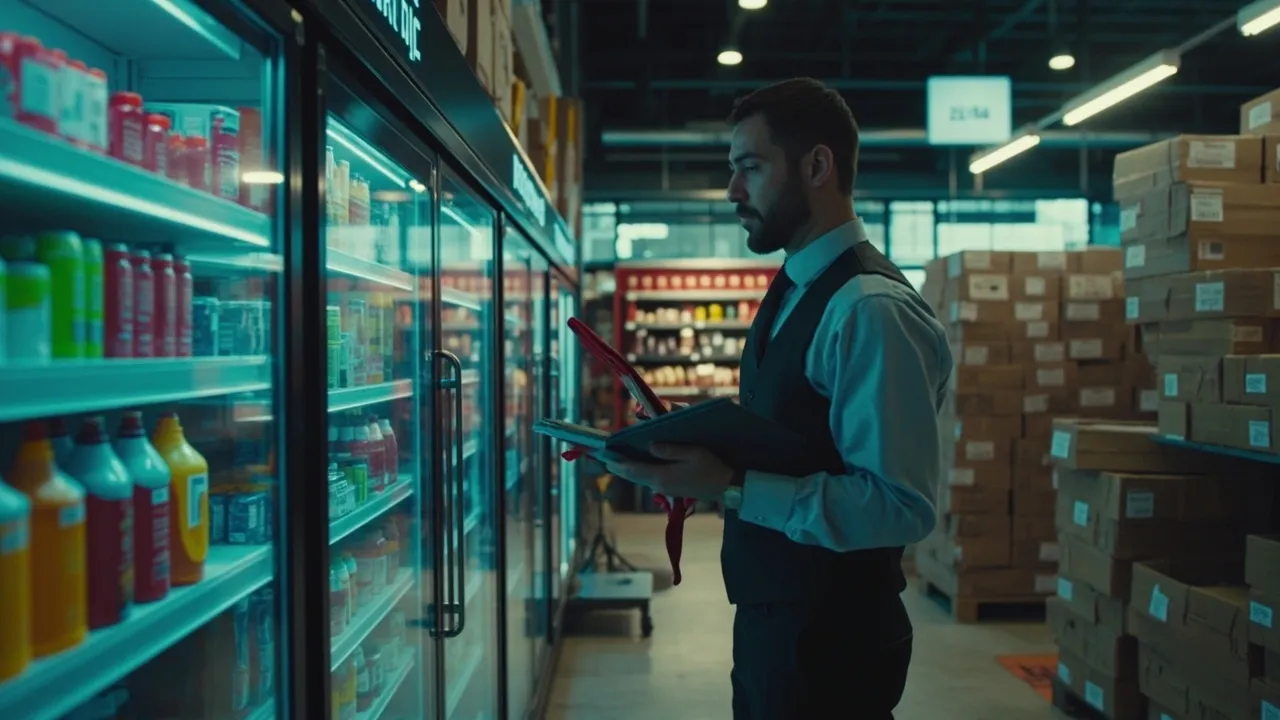
Point-of-sale data is essential, but sales alone are not demand. A store that sold zero units may have had no demand, or it may have stocked out. A promotion may increase transactions while changing the ingredient mix. Waste records, unavailable menu items, substitutions, and on-hand counts give the forecast necessary context.
Better forecasting can produce meaningful operational gains. McKinsey found that AI-driven supply chain forecasting can reduce errors by 20% to 50% and reduce lost sales and product unavailability by as much as 65%. Those outcomes depend on disciplined inputs; fragmented franchise data will undermine even a strong model.
Use guardrails, not unlimited automation
A replenishment engine should propose orders inside rules that reflect each store's physical and commercial reality. Small restaurant locations cannot absorb warehouse-style buffers. Fresh products also impose a hard penalty for over-ordering.
Useful guardrails include minimum and maximum days of supply, case-pack rounding, storage capacity, remaining shelf life at delivery, promotion windows, and order-value thresholds. The system should also distinguish between stable staples and volatile perishables. A modest buffer may be sensible for a high-volume, long-life ingredient; the same policy can create waste for fresh produce or short-dated dairy.
Networks should use probability ranges instead of treating a single forecast as certain. A store with stable weekday demand may replenish automatically. A new location with sparse history, a major local event, or a newly launched menu item should receive a wider demand range and closer review. Human approval belongs at the exceptions, not on every routine case.
Manage the network by exceptions
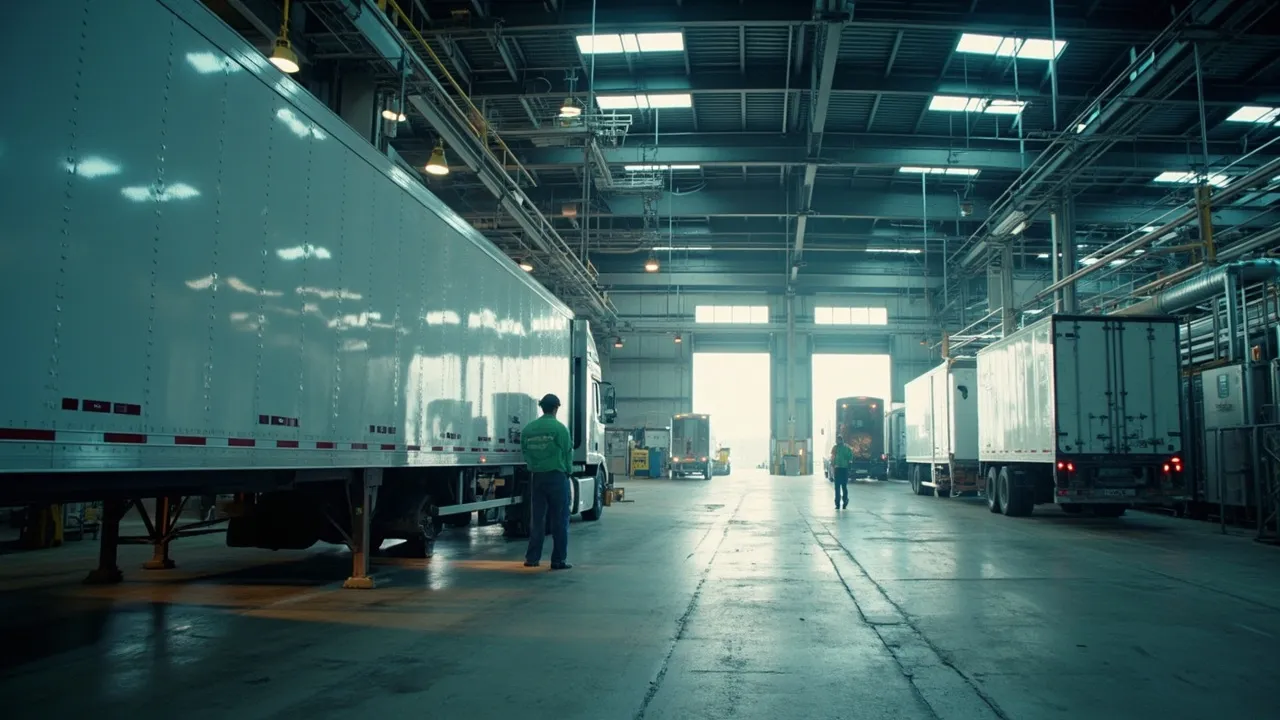
Direct franchising becomes unmanageable if planners review every order line. A control tower or transportation management platform should surface the relatively small number of conditions that threaten service, quality, or cost.
Four exception groups matter most:
- Forecast error: compare forecast and actual consumption by item and location, separating true demand misses from stockouts or bad inventory counts.
- Supplier fill rate: flag incomplete or late orders, repeated substitutions, and deteriorating lead-time reliability.
- Cold-chain compliance: capture temperature excursions, dwell time, rejected cases, and corrective actions against the affected shipment.
- Waste: track expiration, spoilage, preparation loss, and promotion leftovers in units and cost.
Waste deserves equal standing with availability. Supply Chain Dive has reported that retailers account for roughly 8 million tons of food waste in the United States. At store level, a high in-stock rate achieved through chronic over-ordering is not success; it is simply a service problem converted into a margin and sustainability problem.
Exception ownership should be unambiguous. A supplier fill-rate failure goes to procurement, a missed delivery window to transportation, a persistent inventory variance to the franchise operator, and a promotion forecast miss to the planning team. Each case needs an owner, due date, root-cause code, and resolution status.
Turn centralized visibility into local action
The strongest direct-franchise model combines central standards with local feedback. Corporate planners gain network-wide visibility and negotiating leverage. Franchisees receive more reliable supply, clearer order recommendations, and faster escalation when something breaks. Suppliers get cleaner forecasts and fewer last-minute changes.
That model requires more than a dashboard. Orders, shipments, inventory signals, temperature events, and exceptions must connect in one operational workflow. CXTMS helps logistics teams coordinate those movements, monitor service failures, and turn shipment data into actionable replenishment signals across distributed locations.
Request a CXTMS demo to see how a connected transportation platform can support a more controlled, responsive restaurant franchise network.