Chobani's $1.2 Billion Pennsylvania Plant Needs a Production-to-Distribution Ramp Plan

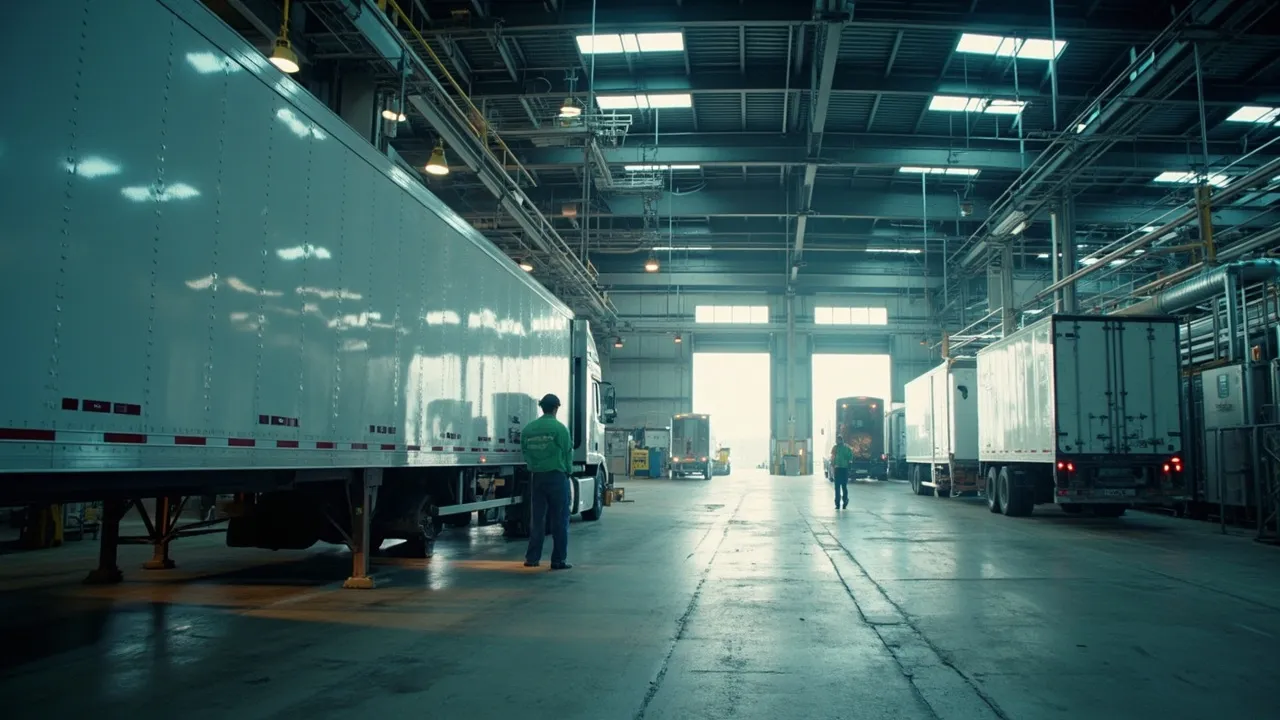
A new production line is not ready merely because it can make a saleable product. It is ready when ingredients and packaging arrive in sequence, quality releases happen on time, finished goods have somewhere to go, refrigerated trailers are available, and customers receive the additional volume without service failures.
That distinction should shape Chobani's planned Pennsylvania expansion. The company is committing $1.2 billion over five years to purchase and develop a large manufacturing campus. Instead of treating the project as one construction milestone, logistics leaders should manage it as a series of production-to-distribution launches, each with measurable capacity gates.
The headline capacity creates a synchronization problem
Supply Chain Dive reports that the Allentown-area campus is expected to encompass 1.5 million square feet of manufacturing and warehouse space, house up to 10 production lines, and create more than 900 jobs. At full capacity, the plant is expected to source more than 3 billion pounds of milk annually from regional farms.
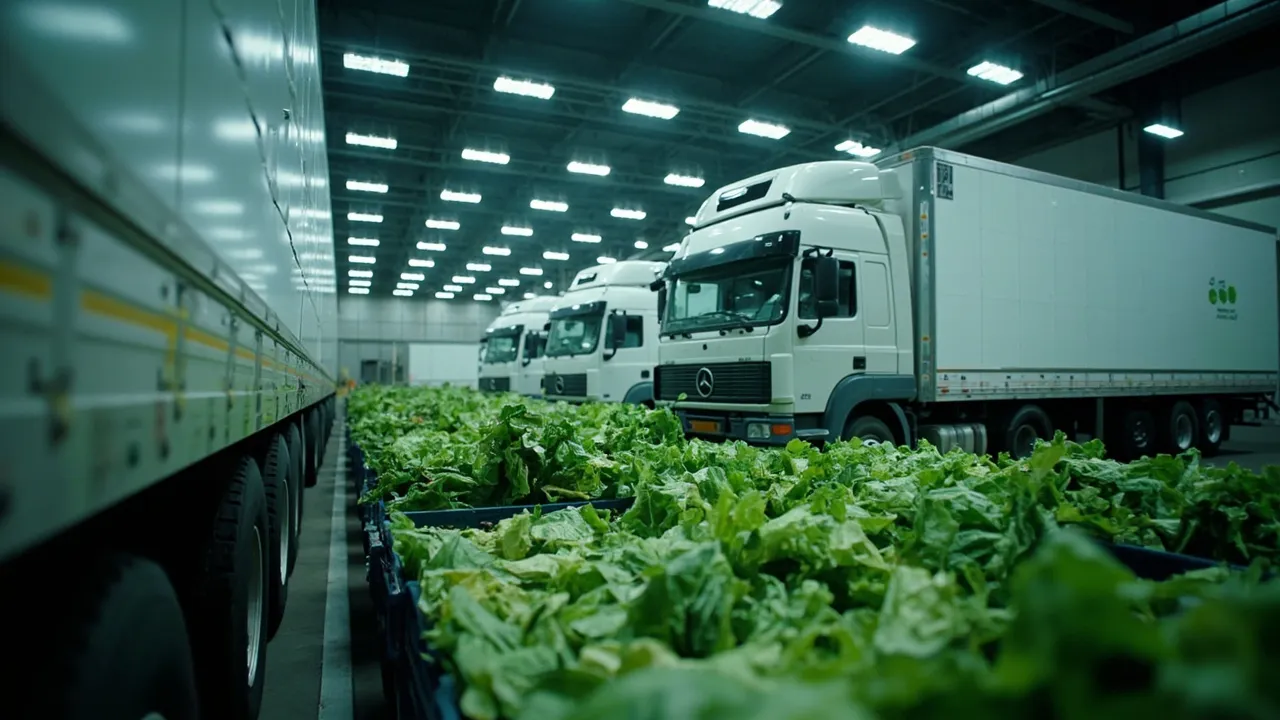
Those figures describe more than manufacturing scale. Three billion pounds per year averages roughly 8.2 million pounds per day, although actual receipts will vary. Every increment in milk intake creates linked requirements for tanks, ingredients, packaging, quality testing, refrigerated or temperature-managed storage, dock appointments, trailers, drivers, and customer receiving capacity.
The worst ramp failure is not necessarily a broken production asset. It can be a line performing as designed while packaging inventory, warehouse slots, or outbound appointments lag behind. The result is blocked production, excess dwell, short-dated inventory, premium freight, or missed orders.
Launch capacity in controlled stages
Each line should have its own logistics readiness plan tied to a firm start milestone. A practical sequence has four stages.
First, qualify inbound supply. Before trial production, onboard milk suppliers and carriers, establish appointment rules, validate testing and rejection workflows, and map backup sources. Ingredients and packaging need approved specifications, lead times, minimum order quantities, storage conditions, and alternates. Packaging deserves special attention because a missing cup, lid, label, or case can idle otherwise available production capacity.
Second, prove internal flow. Trial runs should measure output by SKU and hour, quality-hold duration, palletization speed, material-handling travel, staging dwell, and usable storage positions. Nominal square footage is not the same as working capacity. A warehouse can appear spacious while congested docks, incompatible temperature zones, blocked aisles, or slow quality release constrain throughput.
Third, reserve outbound capacity. Carrier awards should follow the volume curve rather than the eventual nameplate capacity. Secure baseline refrigerated capacity for the first line, defined surge commitments for subsequent launches, and backup coverage by lane. Confirm trailer pre-cooling, sanitation, temperature-control records, appointment compliance, and detention rules before commercial volume begins.
Fourth, expand the customer promise. Allocate initial output to a controlled group of lanes and customers. Widen distribution only after order fill, on-time pickup, on-time delivery, temperature compliance, and remaining shelf life meet their thresholds for several consecutive cycles.
Put gates between commissioning phases
Calendar dates alone should not authorize the next production increase. A cross-functional launch team should require evidence from manufacturing, quality, warehousing, procurement, and transportation.
A line can advance from trial to limited commercial production when:
- Critical ingredients and packaging have qualified primary and secondary sources
- Inbound appointment and unloading performance meet the planned daily cadence
- Quality holds clear within the time assumed by the storage model
- Pallet output and warehouse putaway remain balanced during a sustained run
- Finished-goods occupancy stays below a defined operating ceiling
- Refrigerated carrier tenders achieve the target acceptance rate by lane
- Temperature records and product traceability pass an end-to-end test
- Customers confirm receiving appointments and delivery requirements
The next volume step should stop automatically if a gate turns red. This is not excessive caution; it protects scarce refrigerated space and product shelf life. Food Logistics notes that food and beverage producers use data and analytics to manage refrigerated trucking alongside warehouse capacity and dock space. Its cold-chain analytics coverage reinforces the point that these resources must be planned together.
Cold-storage utilization can also change quickly. Food Logistics reported a market example in which available capacity stayed at or above 22% for nine consecutive months, then utilization surged to 91% in December 2025. A ramp plan built on a single snapshot of external capacity can therefore fail when seasonal demand arrives.
Create one constraint timeline
Plant, warehouse, and transportation systems should publish events into one order-and-lot timeline. The record begins with the supplier appointment and receipt, then follows the production batch through quality release, pallet creation, warehouse location, sales-order allocation, carrier tender, pickup, temperature monitoring, and delivery.
That shared timeline makes failures diagnosable. If an order misses its ship window, teams can determine whether the cause was late packaging, extended quality review, insufficient putaway capacity, a rejected carrier tender, or dock congestion. Without event-level timestamps, every department can appear locally successful while the customer still receives a late load.
The operating dashboard should emphasize constraints, not just total output. Useful measures include supplier on-time-in-full performance, packaging days of supply, quality-release cycle time, pallets produced versus pallets put away, storage occupancy by temperature zone, dock turns per hour, tender acceptance, trailer arrival variance, detention, on-time delivery, temperature excursions, and remaining shelf life at receipt.
Scale the network, not merely the plant
Chobani's investment can add substantial food-production capacity, but production is only one link in the launch. The durable advantage will come from synchronizing each new line with farms, packaging suppliers, warehouse labor and space, refrigerated carriers, and customer appointments. A gated ramp exposes the next constraint before it becomes spoiled product or a service failure.
CXTMS connects supplier, warehouse, carrier, shipment, and delivery events in a single operating view, helping logistics teams manage staged capacity launches and act on exceptions early. Request a CXTMS demo to build a production-to-distribution control plan around your next facility expansion.