Cybersecurity in Logistics: Protecting Your Supply Chain from the 2026 Ransomware Surge

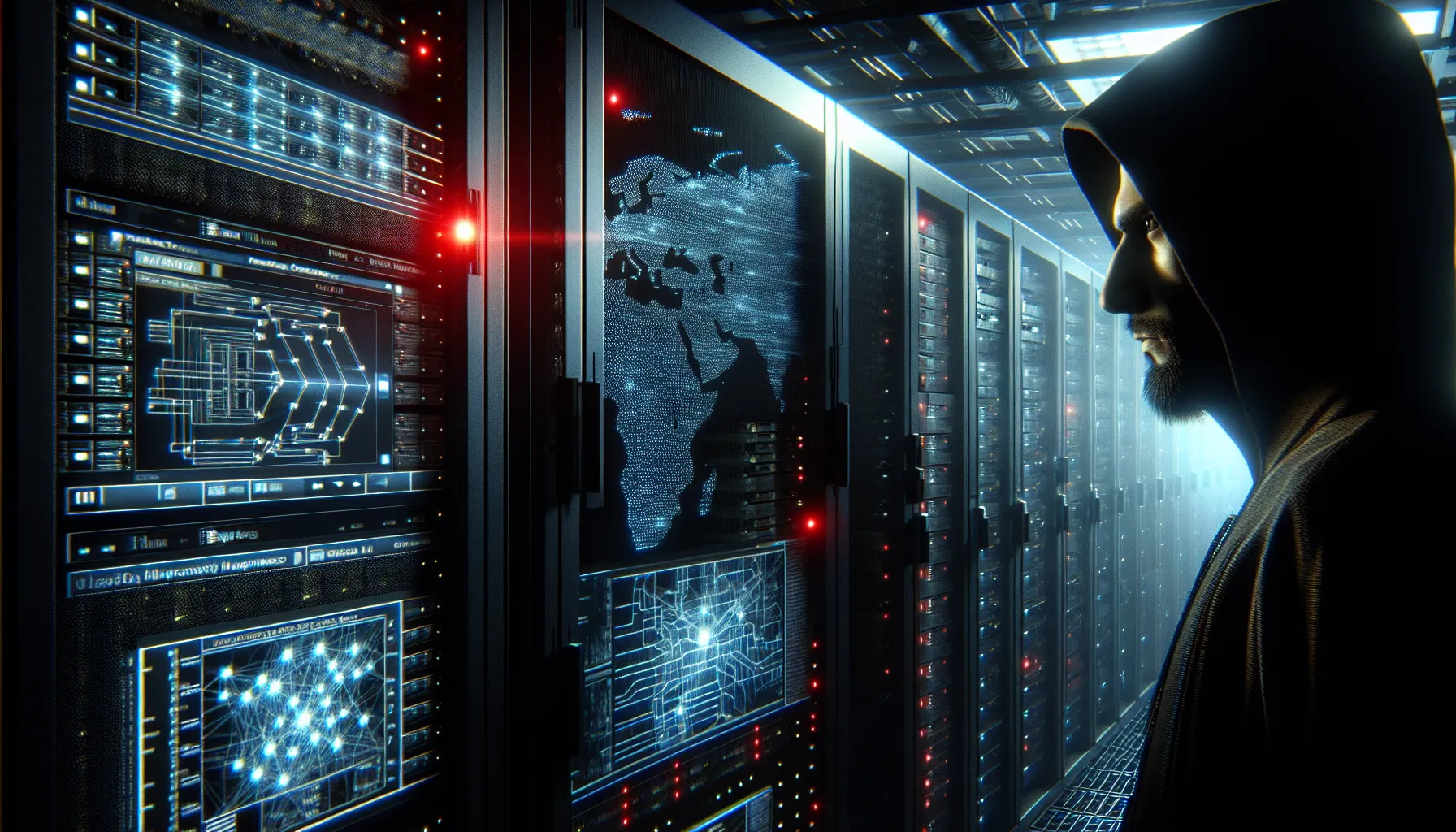
The logistics industry is under siege. Between October 2024 and March 2025, Advanced Persistent Threat (APT) activity against US logistics infrastructure surged by 136%, with state-sponsored actors specifically targeting transportation and shipping sectors. For supply chain leaders in 2026, cybersecurity is no longer an IT concern—it's an operational imperative that can make or break your business.
The Wake-Up Call: When Thanksgiving Turned Dark
On November 21, 2024, supply chain software provider Blue Yonder experienced a ransomware attack that disrupted its managed services environment right before one of retail's busiest periods. The fallout was immediate and severe:
- Starbucks had to restore scheduling platforms manually
- Procter & Gamble scrambled to build an in-house solution to keep orders moving
- Morrisons, a UK-based grocery chain, faced warehouse management system failures for fresh food and produce
The attack demonstrated a chilling reality: when logistics software goes down, the entire supply chain freezes. Stores can't replenish inventory, warehouses can't process orders, and trucks sit idle. The Blue Yonder incident wasn't just a technology failure—it was an operational catastrophe that rippled through global commerce during peak holiday demand.
The New Threat Landscape: Why Logistics Is a Prime Target
Cybercriminals have identified supply chain and logistics providers as lucrative targets for three key reasons:
1. Critical Infrastructure with Low Tolerance for Downtime
Logistics operations run 24/7 with razor-thin margins. Every hour of system downtime translates to missed shipments, detention charges, and cascading delays. Attackers know that companies under this pressure are more likely to pay ransoms quickly.
2. Rich Data Environments
Transportation management systems (TMS) and warehouse management systems (WMS) contain treasure troves of valuable data: customer information, shipping routes, pricing agreements, and strategic business intelligence. This data has significant value on dark web markets.
3. Interconnected Vendor Networks
Modern logistics relies on complex ecosystems of carriers, brokers, 3PLs, and technology providers. A single compromised vendor can provide attackers with access to dozens of downstream customers—exactly what happened with Blue Yonder.
The Real Cost of Cyber Vulnerability
According to Gartner's 2025 research, supply chain cybersecurity has reached the "peak of inflated expectations"—meaning companies recognize the threat but many are implementing fragmented solutions that fail to address root vulnerabilities.
The financial impact of logistics cyberattacks extends far beyond ransom payments:
- Operational downtime: Lost revenue from halted operations
- Regulatory penalties: GDPR, CCPA, and industry-specific compliance violations
- Customer attrition: Shippers losing confidence in your ability to protect their data
- Reputational damage: Public disclosure requirements eroding market trust
- Recovery costs: System restoration, forensic investigation, and legal fees
For mid-sized logistics providers, a successful ransomware attack can cost $500,000 to $5 million in direct and indirect damages. For larger enterprises handling critical infrastructure, the tab can reach tens of millions.
How Modern TMS Platforms Are Hardening Defenses
Forward-thinking transportation management systems are embedding cybersecurity at the architectural level, not bolting it on as an afterthought. Here's what separates secure platforms from vulnerable ones:
Zero-Trust Architecture
Rather than assuming internal network traffic is safe, zero-trust models verify every access request regardless of origin. CXTMS implements continuous authentication with role-based access controls (RBAC), ensuring that users only access the minimum data required for their role.
End-to-End Encryption
Data must be encrypted both in transit (TLS 1.3 for all API connections) and at rest (AES-256 encryption for database storage). This ensures that even if attackers breach perimeter defenses, stolen data remains unusable.
Multi-Tenant Isolation
Cloud-based TMS platforms serving multiple customers must implement strict tenant isolation. CXTMS uses separate database schemas with cryptographic separation, preventing lateral movement between customer environments in the event of a breach.
SOC 2 Type II Compliance
Third-party audits verify that security controls are not just in place but operating effectively over time. SOC 2 compliance demonstrates commitment to data security, availability, processing integrity, confidentiality, and privacy.
Automated Threat Detection
AI-powered security information and event management (SIEM) systems continuously monitor for anomalous behavior: unusual login patterns, unexpected data exports, privilege escalation attempts, and communication with known malicious IP addresses.
Your Supply Chain Cybersecurity Checklist
Logistics executives can no longer delegate cybersecurity solely to IT departments. Here's an actionable checklist for hardening your digital supply chain:
Immediate Actions (This Week):
- Conduct a vendor risk assessment for all SaaS providers accessing your freight data
- Enable multi-factor authentication (MFA) for all TMS, WMS, and ERP user accounts
- Review and document your incident response plan—who gets called when systems go down?
- Verify that your TMS provider has current SOC 2 or ISO 27001 certification
Short-Term Priorities (This Quarter):
- Implement automated backup processes with immutable snapshots (backups attackers can't encrypt)
- Conduct tabletop exercises simulating ransomware scenarios with your operations team
- Segment your network to isolate critical logistics systems from general corporate IT
- Deploy endpoint detection and response (EDR) tools on all devices accessing freight systems
Long-Term Strategy (This Year):
- Transition to a zero-trust network architecture with continuous authentication
- Migrate legacy on-premise systems to cloud platforms with built-in security controls
- Establish a security operations center (SOC) or contract with a managed security provider
- Build cyber resilience into vendor selection criteria—don't just evaluate price and features
The Path Forward: Security as a Competitive Advantage
The logistics companies that will thrive in 2026 and beyond aren't just building faster, more efficient operations—they're building resilient ones. In an era where ransomware gangs specifically target supply chain software during peak seasons, cybersecurity isn't just risk management; it's a competitive differentiator.
When you can demonstrate to enterprise shippers that their freight data is protected by bank-grade encryption, continuous monitoring, and third-party audited controls, you're not selling transportation services—you're selling peace of mind. In a market where a single breach can destroy decades of customer trust overnight, that peace of mind is priceless.
The 136% surge in threats against logistics infrastructure isn't a temporary spike—it's the new baseline. Supply chain leaders who recognize this reality and invest accordingly will separate themselves from those who treat cybersecurity as a checkbox exercise. The question isn't whether your organization will be targeted; it's whether you'll be ready when the attack comes.
Ready to secure your supply chain with enterprise-grade protection? Contact CXTMS for a demo of our zero-trust TMS platform with built-in cybersecurity controls.