Cross-Docking 2.0: How AI-Optimized Hub Operations Are Eliminating Warehousing Costs in 2026

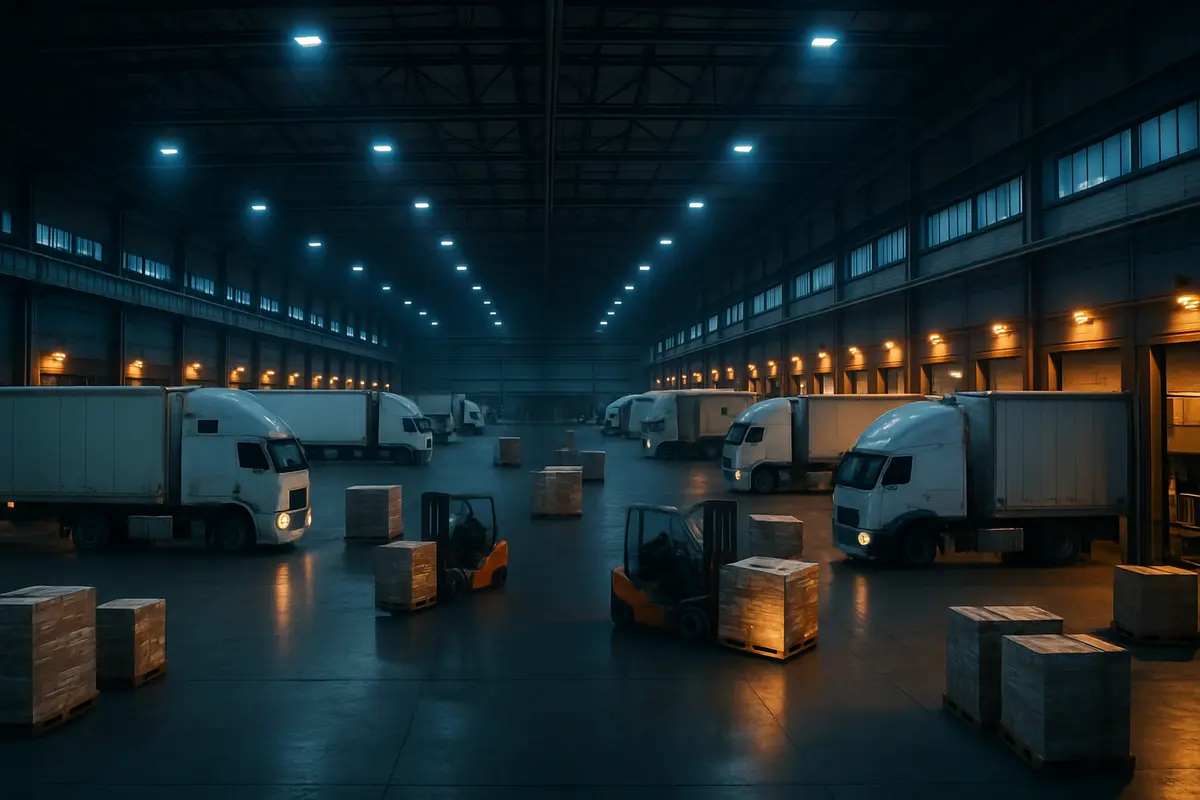
Cross-docking has always promised the ultimate logistics shortcut: move freight from inbound to outbound without ever storing it. In 2026, artificial intelligence is finally making that promise scalable—transforming what was once a niche tactic for retail giants into an accessible strategy that's eliminating warehousing costs across industries.
The Economics of Eliminating Storage
Traditional warehousing is expensive. Between rent, labor, utilities, insurance, and inventory carrying costs, storing goods can account for 25–30% of total logistics spend. Cross-docking sidesteps this entirely by routing inbound shipments directly to outbound trucks, often within hours of arrival.
According to research from the Council of Supply Chain Management Professionals (CSCMP), companies that implement cross-docking achieve an average of 18% in warehousing cost savings and a 22% reduction in inventory levels. For high-velocity supply chains—think grocery, automotive parts, and e-commerce fulfillment—those numbers translate to millions in annual savings.
But traditional cross-docking has a critical weakness: it demands precise coordination. One late inbound truck can cascade into missed outbound windows, turning a cost-saving strategy into an operational nightmare. That's where AI enters the picture.
AI-Powered Dock Assignment and Synchronization
The core challenge of cross-docking is timing. Inbound and outbound shipments must be synchronized with near-perfect precision, and dock doors must be assigned dynamically as conditions change throughout the day.
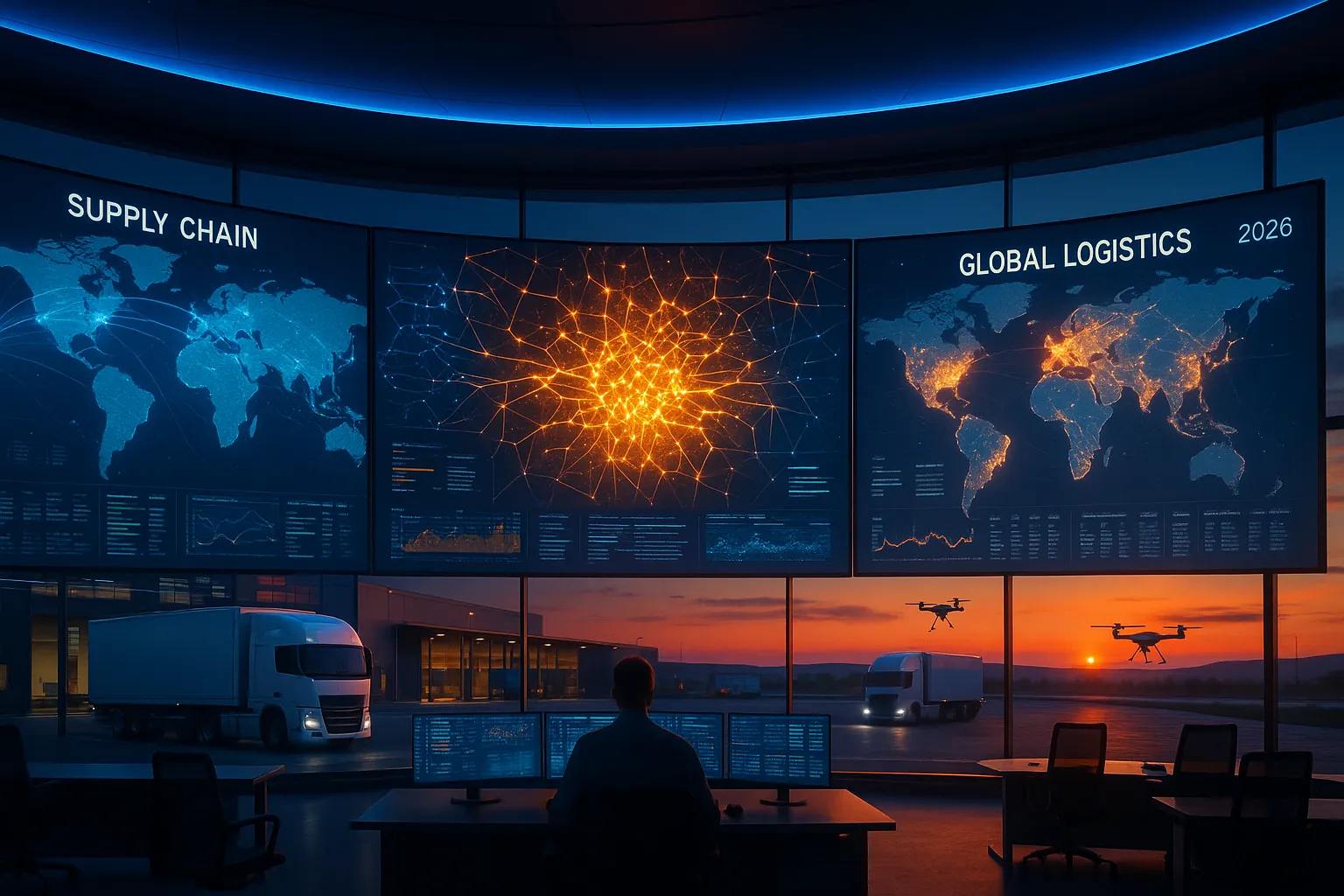
AI-driven dock scheduling systems now process real-time data from GPS tracking, traffic feeds, weather forecasts, and carrier ETA predictions to optimize dock assignments on the fly. When an inbound truck is delayed by 45 minutes, the system automatically reshuffles outbound loading sequences, reallocates dock doors, and notifies downstream carriers—all without human intervention.
As Inbound Logistics reports, industry leaders rate AI's expected usefulness in supply chain management at an average of 8 out of 10 heading into 2026, with warehouse operations cited as one of the highest-impact application areas. Eric Walters, VP of Analytics at DHL Supply Chain North America, notes that "AI-driven computer vision will help warehouses process goods faster, reduce errors, and optimize space utilization."
For cross-dock facilities, this translates to intelligent sortation systems that use computer vision to read labels, verify shipment contents, and route pallets to the correct outbound lane—reducing handling errors by up to 40%.
Digital Twins and IoT for Real-Time Visibility
The next evolution of cross-docking relies on digital twin technology: virtual replicas of physical cross-dock facilities that simulate operations in real time. These digital twins ingest data from IoT sensors embedded in dock doors, conveyor systems, and even individual pallets to create a living model of facility operations.
Facility managers can use digital twins to run "what-if" scenarios—testing how a surge in inbound volume or a carrier no-show would affect throughput—before those situations actually occur. This predictive capability transforms cross-docking from a reactive operation into a proactive one.
MHI's assessment of top supply chain trends for 2026 reinforces this shift, identifying automation and AI-driven insights as critical for building "efficient supply chains that are responsive and agile." According to MHI's 2024 Annual Report, 85% of supply chain leaders expect to adopt AI technologies within the next five years, with warehouse and hub operations ranking among the top deployment targets.
Industry Use Cases Driving Adoption
Cross-docking 2.0 is gaining traction across multiple verticals:
Retail and Grocery. Large retailers have used cross-docking for decades, but AI now enables mid-size grocers to compete. Automated sortation and AI-driven demand forecasting ensure that perishable goods move from supplier trucks to store-bound deliveries in under four hours, dramatically reducing spoilage rates.
Automotive Parts Distribution. Just-in-time manufacturing depends on parts arriving exactly when needed. AI-optimized cross-docks synchronize inbound parts shipments with production schedules, consolidating partial loads from multiple suppliers into single outbound deliveries to assembly plants.
E-Commerce Fulfillment. With consumer expectations for next-day delivery now standard, e-commerce operators use AI cross-docking to bypass regional distribution centers entirely. Shipments flow from manufacturer to cross-dock to last-mile carrier in a single day, cutting fulfillment time by 30–50%.
LTL Freight Consolidation. Less-than-truckload carriers operate entire networks of cross-dock terminals. AI optimization of these hub-and-spoke networks improves trailer utilization rates from an industry average of 65% to above 80%, reducing both per-shipment costs and carbon emissions.
The TMS Connection: Orchestrating Cross-Dock Workflows
Cross-docking doesn't operate in isolation—it requires tight integration with transportation management systems to coordinate inbound pickups, dock appointments, and outbound dispatches. Modern TMS platforms serve as the orchestration layer, feeding shipment data to cross-dock AI systems and receiving optimized load plans in return.
This integration enables capabilities like dynamic load consolidation, where the TMS identifies shipments heading to the same region and routes them through a common cross-dock for consolidation—even if they weren't originally planned for cross-docking. The result is fewer trucks on the road, lower freight costs, and faster delivery times.
CXTMS supports cross-dock workflow orchestration through its multi-modal planning engine, enabling logistics teams to dynamically route shipments through cross-dock facilities based on real-time cost and transit time optimization. By connecting carrier networks, dock scheduling, and shipment tracking in a single platform, CXTMS helps operators capture the full cost-saving potential of AI-powered cross-docking.
Looking Ahead
As AI models become more sophisticated and IoT sensor costs continue to fall, the barrier to entry for intelligent cross-docking is dropping rapidly. What was once the exclusive domain of Walmart and Amazon is becoming accessible to mid-market shippers and 3PLs. The companies that invest in AI-optimized hub operations now will lock in structural cost advantages that compound over time.
The warehouse of the future may not be a warehouse at all—it may be a cross-dock.
Ready to optimize your hub operations and cut warehousing costs? Contact CXTMS for a demo of our cross-dock workflow orchestration.