AI-Related Cargo Is Reshaping the Trans-Pacific Mix: Plan for Density, Value, and Urgency

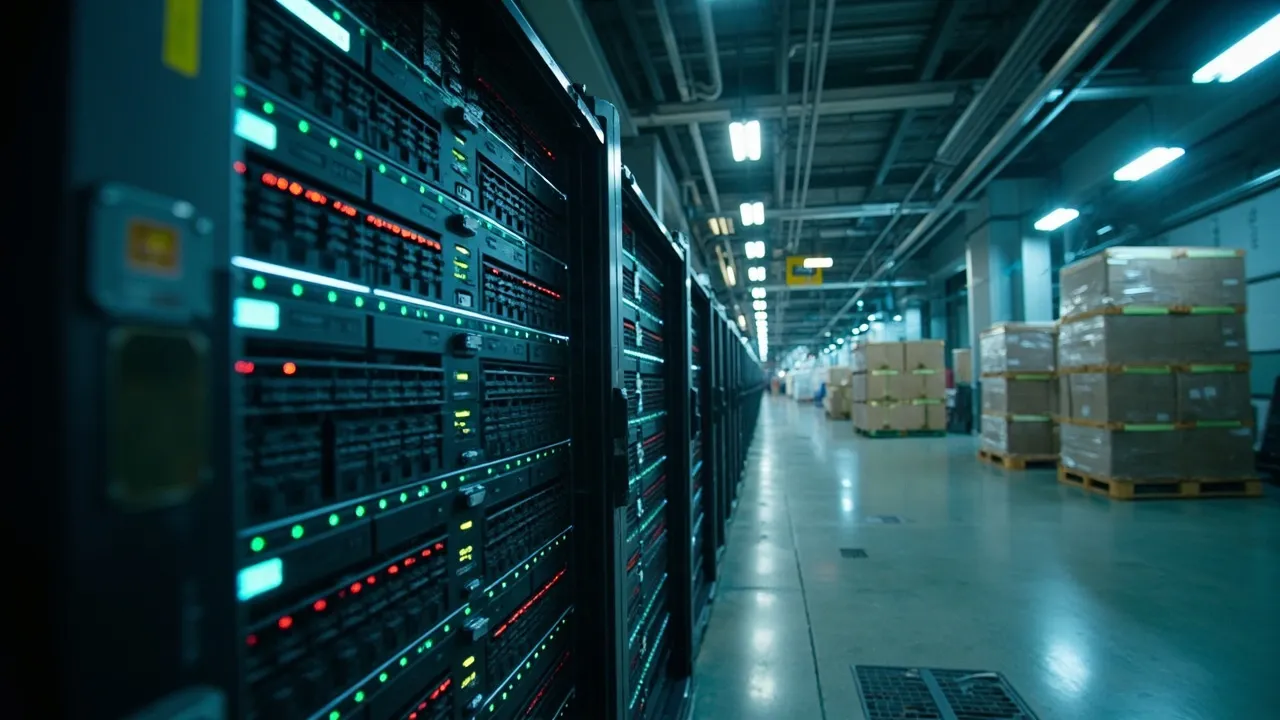
Trans-Pacific demand no longer tells one simple story. Consumer imports can soften while another cargo segment accelerates: the servers, semiconductors, networking equipment, cooling systems, and electrical components required for artificial intelligence infrastructure.
That divergence matters because AI-related cargo behaves differently from ordinary electronics. Its value is higher, delivery windows are tighter, packaging is more specialized, and the cost of delaying an installation can dwarf the freight bill. Forwarders should therefore stop treating this traffic as a small variation inside an aggregate Asia-to-North America forecast. It needs its own operating model.
The headline volume forecast hides the real signal
The broader air cargo outlook remains measured. Supply Chain Dive reported that Xeneta expected global air cargo volumes to grow only 2% to 3% in 2026. Yet the same market contains lanes moving much faster. In late June, rates from Northeast Asia and Southeast Asia to North America were 41% and 42% higher, respectively, than in late February, with AI-related goods and semiconductors cited as important demand drivers.
The production base also supports the thesis. Reuters reported that Taiwan's exports reached a record $640.75 billion in 2025, powered by demand for chips and AI technology. Meanwhile, FreightWaves reported that U.S. air freight imports were up 17% year over year, with computers, GPUs, and electrical goods moving onward to data-center projects by expedited truck.
These figures should not be read as proof that every Trans-Pacific lane will tighten equally. They show why averages can mislead. A modest overall growth rate can coexist with acute pressure on particular origins, flight schedules, handling capabilities, and final-mile corridors.
One project, four freight profiles
“AI cargo” is not a useful booking category by itself. A rack-scale deployment may contain at least four distinct logistics profiles.
First, accelerators, processors, memory, and other high-value components have an exceptional value-to-weight ratio. They often justify air transport, tightly controlled custody, discreet documentation, and enhanced insurance. A small shipment can create an outsized financial loss.
Second, fully configured servers and racks combine value with dimensional complexity. Their gross weight may be manageable, but their cube, center of gravity, tilt sensitivity, and packaging can reduce aircraft or container utilization. A planner who looks only at kilograms misses the operational constraint.
Third, liquid-cooling units, chillers, pumps, and heat-exchange equipment are denser and less time-sensitive until they become the missing item holding up commissioning. These shipments may fit ocean or deferred air service early in the project, then become expensive expedites when milestones slip.
Fourth, supporting power and network equipment—including switchgear, uninterruptible power supplies, cables, and optical components—comes from a wider supplier base. The logistics risk is synchronization: a server delivery has little value if the site lacks the equipment needed to connect, cool, or energize it.
Build the decision at shipment level
Mode selection should begin with the consequence of lateness, not a blanket rule that chips fly and infrastructure sails. Each shipment record should carry five planning variables:
- Declared and replacement value: Use both figures for insurance limits and security controls. Replacement value should include scarcity and reconfiguration costs, not merely the commercial invoice.
- Dimensional density: Store verified dimensions, stackability, orientation restrictions, and chargeable weight. This exposes loads that consume scarce airfreight cube even when their scale weight appears modest.
- Milestone dependency: Link the shipment to the installation task it enables. A relatively inexpensive cooling manifold may deserve priority if it gates an entire row of racks.
- Security tier: Assign custody, screening, tracking, approved-carrier, and parking rules according to theft and tampering exposure.
- Recovery clock: Define how many hours of delay remain before the shipment threatens commissioning, along with the approved escalation path and maximum expedite spend.
This data turns mode planning into a repeatable decision. A shipment with high value but three weeks of float may use secured ocean service. A lower-value electrical component with no schedule float may require the next available flight.
Protect the handoffs, not just the long haul
High-value cargo risk concentrates at handoffs: supplier pickup, consolidation, airport dwell, customs release, deconsolidation, and the final transfer to a project site. A premium airport-to-airport booking does not protect a load sitting overnight in an unsecured yard.
Forwarders should create a route-level control plan covering authorized parties, geofenced stops, seal procedures, exception contacts, and proof-of-custody events. Avoid displaying sensitive commodity descriptions more broadly than necessary. Confirm that insurance terms match the actual route, storage locations, and subcontracted legs. For multi-vendor deployments, use appointment controls so sensitive equipment does not arrive before the site can receive and secure it.
Customs readiness belongs in the same workflow. Classification questions, inconsistent descriptions, missing origin data, or valuation errors can consume the schedule buffer that justified a lower-cost mode. Documents should be validated before departure, with high-risk entries routed for specialist review.
Manage AI cargo as a portfolio
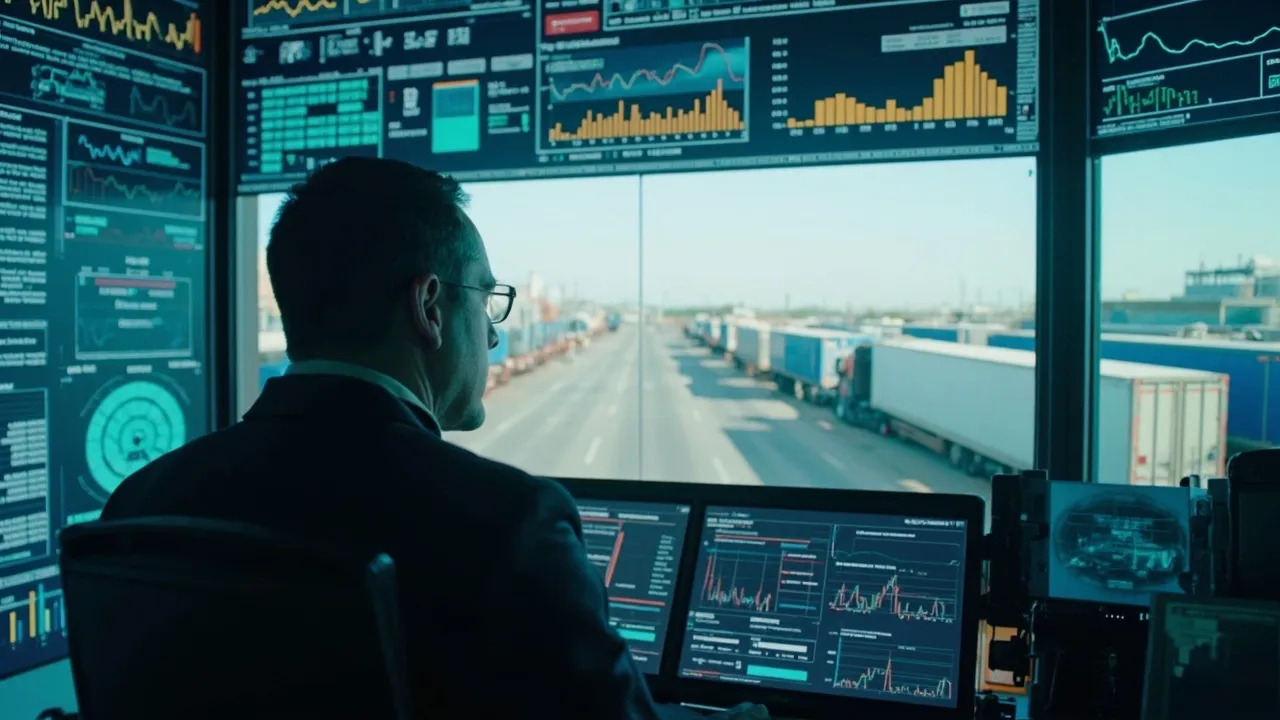
Executives still need an aggregate view—but it should be built from shipment-level facts. A useful AI-infrastructure dashboard separates volume by origin, commodity family, mode, security tier, density band, and recovery-clock status. It should show exposure to specific flights, gateways, handlers, and final-mile carriers rather than one Trans-Pacific total.
The central lesson is simple: the AI buildout is creating a service-sensitive freight segment inside an uneven market. Forwarders that identify it early can reserve the right capacity, price risk intelligently, and prevent project urgency from becoming uncontrolled expedite spend.
Ready to manage high-value, time-critical freight with better shipment-level controls? Request a CXTMS demo and see how one transportation platform can connect planning, execution, documents, and exceptions.