Japan-to-U.S. Port Call Expansion Gives Shippers a New Transpacific Planning Lever

A new ocean service call is easy to treat as carrier news. Another weekly option appears on a schedule, procurement updates a routing guide, and the freight team moves on.
That is too small a reading for Japan-to-U.S. trade.
When an ocean carrier adds direct Japan port calls into Los Angeles, shippers gain more than another sailing. They gain a planning lever that can change inland pre-carriage, booking cutoffs, SKU allocation, factory release calendars, and exception risk for freight moving across one of the world’s most operationally demanding trade lanes.
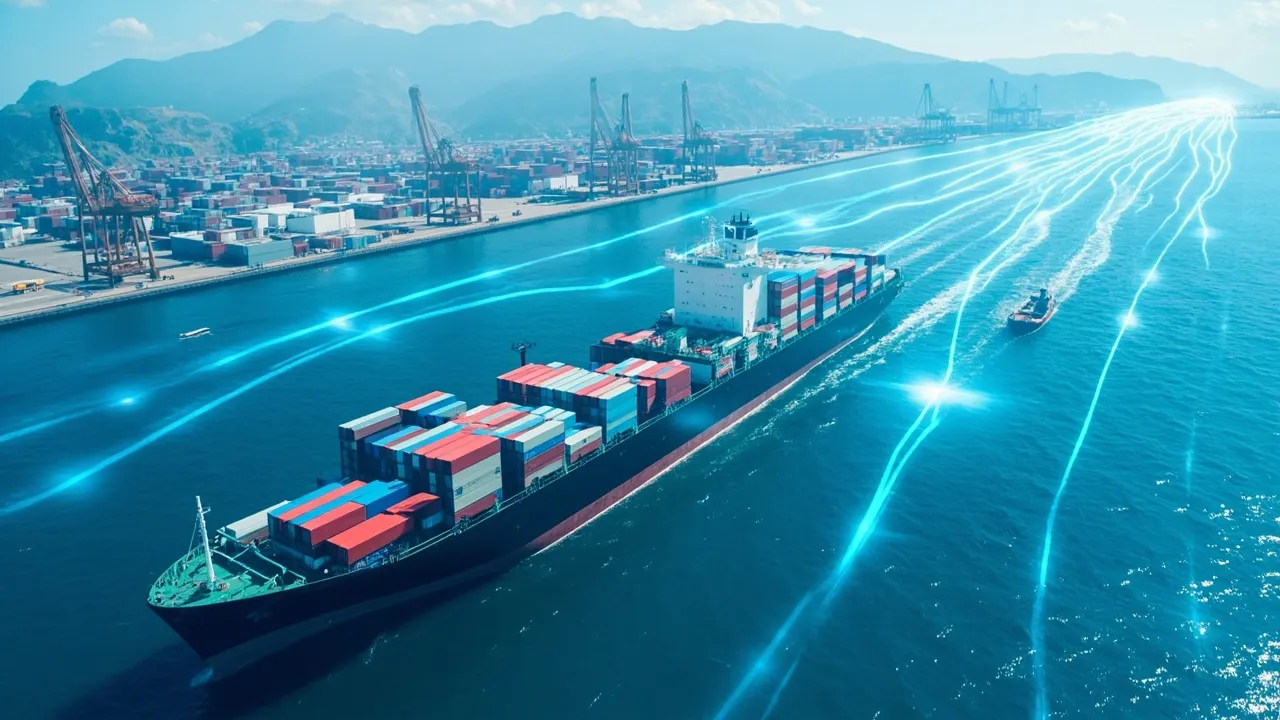
Inbound Logistics recently reported that CMA CGM enhanced its Eagle Express 1 service, a U.S.-flag weekly service connecting Japan with the U.S. West Coast. The update added Japan port calls at Kobe, Nagoya, and Yokohama, with cargo reaching Los Angeles in 16 days, 14 days, and 12 days, respectively. Those numbers matter because they give shippers three distinct origin-port choices instead of forcing every Japan export decision through one default gateway.
For importers of automotive components, electronics, machinery, industrial parts, and other high-value freight, that optionality is not cosmetic. It is the difference between designing a route around the closest port, the best sailing window, the most reliable inland move, or the SKU that cannot miss a U.S. production or customer delivery date.
Port optionality reduces hidden inland cost
The ocean leg usually gets executive attention, but the inland leg before the vessel can quietly decide whether the move works.
If a supplier near Nagoya has to truck containers to a less convenient export gateway because that is where the preferred service calls, the shipper may absorb extra drayage, earlier cutoffs, added handoffs, and more room for factory-to-port delays. A direct Nagoya call changes that math. So does a Kobe call for western Japan suppliers or a Yokohama call for freight closer to the Tokyo region.
The 16-, 14-, and 12-day Los Angeles transit times also create planning distinctions. A shipper can decide whether an order should prioritize shorter ocean transit, lower inland exposure, better production timing, or a cleaner cutoff.
That is especially valuable for parts networks where a container may represent hundreds of downstream commitments. A late shipment of replacement components, factory inputs, or electronics inventory can ripple into missed production windows, expedited domestic freight, or customer-service escalation. The right origin-port choice can prevent the exception before it starts.
Direct calls support SKU-level allocation
Port calls become more powerful when they are connected to inventory allocation, not just booking execution.
A high-volume importer may have purchase orders leaving multiple Japanese supplier clusters in the same week. Some SKUs are promotional, some are production-critical, and some are replenishment stock with more flexibility. With only one practical ocean option, teams solve that complexity with buffers. With multiple port-call choices, they can be more surgical.
For example, inventory tied to a tight U.S. launch window may justify the fastest feasible Los Angeles arrival. Heavier industrial parts may benefit from reduced inland pre-carriage inside Japan, even if the ocean transit is a few days longer. Supplier clusters with repeat cutoff misses may need a routing rule that favors the port with the most controllable drayage pattern rather than the lowest quoted ocean cost.
A TMS should therefore do more than store a carrier schedule. It should connect SKU priority, supplier geography, booking windows, milestones, arrival performance, and exception history into one decision record.
Contract uncertainty makes service design more important
The broader ocean market is not exactly calm. Supply Chain Dive reported in May that U.S. shippers were hesitating to sign long-term ocean contracts amid geopolitical uncertainty, with more volume expected to move through the spot market while contract negotiations played out. The same report noted that some large shippers still valued contracted freight coverage for cost predictability and service reliability.
That tension is the point. In an uncertain market, shippers need more than a rate strategy. They need a service-design strategy. Added Japan-to-Los Angeles calls do not eliminate rate volatility, blank sailing risk, or port congestion, but they give logistics teams another controllable input: service strings that can be compared by loading port, expected transit, cutoff discipline, rollover risk, and exception frequency.
Logistics Management has made a similar broader argument about risk management: companies are moving from simply receiving alerts to acting on them. Its 2026 risk-management coverage cited global supply chain disruptions costing businesses an estimated $184 billion annually, with 65% of companies facing at least one supply chain bottleneck at any given time. That is not an environment where routing decisions should live in spreadsheets and inboxes.
For transpacific freight, action means knowing which shipments are exposed before they miss the vessel, seeing when a supplier release threatens a cutoff, and escalating earlier when the inland move, booking confirmation, customs document, or container milestone starts drifting.
Automotive and electronics lanes need tighter control
Japan-origin freight often carries a different operating profile than generic containerized imports. Automotive supply chains run on synchronized production and aftermarket service obligations. Electronics moves can involve high value, short product cycles, and strict customer windows. Industrial parts may be bulky, specialized, or tied to capital-equipment uptime.
That is why the best route is not always the shortest transit. It is the route that aligns supplier release, container availability, cutoff, sailing, Los Angeles arrival, customs clearance, drayage appointment, and final delivery with the least exception risk. A practical routing guide should know which supplier locations are closest to Kobe, Nagoya, or Yokohama; which SKUs need the 12-, 14-, or 16-day arrival profile; and which customers trigger escalation if booking slips. Those questions turn port calls into operating logic.
CXTMS makes port-call choices executable
CXTMS helps freight teams turn ocean service options into controlled execution. Instead of treating a carrier update as a static note, CXTMS can connect service strings, booking windows, port-pair performance, shipment milestones, supplier commitments, and exception risk in one transportation record.
That matters because the value of the Eagle Express 1 enhancement is not just that Kobe, Nagoya, and Yokohama now appear on a schedule. The value is that shippers can compare those calls against actual freight needs: where the supplier is, when inventory is ready, what the customer promise requires, and where prior exceptions occurred.
Japan-to-U.S. ocean planning is becoming more granular. The shippers that benefit will not be the ones that simply add another carrier option to a spreadsheet. They will be the ones that convert port optionality into routing discipline, allocation logic, and earlier exception control.
Ready to make ocean service planning more precise? Request a CXTMS demo and see how booking windows, shipment milestones, routing guides, and exception workflows stay connected from origin port to final delivery.