Nuuly Fulfillment Automation: Measure the Cost per Rental Turn, Not Just the Cost per Order

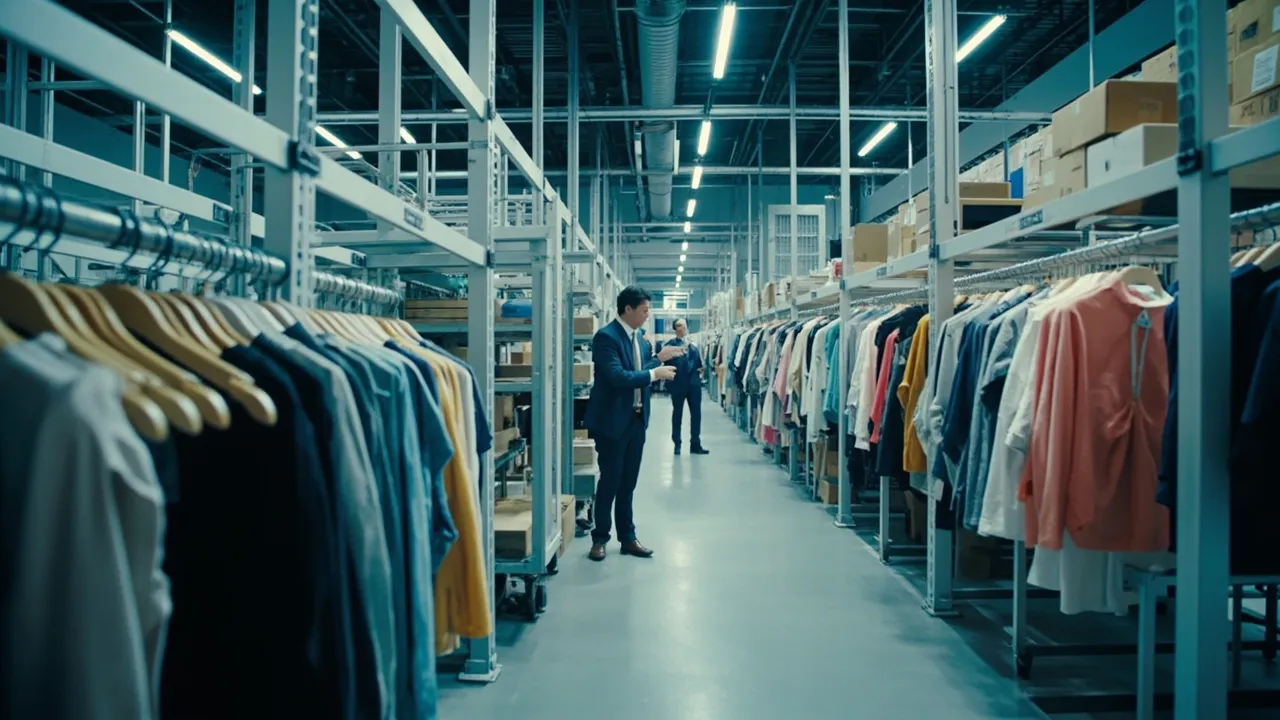
Apparel rental makes every garment both an outbound order and a future return. After a customer sends an item back, the operator must receive it, identify it, inspect it, clean it, decide whether it needs repair, return it to storage, pick it again, and pack it for another subscriber. Conventional cost per order captures only part of that loop.
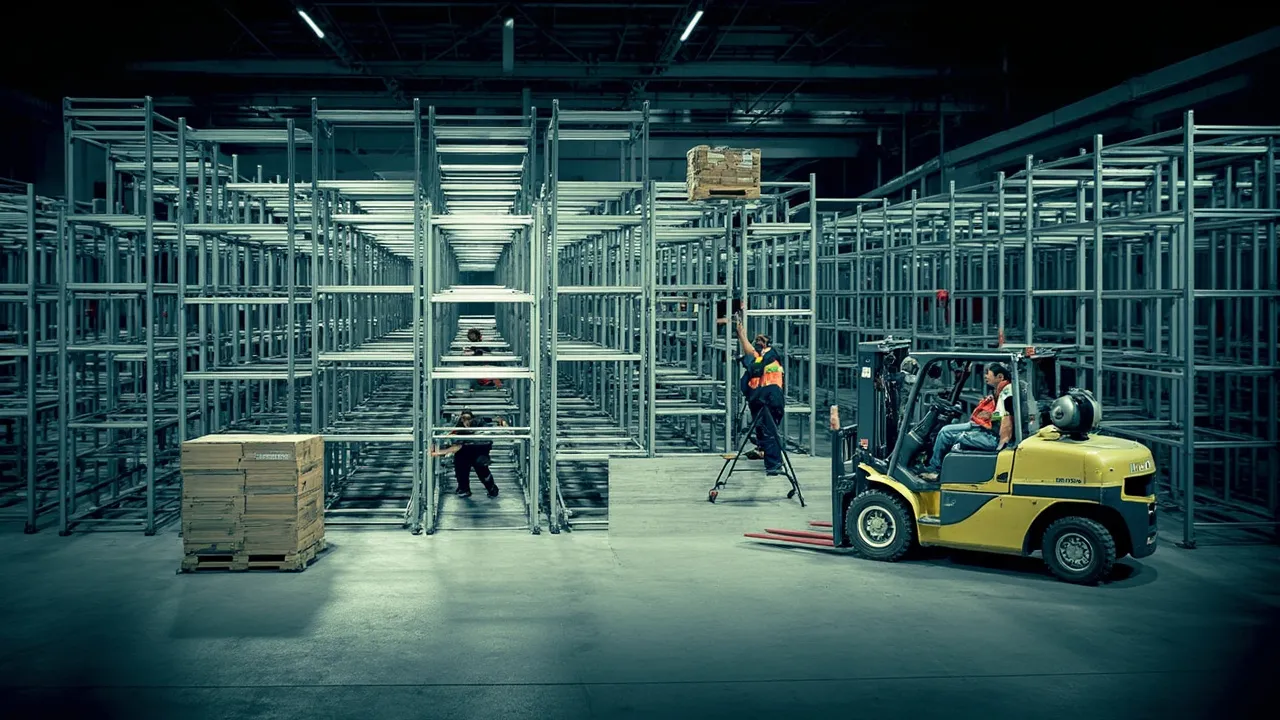
That distinction matters as Nuuly expands automation. The company is adding automated garment storage, order sortation, and picking at its Kansas City-area fulfillment center. The best test of those investments is not simply whether outbound orders become cheaper. It is whether each complete rental turn becomes faster, less expensive, and more reliable while preserving garment quality.
Rental fulfillment is a closed-loop operation
In a conventional sale, fulfillment largely ends after delivery, except for the minority of orders that are returned. In rental, the return is part of the planned operating cycle. A garment unavailable in receiving, cleaning, inspection, or repair cannot earn another rental, even if the outbound pick station is highly productive.
Nuuly's scale makes that loop operationally significant. Supply Chain Dive reported that its Kansas City-area building has expanded to 1 million square feet and can support up to 600,000 subscribers. The company said the operation already ships, receives, launders, and inspects wardrobes for roughly half a million subscribers.
Demand is rising as well. Urban Outfitters' subscription segment posted a 28.6% year-over-year sales increase for the quarter ended July 31, while average active subscribers increased 30.4%. That growth makes small delays expensive: minutes added to each returned garment become thousands of hours across the network, while inventory trapped between process steps reduces the assortment available to customers.
Define cost per rental turn
A useful baseline includes every direct and allocated cost from one shipment to the garment becoming ready for its next shipment:
Cost per rental turn = inbound transportation + receiving + inspection + cleaning + repair + storage + picking + packing + outbound transportation + allocated automation and exception cost.
The denominator should be completed, rentable turns—not boxes shipped and not garments touched. If ten items enter the facility but two wait for repair, reporting ten processed units overstates productive output. The metric should recognize a turn only when the item has passed quality control and is available for another customer promise.
Operators can then break the total into stage-level measures:
- Labor minutes and machine time per garment
- Queue time between receipt, cleaning, inspection, repair, and storage
- First-pass quality acceptance rate
- Percentage of items diverted to repair, stain treatment, or retirement
- Days unavailable between customer returns
- Picks, sorts, and storage moves per labor hour
- Automation uptime and cost per completed turn
- Transportation cost and delivery performance per cycle
This structure prevents a local improvement from masquerading as a network gain. Faster picking is valuable, but not if sortation errors increase or garments spend longer waiting upstream.
Measure automation against the entire loop
Nuuly plans to bring additional garment-storage automation online first, followed by automated order sortation in the fourth quarter and an automated picking solution around mid-2027. That sequence creates a natural measurement opportunity. Capture the cost, cycle time, throughput, availability, and error baseline before each launch; then compare like-for-like weeks after stabilization.
The business case should include capital and support costs. Urban Outfitters expects approximately $475 million in fiscal 2027 capital expenditures, with about 50% directed to logistics investments, according to the same Supply Chain Dive report. That does not mean every logistics dollar belongs to Nuuly, but it underscores why utilization, maintenance, software, integration, and downtime must appear in the unit economics.
Industry evidence supports that broader view. A Modern Materials Handling automation survey found that 86% of respondents considered both system uptime and reliability and total cost of ownership or maintenance very important when evaluating automation. The same survey identified picking efficiency as an improvement priority for 64% of respondents, capacity utilization and order cycle time for 60% each, and labor reduction for 58%.
Those numbers suggest a balanced scorecard: labor savings alone are not enough. An automated subsystem must remain available, use space well, shorten the full cycle, and avoid pushing work into manual exceptions.
Reconnect the return to the next customer promise
The most important data handoff occurs when a returned garment becomes sellable—or rentable—again. Warehouse events should update availability only after the item clears defined gates. A scan at receiving establishes custody. Inspection records condition and disposition. Cleaning and repair events show work status. A final quality release restores the item to available inventory and assigns its storage location.
Transportation data belongs in the same timeline. The estimated return arrival affects projected availability; actual receipt starts the internal clock; the next order's cutoff and carrier service determine whether that inventory can support a promised delivery date. If these events live in disconnected systems, the storefront may promise an item that is physically present but not operationally ready.
A control workflow should flag garments that exceed expected dwell time at any stage. It should also identify the responsible queue, expected recovery time, and customers or orders at risk. This turns a generic “unavailable” status into an actionable exception.
Use a practical implementation baseline
Start with four weeks of data spanning normal and peak volumes. Assign labor, consumables, transportation, occupancy, equipment depreciation, maintenance, and software costs to each process stage. Track individual garments through the loop using a persistent item identifier. Then segment results by garment category, condition, cleaning path, repair need, and facility.
After automation goes live, compare completed turns per paid labor hour, median and 90th-percentile cycle time, first-pass acceptance, garment availability, and total cost per turn. Keep customer outcomes beside the operational metrics: fulfillment accuracy, on-time delivery, expedited-processing use, and subscriber complaints can expose savings that came at the expense of service.
Nuuly's future network is designed to support roughly 1.2 million subscribers after a planned Philadelphia-area facility expands East Coast capacity. At that scale, cost per rental turn becomes more than an accounting metric. It is the common language connecting automation, inventory productivity, transportation, and the customer promise.
Connect every turn with CXTMS
CXTMS connects shipment milestones, warehouse handoffs, costs, delivery promises, and exceptions in one operational record. Teams can trace a return through the next outbound cycle, measure transportation performance alongside inventory availability, and act before a delayed handoff affects the subscriber.
Request a CXTMS demo to build a closed-loop view of rental fulfillment and transportation performance.