Best Buy’s Zero-Waste Logistics Playbook: What 29 Certified Facilities Prove

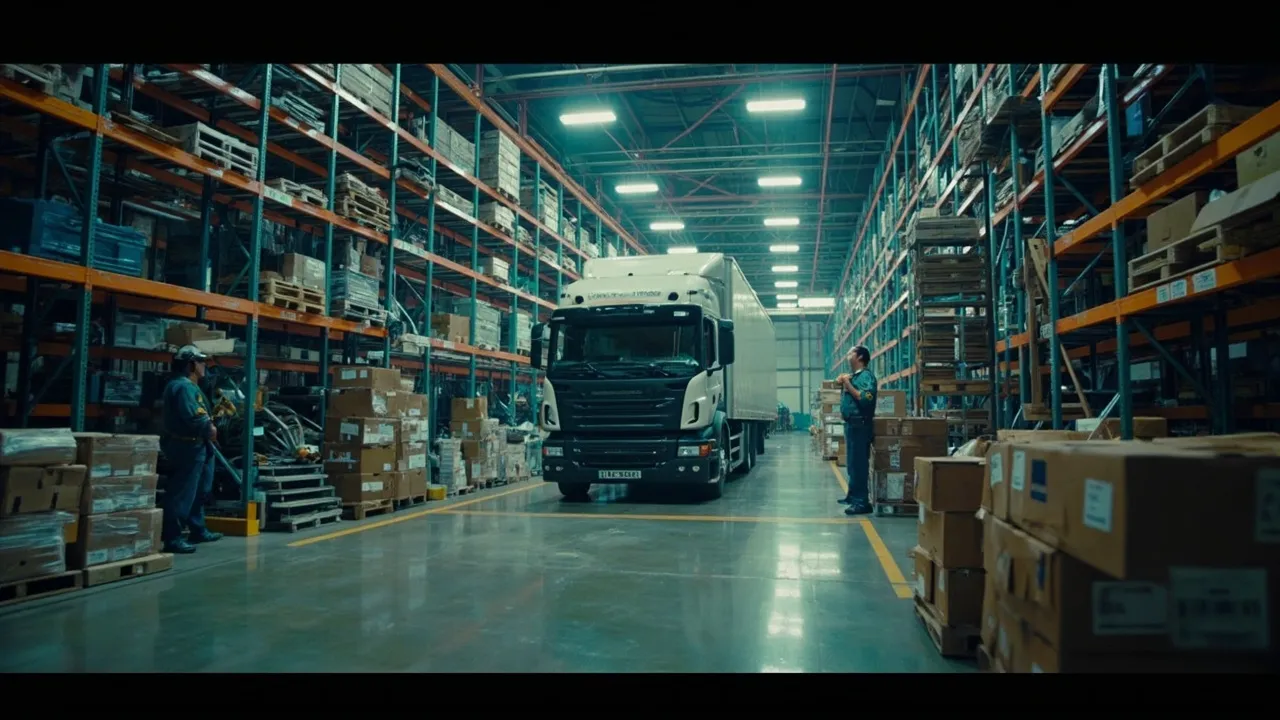
Zero waste becomes meaningful when it stops being an aspiration and starts behaving like an operating standard. Best Buy has now demonstrated that shift across an entire logistics network: all 29 of its supply chain facilities have earned zero-waste certification under the Total Resource Use and Efficiency (TRUE) program.
This is more than a sustainability headline. It is evidence that waste diversion can be managed with the same discipline logistics teams already apply to inventory, freight, labor, and service levels. The achievement offers a practical model for operators that want measurable environmental gains without treating every facility as a one-off project.
What the certification actually proves
According to Supply Chain Dive’s report on Best Buy’s achievement, TRUE certification requires a facility to divert more than 90% of its waste away from landfills. Sites must also conduct regular waste audits, keep contamination below 10%, comply with applicable laws and discharge permits, and maintain an active zero-waste policy.
Those conditions matter because “zero waste” does not mean a warehouse produces literally nothing to discard. It means the facility can document where material goes, prevent most of it from reaching a landfill, and keep recycling streams clean enough to retain value.
Best Buy began the network rollout with its Chino, California, supply chain facility, which became the first certified site in 2021. Expanding from one pilot to 29 certified facilities in roughly five years suggests that the retailer converted local practices into repeatable controls.
Turn diversion into daily operating work
The first control is a facility-level material map. Operators should identify every significant outbound waste stream—cardboard, stretch wrap, rigid plastic, foam, pallets, damaged products, batteries, metals, and general refuse—and assign each one an approved destination. Weight tickets, recycler receipts, pickup records, and contamination reports should be captured consistently.
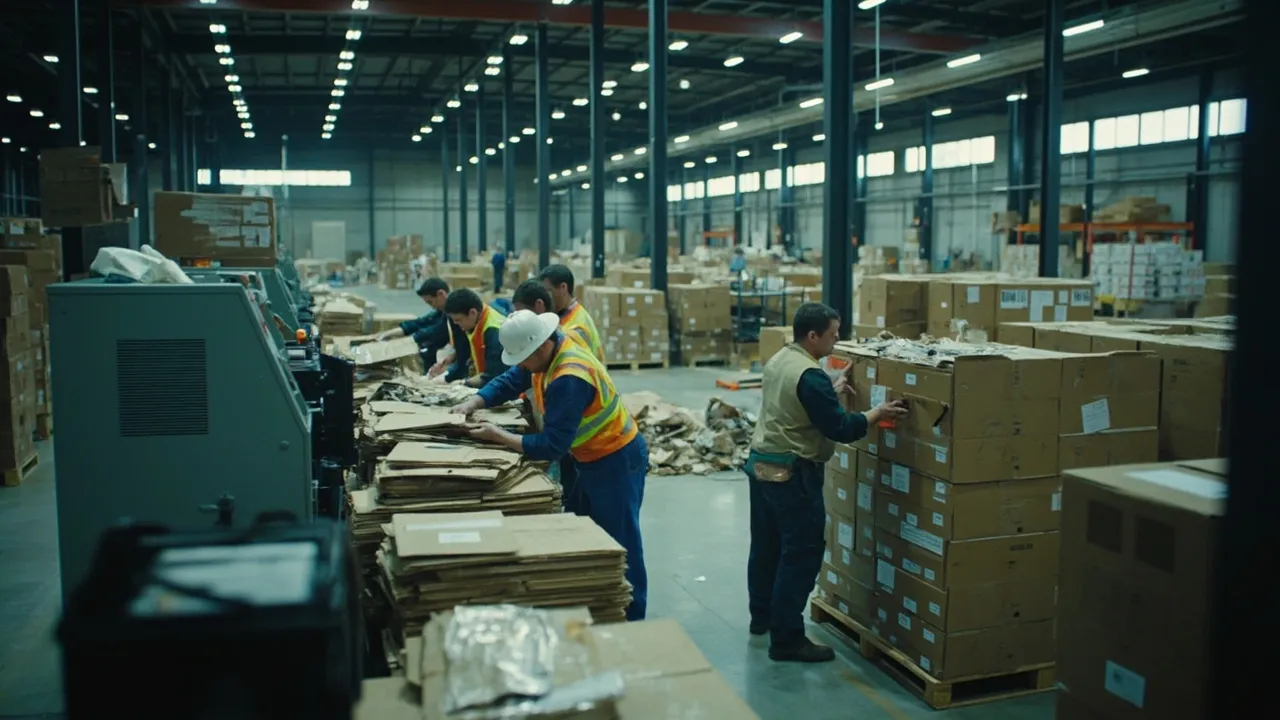
Best Buy says cardboard and plastic represent the largest share of the material it diverts. That makes sense operationally: they arrive continuously with inbound products and can overwhelm docks if they are not sorted, compacted, and removed on schedule. A separate Supply Chain Dive report on Best Buy’s distribution investments says the retailer added 29 cardboard balers in fiscal 2025. Baling reduces volume, improves trailer utilization, and makes cardboard easier to aggregate into recyclable loads.
The useful metric is not simply pounds recycled. Facilities should measure diversion rate, contamination rate, material generated per order, recovery revenue per ton, hauling cost per ton, and missed-pickup incidents. Normalizing waste by cartons shipped or orders processed prevents volume growth from disguising deterioration.
Design reuse and reverse logistics together
Recycling is only one rung on the waste hierarchy. Avoiding material or keeping it in use generally preserves more value. Best Buy reports that it optimized packaging and repurposes expanded foam using industrial densifiers. The equipment melts and condenses foam into blocks that partners turn into products such as new packaging, building materials, and picture frames.
That practice exposes an important logistics dependency: recovered material still needs a route, a handling unit, a pickup cadence, and a receiving partner. If those elements are missing, a recycling initiative becomes dock clutter.
A transportation management system can treat recovered material as a reverse flow rather than an informal disposal task. A pickup record should identify the facility, material type, estimated and verified weight, handling requirements, recycler, destination, carrier, appointment, and proof of receipt. Where practical, outbound product deliveries and return trips can be paired with material backhauls to reduce empty miles and collection cost.
Packaging data belongs in the same loop. Teams should connect SKU dimensions, carton selection, void-fill use, damage rates, and customer returns. A smaller package that increases product damage is not a sustainability win; it merely moves material and cost into the reverse network.
Audits need shipment-level evidence
Annual totals are too late to manage. Each facility needs a monthly material balance that reconciles waste generated with quantities reused, recycled, composted, otherwise recovered, or sent to landfill. The calculation should link back to source evidence rather than a spreadsheet estimate that cannot survive an audit.
Transportation records can close that gap. A load or pickup ID ties a waste movement to its carrier, departure time, destination, weight ticket, and recycler receipt. Exception workflows can flag a missing certificate, a weight variance, a rejected recycling load, or contamination over the 10% threshold.
The same data can reveal operating causes. A spike in cardboard per shipped unit may point to supplier packaging changes. More damaged-product returns on one lane may indicate poor securement. Repeated contamination on one shift may reveal training or bin-placement problems. Best Buy’s employee-led “green teams,” which educate coworkers and support diversion goals, show why data and local ownership must work together.
A phased scorecard for certification
Operators can pursue zero-waste logistics without attempting a network-wide transformation on day one.
Phase 1 — Baseline: Run waste audits, classify material streams, verify vendors, and calculate diversion and contamination by facility. Establish documented chain of custody for every outbound material movement.
Phase 2 — Control: Assign bin standards, owners, pickup schedules, evidence requirements, and escalation rules. Track diversion above 90%, contamination below 10%, missed pickups, and unresolved documentation.
Phase 3 — Reduce: Target the largest material streams first. Improve cartonization, expand reusable packaging, introduce compactors or balers where volume supports them, and work with suppliers to eliminate avoidable material.
Phase 4 — Scale and certify: Pilot at a representative facility, document the playbook, train local green teams, and roll out common dashboards. Audit sites internally before submitting them for third-party certification.
Best Buy’s 29 certified facilities prove that zero-waste logistics is scalable when policy is translated into material flows, equipment, ownership, evidence, and measurable thresholds. The lesson is refreshingly operational: sustainability performance improves when every discarded carton or recovered foam block is managed as deliberately as a customer shipment.
Ready to connect transportation, packaging, returns, and sustainability evidence in one operating workflow? Request a CXTMS demo and see how shipment-level visibility can support a more efficient, auditable logistics network.