Europe’s E-Waste Problem Is a Reverse-Logistics Supply Security Opportunity

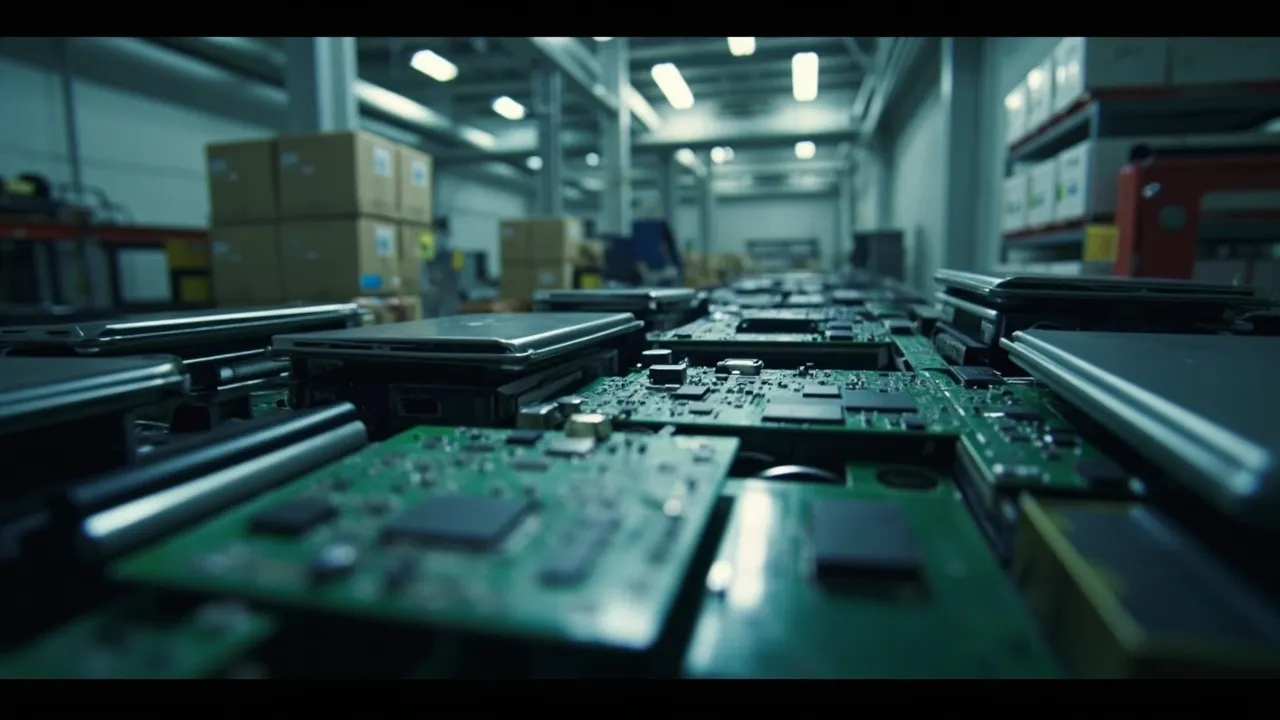
Europe’s discarded phones, computers, appliances, batteries, and industrial electronics are more than a waste-management burden. They are a dispersed inventory of copper, cobalt, lithium, gold, rare earth elements, and reusable components. Recovering that inventory will not replace primary mining, but it can give manufacturers a more local and measurable source of constrained materials.
The scale makes the opportunity hard to ignore. Reuters reported that global e-waste reached 62 million metric tons in 2022, while only 22.3% was documented as properly collected and recycled. That stream contained more than 7,000 metric tons of rare earth materials—enough, according to the report, to meet almost half of the International Energy Agency’s projected 2030 rare-earth demand for wind power.
The constraint is not simply recycling technology. It is logistics. End-of-life electronics originate in millions of homes, offices, retail stores, repair centers, data centers, and factories. Their value depends on whether operators can identify, collect, consolidate, transport, sort, and release them into the right recovery process without losing custody or contaminating the stream.
Treat returned electronics as supply, not rubbish
A conventional waste flow optimizes removal. A circular supply flow optimizes retained value. That distinction changes collection priorities, packaging standards, carrier selection, routing, and data capture.
Rare-earth magnets, printed circuit boards, batteries, cables, and aluminum housings should not all travel through the same undifferentiated channel. Some devices can be repaired or harvested for components. Others need certified material recovery. Damaged lithium batteries require special handling and may be subject to dangerous-goods rules. If these categories are mixed early, the operator can destroy economic value and introduce safety risks before a recycler sees the load.
The strategic case is growing. Reuters reported in December 2025 that the European Commission planned restrictions on exports of recyclable rare-earth waste and battery scrap as part of an effort to reduce dependence on China. Meanwhile, Deloitte notes that less than 1% of critical minerals are currently recovered from products. That gap represents both a policy challenge and an enormous reverse-logistics design problem.
Build a controlled reverse flow
An effective network begins with collection and device identity. Retail take-back, municipal sites, service depots, enterprise refresh programs, and manufacturer returns should create a digital record at first receipt. At minimum, that record should capture device class, quantity or weight, owner or collection program, condition, battery presence, and pickup location. Serial numbers are useful for high-value assets, but bulk material still needs a lot or container identity.
Next comes triage and consolidation. A collection point should separate devices suitable for reuse or repair from those destined for component harvesting or material recovery. Consolidation hubs can build economical loads, but dwell time needs limits—especially for batteries and devices carrying sensitive data. The transport plan should match vehicle, packaging, permits, and carrier qualifications to the material class.
At a certified treatment facility, the receiving scan should reconcile the physical shipment against its electronic manifest. Operators can then depollute, dismantle, shred, and sort material into defined outputs. The final step is not “recycled.” It is a documented release of recovered copper, aluminum, plastics, battery material, or rare-earth-bearing fractions to a qualified downstream buyer.
McKinsey’s analysis of circular rare earth elements identifies appliances and electronics as promising secondary-material pools. It also highlights the need to manage volatile scrap availability. That volatility is exactly why collection forecasts, hub inventory, scheduled capacity, and downstream demand must be connected rather than managed as isolated recycling transactions.
Make chain of custody operational
Circularity claims are only as credible as the events behind them. A usable chain-of-custody record should follow each unit, pallet, cage, drum, or bulk lot through the network and include:
- Unique asset, container, and shipment identifiers
- Material category, count, weight, and declared condition
- Battery status and hazardous-material classification
- Origin, pickup time, carrier, vehicle, driver, and seal number
- Each custody transfer with timestamp, location, and responsible party
- Exceptions such as weight variance, seal failure, damage, or rejected items
- Treatment facility certifications and processing method
- Recovered-material weights, grades, and downstream destination
- Data-destruction evidence where applicable
These fields do more than support an audit. They prevent leakage into informal channels, flag unsafe handling, reduce theft, and stop a collection receipt from being presented as proof that material was actually recycled. Weight reconciliation is particularly important: inbound mass, process losses, recovered outputs, and residues should balance within an approved tolerance.
Connect TMS milestones to secondary inventory
A transportation management system can turn a take-back program into an inbound supply network. The essential milestones are pickup scheduled, asset collected, consolidation received, load built, carrier dispatched, treatment facility received, processing completed, and recovered material released. Each event should update both shipment status and the expected secondary-material inventory.
For example, a manufacturer should be able to see 20 metric tons of devices collected, 18 tons received by a processor, and the expected yield by material category. If a load misses its appointment, arrives underweight, or remains at a hub beyond its dwell limit, the system should create an exception before a month-end sustainability report exposes the gap.
Useful operating measures include collection yield by channel, cost per recovered kilogram, pickup-to-treatment cycle time, load utilization, custody exceptions, recovery yield, and percentage of output sold into verified downstream uses. Those metrics let teams compare programs on material security and economics—not just tonnage removed.
Europe does not need to view e-waste only as a growing liability. With disciplined identification, custody, transport, and milestone data, it becomes a regional supply stream whose reliability can improve over time.
Ready to manage reverse flows with the same control as outbound freight? Request a CXTMS demo to connect collections, carriers, facilities, and recovery milestones in one transportation workflow.