China-Origin Parcel Air Cargo Is Shrinking. Domestic Fulfillment Needs a New Trigger Model.


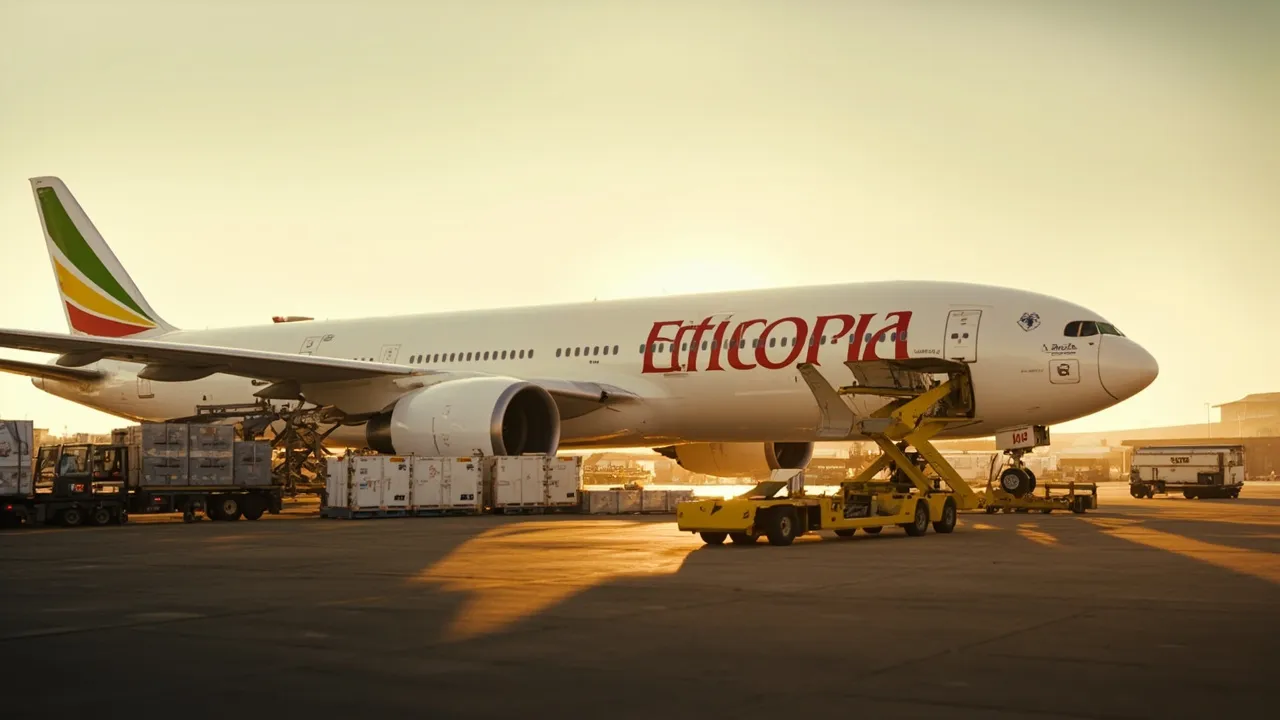
China-origin parcel air cargo did not just hit turbulence. A major piece of the direct-to-consumer parcel model lost its economic lift.
Logistics Management's 37th State of Logistics coverage reported that the elimination of de minimis treatment for China-origin parcels reduced daily air cargo volumes by roughly 85%, forcing many shippers toward domestic fulfillment strategies. The same report put the broader logistics environment in context: U.S. business logistics costs totaled $2.4 trillion, or 7.8% of GDP, while trade policy changed on average every 1.5 weeks in 2025.
That combination matters. A parcel model built around low-friction import treatment cannot be fixed by swapping one carrier for another. Once duty exposure, clearance data, delivery promises, parcel cube, and return economics start moving at the same time, shippers need a trigger model that tells them when inventory belongs in domestic fulfillment, bonded storage, cross-dock flow, or direct international parcel.
The Old Parcel Math Is Too Narrow
The old question was simple: can this order ship directly from origin fast enough and cheaply enough?
The new question is harsher: should this SKU still move as an international parcel at all?
Air cargo still has a role. Logistics Management's separate air cargo update noted that March IATA data showed total demand down 4.8% year over year and capacity down 4.7%, with international operations off 5.5% and 6.8%, respectively. The same article said April air cargo spot rates surged more than 30% year over year before analysts saw signs of stabilization.
So this is not a world where direct air parcel disappears. It is a world where direct air parcel has to be earned at the shipment level. High-margin, high-velocity, low-cube, low-return SKUs may still justify international parcel flow. Slow-moving, bulky, promotion-sensitive, or high-return SKUs may belong closer to the customer before the order is placed.
The trigger should start with landed cost, not freight cost. A cheap air parcel is not cheap if the duty treatment changes, the product description is weak, the HTS code is uncertain, or the order creates a customer-service delay during clearance.
Build The Domestic Fulfillment Trigger
A useful trigger model does not need to be exotic. It needs to be explicit.
Start with tariff exposure. Each SKU should carry its origin, HTS classification, declared value, duty sensitivity, and eligibility assumptions. If a rule change can erase margin, the system should flag the SKU before the order is released.
Then add parcel cube. Supply Chain Dive reported that USPS will lower its dimensional divisor from 166 to 139 starting July 12, matching the typical FedEx and UPS approach, and will round fractional measurements up to the next inch. The same report noted that a Priority Mail package weighing three pounds could price at a 17-pound dimensional weight under the new rules. That is not just a postal issue. It is a reminder that light-but-bulky parcels need packaging and fulfillment logic, not a default carrier path.
SKU velocity comes next. Fast movers with predictable demand are stronger candidates for domestic stocking because inventory turns can absorb storage cost. Long-tail products may still belong in direct cross-border parcel flow, especially if holding domestic inventory creates markdown or obsolescence risk.
Delivery promise is the fourth input. If the commercial offer says two-day delivery, the network either needs domestic inventory or a premium flow that has been priced honestly. If the promise is flexible, direct parcel, bonded staging, or slower consolidated replenishment may be rational.
Refund rate belongs in the model too. A high-return apparel or accessory SKU can look profitable on the outbound leg and collapse once return freight, inspection, restocking, and customer-contact cost are included. Domestic fulfillment can help only if the returns process is also domestic and disciplined.
Finally, the trigger needs a customer-margin threshold. Some customers, channels, or order values can tolerate higher transportation and customs cost because lifetime value or basket margin justifies the service. Others cannot. The model should know the difference before the parcel is tendered.
Four Flows, Not One Default
Once the trigger is built, the operating decision usually falls into four lanes.
Direct international parcel still works for long-tail SKUs, low-cube goods, test demand, and orders where the customer promise can absorb border variability. It should not be the lazy default for every China-origin order.
Domestic fulfillment fits SKUs with steady velocity, clear margin, predictable packaging, and delivery promises that require local inventory. The tradeoff is inventory risk, but the reward is better service control and cleaner parcel allocation.
Bonded storage is useful when demand is uncertain but customs timing matters. It can preserve optionality while keeping inventory closer to the destination market. The value is not just tax timing; it is the ability to choose the final flow with more information.
Cross-dock flow fits replenishment waves where individual parcels should not carry the whole burden of international movement. Consolidate upstream, clear with cleaner data, then inject into domestic parcel or regional delivery networks closer to the customer.
The mistake is treating these as strategic concepts reviewed once a quarter. They should be executable rules tied to SKU, order, customer, carrier, origin, and exception history.
Where CXTMS Fits
This is exactly where transportation management has to move beyond rate shopping.
CXTMS can connect shipment-level customs data, parcel allocation rules, domestic node selection, exception history, and cost-to-serve reporting in the same operating view. That matters because the decision is not purely about customs, warehousing, or parcel. It is about the combined cost and service result.
If a SKU repeatedly triggers clearance exceptions, the rule should change. If dimensional pricing makes a package uneconomic through one carrier, the allocation logic should see it. If domestic inventory improves delivery but creates dead stock, the cost-to-serve report should show that too. If a customer segment receives too many refunds after cross-border delays, the fulfillment model should adjust before another batch of orders repeats the same failure.
The 85% drop in China-origin parcel air cargo volumes is a warning against autopilot. The direct parcel model is not gone, but it is no longer a default answer. It is one option in a trigger-based network.
If your team is trying to decide when China-origin orders should move direct, stock domestically, stage in bonded inventory, or cross-dock into a domestic parcel network, schedule a CXTMS demo and see how shipment data can become a fulfillment trigger instead of an after-the-fact explanation.