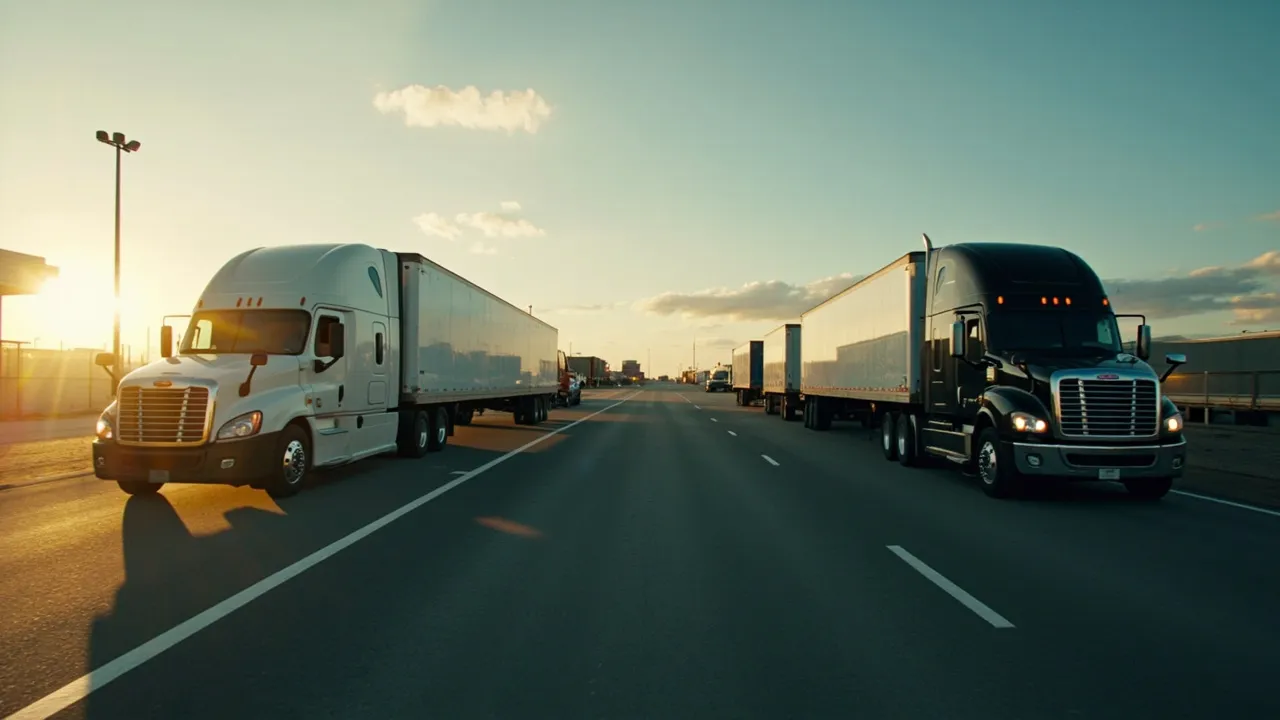
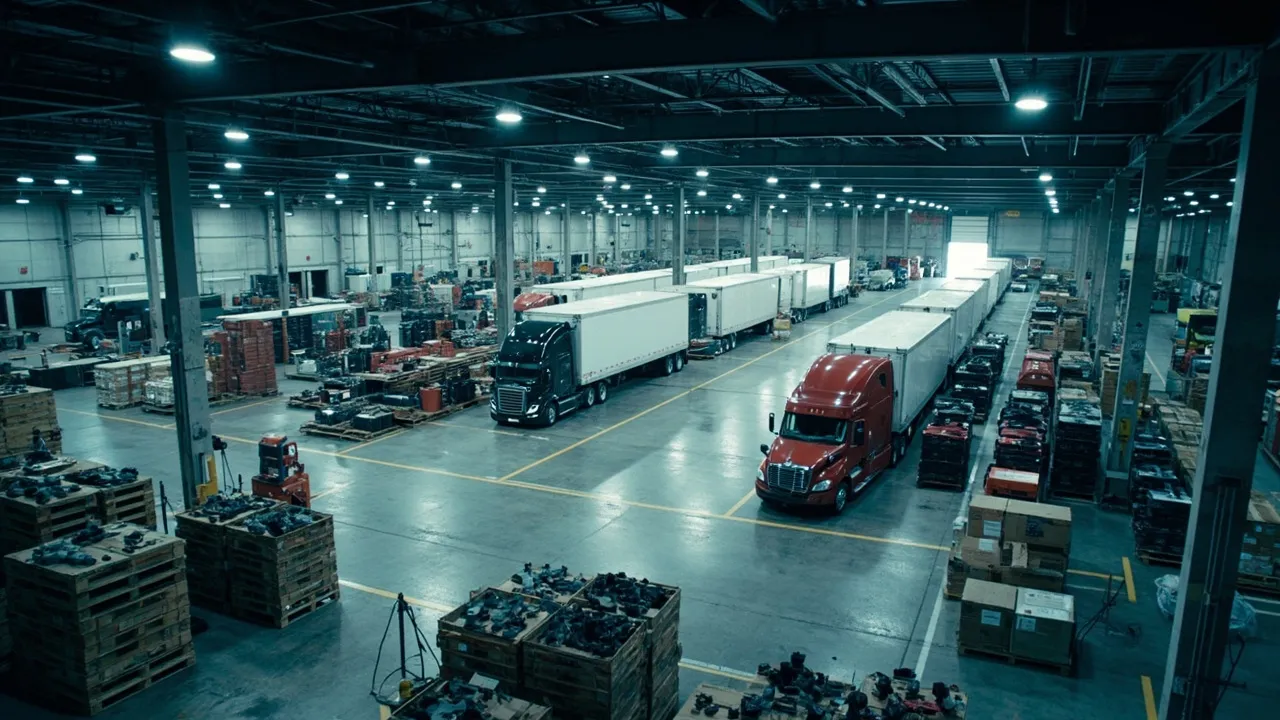
Auto Importers Are Treating Port Choice as a Distribution Strategy, Not a Vessel Call


Auto importers are starting to treat port choice less like a maritime routing decision and more like a distribution strategy.
That shift matters because a roll-on/roll-off vessel call is only the first visible milestone. The real test comes after discharge: vehicle processing, storage, rail access, truck capacity, dealer geography, dwell time, damage exposure, tariff timing, and recovery when one handoff slips.
Supply Chain Dive reported that Mitsubishi Motors North America entered an agreement with AMPORTS and Port Freeport in Texas to gain greater access to Gulf and Midwest dealer partners. The company selected Port Freeport to import additional automotive volumes from Japan to the Texas Gulf Coast and drive faster delivery to dealers. Mitsubishi began operations at the port on April 28, and more than 500 vehicles arrived that month.
The number is modest compared with national auto flows, but the logic is important. Port Freeport's access to Midwest automotive markets is expected to reduce inland transportation distances, improve delivery times, and support a more flexible supply chain. That is not a port announcement in the old sense. It is an inland distribution choice with an ocean gateway attached.
RoRo Ports Are Distribution Nodes
Automotive logistics is unforgiving because the cargo is large, serialized, high-value, visible to customers, and awkward to recover once it is in the wrong place. A vehicle cannot be treated like a generic container that disappears into drayage and reappears at a warehouse. It has a VIN, a dealer allocation, a condition record, an accessory or inspection requirement, and a customer-facing delivery expectation.
Supply Chain Dive quoted Mitsubishi's Jeremy Barnes explaining that Port Freeport capabilities can include vessel operations, terminal services, vehicle processing, storage, and truck and rail connectivity. AMPORTS receives vehicles, transitions them into on-site vehicle processing, and finalizes them for distribution.
That sequence is the operating model. The port is not just where the vessel stops. It is where imported inventory becomes dealer-ready inventory. If that step is weak, every downstream promise gets noisier: dealers wait longer, carriers get rebooked, dwell rises, damage claims become harder to trace, and customer delivery dates become less credible.
For auto importers, the port-choice scorecard has to include more than ocean service. Vessel schedule matters, but so do processor capacity, yard visibility, rail ramp access, enclosed or specialty truck capacity, labor reliability, inspection speed, exception handling, and proximity to actual dealer demand.
Ocean Volatility Raises The Value Of Inland Flexibility
The Mitsubishi move is also happening in a freight environment where reliability is still fragile.
Logistics Management's State of Logistics ocean update described a peak-season market shaped by geopolitical uncertainty, congestion, fuel costs, and schedule-reliability concerns. The report cited spot rates already rising 37% on China-to-U.S. West Coast routes and alternative routings adding pressure to strained networks. It also noted that shippers should build additional buffer time into supply chains and prioritize reliable carrier relationships to reduce delay risk.
Automotive importers cannot solve global ocean uncertainty with one port change. But they can reduce the number of weak links after arrival. A Gulf Coast gateway with better alignment to dealer geography may reduce inland mileage, shorten recovery time, and create optionality across truck and rail. A port with integrated vehicle processing may remove handoffs that otherwise hide dwell or condition problems.
This is where port strategy becomes a transportation-control issue. If the ocean leg is unpredictable, the inland leg has to be more observable. If arrival dates move, dealer allocation and carrier planning need to move with them. If tariffs or compliance dates are in play, the import record cannot sit apart from transportation execution.
Build The Port-Choice Scorecard
The first layer of the scorecard is vessel service. Importers need to know which origin ports, carrier services, sailing frequencies, berth windows, and RoRo vessel capabilities can support the vehicle program.
The second layer is vehicle processing. How fast can vehicles move from discharge to inspection, accessorization, storage, and release? Is processing on-site or dependent on extra transfers? A small delay before release can cascade into dealer complaints, carrier detention, and missed retail handoffs.
The third layer is inland reach. Rail access and truck capacity should be scored against dealer geography, not just distance from the port. The right question is not "which port is closest?" It is "which port gives the fastest dependable path to the assigned dealer network?"
The fourth layer is resilience. Importers should model what happens when a vessel misses its window, a processor reaches capacity, a rail ramp backs up, a truck carrier is short on equipment, or a tariff deadline changes the urgency of release. The port-choice file should name the exception path before the first disruption.
Finally, the scorecard needs financial visibility. Inland mileage, damage exposure, storage, dwell, rail versus truck mix, carrier rework, and expedited dealer delivery all belong in the same comparison.
Dealer Allocation Needs Live Port Data
Dealer allocation is where port strategy becomes visible to the business. A vehicle that arrives through the wrong gateway may still be deliverable, but the cost and time penalty can be hidden across multiple systems: port records, processor updates, rail status, truck dispatch, dealer communications, and finance accruals.
That fragmentation is especially risky when product mix changes. Electric vehicles, specialty trims, accessories, compliance holds, recall work, battery handling requirements, or high-demand models can all change the value of speed. A low-velocity unit may tolerate a cheaper move. A launch vehicle or customer-sold unit may justify a faster inland path.
The distribution plan should connect VIN-level inventory, port arrival, processing status, carrier assignment, dealer priority, delivery estimate, and exception owner. Without that connection, port choice gets evaluated too late, usually after dealers are already asking where the vehicles are.
Measure Whether The New Port Actually Works
A new gateway should not be judged by the press release. It should be judged by actual distribution performance.
Importers should track vessel arrival variance, discharge-to-release time, processor dwell, damage rate, rail load time, truck tender acceptance, dealer delivery time, exception frequency, and total landed distribution cost. They should compare those metrics against the prior gateway and against the specific dealer regions the new port is supposed to improve.
If Port Freeport reduces inland distance for Gulf and Midwest dealers, the proof should show up in shorter cycle times, cleaner carrier execution, fewer late dealer deliveries, and less expensive recovery work.
CXTMS helps freight forwarders and logistics teams connect port events with downstream distribution in one operating layer. Import shipments, vehicle processing milestones, carrier assignments, rail and truck legs, exceptions, dealer commitments, and cost records stay linked, so teams can see whether a new gateway is actually improving service.
If your team is rethinking automotive import gateways, schedule a CXTMS demo. We will show how CXTMS helps logistics teams turn port choice into a measurable distribution strategy, from vessel arrival through dealer delivery.