Item-Level Shipment Verification Is Becoming the New ASN Discipline

The advance shipment notice has always carried a quiet burden: it tells the receiver what should be on the way before the freight actually arrives. When it is accurate, receiving gets faster, inventory becomes trustworthy, and customer compliance stays clean. When it is wrong, the warehouse inherits the mess.
That is why item-level shipment verification is moving from a warehouse technology feature into an operating discipline.
Supply Chain Dive's supply chain technology feed recently highlighted an Impinj and Clustag announcement around automated item-level shipment verification with near-perfect accuracy. The technical point is RFID performance. The business point is bigger: automated reads at the item, carton, pallet, and dock level can make the ASN less of a promise and more of a provable shipment record.
That matters because logistics teams are being asked to move faster while giving customers, retailers, plants, and receiving teams cleaner data. A shipment that leaves the dock with the wrong mix of items is not just a warehouse error. It can become a missed customer promise, an inventory mismatch, a chargeback, a production shortage, or a returns problem.
Accuracy Has To Survive The Dock Door
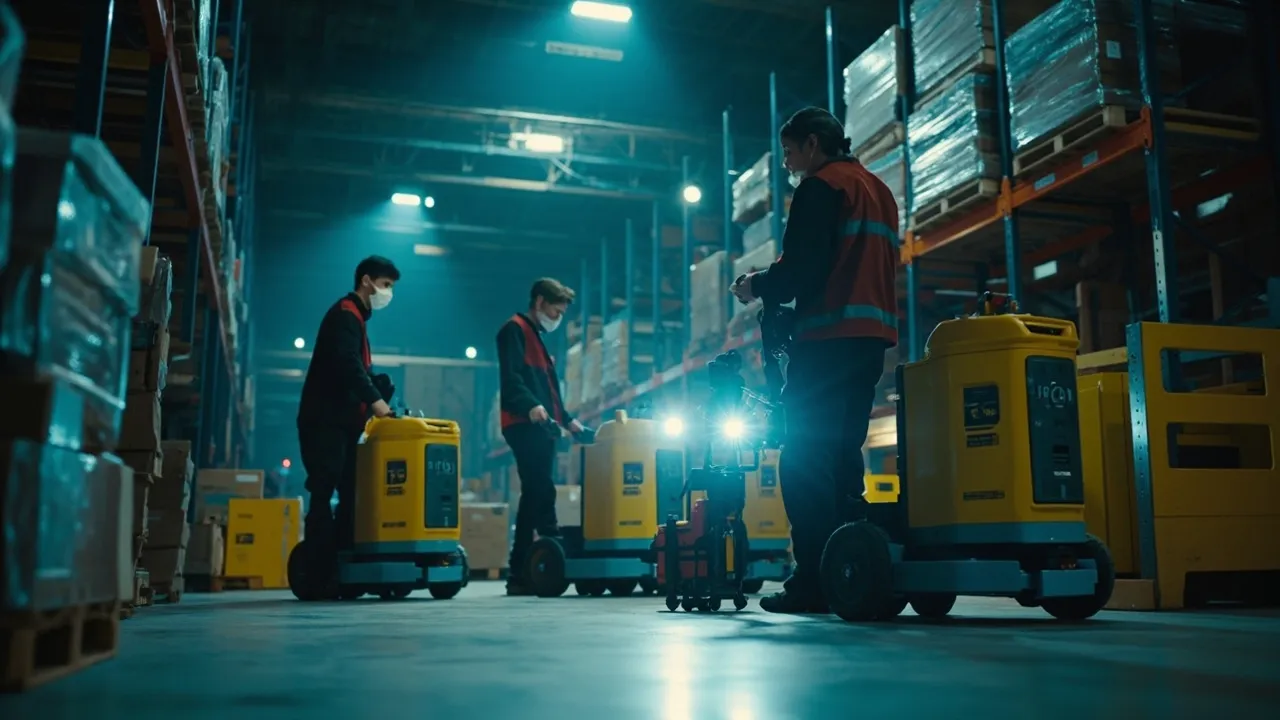
Warehouse systems have spent years improving pick accuracy, scan discipline, inventory visibility, and labor productivity. But the outbound dock remains hard to control because it compresses time, volume, labor, carrier appointments, customer rules, and exception handling into a short window.
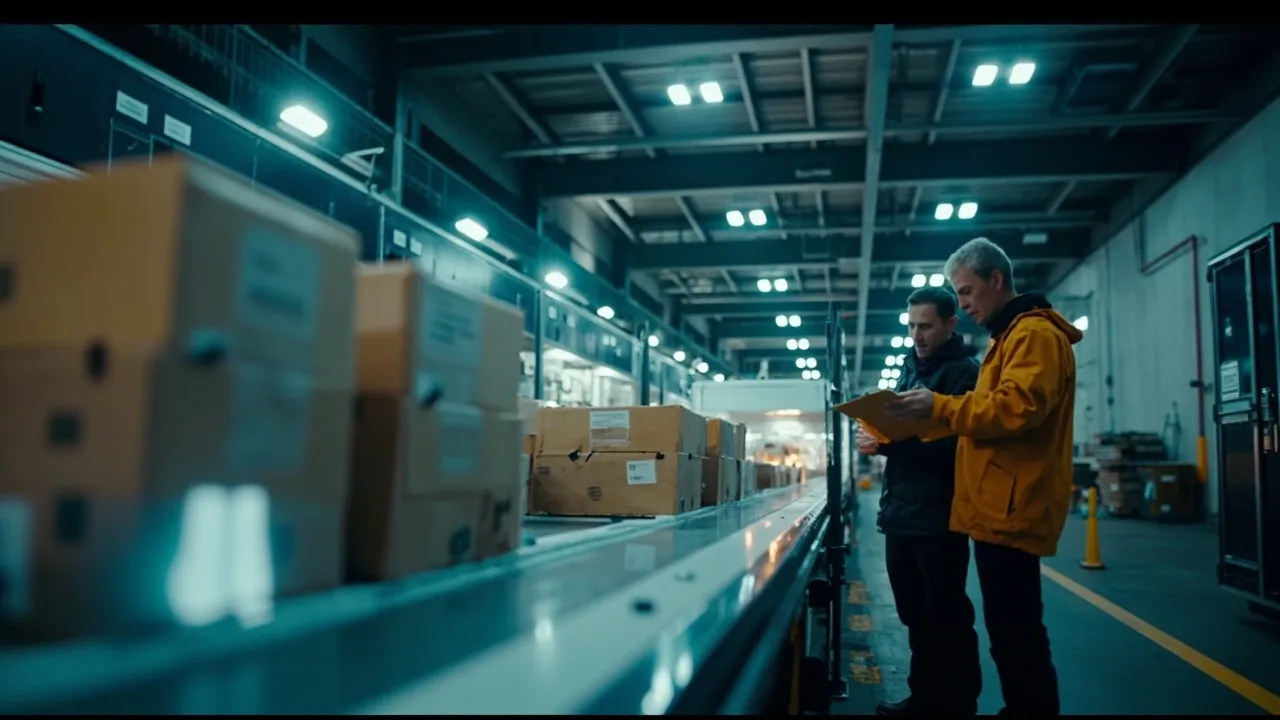
Traditional barcode scanning helps, but it depends on line of sight and disciplined human execution. Item-level RFID changes the control model because tags can be read in bulk as cartons, totes, garments, parts, or pallets move through a portal, tunnel, or dock read zone.
The value shows up in the statistics. Modern Materials Handling reported that Macy's found RFID-supported cycle counting could maintain inventory accuracy of 97% or better. In another warehouse technology example, MMH reported that RFID drones tested by Verity, On, and Maersk scanned up to 1,000 items per second with 99.9% accuracy.
Those numbers explain why item-level verification is getting attention. If a warehouse can count and verify inventory at that speed and precision, the ASN should no longer be treated as a document assembled after the fact. It should reflect what was physically verified before the truck left.
The ASN Is Becoming A Control Record
An ASN is useful only if the receiver trusts it. If the ASN says 120 units shipped but receiving finds 117, the receiver has to stop and reconcile. If the carton mix is wrong, inventory may land in the wrong location. If the shipment violates a retailer's labeling, routing, or item-compliance rule, the shipper may face chargebacks.
Automated verification does not make those problems disappear by itself. It helps when the read event is connected to the shipment workflow.
That is the new discipline. Item-level proof has to connect to order lines, cartons, pallets, customer rules, dock events, carrier pickup, and receiving outcomes. Otherwise RFID becomes another data stream that warehouse and transportation teams admire but do not operationalize.
The best use of item-level shipment verification is not simply proving that a tag was read. It is proving that the right item was loaded into the right shipment under the right customer promise, with the right exception handled before departure.
The Verification Record
Freight teams need a verification record that survives beyond the warehouse floor. Eight fields matter most.
Start with the item ID: SKU, serial number, EPC, lot, or unit-level identifier. Then capture the carton ID, so the system knows which item sits inside which carton, tote, pallet, or handling unit.
The third field is the order line. Verification should reconcile against the customer order, transfer order, production order, or replenishment order. Next is the ASN match, which compares verified items against the notice before the shipment leaves.
The fifth field is the dock read: when and where the item, carton, or pallet crossed the read point. Sixth, classify the exception class, because a missing item, extra item, wrong customer, unread tag, duplicate read, damaged label, or compliance failure requires a different response.
The seventh field is the customer compliance rule. Retailers, marketplaces, manufacturers, healthcare networks, and food distributors all impose different routing, labeling, serialization, and shipment-data requirements. Finally, record the receiving outcome so the team can compare dock proof with what the customer actually received.
Verification Needs Transportation Context
MHI's member profile for Clustag describes RFID automation across inbound, outbound, picking, AS/RS, shelf-to-person operations, pallet verification, garment-on-hanger workflows, encoding, quality control, and exception handling, with integration to ERP, WMS, WES, and EPCIS platforms. That breadth is important because shipment verification is not a single scan. It is part of a larger execution flow.
Transportation teams should care because the moment of verification often sits right next to the moment of carrier handoff.
If a pallet is verified but loaded onto the wrong trailer, the warehouse has an outbound control failure. If the ASN is corrected but the carrier pickup record is not, transportation has a shipment visibility gap. If a customer compliance issue is discovered after pickup, the team may have to delay delivery, reroute freight, notify the customer, or absorb a chargeback.
That is why item-level verification cannot live only inside the WMS. It needs to feed the transportation record.
The shipment record should show what was verified, when it was verified, which order it matched, which trailer it entered, which carrier accepted it, which ASN was transmitted, and which exception owner cleared it. When inventory and transportation teams use different records, preventable disputes grow.
Where CXTMS Fits
CXTMS helps logistics teams connect shipment execution with item-level proof. The goal is not to replace warehouse systems or RFID infrastructure. It is to make verification data useful across the transportation workflow where customer promises, carrier handoffs, exceptions, and receiving outcomes are managed.
When item IDs, carton IDs, order lines, ASN matches, dock reads, compliance rules, carrier milestones, and receiving outcomes sit in one operating record, teams can move beyond "the system says it shipped." They can show what was physically verified, what exception occurred, who resolved it, and how the shipment performed after handoff.
That kind of proof matters as customers demand faster receiving, cleaner inventory, fewer chargebacks, and better exception visibility. Item-level verification is not just a warehouse technology milestone. It is becoming the new ASN discipline.
If your ASN process still depends on disconnected scans, spreadsheets, email corrections, and after-the-fact reconciliation, request a CXTMS demo. CXTMS helps freight forwarders and logistics teams connect shipment execution with the item-level evidence needed to make inventory and transportation teams trust the same record.