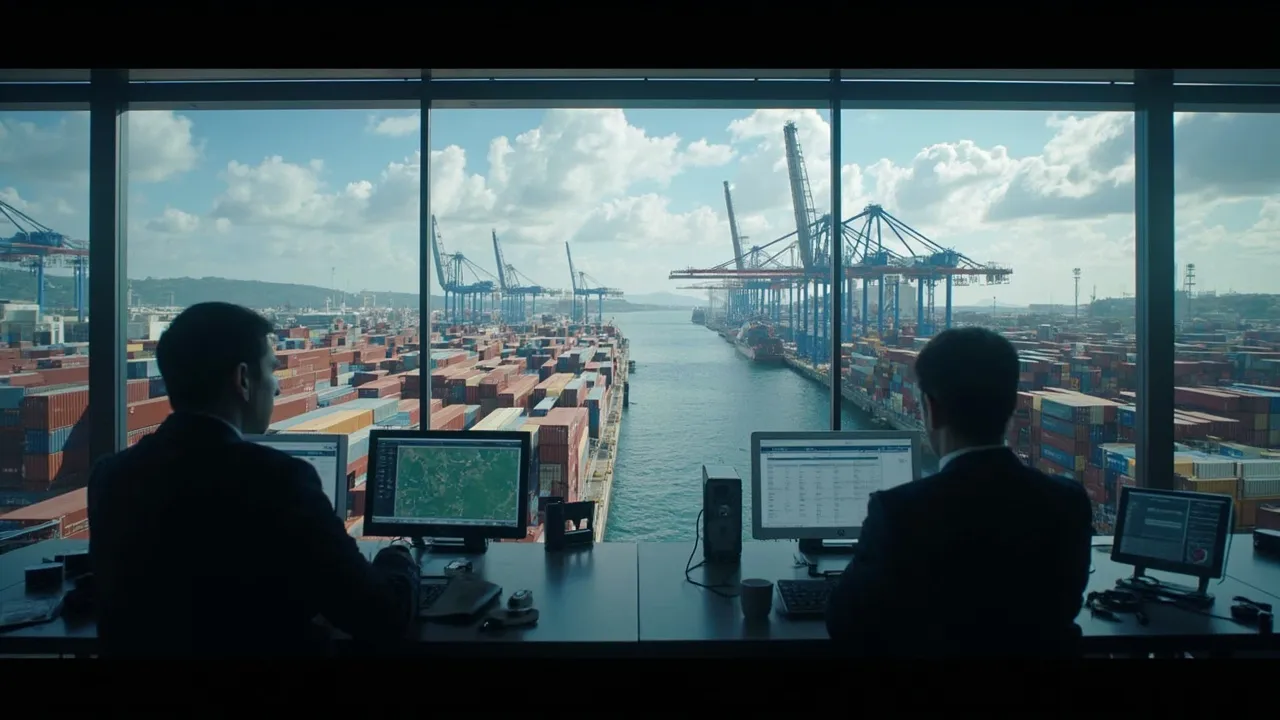
A380 Wing Inspections Are a Reminder That Air Capacity Risk Starts With Maintenance Data

Aircraft maintenance usually looks like an airline problem until it becomes a shipper problem.
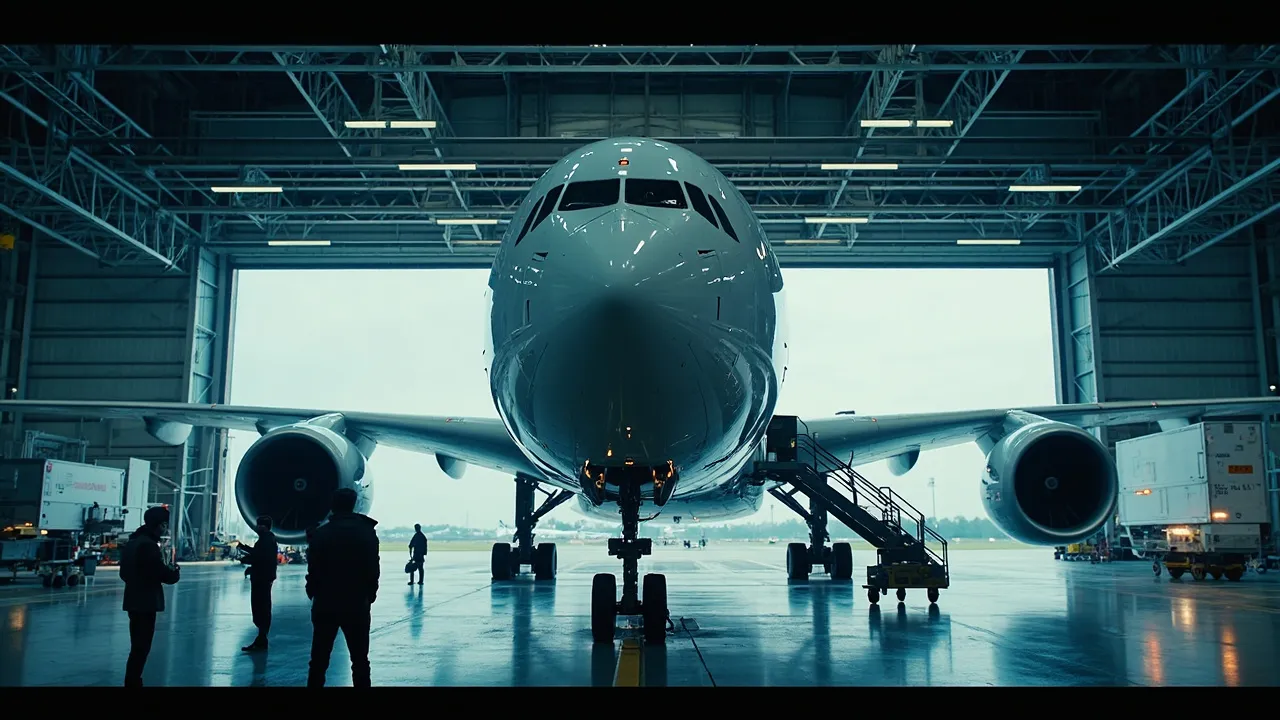
That is the lesson hiding inside the latest A380 inspection order. Supply Chain Brain reported that European Union regulators grounded five Airbus A380 jets on June 22 after cracks were found in key wing components, and ordered inspections for another 11 aircraft within their next 25 flight cycles. The cracks were found in the wing beam, the lengthwise structural component that runs from the fuselage toward the wingtip and functions as the backbone of the wing.
For logistics teams, the important point is not that a handful of passenger aircraft need inspection. It is that aircraft availability can change because of technical data freight teams rarely track directly.
The A380 is passenger-focused, but passenger aircraft still matter to air cargo. Belly capacity is part of the global air freight system, especially for time-sensitive, high-value, and premium B2B shipments that depend on widebody networks. When a large aircraft is removed from service, the impact can reach cargo uplift, routing options, connecting capacity, and recovery space.
Maintenance is a capacity signal
Air freight planning often focuses on rates, cutoffs, transit time, service level, and customs requirements. Those are necessary inputs. They are not enough.
Aircraft availability is a physical constraint. A route may exist in a schedule, a carrier may quote the lane, and a forwarder may confirm space, but the network still depends on aircraft that are cleared, crewed, positioned, and technically available. Maintenance advisories, inspection orders, and fleet-specific defects can change that availability faster than a procurement spreadsheet can react.
The A380 order is a clean example. The total active fleet is not huge. Supply Chain Brain cited 173 A380 passenger jets in service worldwide, and noted the aircraft can carry as many as 850 passengers in certain layouts. A grounding of five aircraft sounds small against total global air traffic. Against a specialized widebody fleet concentrated among certain operators and long-haul lanes, it is a more meaningful signal.
Logistics teams do not need to become aviation maintenance engineers. They do need to know when an aircraft type, carrier, hub, or corridor has a maintenance-driven reliability risk that could spill into freight execution.
Belly cargo makes passenger disruptions relevant
The clean separation between passenger aviation and cargo aviation has never been completely real. Dedicated freighters carry a major share of heavy and industrial cargo, but belly space on passenger aircraft is still a core part of international air freight economics.
That matters for high-value freight. Electronics, aerospace parts, medical devices, pharmaceuticals, critical repair parts, samples, luxury goods, and production-critical components often move by air because time is more expensive than transportation. These shipments do not tolerate much uncertainty. A missed uplift can mean a missed install window, a production line stoppage, a failed clinical handoff, or a customer escalation that costs more than the freight bill.
The broader air network is also leaning harder into premium freight. Logistics Management reported that FedEx Express quarterly revenue reached $21.570 billion, up 14% annually, while total international export package revenue rose 15% to $4.209 billion. FedEx leadership also pointed to premium capabilities such as network priority, near real-time monitoring, and white-glove handling.
Those numbers are not about the A380 specifically. They show why the category matters. Air freight is increasingly being used for expensive, time-sensitive work where visibility and responsiveness are part of the product. In that environment, maintenance-driven capacity changes are not background noise.
The risk lives at lane level
The wrong response is to treat every aircraft inspection headline as a crisis. The right response is to map technical events to lanes and commitments.
Start with aircraft type exposure. Which carriers and routings in the shipment plan depend on A380, 777, 787, A350, 747, or other widebody lift? Which lanes are heavily passenger-belly dependent?
Then look at service commitments. A delay on low-urgency replenishment may be tolerable. The same delay on repair parts, clinical material, product launch inventory, or semiconductor equipment can be painful. Risk should be weighted by shipment value, delivery promise, customer penalty, and available alternates.
Finally, review recovery options before disruption hits. Can the shipment move through another hub? Is a different carrier qualified for the product and destination? Is a freighter option available? Can the order be split? Can inventory be staged closer to demand? Can a customer promise be reset early rather than after cargo misses a connection?
These are transportation planning questions, not aviation trivia.
What logistics teams should track
Maintenance visibility does not need to be elaborate to be useful. A practical air freight risk process should track four categories.
First, monitor carrier and regulator advisories that affect aircraft availability. The goal is not to read every technical bulletin. It is to catch events that remove aircraft from service or affect a fleet type used on key lanes.
Second, connect advisories to shipment exposure. If an inspection order affects aircraft types used on a critical tradelane, that signal should reach operations before the pickup is tendered. A planner should be able to see which booked loads, open quotes, and customer promises might depend on the affected capacity.
Third, maintain alternate routing rules. Air freight alternatives should not live only in a senior forwarder's memory. Teams need approved carriers, routings, hub options, temperature-control constraints, commodity restrictions, insurance limits, customs considerations, and cost thresholds ready before escalation.
Fourth, preserve the decision record. When a planner chooses to stay with the booked route, pay for premium uplift, split a shipment, or reroute through a different hub, the reason should remain visible. That history improves future playbooks and gives finance a better explanation for premium freight spend.
Resilience starts before the booking
The A380 inspection order is narrow, but the operating lesson is broad. Air capacity risk does not only come from storms, strikes, wars, or demand spikes. It can start inside a wing beam, an engine issue, a regulatory notice, or a maintenance program that suddenly changes aircraft availability.
For shippers and forwarders, the advantage goes to teams that can translate aviation signals into freight actions. Which lanes are exposed? Which shipments need monitoring? Which alternatives are approved? Which customers need early notice? Which costs should be escalated before the invoice arrives?
That is the difference between reacting to a missed flight and managing air freight as a controlled operating system.
CXTMS helps logistics teams connect shipment execution, carrier data, exception workflows, documents, and customer visibility in one transportation layer. If your air freight planning still depends on manual status checks and last-minute recovery calls, schedule a CXTMS demo to see how better control can protect time-critical freight before capacity risk becomes a service failure.