Tractor Supply's AI Routing Push Shows Rural Last Mile Needs Local Decision Support

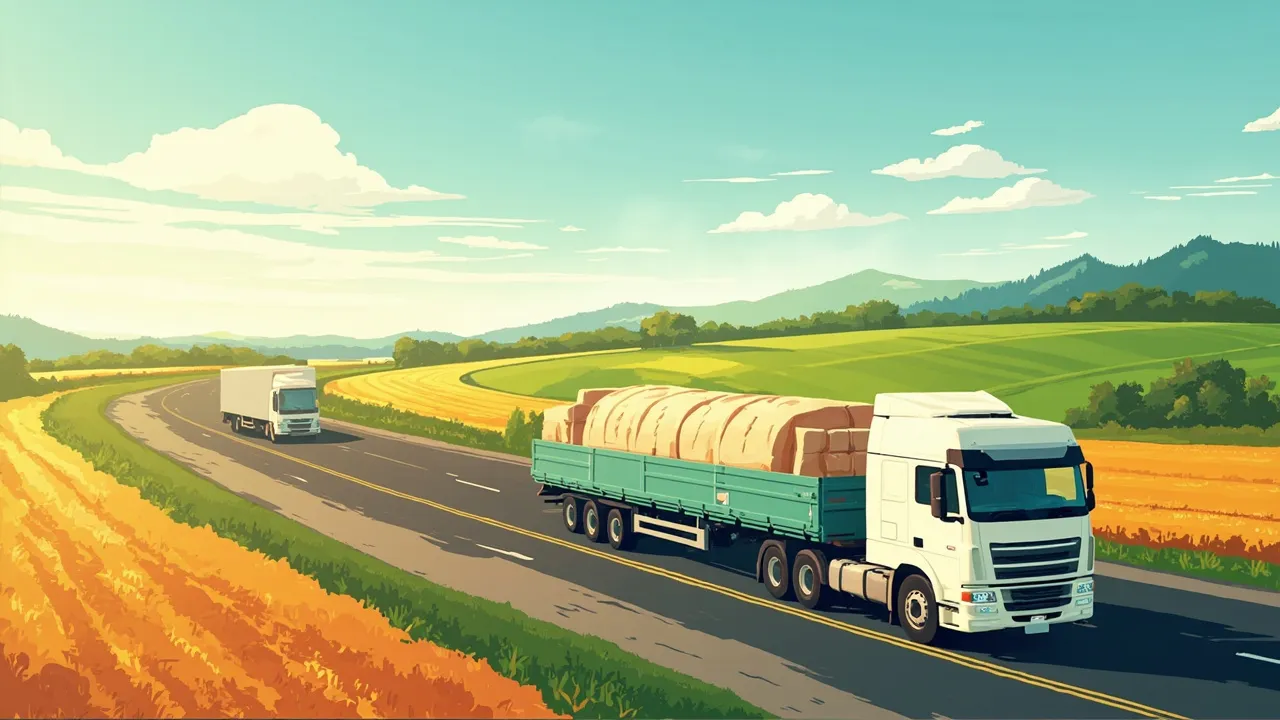
Tractor Supply is learning what any retailer with a rural footprint already suspects: last-mile optimization for bulky goods is a fundamentally different problem than urban parcel routing. And standard tools keep treating it the same way.
The retailer began scaling its private delivery fleet in early 2025, building out hub locations and tapping employees to handle larger, heavier orders — a model designed to cut costs and increase delivery reliability compared to third-party carriers in sparse corridors. By Q1 2026, delivery volume had jumped double digits year over year, according to comments VP of Final Mile Kyle Langley made at Home Delivery World 2026.
The problem: route building doesn't scale the same way volume does.
Why Rural Routing Breaks Standard Optimization
Dense urban routing algorithms assume consistent stop density, predictable dwell times, and address precision. Rural delivery violates all three.
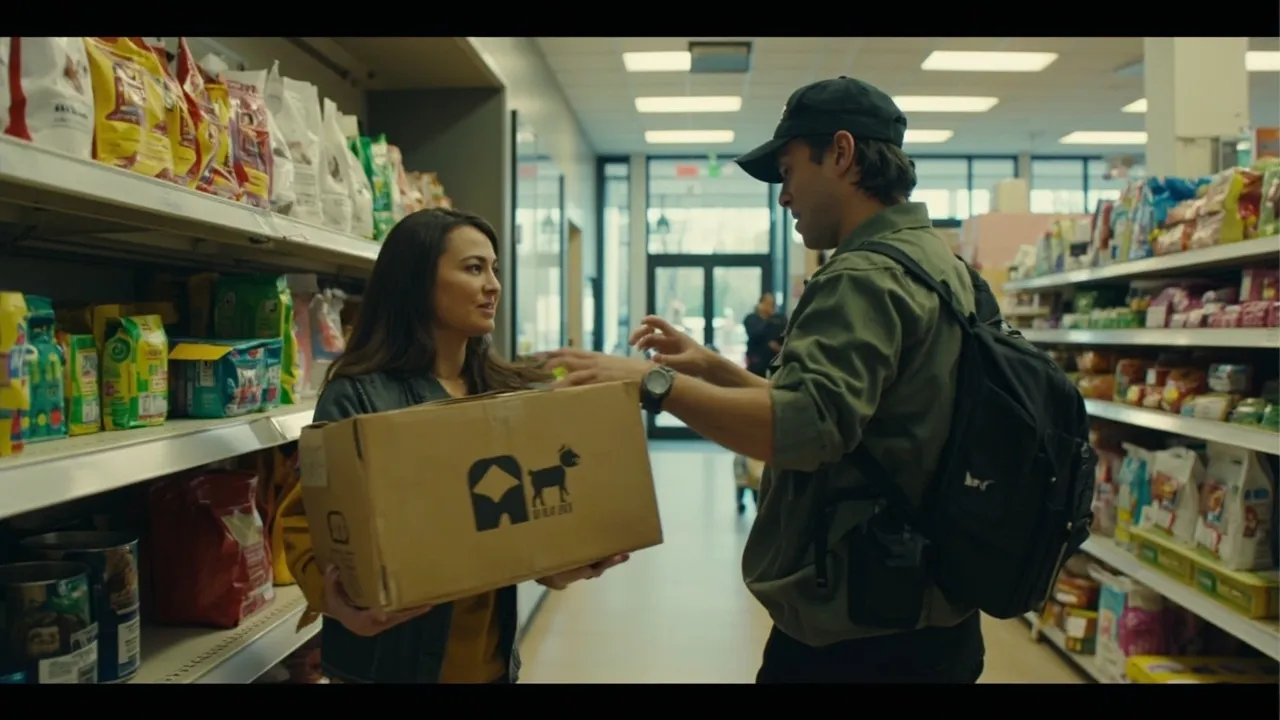
At Tractor Supply, a single stop can mean a two-minute doorstop drop or a multi-gate trek through a farm property to stack livestock feed in a barn — with no reliable way to predict which kind of stop is coming. That variability makes traditional route optimization tools produce routes that look efficient on paper but collapse in the field, where drivers are forced to improvise.
The company initially tried to address customer inquiry volume — a surge in calls to stores asking where orders were — by automating call handling. That didn't work. "We quickly realized we were solving the wrong problem by trying to reduce inbound volume, when really the problem was we hadn't armed our store team members with the right information," Langley said.
The shift was to use AI to give store employees and territory managers better data, not to replace the human judgment calls that rural delivery requires.
Territory Managers as Dispatch Office
Tractor Supply's solution was to task its territory managers — not drivers — with building routes using AI tools. These managers act as a distributed dispatch office, responsible for route efficiency and vehicle utilization across their territories.
The logic: territory managers have local knowledge that no routing algorithm can replicate. They know which farm roads flood in spring. They know which customers have loading docks versus porches. They know which stops will take two minutes and which will take thirty. Putting AI in their hands amplifies that knowledge rather than replacing it.
This manager-in-the-loop model does something standard route optimization software can't: it preserves the human judgment needed to handle exceptions in the field while still providing data-driven suggestions for route structure and stop sequencing.
The goal isn't fully autonomous routing. It's giving the right person the right information at the right time.
What Rural Last Mile Actually Needs
Tractor Supply's experience points to three gaps that generic last-mile platforms consistently fail to address for rural, bulky-goods delivery:
Stop-level time variability. A feed delivery to a farm with multiple buildings is categorically different from a parcel delivery to a suburban mailbox. Route optimization needs stop-type classification and time estimation, not just distance and traffic.
Local exception handling. When something goes wrong — a wrong address, a missed appointment, a customer who isn't home — the resolution happens at the store level, not through a call center. AI needs to support that workflow, not bypass it.
Delivery promise accuracy. Tractor Supply is now pursuing AI-powered delivery time estimates at the address and market level. That requires connecting store inventory, appointment windows, route sequencing, and historical dwell times — a data integration problem that most TMS and WMS systems treat as out of scope.
The Data Infrastructure Question
What Tractor Supply is running into is a common symptom of growth-stage last-mile operations: the execution layer (route building, driver dispatch, customer communication) needs data that lives in separate systems — store WMS, carrier APIs, customer master data — and no single platform owns the whole picture.
For logistics teams building or evaluating last-mile capabilities, the real question isn't which routing tool to choose. It's whether your data stack can support stop-level prediction, exception handling, and customer communication as one integrated workflow. If your route planning system can't see your inventory, appointment books, and delivery history in one place, you're not actually solving the rural last-mile problem — you're just applying better math to incomplete information.
The most durable AI use case here is not route perfection; it is faster learning. Every completed delivery produces dwell-time, access, distance, and customer-communication data that should improve the next route plan. Rural networks have fewer repeatable patterns than dense parcel routes, so capturing field judgment as structured data becomes a competitive advantage instead of tribal knowledge trapped in one manager's head.
CXTMS connects last-mile execution data across carriers, appointment windows, and customer delivery promises so your team can build routes that account for real-world variability — not just theoretical drive time.
Source: Supply Chain Dive
See how CXTMS handles last-mile visibility and delivery promise accuracy. Request a demo