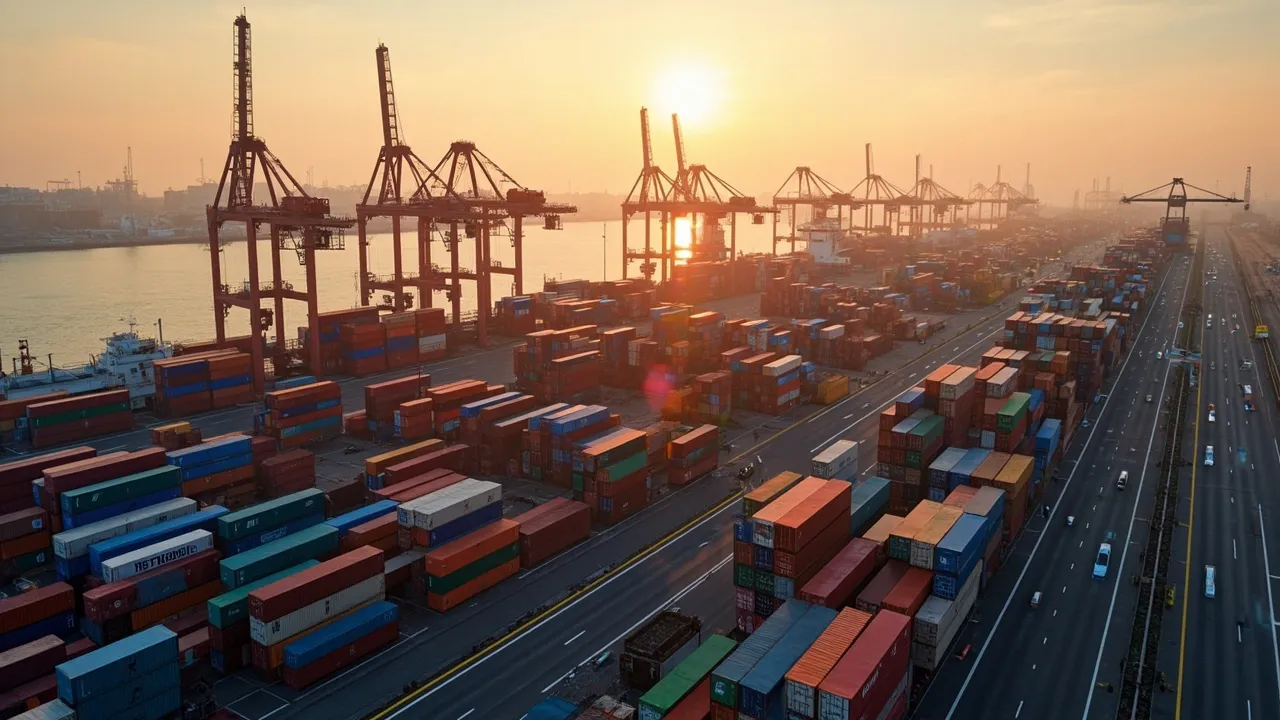
War Risk Surcharges Just Hit the Strait of Hormuz. Here's What That Means for Asia-Middle East Freight.

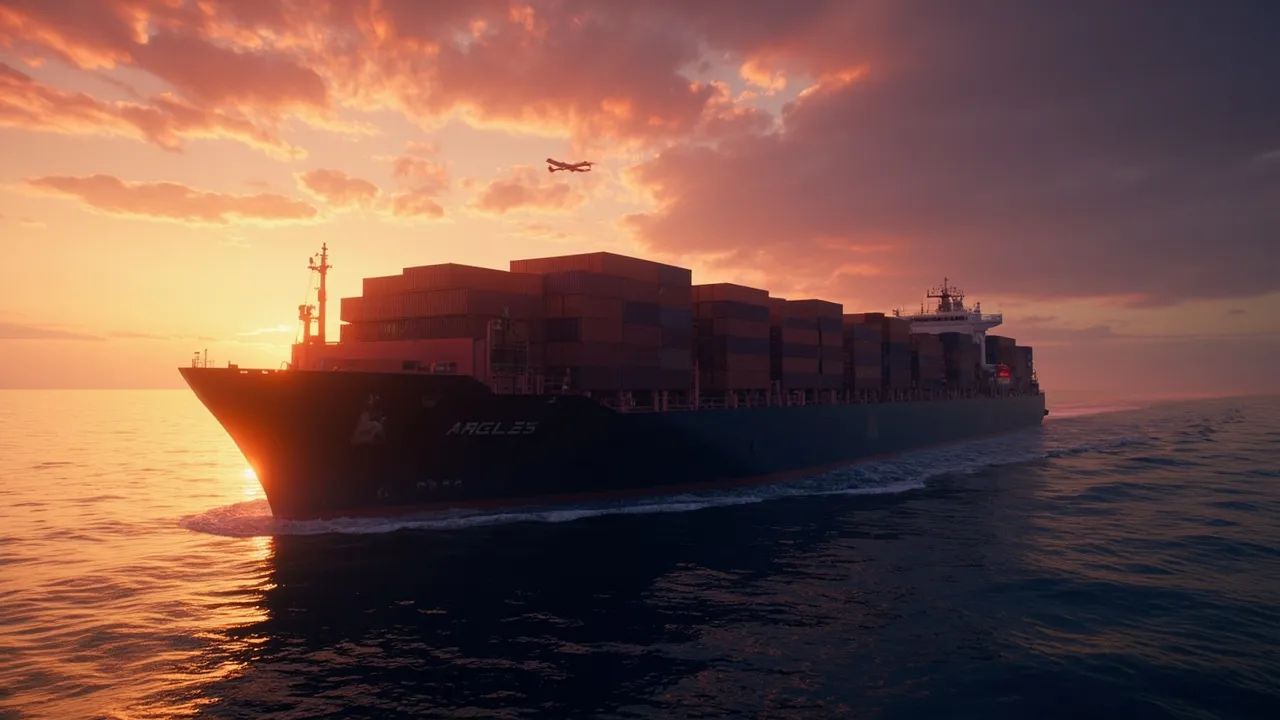
The Strait of Hormuz — through which roughly 20% of the world's oil and a significant share of global container freight passes — is no longer just a geopolitical flashpoint. It's a cost event.
As of March 2, 2026, major ocean carriers began layering war risk surcharges on top of already elevated freight rates for any cargo transiting the Gulf region. CMA CGM introduced an Emergency Conflict Surcharge (ECS) of $2,000 per 20-foot dry container, $3,000 per 40-foot dry container, and $4,000 per reefer or special equipment unit. Hapag-Lloyd followed with its own War Risk Surcharge: $1,500 per TEU for standard containers, $3,500 per unit for reefer and special equipment. The levies apply to vessels sailing from or to Iraq, Gulf countries, Jordan, Egypt, Djibouti, Sudan, Eritrea, and Yemen.
This isn't a blip. It's a structural cost addition that shippers running Asia–Middle East lanes — or routing Asia cargo to the US Gulf Coast via the Suez Canal corridor — need to factor into their routing guides now.
The Insurance Problem Makes It Worse
The surcharges don't exist in isolation. Leading maritime P&I insurers — including Norway's Gard, the UK's NorthStandard, and the American Club — cancelled war risk cover for vessels operating in the Gulf and adjacent waters as of March 5, 2026. Lloyd's of London issued notices of cancellation. Insurance ratings, according to Marsh, could increase by 50–100%, from a baseline of 0.25% to as high as 0.5–1% of the insured vessel value.
Ships that still attempt a Hormuz transit now operate without standard P&I cover. That puts the risk burden directly on carriers — and carriers don't absorb risk, they price it. The surcharges are a direct pass-through of that pricing.
At least 150 vessels, including oil and LNG tankers, dropped anchor in the strait following the cancellations. Three tankers were attacked on March 1. One seafarer was killed. The route is effectively closed for many operators: Maersk, CMA CGM, and Hapag-Lloyd diverted all Red Sea sailings around the Cape of Good Hope. Danish operator Norden suspended all new bookings requiring Hormuz transit entirely.
The Dual Surcharge Trap for Shippers
Here's the part most logistics teams are not factoring in: many Asia–US Gulf Coast routing options still rely on Suez Canal transits that bring cargo through the broader Gulf region. Shippers who thought they had escaped the Red Sea surcharges by routing around Africa may still find themselves exposed to Hormuz surcharges if their bookings include Gulf discharge or transshipment ports.
The result is a potential double surcharge exposure:
- Cape of Good Hope routing costs — already adding $1,000–$2,000 per TEU to Asia–Europe and Asia–US East Coast lanes since early 2026
- Hormuz/Emergency Conflict Surcharges — $1,500–$4,000 per TEU for any booking touching Gulf ports
For a forwarder managing a routing guide with 20–30 lane combinations, these surcharge layers need to be modeled as separate line items — not rolled into a single base rate assumption.
What This Means for TMS Configuration
A static routing guide built on Q4 2025 rate assumptions is already broken. War risk surcharge layers need to be entered as separate cost objects that can be toggled on and off based on carrier, lane, and effective date. CXTMS supports dynamic surcharge layers so your routing guide doesn't go stale the moment a carrier files a new WRS.
Key configuration points for your TMS team:
- Create a Hormuz surcharge layer in your rate master with carrier-specific effective dates (CMA CGM: March 2; Hapag-Lloyd: March 2; Maersk: diverted, no Hormuz bookings)
- Separate Gulf routing from Cape routing — they have different cost structures and different carrier availability
- Flag transshipment exposure — if cargo routes through Dubai, Jeddah, or Port Said, confirm whether Hormuz surcharges apply at the transshipment leg
- Set surcharge review triggers — with insurers pulling coverage mid-voyage, surcharges can change within weeks. Build a monthly review cadence into your procurement calendar
The Forwarder's Playbook
For freight forwarders managing dozens of shipper accounts: the conversation with your customers right now isn't "we have a problem." It's "here's what we're doing about it." Proactive shippers are already asking for revised routing options. The ones who find out about a $3,000 per TEU surcharge on their booking after the fact are the ones who leave negative reviews.
Immediate actions:
- Audit all active bookings touching Gulf ports — identify which carriers have filed Hormuz surcharges and what the exposure is
- Provide shipper-specific routing alternatives with cost deltas — Cape routing vs. Gulf routing vs. air freight for urgent cargo
- Update customer routing guides with explicit Hormuz surcharge line items before the next procurement cycle
- Review insurance and liability clauses in your freight contracts — who bears the risk if a vessel is attacked mid-transit?
The Bottom Line
The Strait of Hormuz isn't a problem you can wait out. Insurers have pulled war risk cover, carriers have imposed surcharges up to $4,000 per TEU, and operators like Norden have suspended business in the region entirely. The 20% of global oil that normally transits this waterway is being rerouted — and container cargo is caught in the same current.
If your routing guides don't have a Hormuz surcharge layer built in, you're running your freight budget on assumptions that are already wrong.
📦 See how CXTMS handles dynamic surcharge layers and real-time routing guide updates — request a demo