Levi's Unified ERP Rollout Turns Retail Fulfillment Into a Data-Cutover Problem

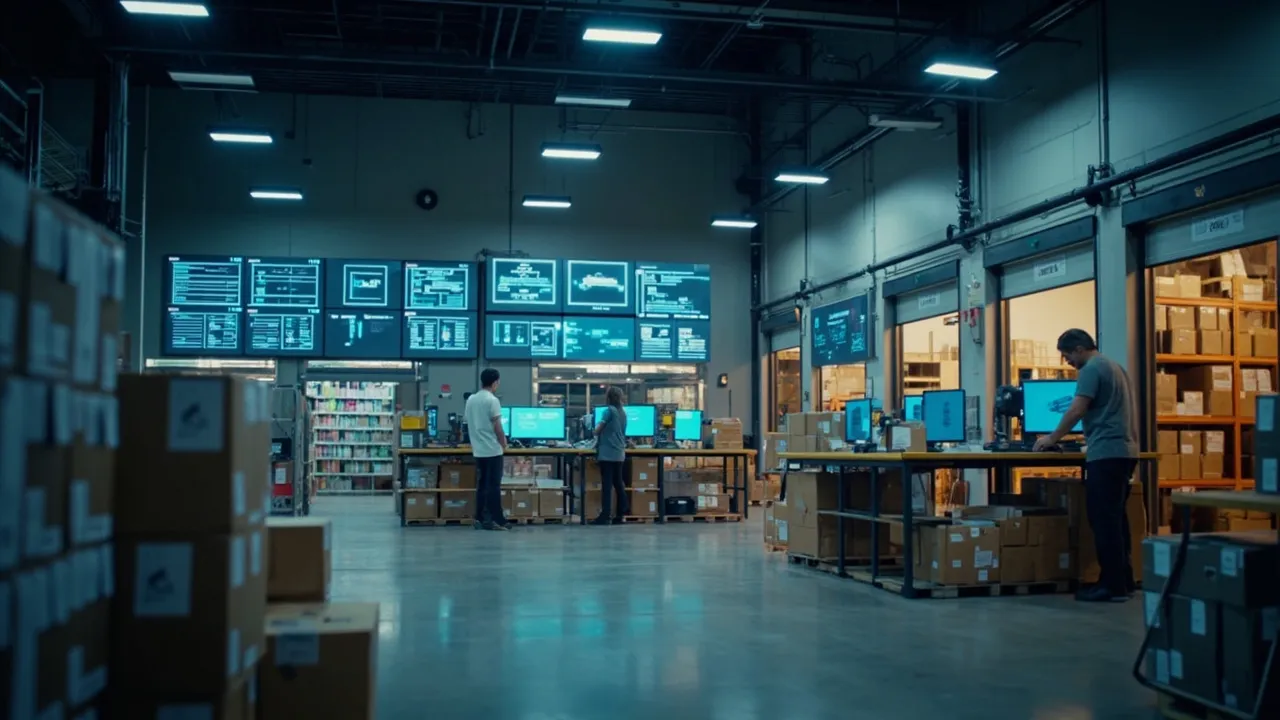
ERP programs are usually described in enterprise language: standardization, cloud migration, data accuracy, and better decision-making. For retail fulfillment teams, the practical test is blunter.
Can the business still ship cleanly while the system of record changes underneath it?
Supply Chain Dive reported that Levi Strauss & Co. expects to complete its transition to a unified enterprise resource planning system across global operations by mid-2027. The company recently migrated its Asia business operations and Beyond Yoga brand onto the global platform, after rolling the system out in North America three years earlier. Europe and Latin America are the final steps.
The scale is not trivial. Levi's CFO Harmit Singh said the consolidation has been more than 10 years in the making. When he joined the company 13 years ago, Levi's had nine ERPs. The new model is meant to replace a customized platform with a standardized, cloud-based ERP that can support direct-to-consumer growth, improve data consistency, and create a foundation for AI and automation.
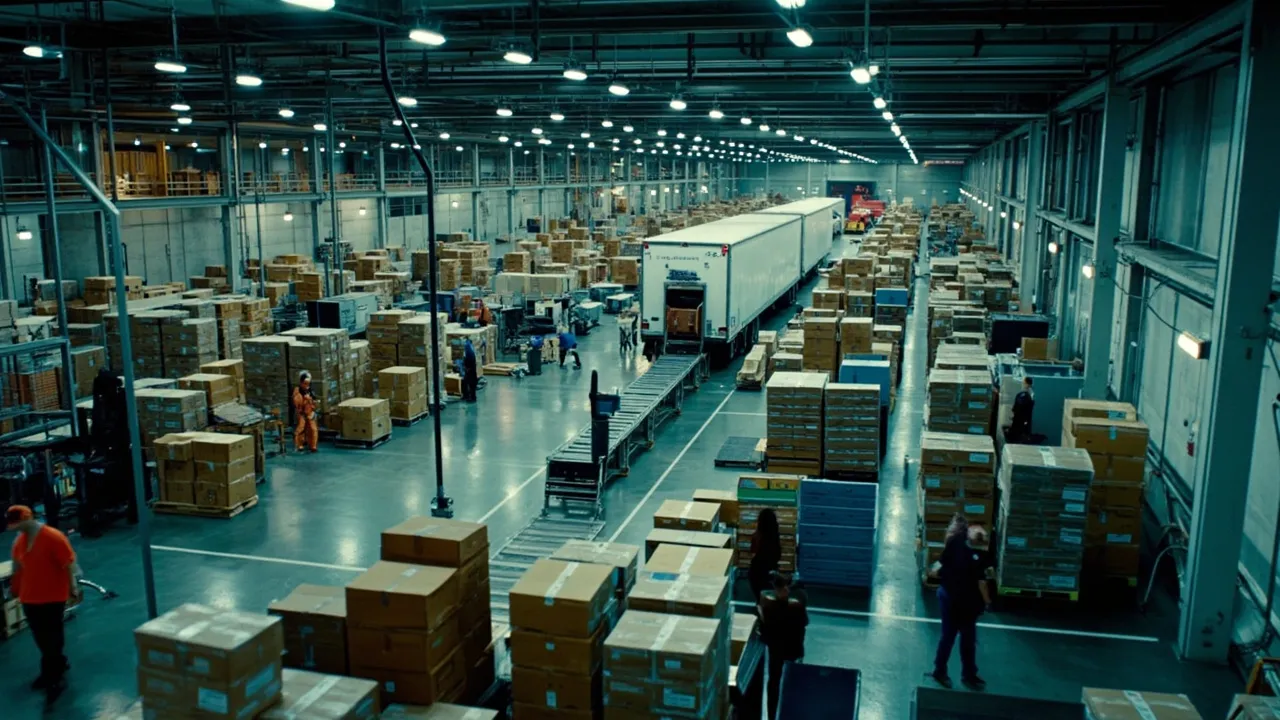
Retail fulfillment depends on many small agreements between systems: the item master defines the product, the order system promises demand, the WMS allocates a pick task, the TMS rates the move, the carrier integration prints a label, and finance expects the invoice to reconcile.
During an ERP cutover, every one of those agreements can break.
Go-Live Risk Starts Before Go-Live
The dangerous assumption is that logistics risk begins on the cutover weekend. It starts earlier, when data is mapped, cleansed, frozen, migrated, tested, and released in waves.
SKU data is the first fault line. A retail SKU carries size, color, style, barcode, case pack, carton dimensions, harmonized code, product category, sales channel, and customer-specific handling instructions. If those fields do not land correctly, the warehouse may pick the right physical product while the order, label, customs record, or invoice describes it incorrectly.
Open orders are the second risk. During a migration, orders can sit in several states at once: created, allocated, picked, packed, staged, shipped, partially shipped, canceled, returned, or backordered. If systems disagree about status, teams can duplicate shipments, miss replenishment orders, or lose visibility into customer promises.
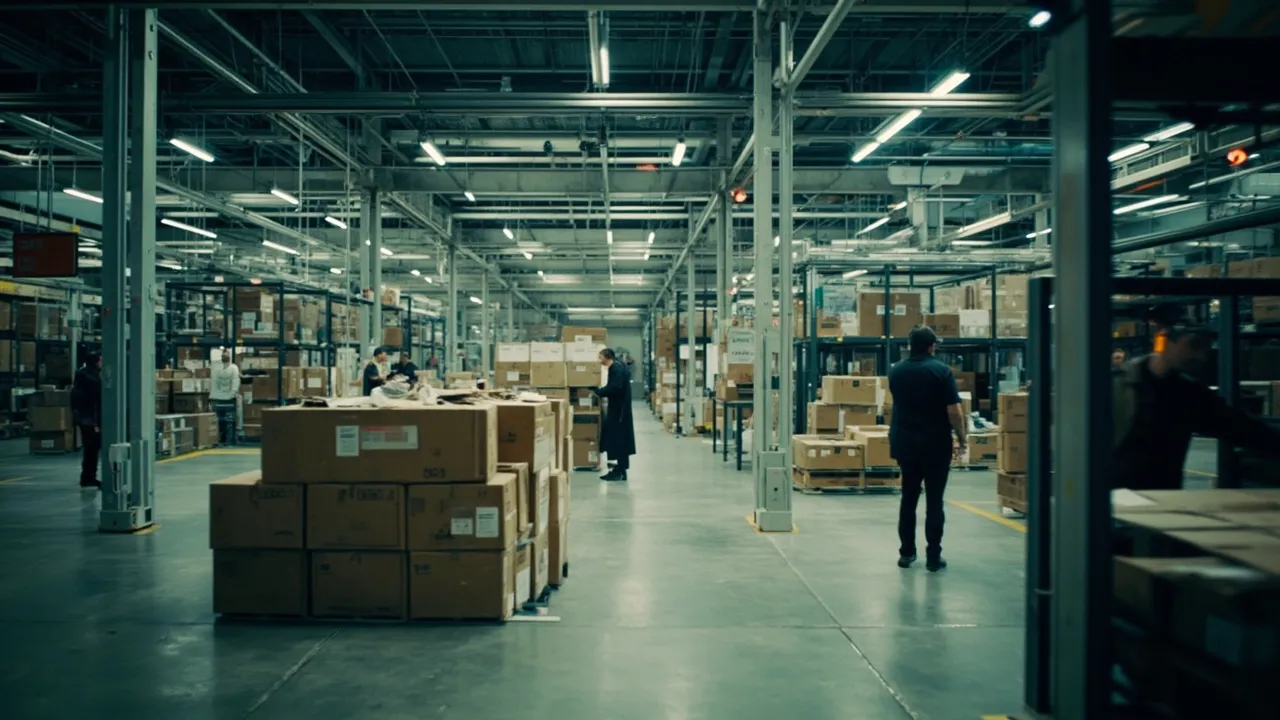
Inventory status is third. Retail networks carry sellable inventory, damaged goods, samples, returns, vendor-managed stock, quarantine, store transfers, and goods held for allocation. A cutover that moves quantity but loses status creates fake availability. That is worse than a stockout because the system keeps accepting demand the operation cannot honor.
Carrier routing is fourth. Ship-from location, service level, parcel account, LTL tariff, routing guide, cutoff time, return address, EDI setup, and label logic have to survive the move. An integration that works for the old facility code may fail when a new ERP changes location IDs or customer account mapping.
Finance is fifth. Freight charges, deductions, duty, tax, returns credits, accessorials, and proof of delivery all need to reconcile to the same shipment record. When finance cannot match the shipment to the invoice, logistics ends up defending cost weeks after the freight moved.
Retail Cutovers Need An Execution Checklist
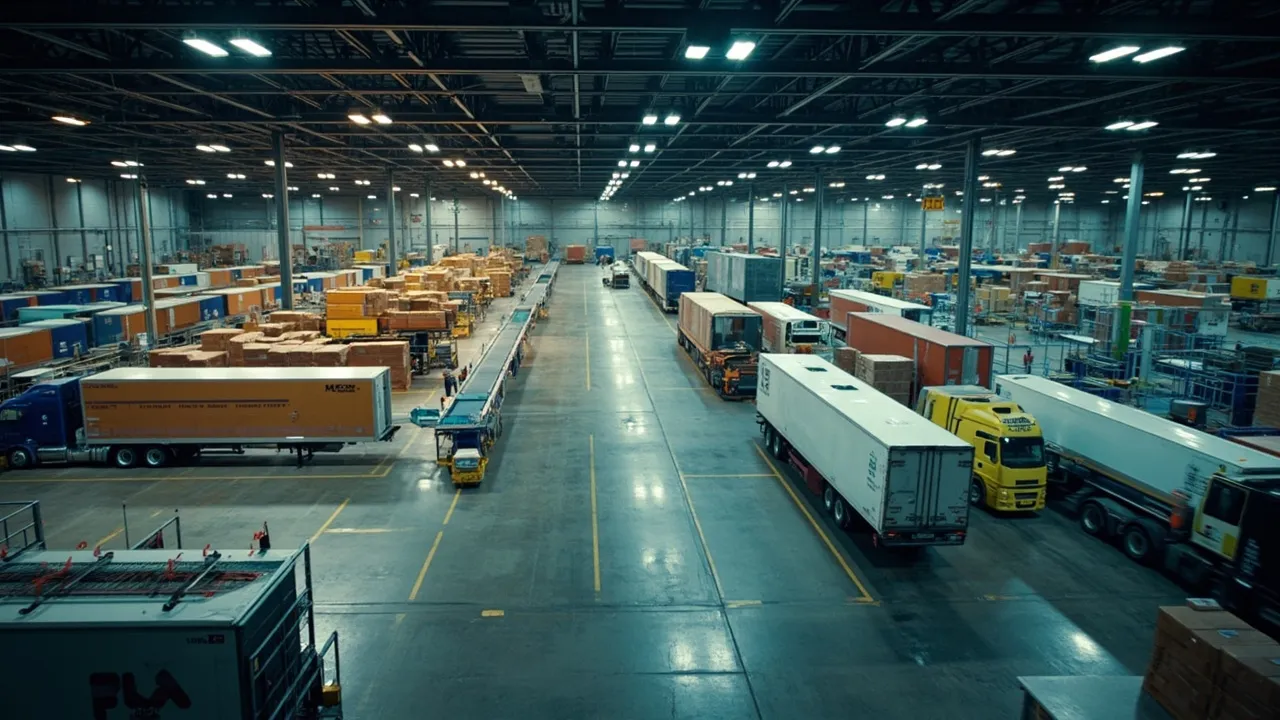
Levi's ERP work is especially relevant because it sits alongside broader network changes. Supply Chain Dive noted that the company is also shifting parts of its U.S. distribution model away from owned-and-operated locations toward a mix of owned and third-party operated sites. This migration is touching a live fulfillment network.
A practical fulfillment cutover checklist should begin with SKU data. Every item family needs a record showing which fields are authoritative, which systems consume them, when they are frozen, and who approves exceptions. Include barcode validation, case pack, dimensions, weight, origin logic, customer compliance fields, and channel availability.
Open orders need their own migration plan. Teams should know which orders remain in the old system, which move into the new one, which are blocked during the freeze, and which require manual review.
ASN and EDI formats need testing before volume returns. Retailers and wholesale customers are not forgiving when an advance ship notice has the wrong PO reference, carton count, carrier code, or item identifier.
DC inventory requires status-level reconciliation, not just a quantity count. Sellable, damaged, returned, reserved, bonded, promotional, and customer-owned inventory should not collapse into one available bucket. The record should show what moved, what was adjusted, and which exceptions still affect ship promises.
Carrier integrations should be tested by lane and service, not just by happy-path parcel label. Parcel, LTL, truckload, returns, store transfer, cross-border, and expedited orders all expose different fields. Testing should include tendering, labels, tracking events, proof of delivery, freight audit, and invoice matching.
Returns logic also needs attention. Returns can expose old product data: discontinued SKUs, prior barcodes, legacy order numbers, warranty rules, refurbish disposition, and store-credit workflows.
Finally, exception queues need named owners. A cutover weekend is not the time to decide who owns an inventory mismatch.
The Bigger Market Is Less Forgiving
The timing matters because logistics networks are already operating with less room for vague execution. Logistics Management's coverage of the 37th State of Logistics report said U.S. business logistics costs totaled $2.4 trillion, or 7.8% of GDP. The report also found that trade policy changed on average every 1.5 weeks in 2025, turning tariff complexity into a permanent operating variable.
That is the environment retail ERP programs now enter: high costs, shifting trade rules, lane-by-lane capacity differences, and customers who expect accurate promises across stores, ecommerce, wholesale, marketplaces, and returns.
In other words, execution capacity is not magically waiting to absorb bad data.
Inbound Logistics recently argued that modern logistics technologies only create value when they form an ecosystem powered by process intelligence. Its list included robotics, digital twins, IoT, agentic AI, edge computing, and 5G, but the operating point was sharper: companies need to connect visibility, decisions, and measurable performance.
That is exactly the issue in an ERP cutover. Visibility is not enough if the shipment record is not trusted. Automation is risky if the master data is wrong.
Preserve Shipment Continuity While Systems Change
For freight forwarders, retailers, and logistics teams, the lesson is clear: an ERP rollout needs a transportation execution continuity plan. That plan should show how shipments keep moving while upstream systems change, with SKU validation, open-order ownership, customer-document testing, inventory reconciliation, carrier integration testing, returns rules, exception owners, and finance matching all tied to the same shipment record.
CXTMS helps teams preserve that continuity. By keeping shipment execution, carrier activity, documents, milestones, exceptions, customer communication, and freight finance in one workflow, CXTMS gives logistics teams a stable execution layer while ERP, WMS, OMS, and finance systems evolve around it.
If your enterprise systems are changing faster than your fulfillment controls, schedule a CXTMS demo. We will show how connected transportation workflows can keep orders moving, exceptions owned, and customer promises visible through the cutover.