Food Supply Chains Still Can't Measure Scope 3 Well Enough, and That's Becoming a Compliance Problem

Food supply chains account for about one-quarter of global emissions — more than aviation, shipping, and road freight combined. Yet the companies tasked with reporting those emissions can't reliably measure them.
The problem is Scope 3. Unlike Scope 1 (direct emissions from owned operations) and Scope 2 (purchased energy), Scope 3 covers emissions generated across a company's entire supply chain — by suppliers, distributors, logistics providers, and sub-suppliers that no single buyer controls. It's mandatory under the European Union's Corporate Sustainability Reporting Directive (CSRD), and it's the hardest data to collect.
Why the Data Gap Is So Wide
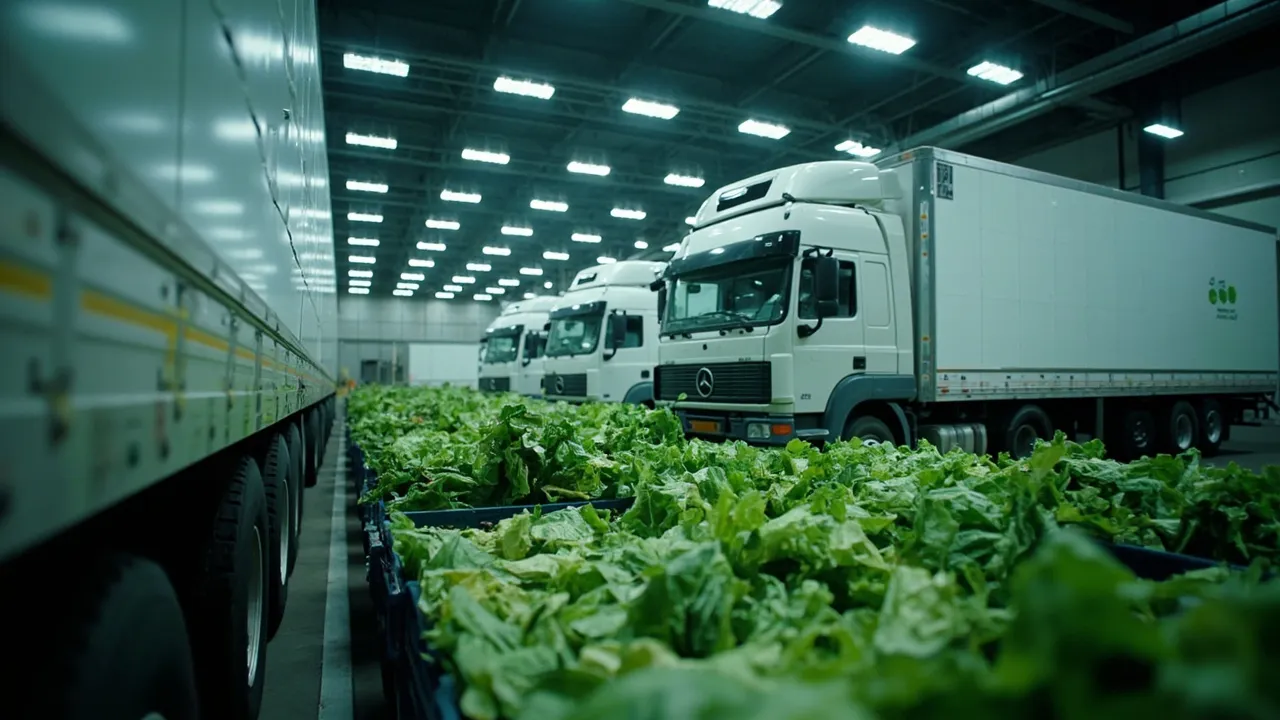
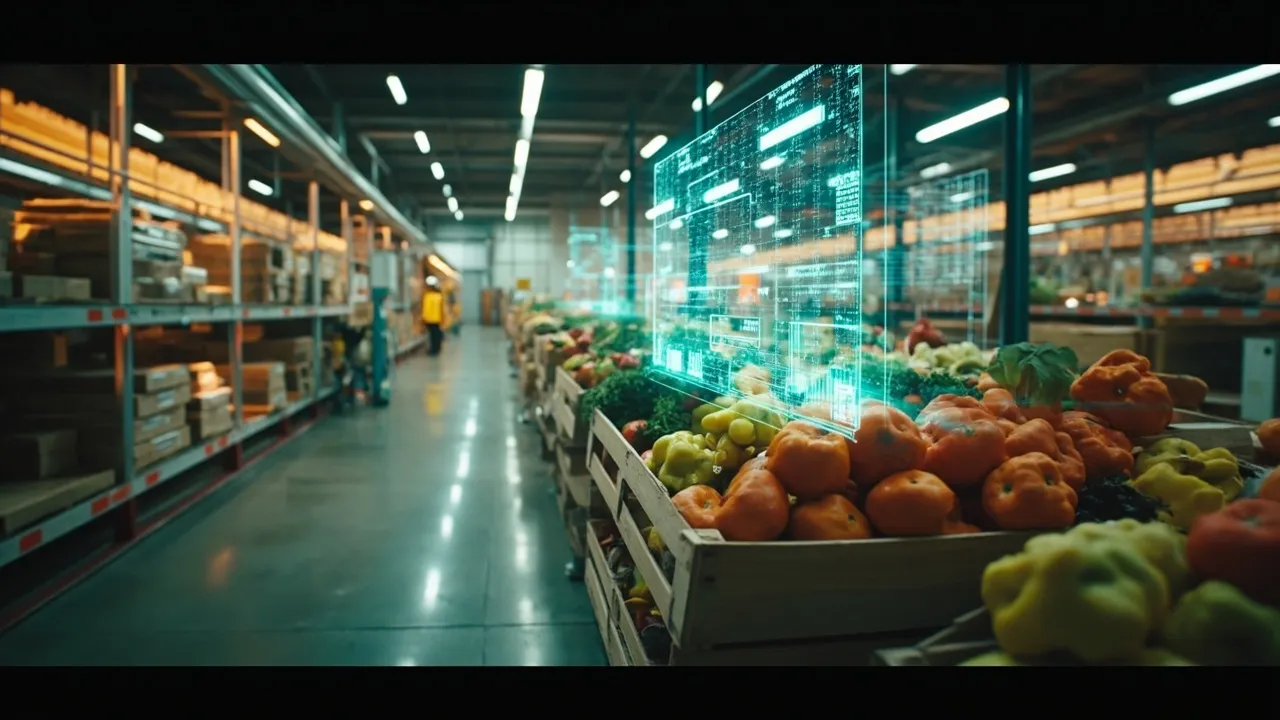
Food supply chains are sprawling, multi-tiered networks that rarely have clean data handshake points. A single packaged food product might involve farming operations, ingredient processors, co-manufacturers, cold storage facilities, and regional distribution fleets — each with different systems, different measurement capabilities, and different incentives to share data.
"Suppliers are not as responsive to brands as they need to be in order to get that accurate data," says Cate Battey, director of growth and innovation with HowGood, a food sustainability database covering more than 90,000 emission data points. The reasons span capability and willingness: suppliers at varying stages of data maturity, insufficient resources to respond to brand requests, and legitimate concerns around data privacy.
The problem compounds when brands have multiple downstream buyers making overlapping, inconsistent data requests. A supplier might receive six different templates from six different retailers — each asking for the same emissions data in different formats. The administrative burden alone is enough to make suppliers disengage.
The Regulatory Clock Is Running
CSRD entered its first reporting phase in 2024, covering large EU-listed companies, and is expanding. By 2026, tens of thousands of companies will face mandatory Scope 3 disclosure requirements. The Greenhouse Gas Protocol — the globally recognized standard for emissions accounting — defines the three scopes, and regulators in the U.S., UK, and Asia-Pacific are following similar frameworks.
The EU's Corporate Sustainability Reporting Directive requires detailed supply chain disclosures, including emissions data that many food brands simply don't have in a verifiable form. Regulators aren't accepting estimates forever. The pressure to move from modeled data to actual supplier-reported figures is building.
Where Standardization Efforts Are Heading
The Partnership for Carbon Transparency (PACT), an initiative of the World Business Council for Sustainable Development, is working to establish a streamlined methodology for calculating and exchanging carbon-footprint data across supply chains. HowGood conforms to PACT's technical specifications, giving brands a standardized path to collect supplier data that meets regulatory expectations.
The challenge is that reliable data often needs to start at the farm level. Agricultural production — fertilizer use, land management, livestock — is typically the largest emissions driver in food supply chains, and it's also the hardest to measure from a distance. Platforms are increasingly partnering with organizations like the Cool Farm Alliance to give growers tools for measuring and reporting their own sustainability metrics.
What Logistics Teams Need to Do Now
The compliance conversation is reaching operations. Here is a practical checklist for freight forwarders and logistics leaders working with food brands facing Scope 3 reporting obligations:
-
Map your data exchange points. Understand which handoffs in your network generate the emissions data brands need — cold storage, last-mile delivery, intermodal transitions. These are your measurement anchor points.
-
Push for standardized data formats. If your customers are asking for emissions data in spreadsheets, push back and advocate for API-based data exchange using standardized schemas. Inconsistent formats create rework for everyone.
-
Get familiar with carbon accounting standards. GHG Protocol and ISO 14067 are the reference frameworks. You don't need to become an expert, but understanding how logistics emissions are allocated and reported will matter in procurement conversations.
-
Pressure-test your carrier network. Temperature-controlled fleets, cold storage operators, and LTL networks all have different emissions profiles. If you can't answer questions about your network's carbon intensity today, start building that capability.
-
Treat supplier data as a procurement criterion. As Scope 3 reporting matures, the brands that demand emissions data from their logistics providers will have a competitive advantage. Be on the side that's asking the questions, not the one scrambling to answer them later.
The Bottom Line
"You cannot execute on carbon-reduction initiatives without accurate data," Battey told Supply Chain Brain. That's true for brands, and it's increasingly true for the logistics partners that serve them.
The food industry is moving toward requiring supplier emissions performance as a prerequisite for commercial relationships. Companies that build Scope 3 data capabilities now — in their own operations and across their supplier networks — will be ahead when the reporting obligations land. Those that wait will be scrambling to retroactively reconstruct data that should have been collected all along.
The data gap in food supply chains isn't going to close on its own. It closes when buyers, suppliers, and logistics partners start treating emissions measurement as a core operational function — not a compliance checkbox.
Ready to see how CXTMS helps logistics teams manage data across multi-tier supply chains? Schedule a demo to see our platform in action.