Packaging Supply Chains Are the New Geopolitical Stress Test for Consumer Brands

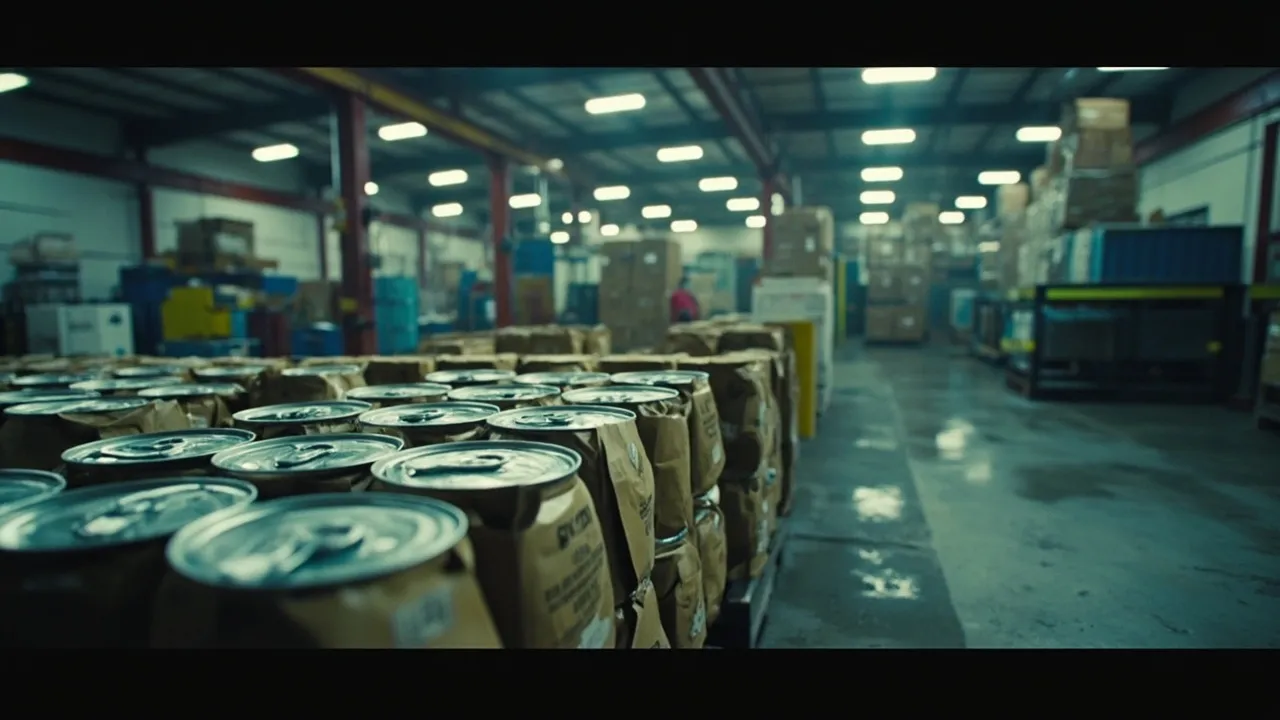
Packaging used to be the boring part of the supply chain. Not anymore.
In 2026, packaging is turning into a genuine operating risk for consumer brands because geopolitics is now hitting materials, components, and replenishment timing all at once. Tariff changes are reshaping the economics of metal inputs. Conflict in the Middle East is keeping transport markets jumpy. And procurement teams that once optimized packaging for pennies are suddenly being forced to rethink continuity, supplier mix, and inventory strategy.
That shift matters because packaging is not optional. If a brand cannot get cans, closures, tins, liners, or other packaging components on time and at a workable cost, the product does not move. It is that simple.
The tariff math got more complicated, not easier
One of the clearest signals came in early April. Reuters reported that the Trump administration adjusted metals duties so that many derivative products made with steel, aluminum, and copper would face a 25% tariff, while goods made primarily from those metals could still face a 50% tariff. Reuters also noted the goal was to simplify compliance, but for operators the real story is less comforting: packaging buyers now have to understand not just material exposure, but product classification exposure too.
That distinction matters for packaging-heavy categories. Beverage cans, metal containers, closures, and specialty components are no longer just sourcing items. They are customs and margin items.
Supply Chain Dive added more useful color in its tariff coverage, reporting that goods made entirely of the metals would still face the 50% tariff, while certain derivative products would move to the lower 25% rate effective April 6. That is the kind of policy detail that can change landed cost assumptions overnight for consumer brands with large SKU catalogs and thin margins.
Here is the blunt truth: when tariff rules split the world between base metal goods and derivative goods, packaging procurement stops being a purchasing function and becomes a cross-functional risk discipline involving sourcing, compliance, logistics, and finance.
Packaging volatility is now feeding logistics volatility
The pain is not just in tariffs. It is also in the broader geopolitical environment around them.
According to Supply Chain Dive, the packaging conversation has been reshaped by both tariffs and the Iran war, pushing consumer brands to rethink supplier concentration and packaging design. One example highlighted in search coverage is especially telling: the world’s largest toolmaker plans to cut the share of its U.S. supply sourced from China from roughly 15% in 2024 to less than 5% by the end of 2026. That is not a cosmetic adjustment. That is a structural sourcing rewrite.
When large manufacturers make that kind of move, freight networks change with them. New suppliers mean new lanes, new lead times, new customs entries, and often new minimum order quantities. Packaging decisions start rippling into transportation planning almost immediately.
For smaller consumer brands, the exposure is usually worse. A multinational can spread purchasing volume, negotiate alternate contracts, and carry buffer inventory without blinking. A smaller brand usually has fewer qualified suppliers, less leverage, and less room to absorb a sudden increase in per-unit packaging cost.
That is why packaging has become such an effective stress test. It reveals whether a company actually understands its supply chain below the finished-goods level, or whether it has just been coasting on stable inputs.
Why consumer brands should care now
There are three reasons this issue deserves executive attention right now.
1. Packaging can become the real bottleneck even when product demand is healthy
A lot of consumer supply chains are designed around ingredient risk or finished-goods distribution risk. Packaging often gets treated like a secondary concern. That is a mistake. When metal tariffs, conversion capacity, and geopolitical surcharges all move at the same time, packaging turns into the gating factor for production.
2. Landed cost models are getting fooled by classification changes
If the same packaging family can face materially different duty treatment depending on how it is classified, finance teams need better visibility into component-level sourcing and customs exposure. Old average-cost assumptions get dumb fast in that environment.
3. Supplier concentration is now a strategy problem
If major manufacturers are reducing China dependence from 15% to below 5% in two years, brands that have not mapped alternate suppliers are already behind. The market is telling you, loudly, that single-region packaging dependence is no longer cheap once disruption is priced in.
The operational playbook is getting more pragmatic
This is not a crisis that gets solved with one heroic sourcing decision. It needs a portfolio response.
First, brands need alternate suppliers, not just alternate quotes. A backup supplier that has not been qualified, tested, and integrated into transportation planning is not a backup. It is a fantasy.
Second, domestic or nearshore sourcing should be evaluated even if unit cost looks worse on paper. Lower lead-time variance, fewer customs surprises, and simpler replenishment can offset a higher invoice price when volatility is high.
Third, packaging engineering deserves a seat at the operations table. If a product can move from a highly exposed metal format to a less volatile material mix, that design flexibility becomes a supply-chain advantage.
Fourth, inventory strategy needs to be smarter than “carry more.” The right move is to hold buffer stock on the hardest-to-replace packaging inputs, not to flood the network with everything. Packaging components with long qualification cycles deserve priority.
Finally, logistics teams need packaging visibility inside the same control tower they use for finished goods. If your TMS can show shipment status but not tell you whether your packaging supplier delay will stop production next week, you are still flying half blind.
What this means for logistics leaders
The bigger lesson is that packaging is now part of supply-chain resilience planning, not a side conversation for procurement.
The companies that will handle this best are the ones that connect tariff intelligence, supplier diversification, landed-cost modeling, and transport execution in one workflow. The ones that treat packaging as an afterthought are going to keep getting surprised by production delays that were visible weeks earlier.
Geopolitical shocks do not always start with the finished product. Sometimes they start with the can, the cap, the liner, or the metal component that nobody bothered to watch closely enough.
That era is over.
Want tighter control over supplier shifts, landed-cost exposure, and packaging-related replenishment risk? Book a CXTMS demo to see how CXTMS helps logistics teams turn sourcing volatility into a manageable workflow.