Warehouses Need Better Data at the Edge: Why Real-Time Capture Is Becoming the Next Productivity Layer

Warehouse productivity used to depend on one brutal discipline: scan everything, type fast, and hope the data stayed current long enough to be useful.
That model is aging badly.
In labor-lean warehouses, delayed updates are no longer a small annoyance. They are the reason supervisors discover exceptions too late, transportation teams get bad handoff data, and inventory accuracy quietly drifts until it turns into service failure.
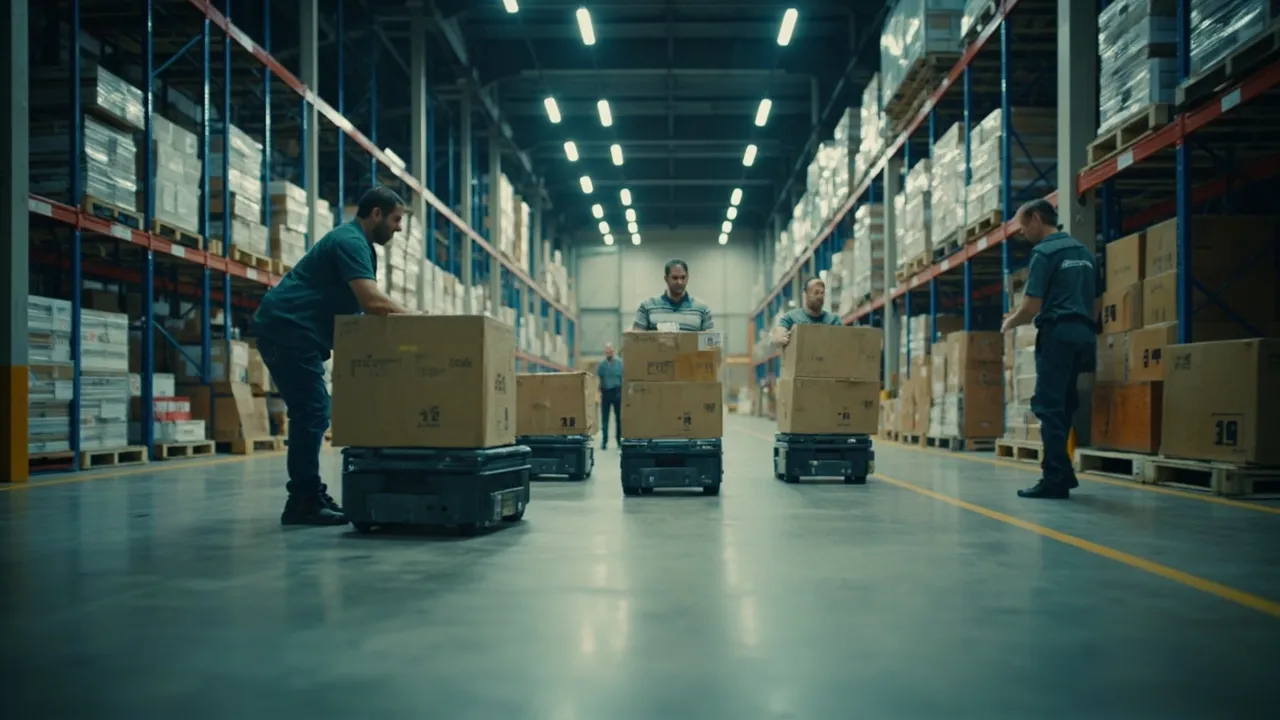
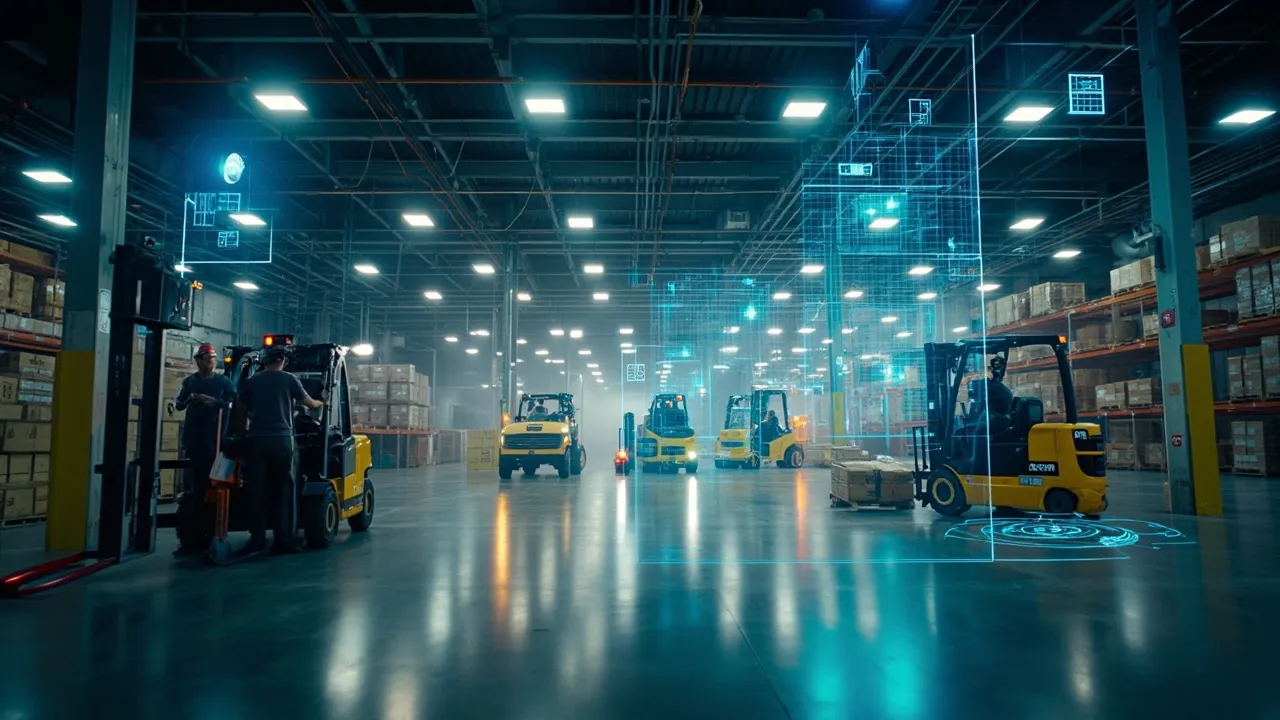
That is why real-time edge data capture is becoming the next productivity layer in warehouse operations. The shift is not just about replacing a handheld scanner. It is about turning the building itself into a live operating system, with data flowing from cameras, forklifts, wearables, sensors, and automation at the moment work happens.
Logistics Management’s April 2026 coverage put it plainly: real-time data capture gains ground in the warehouse, with drones, forklifts, and wearables equipped with vision systems delivering visibility that manual checks and legacy bar-code workflows cannot match. That matters because the problem in modern DCs is not a total lack of data. It is latency. By the time many warehouses confirm what happened, the operation has already moved on.
Why Manual Capture Is Hitting a Wall
Traditional scanning still has a role. It is cheap, familiar, and reliable enough for many processes. But it also depends on humans stopping to capture information at the right moment, in the right location, and in the right sequence. In busy environments, that breaks down fast.
A missed pallet scan at receiving can ripple into slotting errors. A delayed damage report can turn into a chargeback dispute. A forklift move that is physically complete but not digitally confirmed can distort available inventory and mislead downstream transportation planning.
The core issue is simple: warehouses have been running physical operations at one speed and digital confirmation at another. Edge capture closes that gap.
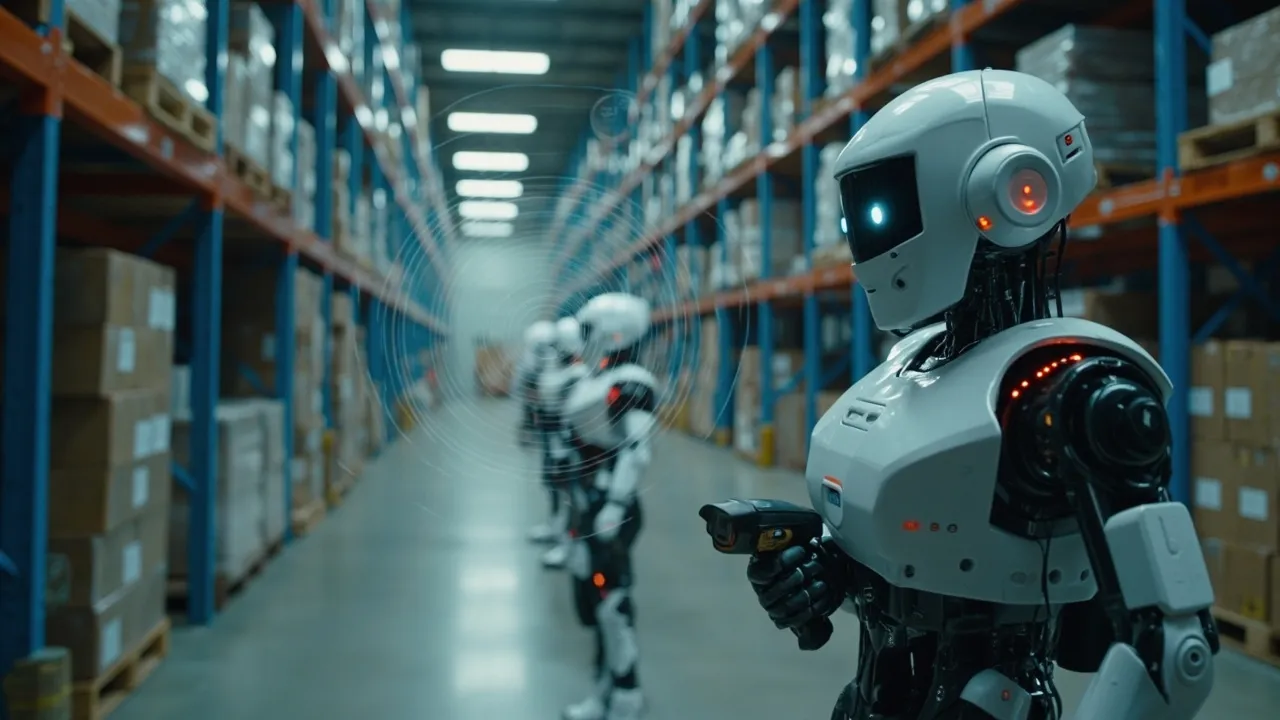
Instead of waiting for someone to scan, key events can now be detected automatically. Cameras can verify movement and condition. Connected lift equipment can report location and task status. Wearables can reduce the amount of manual device handling required from frontline workers. The result is not just more data, but better-timed data.
The Technology Stack Is Getting Real
This is no longer hype dressed up as innovation theater.
Deloitte’s Tech Trends 2026 shows how quickly physical AI is colliding with warehouse operations. Deloitte notes that Amazon has deployed its millionth robot, and that its DeepFleet AI improves travel efficiency within warehouses by 10%. That is the kind of gain operators care about because it comes from better in-motion coordination, not just more labor or more square footage.
The same report also shows a broader execution problem across AI adoption: only 11% of organizations have agents in production, even though 38% are piloting them. Another 42% are still developing strategy, while 35% have no strategy at all. In warehouse terms, that is a warning. Buying smart devices is easy. Redesigning the process around live data is the hard part. Supply Chain Dive made a similar point in its reporting on warehouse automation partnerships becoming more strategic, noting that operators increasingly want technologies that do not just automate work but also generate usable data for better decisions.
Deloitte’s 2026 technology signals add another important detail. Edge AI is moving onto devices directly because latency, cloud cost, privacy, and connectivity all matter in real operations. The report notes that generative AI-capable smartphones grew nearly 364% year over year in 2024 to 234.2 million units, with projections reaching 912 million by 2028. That consumer number is not a warehouse KPI, but it signals the same underlying economics: on-device intelligence is getting cheaper, faster, and more practical.
For warehouses, that means smart cameras can classify events locally, industrial sensors can flag equipment issues without waiting on cloud round-trips, and wearables can support real-time task guidance without turning every workflow into a stop-and-scan ritual.
Where Edge Data Changes Productivity First
Not every workflow needs the same level of instrumentation. The smart move is to start where delayed information creates expensive downstream consequences.
1. Receiving and putaway
This is where bad data creates long shadows. Vision-based verification, dock imaging, and forklift telemetry can confirm what arrived, where it moved, and whether exceptions appeared before inventory errors spread through the building.
2. Pick-path execution
Wearables, voice-plus-vision workflows, and connected mobile devices reduce friction for associates. The goal is not gadget overload. The goal is fewer interruptions between physical movement and digital confirmation.
3. Exception management
This is where real-time capture earns its keep. Damage, dwell, congestion, misroutes, and missing items become much easier to escalate when the warehouse sees them as they happen instead of reconstructing them later.
4. Shipping and transportation handoffs
This is the underrated part. Better edge data improves trailer loading confirmation, departure readiness, and shipment integrity before freight leaves the dock. That means cleaner ASN timing, better customer updates, and less bullshit between warehouse and transportation teams.
The Real Payoff Is Faster Decisions
The old warehouse productivity story was mostly about labor efficiency. The new one is about decision speed.
When data capture happens at the edge, supervisors can intervene earlier. Maintenance teams can respond before a small issue becomes equipment downtime. Inventory teams can trust location accuracy more. Transportation teams get cleaner outbound signals. Customers get better ETA communication because the ship event reflects reality, not administrative lag.
This is also why edge capture should not be treated as a standalone warehouse-tech project. It belongs inside a broader execution stack. If real-time warehouse signals do not flow into WMS, TMS, labor planning, and customer visibility workflows, the business gets better observation without better orchestration. That is a waste.
A Practical Rollout Roadmap
Operators should keep this simple.
First, target processes where delayed data causes chargebacks, rework, or missed service. Second, pick technologies that reduce manual touches instead of adding new ones. Third, define exactly which decisions should happen faster once the data is live. If that part is fuzzy, the deployment will drift into vanity metrics.
Finally, measure success with operating outcomes, not gadget counts. Fewer exceptions discovered after the fact. Faster dock-to-stock. Better location accuracy. Higher pick flow continuity. Cleaner outbound handoffs. That is the scoreboard.
The blunt truth is that most warehouses do not need more dashboards. They need less delay between reality and system truth. Real-time edge data capture is how that gap starts to close, and the operators who get there first will run faster without looking more chaotic.
Want a TMS that can turn cleaner warehouse events into better transportation execution? Book a CXTMS demo and see how CXTMS helps logistics teams connect warehouse visibility to shipment-ready decisions.