World Cup Event Logistics Will Test Master Delivery Scheduling Before the First Match

The 2026 FIFA World Cup will not be won by logistics teams, but it can absolutely be disrupted by them. When a tournament spans three countries, 16 venues, 48 teams, 104 matches, broadcast operations, training sites, sponsors, security, concessions, and hospitality programs, freight stops being background work. It becomes part of the event clock.
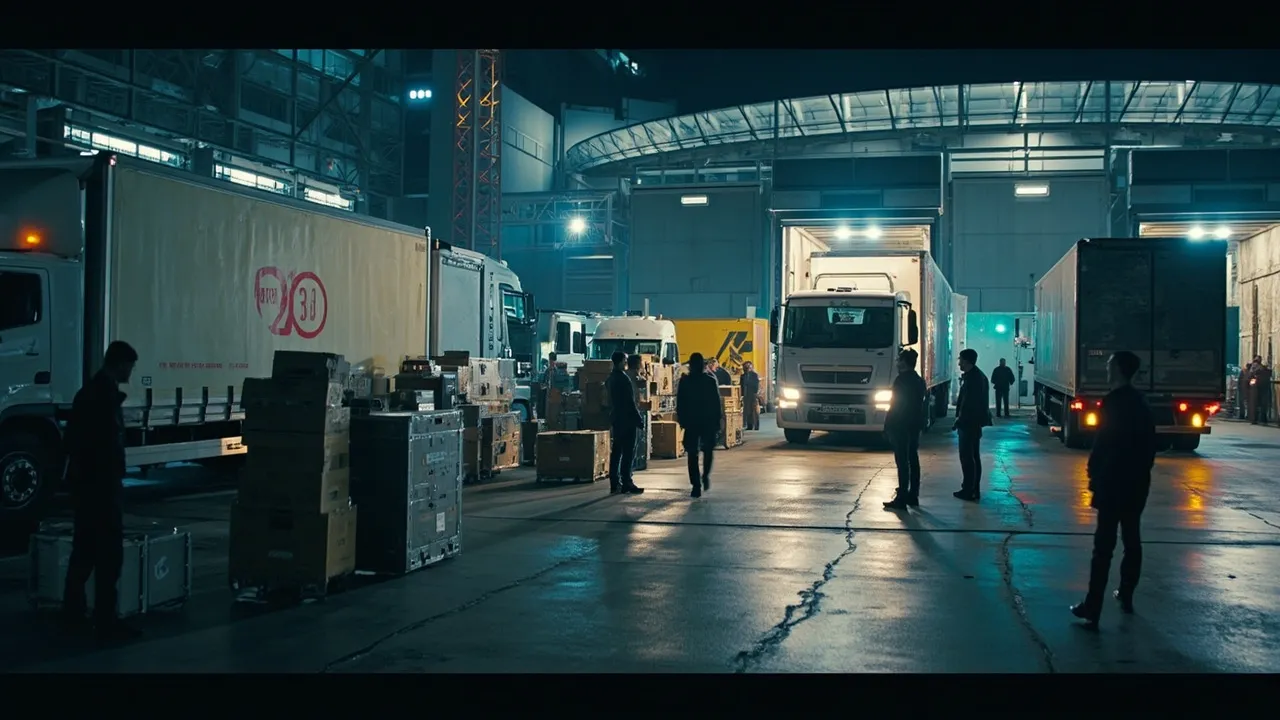
That is why the most interesting World Cup logistics story is not raw capacity. It is scheduling discipline. Event freight has to arrive inside narrow windows, comply with venue rules, clear security, avoid broadcast and fan-traffic conflicts, and still leave room for emergency substitutions when weather, customs, congestion, or equipment failures hit.
FreightWaves recently reported that Rock-It Cargo is coordinating logistics for what its CEO described as the most complex World Cup in the sport's history. The tournament expands to 48 teams, 104 matches, and 16 venues across three countries, while Rock-It uses proprietary master delivery scheduling technology and an asset-light network to process roughly 1,500 highly time-sensitive shipments per day. The same article notes that the operation includes bespoke team training gear moving across international borders and broadcast infrastructure supporting 150 international networks.
Those numbers matter because they show the real constraint. The problem is not simply finding trucks. The problem is making thousands of time-definite moves behave like one coordinated operating plan.
Event Freight Is a Time-Window Business
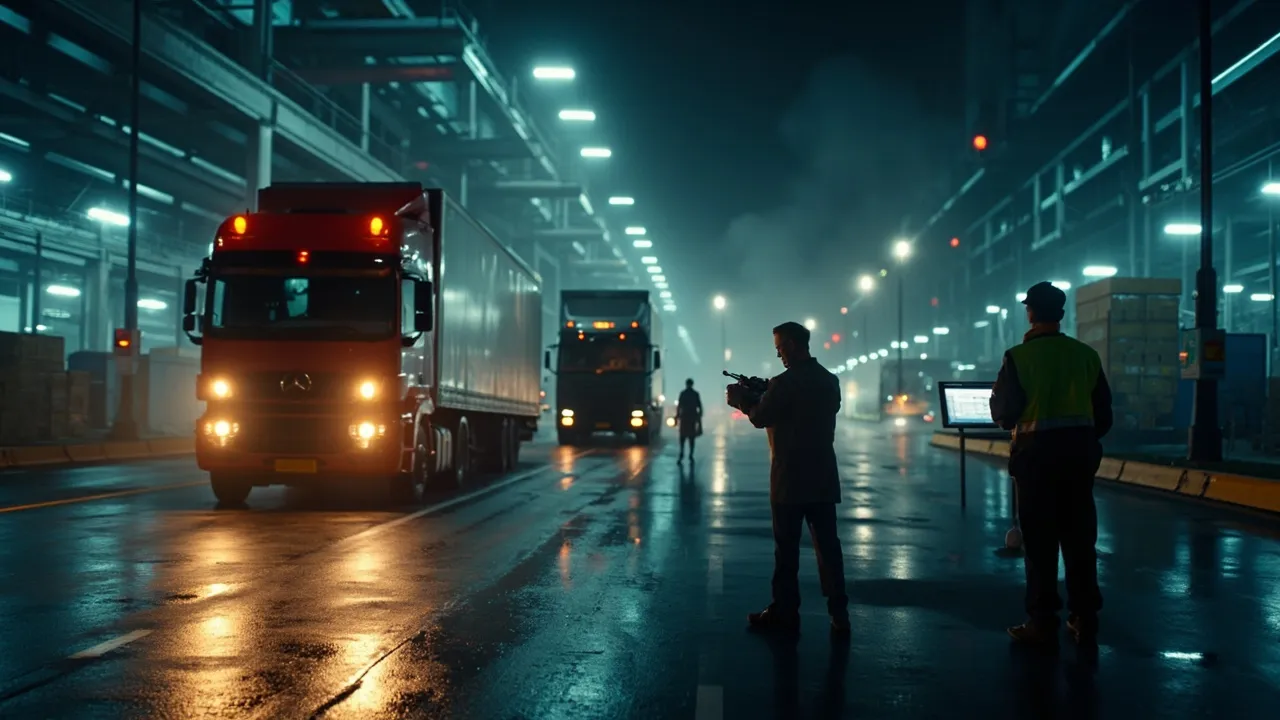
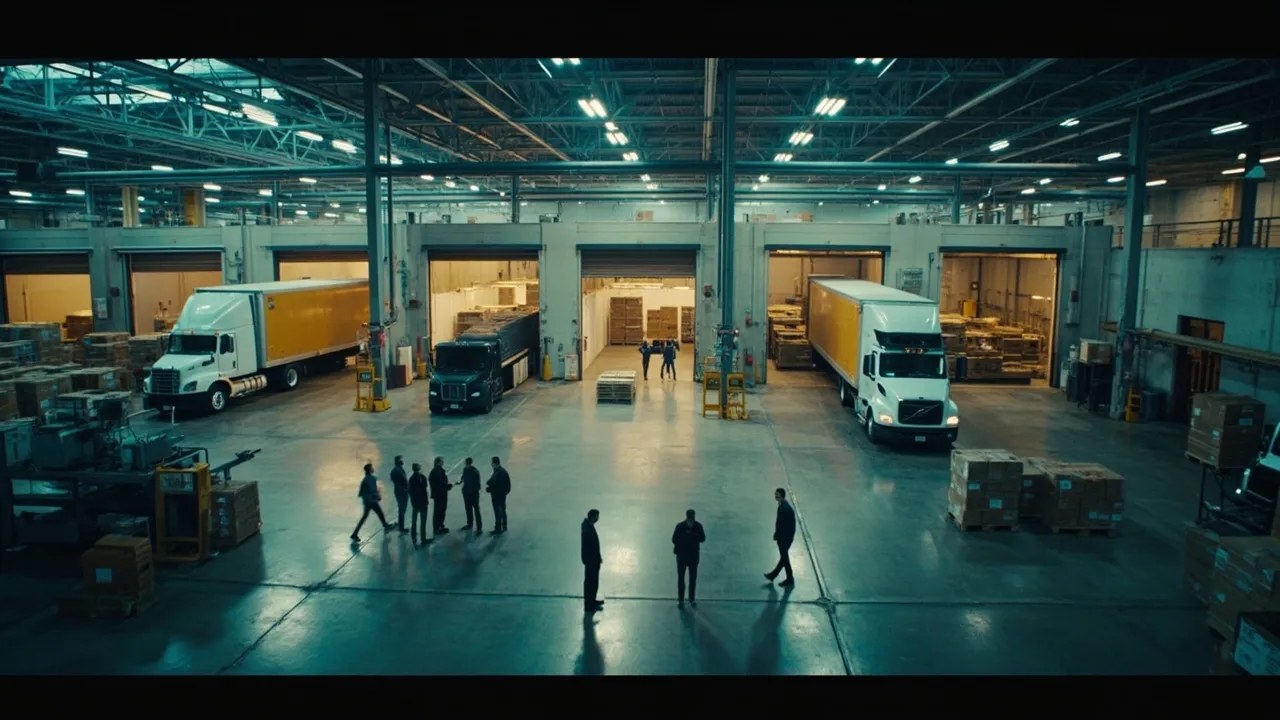
Most shippers understand appointment scheduling at a basic level: book a dock slot, tender a load, get a delivery confirmation. Event logistics is harsher. A stadium cannot absorb freight randomly throughout the day. Security perimeters change. Streets close. Production crews need access before rehearsals. Broadcast teams need equipment before signal testing. Caterers, merchandisers, temporary structures, medical teams, and cleaning vendors all compete for the same physical space.
A late load is not just late. It can block another team, miss a setup sequence, trigger detention, force premium recovery freight, or put workers into overtime. An early load can be just as disruptive if the venue has no staging area or if security credentials are not active yet.
That is why master delivery scheduling matters. It turns the question from "when can the carrier arrive?" into "when should this shipment arrive relative to every other shipment, labor plan, access rule, and milestone?"
For the World Cup, that means scheduling around match calendars, venue turnover, customs handoffs, team movements, sponsor activations, broadcast testing, and local traffic controls. For commercial shippers, the same logic applies to seasonal retail launches, trade shows, store remodels, pop-up fulfillment nodes, plant shutdowns, construction projects, and promotional campaigns.
The Freight Market Will Not Make This Easy
The broader freight environment adds pressure. FreightWaves' June 2026 State of the Industry report says the market remains volatile and capacity-sensitive, with disruptions such as Roadcheck quickly driving tender rejections and spot rates higher. It also notes that spot rates are outpacing contract rates, capacity tightening persists as carriers exit, and demand is stable but not strong.
That is a bad mix for event-driven freight. When teams assume they can solve schedule gaps with last-minute capacity, they are betting against a market where usable capacity can disappear quickly. Even if trucks are technically available, the right truck with the right access credentials, equipment, driver hours, insurance, venue knowledge, and delivery window may not be.
Tender rejections are a useful warning signal, but for event logistics they are too late if they appear after the setup sequence has already started. The better practice is to build escalation paths before the event clock begins: backup carriers, alternate staging yards, cross-dock options, security credential checks, customs document reviews, and approval rules for premium recovery.
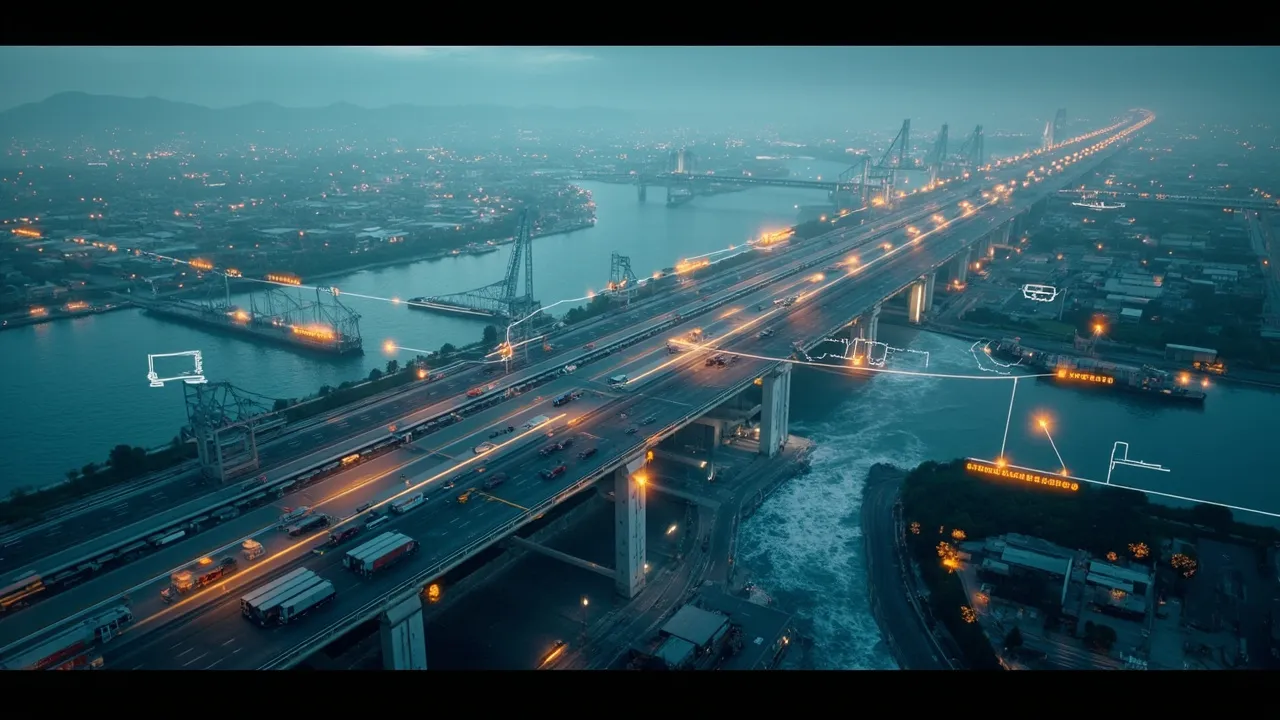
Infrastructure Scale Makes Scheduling More Important
This is not just a sports problem. Logistics Management reported that the 2026 National Freight Strategic Plan covers freight moving more than 54 million tons of goods worth more than $68 billion each day across a nearly 7-million-mile U.S. freight network. The plan emphasizes safety, efficiency, security, resiliency, innovation, workforce development, supply chain visibility, digital freight data standards, and reducing bottlenecks.
Event freight lives inside that same network. A stadium delivery competes with parcel routes, construction materials, grocery replenishment, drayage, linehaul, and municipal traffic. The bigger and more multimodal the event, the more important it becomes to coordinate freight with public infrastructure constraints instead of treating the venue as an isolated destination.
What Master Delivery Scheduling Actually Requires
A useful master delivery schedule is not a spreadsheet with appointment times. It is a live operating model that connects demand, constraints, carrier execution, and exception ownership.
The core components are straightforward:
- Shipment priority. Not every load deserves the same escalation path. Broadcast infrastructure, match-critical equipment, perishables, and sponsor materials need different rules.
- Venue constraints. Delivery windows, gate assignments, staging space, security credentials, labor availability, and street closures must be visible before tendering.
- Carrier sequencing. The system should know which carriers are assigned to which windows, what equipment is required, and where backup capacity sits.
- Milestone visibility. Pickup, border status, customs clearance, yard arrival, gate check-in, unloading, and proof-of-delivery events need to feed one timeline.
- Exception escalation. A missed pickup, delayed clearance, or appointment conflict should trigger an owner, next action, and commercial impact estimate.
The difference between amateur scheduling and master scheduling is not complexity for its own sake. It is the ability to make thousands of small delivery decisions without losing sight of the event sequence.
Lessons for Ordinary Shippers
Most companies are not running the World Cup. Good. They still face smaller versions of the same problem.
A retailer launching a seasonal product line has a hard date. A manufacturer planning a maintenance shutdown has a hard date. A medical device company supporting a conference has a hard date. A forwarder moving trade-show freight has a hard date. In each case, transportation performance is judged not by average transit time but by whether the freight is in the right place before the promise becomes public.
That changes the operating playbook. Teams should stop treating appointment scheduling as an administrative step at the end of planning. It belongs at the beginning, alongside inventory positioning, carrier assignment, customer communication, and contingency design.
The World Cup will make this visible at massive scale, but the discipline is useful anywhere the delivery clock matters more than the freight quote.
CXTMS Turns Time-Definite Freight Into an Operating System
Event logistics exposes the weakness of disconnected transportation tools. If appointments live in one spreadsheet, carrier updates in another portal, customs documents in email, and escalation decisions in chat, the schedule is already fragile.
CXTMS helps logistics teams coordinate time-definite freight, dock calendars, carrier milestones, exception workflows, and customer communication in one execution layer. For forwarders and shippers managing events, launches, trade shows, seasonal peaks, or complex venue deliveries, that means fewer surprises and faster recovery when the plan changes.
If your team is still coordinating high-stakes delivery windows by spreadsheet and phone calls, schedule a CXTMS demo. The first match, launch, or event day is a terrible time to discover that your delivery schedule was never really under control.