Trade Show Freight Is a Deadline Business: Build an Event Logistics Control Tower

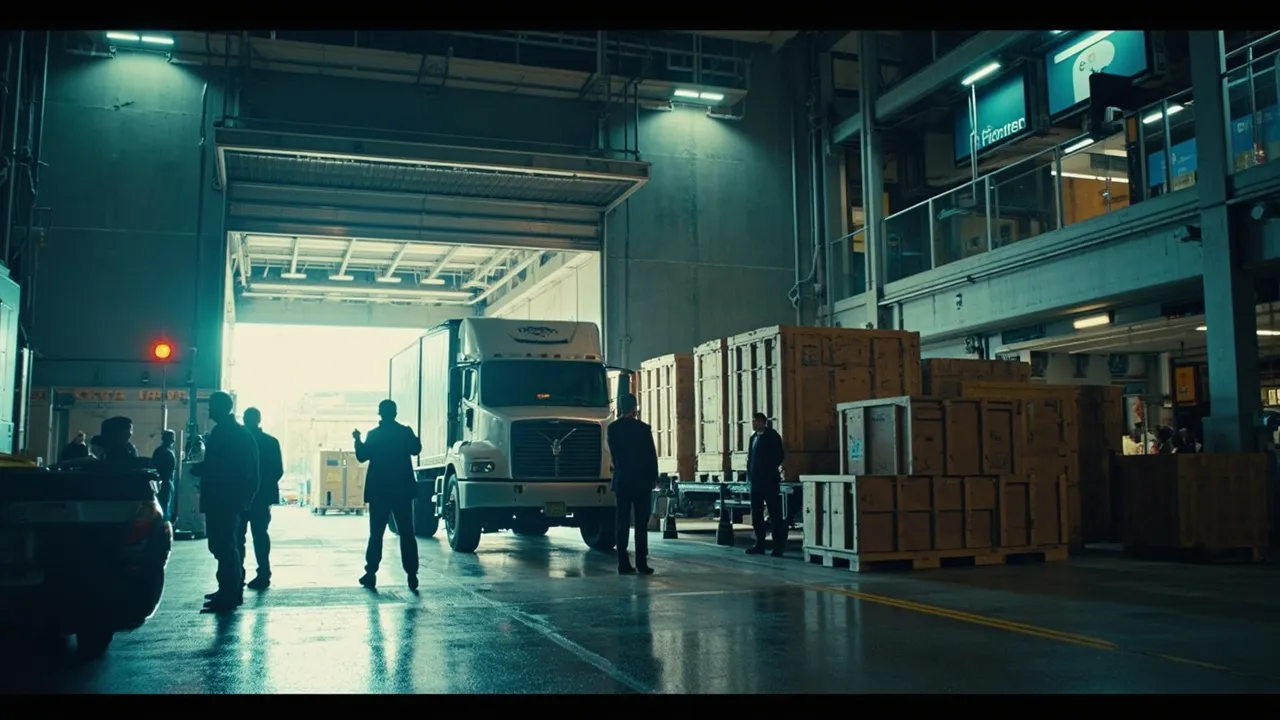
Trade show freight has an unforgiving service standard: the booth must be ready when the doors open. A shipment that arrives one day late has not merely missed an ordinary delivery appointment. It can trigger extra handling, idle installation crews, lost exhibit hours, and a damaged customer experience that no later recovery can fully repair.
That exposure grows with event scale. MHI said MODEX 2024 would bring together more than 1,200 exhibitors. Its MODEX 2026 preview advertised 1,100 exhibits across three show floors. Each exhibitor may have crates, displays, samples, electronics, literature, and return freight moving through the same constrained venue network.
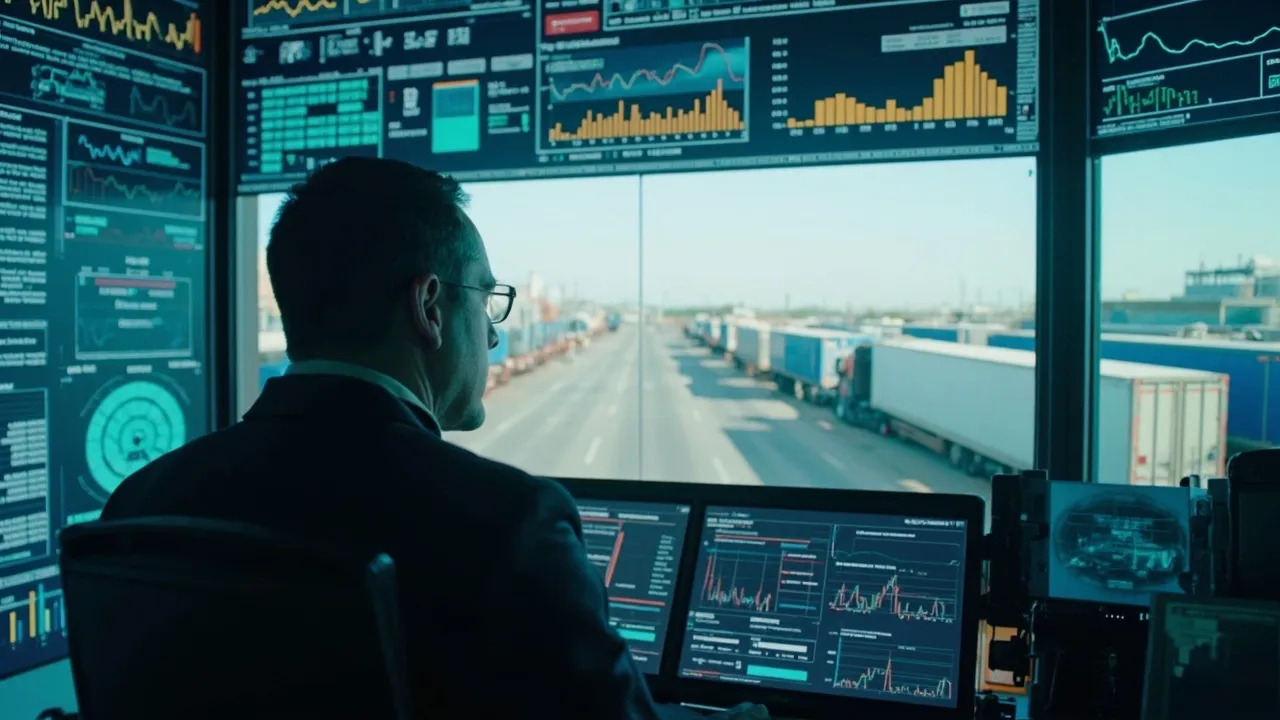
The right operating model is an event logistics control tower: one workspace that connects every commercial order to its physical freight, required venue appointment, current milestone, exception owner, and final proof of delivery.
Plan backward from the show floor
Event freight moves through deadlines that conventional pickup-and-delivery tracking does not represent well. The exhibit-ready time is the true customer promise. From there, planners must work backward through target move-in, marshaling-yard check-in, venue appointment, local staging, linehaul arrival, and origin pickup.
An advance warehouse can reduce uncertainty by accepting freight before direct-to-show receiving begins. It can also introduce storage, transfer, and material-handling events that need to be visible. Direct-to-show delivery may avoid one storage stage, but it exposes the shipment to a shorter receiving window and venue congestion. Neither route is universally better; the control tower should show the cost, cutoff, and risk of each option before booking.
Inbound Logistics' event logistics guide warns that exhibitor packages contain shipping specifications and “drop-dead” contractual and payment deadlines. It also reports that late-arriving materials can face a surcharge as high as 30%. That figure makes the service problem concrete: punctuality is not only operational performance but a cost-control requirement.
Give every shipment a deadline hierarchy
A useful event record needs more than an estimated delivery date. It should include the show, exhibitor, booth, decorator or general contractor, carrier, commodity, piece count, dimensions, target route, and four distinct clocks:
- The exhibitor's requested booth-ready time
- The advance-warehouse receiving window
- The direct-to-show appointment and marshaling cutoff
- The outbound carrier check-in deadline after the event
The system should calculate a latest-safe time for every upstream milestone. If a truck must check in at 10 a.m. Tuesday, the platform can subtract local staging, recovery, linehaul, and pickup buffers to determine when freight must leave origin. A predicted ETA that violates any latest-safe milestone should create an exception even if the carrier's standard delivery commitment still appears “on time.”
This is where a transportation management system becomes materially more valuable than a tracking portal. Tracking answers where the truck is. Control-tower logic explains whether its current position still protects the business deadline.
Model the real cost of a miss
Freight cost alone is a poor measure of event-shipment risk. Build a cost-of-failure model with at least five components:
- Late receiving or off-target surcharges
- Storage, rehandling, and special material-handling fees
- Installation labor waiting or working overtime
- Expedite, rescue, or replacement-production expense
- Lost exhibit time and the commercial value of missed meetings
Consider a simple scenario. A $2,000 event-freight movement subject to a 30% late surcharge immediately adds $600. Two installers waiting four hours at a hypothetical loaded rate of $90 per hour add $720. Before emergency transport, rehandling, or lost selling time, the visible impact is already $1,320—66% of the original freight spend. The labor assumptions are illustrative, but the calculation shows why teams should rank shipments by business exposure, not transportation price.
High-risk freight deserves larger buffers and earlier alerts. A replaceable carton of brochures should not receive the same escalation path as a custom booth structure, prototype, or product required for a scheduled demonstration.
Connect orders, milestones, and documents
Event logistics often fragments across exhibitor-service orders, carrier emails, venue portals, spreadsheets, and proof-of-delivery files. The control tower needs a shared identifier that links them.
At minimum, connect the exhibitor order and purchase order to the carrier shipment, bill of lading, tracking number, warehouse receipt, appointment confirmation, material-handling order, and signed delivery record. Capture piece count and condition at each custody change. Photos should be time-stamped and attached to the shipment record, especially for custom crates and fragile displays.
Large shows demonstrate why this structure matters. MHI reported more than 1,200 exhibitors for MODEX 2024. At that scale, a team cannot reliably reconcile exceptions by searching inboxes. Structured records let planners filter by event, move-in zone, missing document, appointment risk, or damaged piece and act before isolated issues become opening-day failures.
Automate exception ownership
Alerts need an owner, a deadline, and a playbook. Otherwise, they become background noise.
For late freight, trigger an early warning when the predictive ETA consumes the planned buffer, then a critical alert when the latest-safe milestone is breached. The response can include carrier confirmation, alternate terminal recovery, team-driver service, replacement production, or venue coordination.
For damaged displays, require photos, piece-level condition, a notation on the delivery receipt, and immediate routing to the claims owner and exhibit lead. The operational decision—repair, reproduce, or display as-is—should proceed while the claim file is assembled.
Return shipping needs equal discipline. Before the show closes, confirm the outbound carrier, labels, pickup number, target service, and disposition for every piece. Track whether crates are packed, labeled, staged, and released. Freight left without valid outbound instructions can accumulate handling or storage charges and miss its next event.
Measure performance by event readiness
Traditional on-time pickup and delivery metrics remain useful, but event programs need sharper measures: percentage booth-ready by commitment, appointment compliance, advance-warehouse cutoff compliance, exceptions recovered before move-in, damage rate by custody point, and return freight tendered before deadline.
A post-event review should compare planned and actual milestones, accessorial charges, escalation lead time, and root cause. Repeated appointment misses may indicate weak carrier instructions. Frequent piece-count discrepancies may expose poor origin labeling. Consistent late decisions may mean alert thresholds are too generous.
Trade show logistics will always be deadline-driven. It does not have to be managed through frantic calls and disconnected spreadsheets. CXTMS brings orders, carrier execution, appointments, documents, milestone visibility, and exception workflows into one operating view so teams can protect the only delivery promise that matters: ready before the doors open.
Request a CXTMS demo to build a more controlled workflow for time-critical event freight.