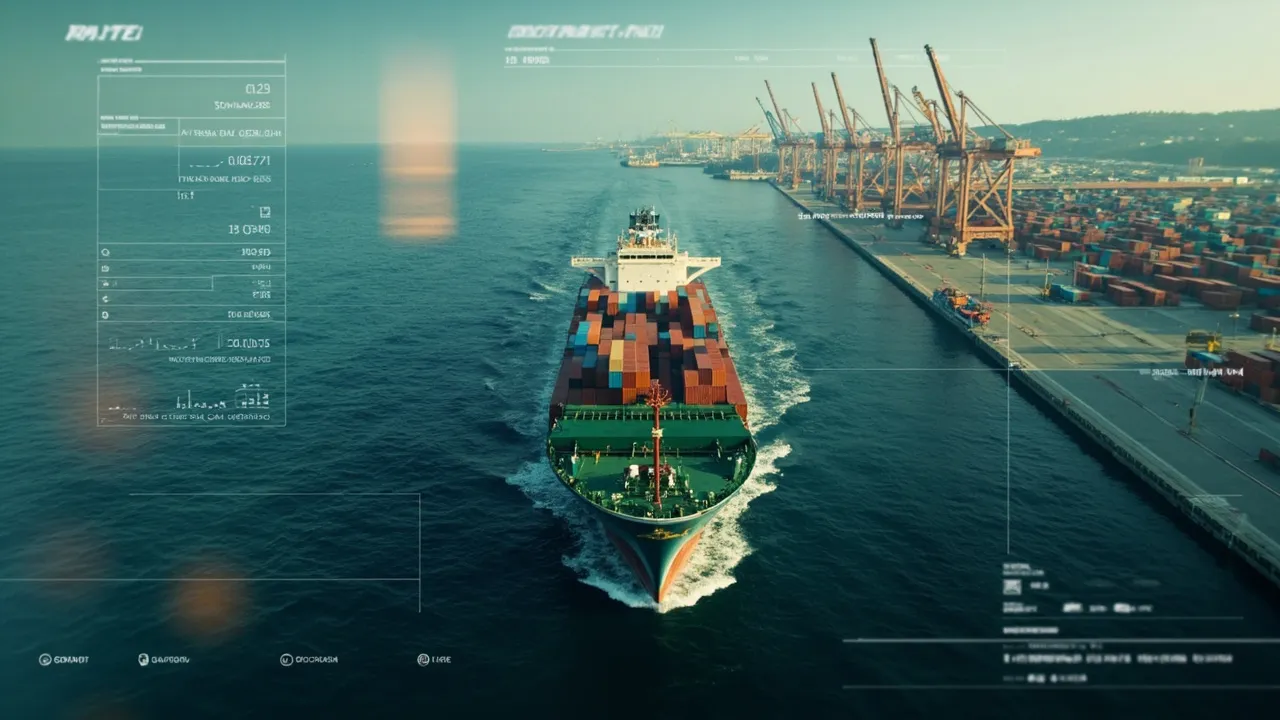
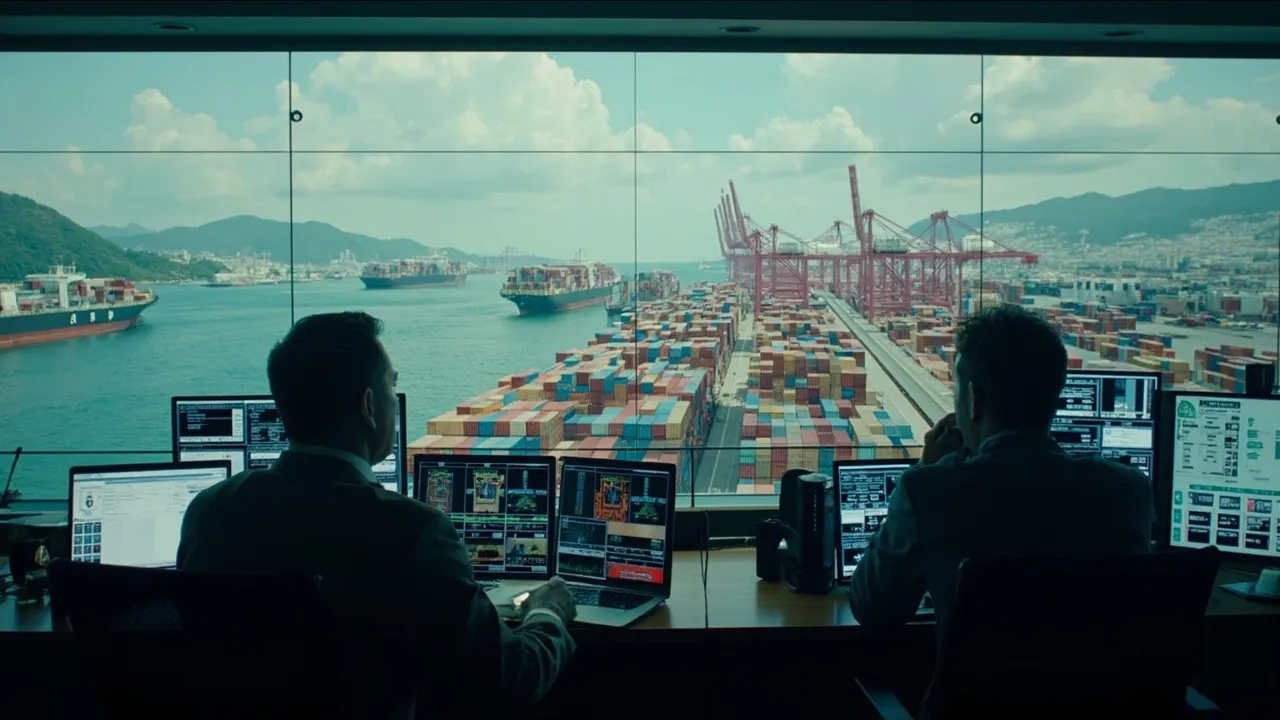
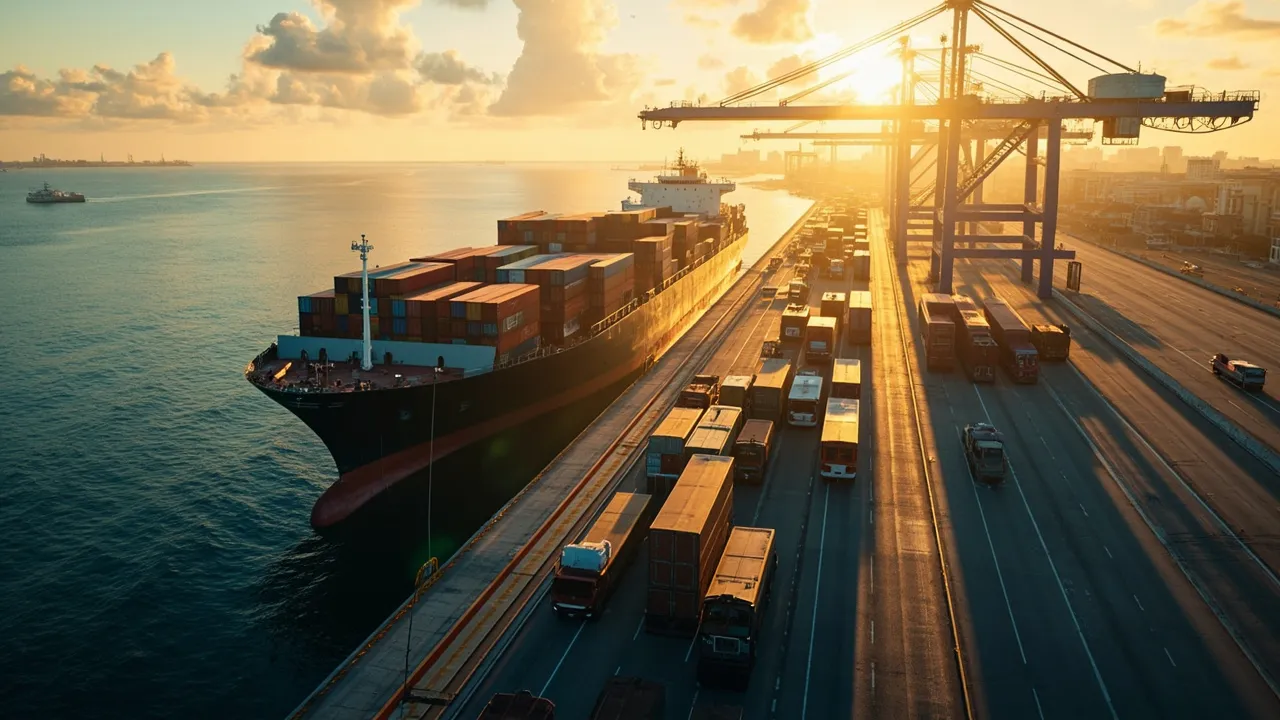
Ocean Freight Teams Need a Smarter Operating System, Not Just Better Rate Negotiations

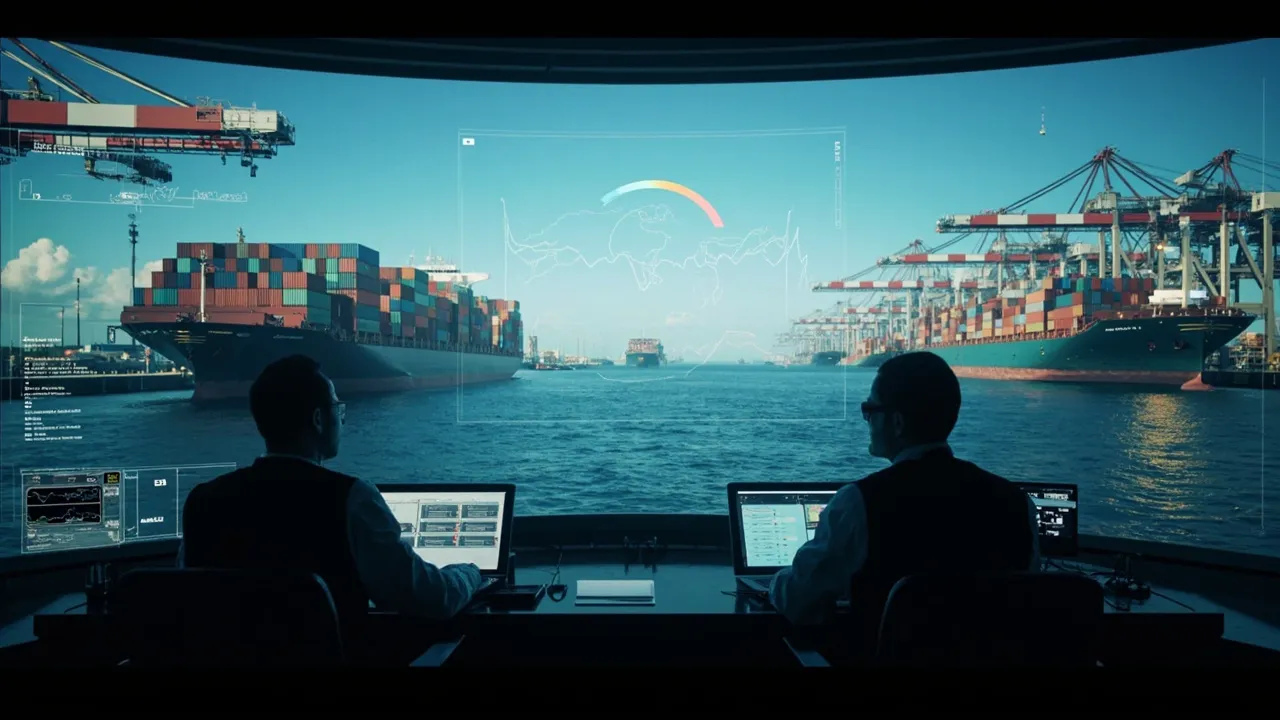
A lot of ocean freight teams still behave like their main job is buying a cheaper container.
That mindset is outdated.
In 2026, the companies that manage ocean freight well are not just negotiating rates harder. They are building a tighter operating system around volume planning, carrier diversification, lane design, exception handling, and performance measurement. That is the core message in Logistics Management’s piece on building a smarter ocean transportation strategy, and it lands because the market keeps punishing reactive behavior.
When trade lanes shift, capacity tightens, or geopolitical risk spikes, a lower rate by itself does not protect service. A structured operating model does.
Reactive ocean buying gets expensive fast
Logistics Management makes a blunt point that too many importers still treat ocean transportation as a utility cost or a spot-market task. That may work for very low-volume shippers, but it becomes dangerous when container volumes rise and network complexity grows.
The article argues that the first move in a real strategy is not bargaining. It is visibility into origins, destinations, total TEUs, and seasonality. Without that, procurement becomes guesswork.
That matters because spot markets can move violently. Logistics Management notes that when importers rushed to beat tariff implementations, spot container rates surged, then fell sharply once the tariffs took effect. That kind of whiplash is exactly why fixed contracts, lane planning, and procurement discipline matter more than heroic last-minute negotiation.
Ocean teams that operate without reliable forecasts usually pay for it three ways: higher transportation cost, weaker service consistency, and inventory decisions made with bad assumptions.
The risk environment got uglier, not simpler
This would already be true in a calm market. The problem is that 2026 is not calm.
SupplyChainBrain reports that geopolitical fragmentation is the highest-rated supply chain threat in Everstream Analytics’ 2026 risk outlook. The same article says extreme weather ranks second, followed by infrastructure strain and cyberattacks. It also notes that cyberattacks on carriers, 3PLs, and logistics providers surged 61% between 2024 and 2025. You can read that analysis here: Trade Turmoil Tops List of Supply Chain Risks in 2026.
That combination is nasty for ocean networks.
Trade policy changes alter sourcing patterns. Weather disrupts ports and schedules. Infrastructure bottlenecks create dwell and congestion. Cyber incidents degrade visibility and coordination. None of those problems are solved by squeezing another few dollars out of a carrier quote.
They are managed through redundancy, control towers, alternative routings, and tighter execution discipline.
Routing discipline beats rate chasing
One of the smartest points in the Logistics Management article is that lane and port strategy should include both primary and alternate gateways. That sounds obvious, but plenty of import programs still rely on a single default routing until something breaks.
That is lazy network design.
Routing decisions should connect ocean bookings to inland cost, transit reliability, inventory posture, and disruption exposure. A cheaper port pair is not automatically the better port pair if it creates more drayage friction, longer dwell, or a worse path into the final distribution network.
Reuters offered a vivid example this month of how strange freight design gets when traditional corridors stop behaving normally. In its April 10 report, Reuters said air cargo capacity to the Middle East shrank by more than 50% year over year over the previous two weeks, citing WorldACD data. The same story said long-term air cargo rates from Vietnam to Europe had nearly doubled to $6.27 per kilogram, while some shippers started moving freight from Asia to Europe via Los Angeles because it was still faster than ocean around southern Africa and far cheaper than direct air. That is the kind of detour companies make when transport planning gets cornered by disruption.
Ocean freight teams should treat that as a warning.
If your operating model depends on one corridor, one carrier relationship, or one planning assumption, you are not running a strategy. You are running a hope machine.
KPIs are not admin work, they are operating leverage
Another area where mature teams separate themselves is measurement.
Logistics Management recommends tracking KPIs such as on-time delivery, dwell time, container utilization, cost per unit, and detention and demurrage. Good. Those are not vanity metrics. They tell you whether your network is actually doing what the procurement spreadsheet promised.
The trap is only reviewing these metrics after a bad quarter.
The better approach is to use them continuously in carrier reviews, forwarder reviews, and lane-level planning. If a provider looks cheap but consistently drives missed sailings, poor milestone visibility, or excess detention, then the rate was never actually cheap.
Ocean transportation is full of false economies. A narrow rate win can create a broader service loss, and the service loss usually shows up somewhere uglier, like expediting, stockouts, customer penalties, or excess safety stock.
A practical checklist for smarter ocean operations
For logistics managers trying to make the shift, here is the playbook that actually matters.
1. Forecast by lane, not in aggregate. Know origin points, destination points, TEU volume, seasonality, and product criticality. Aggregate volume is not enough for procurement.
2. Define your contract-versus-spot rules in advance. Do not improvise every booking. Decide where fixed commitments protect budget and service, and where opportunistic spot buying still makes sense.
3. Diversify carriers and partners. No single carrier, NVOCC, or forwarder should become a hidden single point of failure.
4. Build primary and alternate port strategies. Map backup routings before disruption hits. Waiting until congestion starts is how companies end up overpaying for ugly solutions.
5. Tie ocean decisions to inland execution. A booking is not an isolated event. It affects drayage, rail, warehouse labor, inventory availability, and customer promise dates.
6. Track exception speed, not just final outcomes. It is not enough to know a shipment was late. Measure how quickly your team detected the issue, escalated it, and rerouted around it.
7. Review landed performance, not quoted cost. Compare actual total cost and service by lane after detention, demurrage, rehandling, missed delivery windows, and expedite costs.
That is how ocean transportation stops being a procurement function and starts acting like a managed operating system.
Smarter execution is the real advantage
The best ocean freight teams in 2026 are not winning because they found a magical carrier or negotiated one brilliant contract.
They are winning because they run a tighter process.
They forecast better. They diversify better. They route more deliberately. They measure performance harder. They respond to disruptions faster. And they understand that resilience is not a slogan. It is a set of operating choices made before the network gets punched in the face.
That is the real shift.
Better rate negotiations still matter. But in a world shaped by tariff turbulence, infrastructure strain, cyber risk, and fragile trade corridors, negotiation is only one input. The durable advantage comes from turning ocean freight into a disciplined, data-driven execution system.
If your team wants cleaner ocean planning, stronger visibility, and better control over freight execution, book a CXTMS demo and see what modern logistics operations should look like.