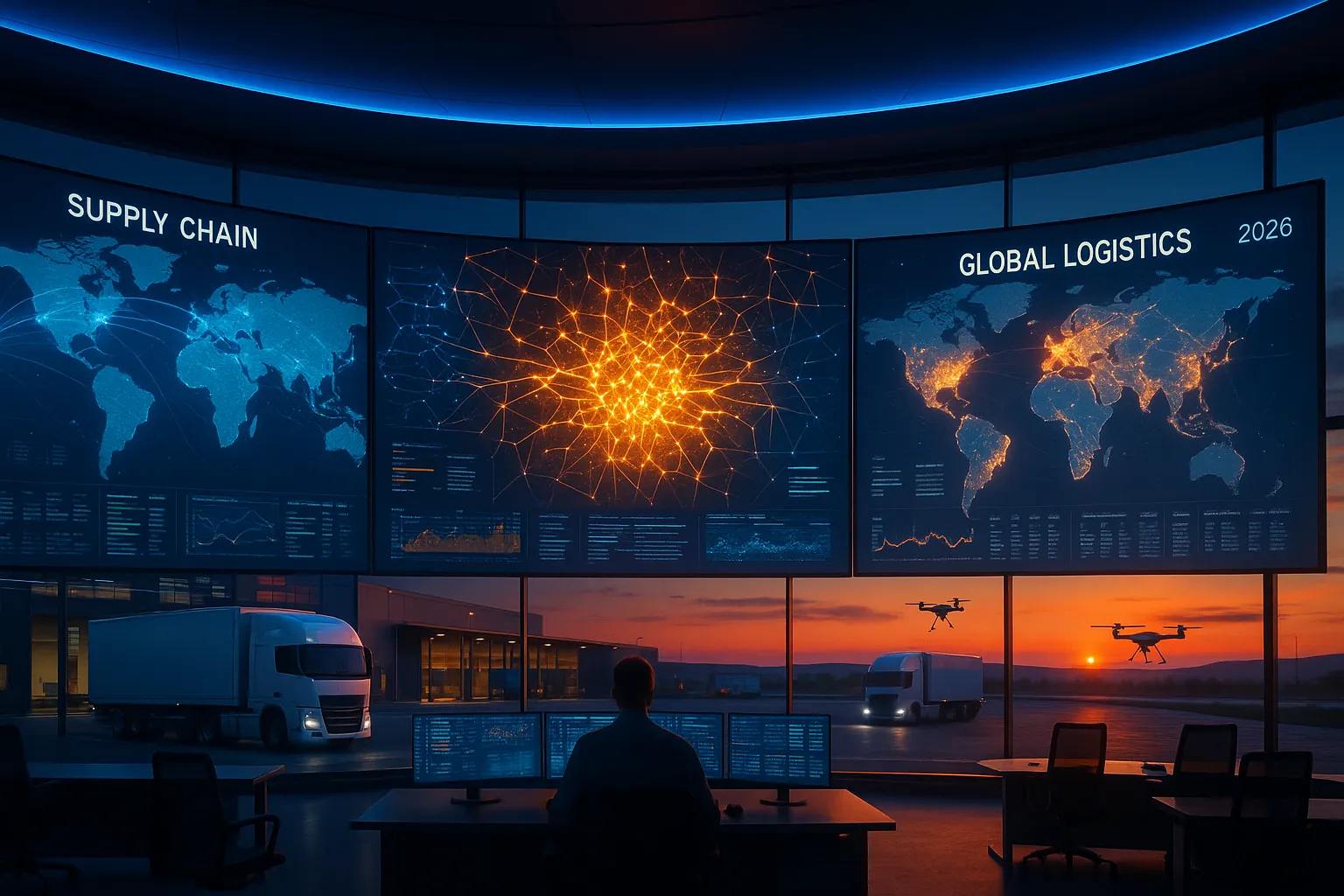
Predictive Rerouting: AI That Moves Your Freight Before Problems Hit

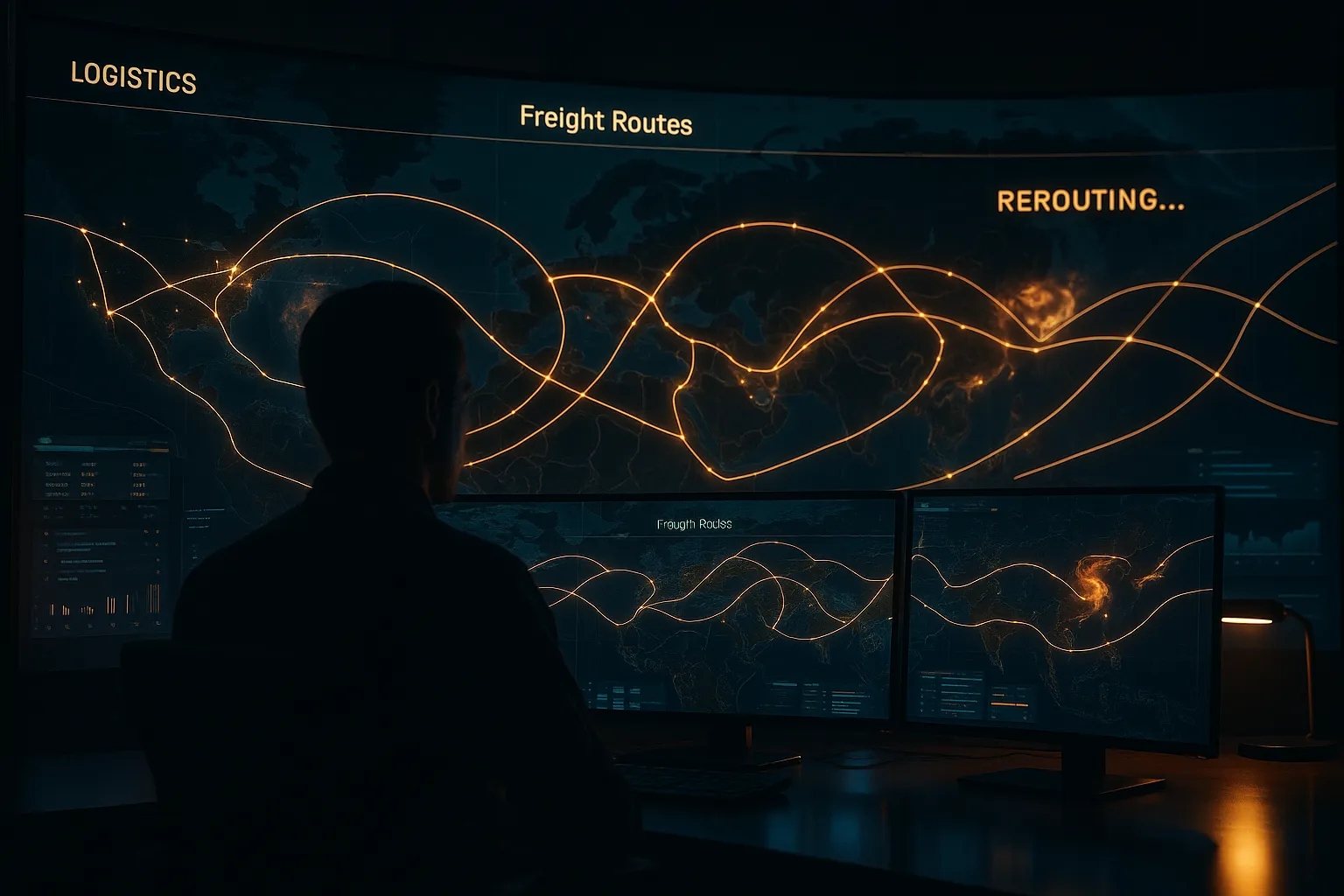
The question has changed. For decades, logistics teams asked, "Where is my shipment?" In 2026, the smart ones are asking something different: "Where should it be?"
That single shift—from reactive tracking to predictive logistics—is fundamentally reshaping how freight moves across the globe. AI-powered predictive rerouting doesn't just tell you about problems. It solves them before they exist.
From Visibility to Foresight
Traditional tracking systems are rear-view mirrors. They tell you where a shipment was, sometimes where it is, but rarely where it's heading into trouble. By the time a dashboard shows a delay, the damage is done—missed delivery windows, angry customers, expedited shipping costs eating into margins.
Predictive rerouting flips this paradigm. Machine learning algorithms now process real-time traffic data, weather patterns, port congestion metrics, and even geopolitical risk signals to anticipate disruptions hours or days before they materialize. The system doesn't wait for a problem to appear on your screen. It algorithmically reroutes freight while your competition is still refreshing their dashboards.
DHL's AI-powered logistics platform exemplifies this transformation, achieving 95% prediction accuracy while reducing delivery times by 25% across 220 countries. Their "Smart Trucks" dynamically reroute deliveries based on traffic, weather, and new pickup requests—saving 10 million delivery miles annually.
The Real-Time Intelligence Advantage
What makes predictive rerouting actually work in 2026 isn't just better algorithms—it's the explosion of real-time data sources feeding those algorithms.
Modern TMS platforms now integrate:
- Live traffic and road condition feeds from IoT sensors and connected vehicles
- Weather radar and storm tracking with minute-by-minute updates
- Port and terminal congestion data from AIS signals and dock scheduling systems
- Carrier capacity and equipment availability across thousands of trucking partners
- Customs and compliance risk signals flagging potential hold-ups before they happen
This data mesh allows AI to simulate thousands of route scenarios in seconds, accounting for fuel costs, driver availability, hours-of-service constraints, and real-time traffic conditions. When a predictive engine detects an incoming weather system over a critical highway corridor, it doesn't just alert you—it automatically evaluates alternate routes, calculates cost trade-offs, and executes the optimal reroute.
The Numbers Speak
The business case for predictive rerouting has moved from theoretical to proven:
- 10-20% reduction in total operating costs through efficiency, automation, and proactive foresight (NashTech Global, 2025)
- 28% last-mile cost reduction for urban delivery fleets using AI dynamic rerouting
- 15-20% improvement in fuel efficiency with AI-driven fleet management (IBM)
- 20-25% increase in fleet availability through predictive maintenance integration (Deloitte)
- $2,500 saved per truck annually with AI-powered predictive maintenance, preventing up to 50% of roadside breakdowns (Forbes, 2025)
Gartner reports that 40% of logistics firms were actively using AI for route optimization by late 2025. FleetRabbit's industry survey found 65% of maintenance teams plan to deploy AI-driven tools by the end of 2026. This isn't early adoption anymore—it's becoming baseline infrastructure.
Beyond Routes: The Predictive Logistics Ecosystem
Predictive rerouting doesn't operate in isolation. It's one component of an emerging ecosystem where AI handles increasingly sophisticated decision-making:
Multimodal optimization: When weather threatens a trucking corridor, intelligent systems automatically evaluate rail alternatives, assess intermodal terminal capacity, and book alternative transport—all without human intervention.
Customs and compliance: AI models now flag compliance risks by analyzing shipment data against constantly changing tariff regulations, identifying documentation issues before goods reach the border.
Carrier selection: Predictive scoring evaluates carrier performance, capacity availability, and pricing trends to recommend optimal partners for each shipment—before you even request a quote.
Demand sensing: Machine learning correlates external signals (economic indicators, consumer sentiment, weather patterns) with historical demand to anticipate volume fluctuations and pre-position inventory accordingly.
What This Means for Shippers
The shift to predictive logistics creates a new competitive reality. Companies still relying on reactive systems—even good ones—are operating at a structural disadvantage. When your competitor's AI is rerouting around a port strike before it's announced, while you're still reading about it in the morning news, the gap in customer experience becomes unsustainable.
But predictive rerouting also demands new capabilities:
Data integration: Prediction quality depends on data quality. Companies need clean, standardized data flows from carriers, warehouses, and partners.
Exception management: AI handles routine rerouting automatically, but edge cases still need human judgment. The best systems surface only the decisions that truly require human expertise.
Trust in automation: Letting algorithms make routing decisions without manual approval requires confidence built through transparency. Shippers need to understand why the AI chose a specific route, not just that it did.
The Path Forward
The gap between "where is my shipment?" and "where should it be?" isn't just philosophical—it's operational. Predictive rerouting represents a fundamental shift in how logistics intelligence works: from monitoring to managing, from alerting to acting, from visibility to foresight.
In 2026, the question isn't whether to adopt predictive logistics. It's how quickly you can move from reactive tracking to proactive optimization—before your competitors leave you watching their taillights.
Ready to move from reactive tracking to predictive intelligence? Contact CXTMS to see how our AI-powered TMS transforms how your freight moves.