Physical AI for Autonomous Trucks: Why Torc’s Mila Partnership Matters Beyond the Lab

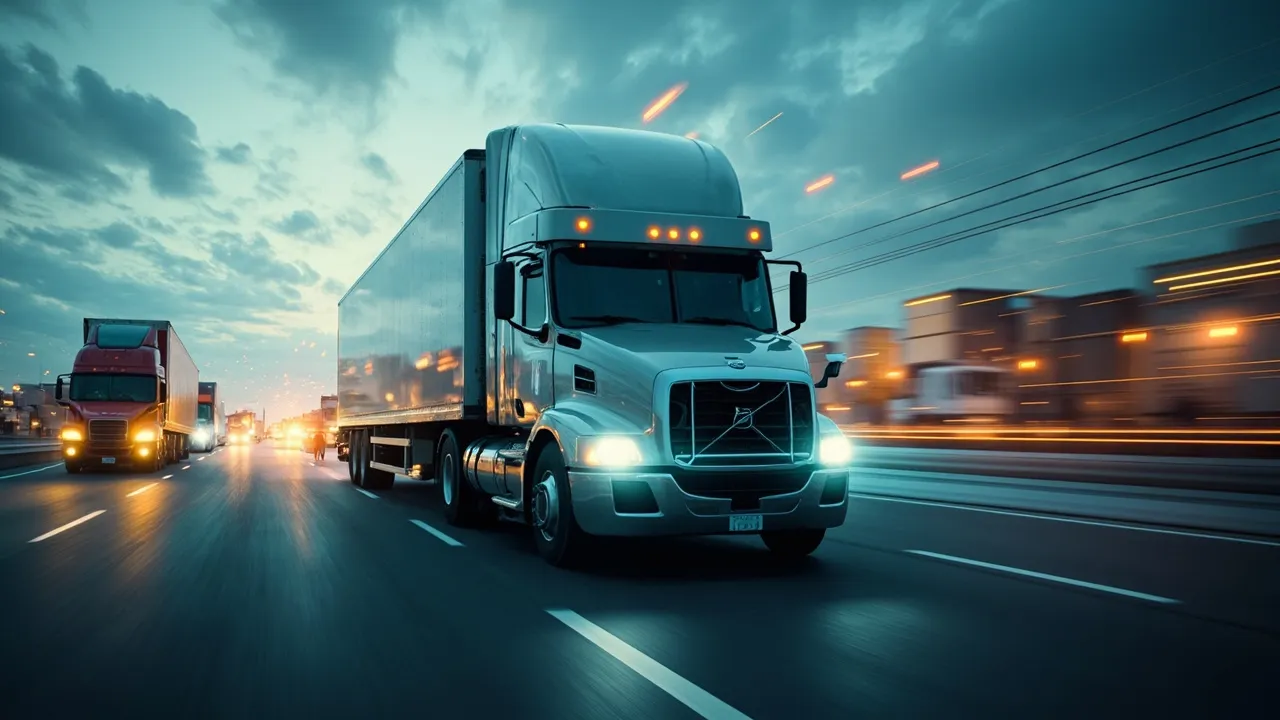
Autonomous trucking has spent years being discussed as a vehicle problem: better sensors, better cameras, better compute, better actuators. Those pieces still matter. But the next bottleneck is becoming more operational than mechanical: can autonomous systems understand enough of the physical freight world to behave safely when reality gets messy?
That is why Torc Robotics’ new partnership with Mila, the Quebec Artificial Intelligence Institute, deserves attention beyond the autonomy lab. According to FreightWaves, Torc is becoming the only autonomous trucking company to join Mila, with research focus areas including generative world models, multi-agent behavior modeling, reinforcement learning, and foundation models for physical AI systems. Torc is a Daimler Truck subsidiary, so this is not an academic side project floating outside the freight equipment market. It is research tied to the hard commercial question: how do you make autonomous trucks safe, scalable, and useful on real lanes?
For shippers, brokers, and freight forwarders, the answer will not arrive as a single magic release date. Physical AI will show up first as corridor readiness, controlled handoffs, tighter exception protocols, and better confidence scoring around which shipments are appropriate for autonomous movement.
Why “physical AI” changes the autonomy conversation
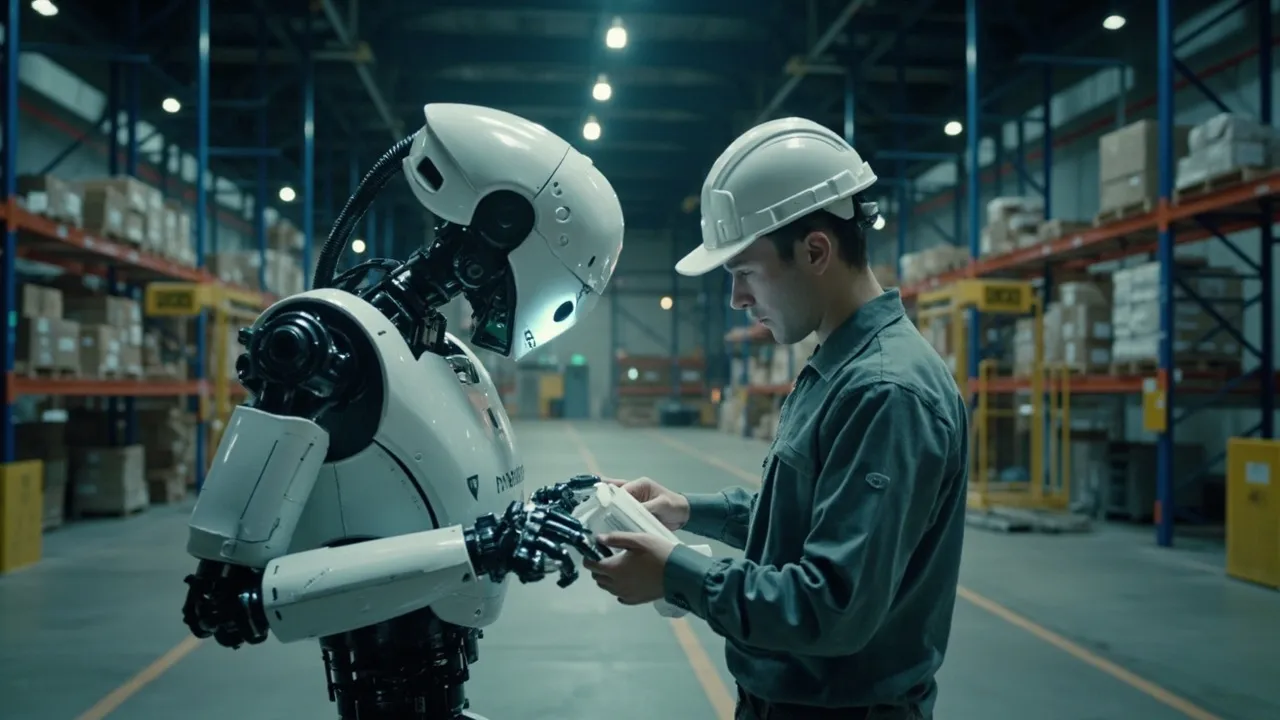
Physical AI is the difference between recognizing objects and reasoning about what those objects might do next. A truck needs to identify a lane closure, a merging passenger car, a stalled vehicle, a worker near a dock, or a police-directed detour. More importantly, it needs to model how those actors interact over time.
That is where Torc’s stated research agenda matters. Generative world models can create and test scenarios that rarely happen in real-world driving but matter enormously when they do. Multi-agent behavior modeling helps the system anticipate how several drivers, pedestrians, yard tractors, or emergency vehicles may move at once. Reinforcement learning can improve decisions across repeated simulated outcomes. Foundation models can give autonomy stacks more transferable pattern recognition instead of forcing engineers to hand-code every situation.
The payoff is not just smarter driving. It is faster validation of edge cases. In freight, rare does not mean irrelevant. A shipment network may run thousands of routine miles and then lose its service promise, margin, or safety case because one exception was not anticipated.
The market is growing, but Level 4 is still the real threshold
The business pressure is obvious. Mordor Intelligence estimates the autonomous truck market at USD 42.63 billion in 2026, growing to USD 74.23 billion by 2031 at an 11.73% CAGR. Its analysis also says SAE Level 1-2 systems held 71.87% of the market in 2025, while Level 4 platforms are projected to post the fastest growth at a 15.21% CAGR through 2031.
That split is important. Most of today’s market is still driver-assistance, not fully autonomous freight execution. Level 4 is where the logistics operating model changes because vehicles can operate within defined conditions without a human driver performing the driving task. That makes the operational design domain — the specific roads, weather, speed ranges, facility handoffs, support procedures, and fallback rules — just as important as the vehicle specification.
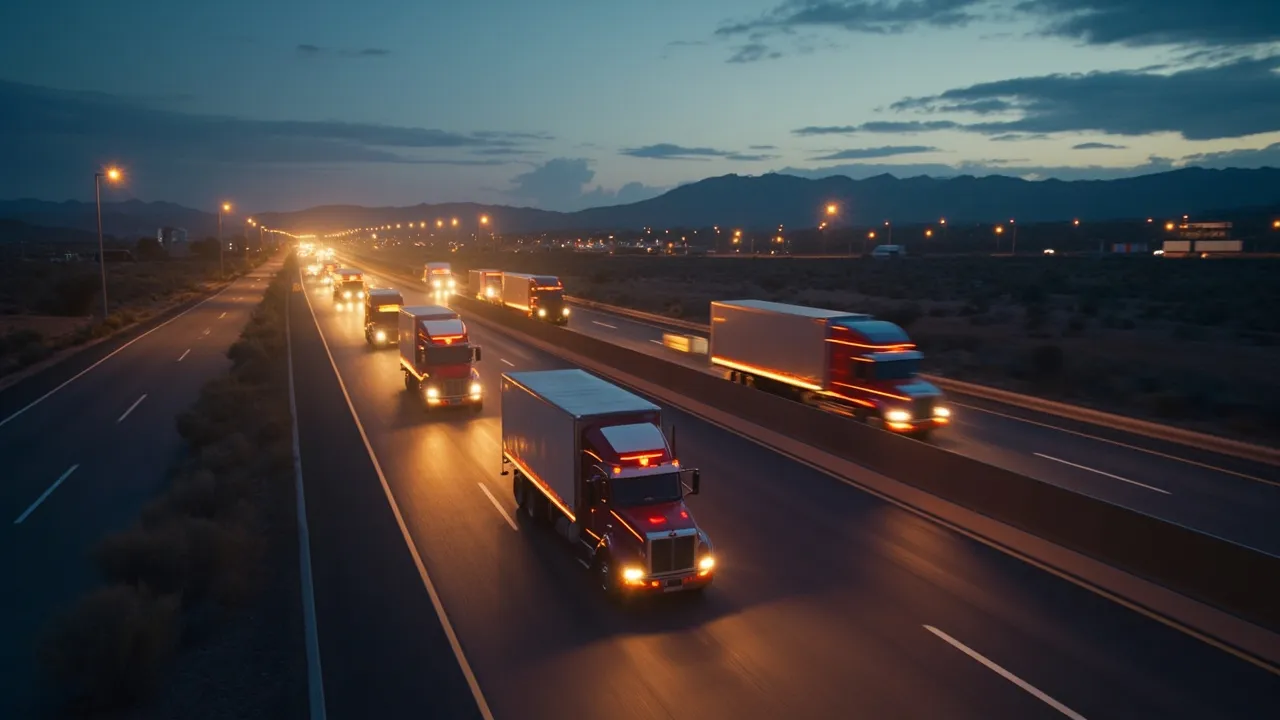
The same Mordor report points to 24/7 hub-to-hub logistics as a demand driver. That is the clearest near-term use case: repeatable middle-mile or linehaul corridors where terminals, appointment windows, fueling or charging, maintenance, and exception response can be tightly governed.
The hype gap is still real
Physical AI should not be treated as a green light to redesign every freight network around driverless trucks tomorrow. Supply Chain Brain recently highlighted Boston Consulting Group’s warning that much of industrial robotics remains far from human-level reasoning. In BCG’s five-level framing, factories are mostly around visual perception and some dexterous manipulation, while true reasoning about the implications of an action remains unsolved.
That caution applies directly to autonomous trucking. Highway driving may be more structured than a chaotic warehouse floor, but freight operations are full of fuzzy edges: late trailers, damaged seals, misassigned doors, weather holds, undocumented yard moves, overweight loads, hazmat paperwork mismatches, and customers who change instructions after dispatch.
A truck that drives safely on a mapped corridor still needs an operating network around it. Someone has to decide whether a load qualifies. Someone has to monitor exceptions. Someone has to manage the handoff when the autonomous leg ends and a human-controlled first-mile or final-mile movement begins.
What shippers should track now
The practical question is not “when will all trucks be autonomous?” That question is too broad to be useful. The better question is: which parts of the freight network are becoming autonomy-ready?
Start with lane suitability. Autonomous linehaul will favor predictable highway corridors, repeatable volumes, compatible terminals, and freight profiles where delays or manual interventions can be absorbed without cascading service failures.
Next, examine insurance and liability assumptions. If a shipment moves through a mixed network of human-driven drayage, autonomous linehaul, and human final delivery, risk ownership must be explicit. Contracts, claims processes, telematics retention, and incident response playbooks need to mature before volume shifts.
Yard handoffs deserve special attention. A clean highway leg can still fail commercially if the receiving facility cannot stage trailers, confirm seals, assign doors, or resolve exceptions without improvisation. Autonomous trucking will reward disciplined facilities and punish sloppy ones.
Finally, shippers need exception management that works across both human and autonomous moves. If an ETA changes, a route is paused, a vehicle diverts, or a load is rejected at a handoff point, the transportation management system must translate that event into action: notify stakeholders, update appointments, re-rate options, preserve audit trails, and keep the customer promise intact where possible.
Physical AI is an operating-readiness issue
Torc’s Mila partnership is a technology headline, but the freight implication is broader. Autonomous trucking commercialization will depend on how well AI systems learn from simulated worlds, how safely they behave in the physical one, and how cleanly logistics teams integrate them into daily execution.
The winners will not be the companies that simply wait for autonomy to “arrive.” They will be the shippers and logistics providers that know their best corridors, clean up their facility handoffs, standardize exception workflows, and build data discipline before autonomous capacity becomes commercially available.
CXTMS helps logistics teams prepare for that mixed future by centralizing shipment visibility, carrier workflows, milestone alerts, and exception handling in one execution layer. If your network is starting to evaluate autonomous lanes, now is the time to make sure your operating data is ready for them. Schedule a CXTMS demo to see how transportation execution can support the next generation of freight networks.