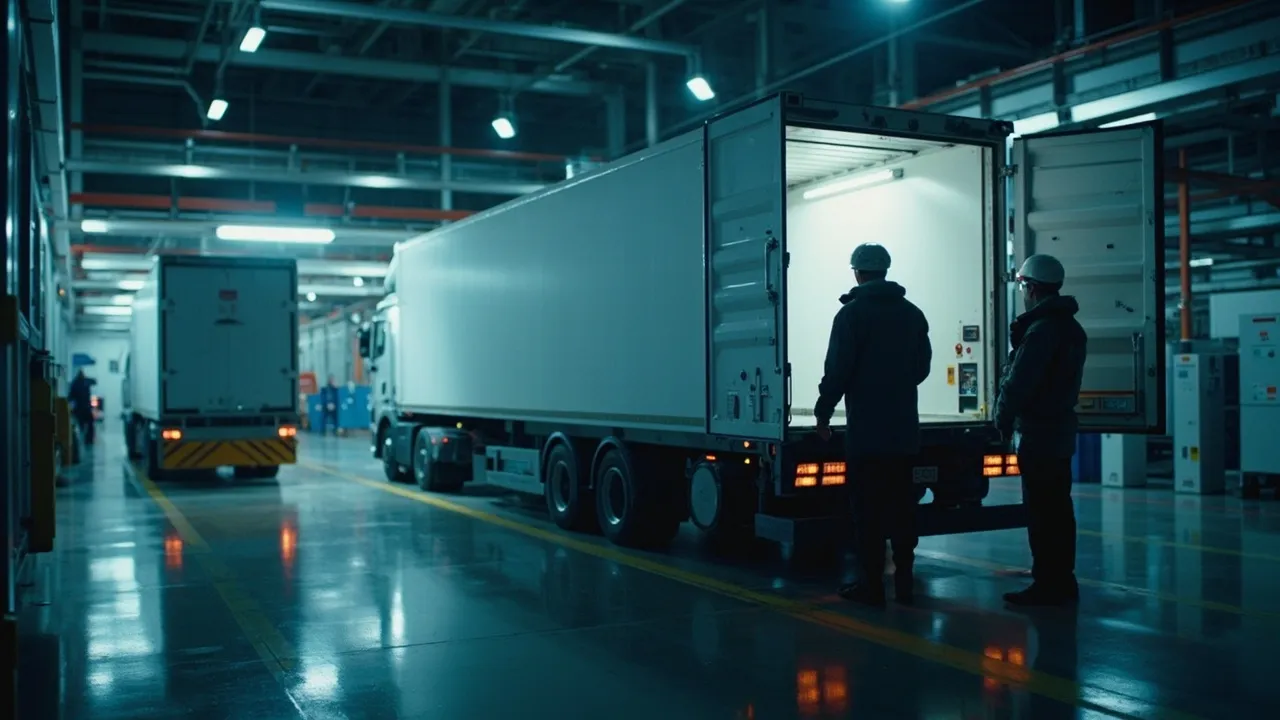
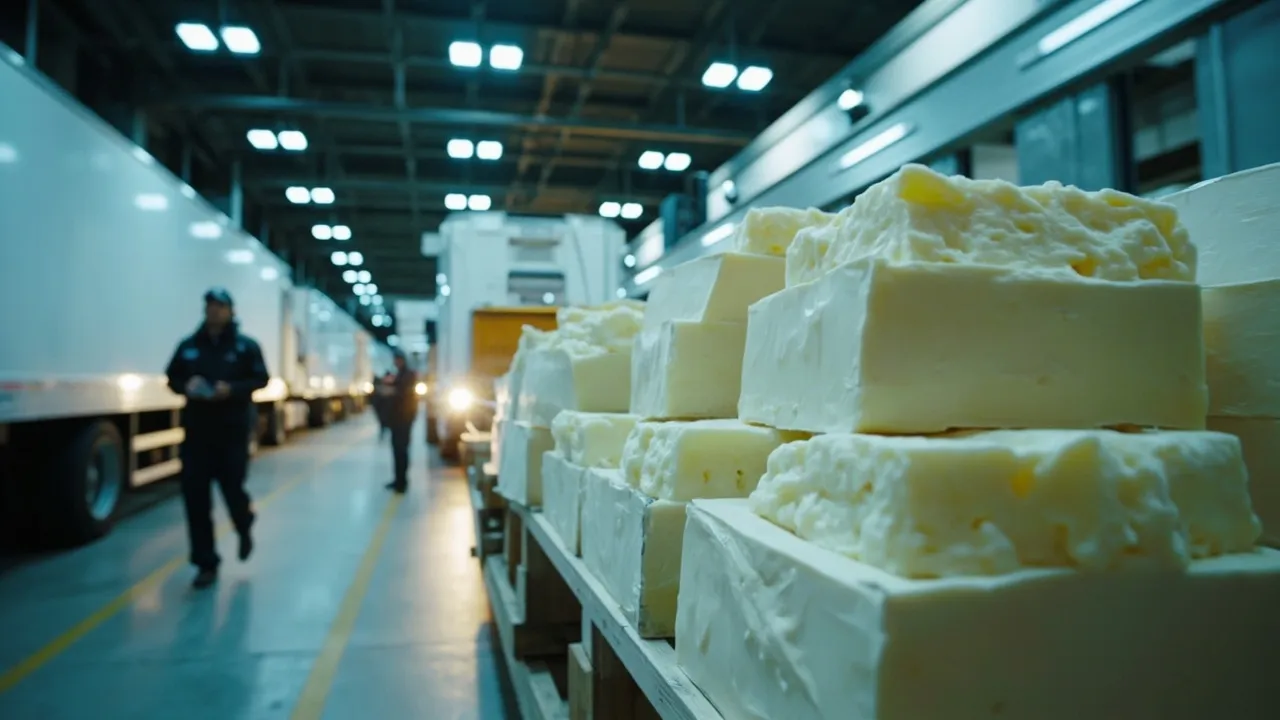
Life Sciences Logistics Needs Quality Events Connected to Shipment Milestones


Life sciences logistics is no longer just a delivery function with extra documentation attached.
For pharmaceutical, biotech, medtech, diagnostics, and clinical-trial supply chains, the shipment record has become part of the quality record. A pallet can be physically in motion while the batch is still waiting for release. A product can arrive on time but still fail if the temperature record is incomplete. A carrier can hit every transportation milestone and still create a deviation if a qualified lane, validated packaging profile, or hold instruction is missing from the handoff.
That is why quality events cannot sit only inside quality-management systems while transportation teams work from a separate TMS, spreadsheet, portal, or inbox.
Deloitte's 2026 Life Sciences Outlook frames the pressure clearly. Digital transformation remains important, but regulatory change, pricing pressure, geopolitical shifts, manufacturing capacity, quality management, supply resilience, and logistics are all shaping 2026 operating strategies. Deloitte's global version of the same outlook reports that 39% of respondents named geopolitical tensions as a top issue, while 38% identified inflation, broader economic pressure, and supply chain risks as forces likely to shape strategy in 2026.
Those numbers matter because life sciences supply chains do not have much room for improvisation. A late pickup can become a release hold, a temperature excursion investigation, a site-of-care delay, a clinical visit disruption, or a write-off decision.
The shipment milestone is part of the quality story
Most logistics teams already track milestones: tender accepted, pickup confirmed, departed origin, arrived at airport, customs released, out for delivery, delivered. Quality teams track a different set of events: batch released, label approved, product on hold, temperature deviation opened, lane qualification confirmed, packaging validation applied, investigation assigned, disposition approved.
The operating risk lives between those two timelines.
If a batch is not released but the carrier is dispatched, the dock inherits the problem. If a shipment is released but the temperature logger is not associated with the shipment, evidence collection becomes manual. If a delivery appointment is changed but the quality team does not see the new dwell risk, the organization may discover the exposure after the receiving site rejects the load.
For regulated freight, the key question is not "Where is the shipment?" It is "What is true now, and does that truth still permit the next step?"
That requires a quality-shipment bridge, not a weekly reconciliation exercise.
Cold-chain growth is raising the execution bar
Cold-chain pressure is also increasing the cost of disconnected records. Food Logistics reported that the 2026 Global Cold Chain Alliance report series shows strong response to rising global demand for temperature-controlled logistics services, with U.S.-headquartered operators continuing to lead global rankings and notable cold-storage capacity growth in Latin America. In a related GCCA article, Food Logistics noted that the world's top cold-storage companies have continued expanding capacity over the past year, extending a decade-long trend driven by demand.
Capacity growth is good news, but it also creates more qualified nodes, more partners, more handoffs, and more variation in how temperature evidence is captured. That complexity is especially sharp for life sciences cargo because "cold chain" is not one temperature band. It may mean controlled room temperature, 2-8 degrees Celsius, frozen, deep frozen, ultra-low temperature, active containers, passive shippers, dry ice replenishment, or site-specific receiving rules.
Mordor Intelligence adds another useful signal: pharmaceuticals and biologics, while smaller by volume than food, are projected to post a 7.8% CAGR and increasingly require ultra-low-temperature assets. Mordor also cites IATA data showing temperature-controlled air cargo for medicines rising 18% year over year.
That growth changes the logistics discipline. The more valuable and temperature-sensitive the product, the less acceptable it is for quality evidence to trail behind the shipment.
Build the quality-shipment bridge
A practical quality-shipment bridge starts with shared fields that both operations and quality can trust.
The first field is the batch or lot. Transportation teams need to know when a shipment is tied to release constraints, serialization requirements, stability limits, or destination-specific documentation.
The second field is release status. Released, pending release, conditional release, hold, quarantine, and rejected are not just quality labels. They should govern whether a shipment can be tendered, loaded, transferred, delivered, or invoiced.
The third field is temperature band. "Refrigerated" is too vague for regulated life sciences freight. The execution record should carry the required band, packaging type, logger requirement, excursion threshold, and escalation rule.
The fourth field is hold reason. If a product is waiting on certificate of analysis, label approval, customs document correction, quality investigation, or site authorization, that reason should be visible to the people managing appointments and carrier commitments.
The fifth field is carrier qualification. The system should know whether the carrier, lane, equipment type, container, and handoff model are qualified for the product and destination.
The sixth field is lane validation. Life sciences logistics often depends on validated routes, tested packaging duration, known dwell points, customs assumptions, and receiving calendars.
The seventh field is delivery appointment. If the site cannot receive on arrival, quality risk may increase even when the carrier is performing well. Appointment changes should update the exception record, not sit in a scheduler's inbox.
The eighth field is deviation owner. When a temperature, timing, documentation, or handoff issue occurs, someone needs explicit accountability. "Quality is reviewing" is not enough if transportation still has to recover the shipment.
The operating model has to be traceable
Traceability is often discussed as a compliance requirement. It is also an execution advantage.
When a quality event is connected to shipment milestones, teams can see whether a delay occurred before release, during pickup, inside a terminal, at customs, during final delivery, or after receiving. They can separate carrier failure from documentation failure, distinguish real product risk from missing evidence, and decide whether to reroute, replenish dry ice, rebook an appointment, quarantine on arrival, or release with investigation open.
That is a much better operating position than reconstructing the timeline after the customer, investigator, or receiving site asks what happened.
It also improves partner governance. If cold-chain demand is rising and specialized capacity is expanding, shippers need to know which providers protect the full quality record, not just which providers deliver on time.
CXTMS turns regulated logistics into connected execution
CXTMS helps life sciences teams connect purchase orders, shipment milestones, carrier qualification, temperature workflows, documents, release status, exception ownership, and delivery evidence in one operating layer.
That matters because regulated shipments do not fail in one system at a time. They fail across handoffs. A batch hold becomes a missed pickup. A missed appointment becomes dwell exposure. A missing logger file becomes a release delay. A carrier change becomes a lane-validation question.
When quality events and shipment milestones live together, teams can act earlier, preserve evidence, assign owners, and protect critical freight without losing cost and service control.
If your life sciences logistics team is still stitching quality events to freight records after the fact, schedule a CXTMS demo and see how regulated shipment workflows, cold-chain exception records, and release-to-delivery execution work in one platform.