Daimler's 100-Truck Hydrogen Pilot: Build a Freight-Lane Readiness Gate

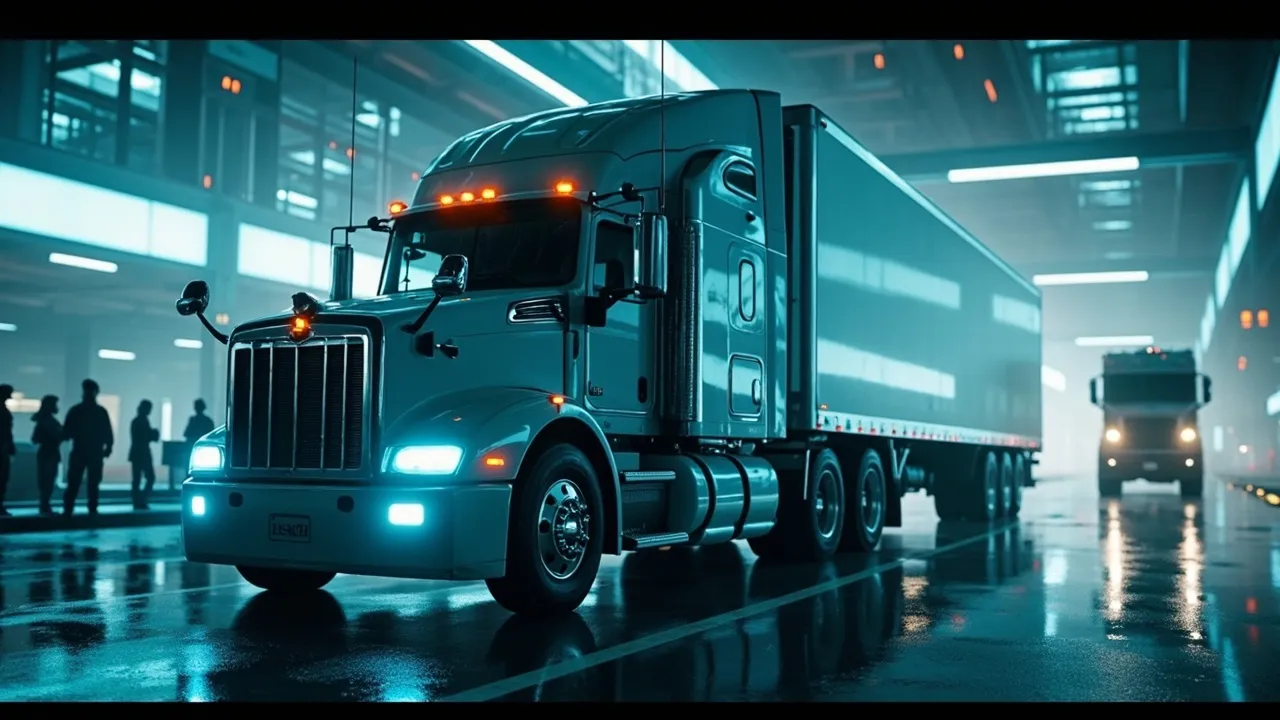
Daimler Truck's next hydrogen milestone is large enough to produce useful operating evidence, but far too small to prove that an entire network is ready.
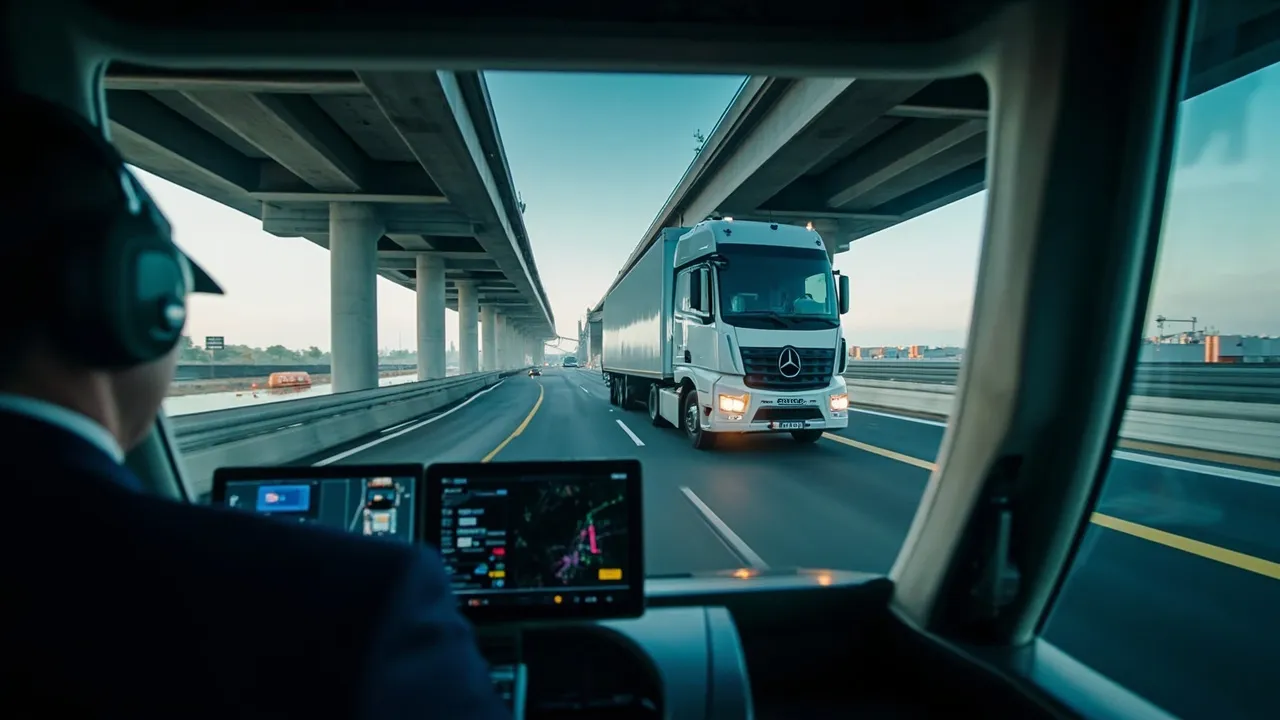
The manufacturer plans to put 100 Mercedes-Benz NextGenH2 trucks into customer operations beginning at the end of 2026, and the first 50 have already been sold, according to FreightWaves. That is a meaningful transition from prototypes to revenue-generating freight. It is not, however, permission for carriers to convert fleets indiscriminately.
The sensible unit of adoption is the freight lane—not the truck. A hydrogen tractor can succeed where fueling, range, payload, schedules, maintenance, and recovery support align. The same vehicle can fail economically on a lane with one missing dependency. Operators need a readiness gate that tests those conditions before assigning equipment and a scale-up gate that requires measured performance before expanding.
Separate vehicle capability from lane readiness
Hydrogen fuel-cell trucks are designed to address demanding long-haul work, but an impressive maximum range does not create a dependable operating network. In an earlier demonstration, Daimler's GenH2 truck traveled 650 miles on one fill of liquid hydrogen. That result establishes technical potential under a defined test. Dispatchers still need to know whether a truck can complete a particular loaded route repeatedly, refuel within its operating window, and recover from disruptions.
Create one qualification record for every proposed origin-destination pair. It should include:
- Loaded and empty miles, elevation, weather exposure, and seasonal variability
- Tractor, trailer, cargo, and maximum payload weights
- Planned range plus a disruption reserve for detours, queues, and missed fueling
- Primary and alternate fueling locations, hours, capacity, access rules, and fuel specification
- Driving, loading, unloading, and refueling time within hours-of-service constraints
- Authorized maintenance providers, parts coverage, towing, and roadside recovery
- A diesel or other incumbent-equipment fallback plan for service continuity
A lane should not pass because a station appears on a map. Confirm that it can dispense the required form of hydrogen at the volume and time the operation needs. Record a named contact, escalation path, planned outages, and an alternate source. If no workable alternate exists, expose that single-point dependency in the commercial decision.
Model the duty cycle, not the brochure
Start with actual dispatch history. Use at least several months of shipment data to reconstruct daily miles, dwell, payload, return loads, schedule variance, and exceptional trips. Segment the work rather than averaging it. A 400-mile average can conceal frequent 600-mile days that determine whether service fails.
Run the candidate truck against demanding but credible conditions: high payload, cold or hot weather, congestion, a missed appointment, and a fueling queue. Set a minimum arrival reserve for each trip. Any route that regularly consumes the reserve should return to redesign rather than relying on driver improvisation.
Payload deserves its own gate. Compare legal payload under the hydrogen configuration with the diesel control and with real shipment weights. If reduced payload causes extra trips, include those miles, labor hours, fuel, and emissions in the evaluation. A zero-tailpipe-emission tractor that requires materially more movements may still be the wrong tool for that lane.
The operating context also includes incentives. Supply Chain Dive reports that the proposed three-year ZE-TRIP program at the San Pedro Bay ports would pay qualifying zero-emission trucks $60 per terminal visit and as much as $36,000 per vehicle annually. Such support can change lane economics, but it should be recorded separately from underlying operating cost. Decision-makers need to see whether a lane remains viable if an incentive changes or expires.
Instrument every pilot movement
Treat the 100-truck deployment as an evidence program. Each hydrogen truck should be paired with a comparable diesel control group operating similar freight, geography, shifts, and seasonality. Without that baseline, teams can celebrate improving performance while missing a widening cost or reliability gap.
Capture at least these measures by truck, trip, and lane:
- Kilograms of hydrogen dispensed, energy cost, and consumption per loaded mile
- Planned versus actual miles, payload, stops, and tractor utilization
- Refueling duration, queue time, failed attempts, and station availability
- Scheduled and unscheduled maintenance hours, parts wait, and road calls
- On-time pickup and delivery, cancellations, substitutions, and recovery cost
- Tailpipe emissions and well-to-wheel emissions using a documented fuel pathway
- Total cost per loaded mile, including leases, incentives, infrastructure, labor, and downtime
Do not bury substitution events. If dispatch replaces an unavailable hydrogen tractor with diesel, the customer may still receive freight on time, but the pilot did not complete its assigned work. Record both customer service and technology completion so resilience does not disguise poor equipment availability.
Data definitions matter as much as collection. Establish when downtime begins, whether planned service counts, how partial fueling is recorded, and which emissions factor applies to each hydrogen supply contract. Freeze those rules before comparing terminals or vendors.
Establish scale-up thresholds before results arrive
Pilot governance gets weak when expansion decisions depend on enthusiasm and selective anecdotes. Set thresholds in advance and require sustained performance across a full operating cycle.
A practical scale-up scorecard might require a minimum percentage of assigned trips completed by the hydrogen truck, on-time service within an agreed tolerance of the control group, fuel availability above a stated level, and unplanned downtime below a fixed ceiling. It should also cap total-cost and payload penalties and require verified emissions improvement under the contracted hydrogen pathway.
Use three decisions rather than a binary pass or fail:
- Scale: The lane meets service, availability, cost, safety, and emissions thresholds over the required period.
- Correct and retest: A specific constraint—such as station queues, training, or parts coverage—has an owner and credible remedy.
- Stop or redesign: The lane has a structural mismatch in range, payload, infrastructure, or economics.
Expansion should move to adjacent lanes that share proven fueling and maintenance coverage. Adding trucks faster than supporting capacity grows can turn a successful demonstration into congestion at the pump and longer workshop queues. Recalculate station throughput, spare ratio, technician capacity, and recovery coverage at every fleet-size step.
Make hydrogen adoption an operational control
Daimler's 100-truck program can produce valuable evidence about commercial hydrogen freight. The lesson for fleet operators is not to wait passively for a universal infrastructure verdict. It is to qualify lanes deliberately, compare performance with a credible control, and expand only when repeatable results cross predetermined gates.
CXTMS helps logistics teams connect lane plans, shipment execution, equipment assignments, exceptions, and performance data in one operating view. Request a CXTMS demo to build measurable readiness and scale-up workflows for alternative-fuel freight.